This is default featured slide 1 title

Go to Blogger edit html and find these sentences.Now replace these sentences with your own descriptions.

This is default featured slide 2 title

Go to Blogger edit html and find these sentences.Now replace these sentences with your own descriptions.

This is default featured slide 3 title

Go to Blogger edit html and find these sentences.Now replace these sentences with your own descriptions.

This is default featured slide 4 title

Go to Blogger edit html and find these sentences.Now replace these sentences with your own descriptions.

This is default featured slide 5 title

Go to Blogger edit html and find these sentences.Now replace these sentences with your own descriptions.
Thursday, June 30, 2022

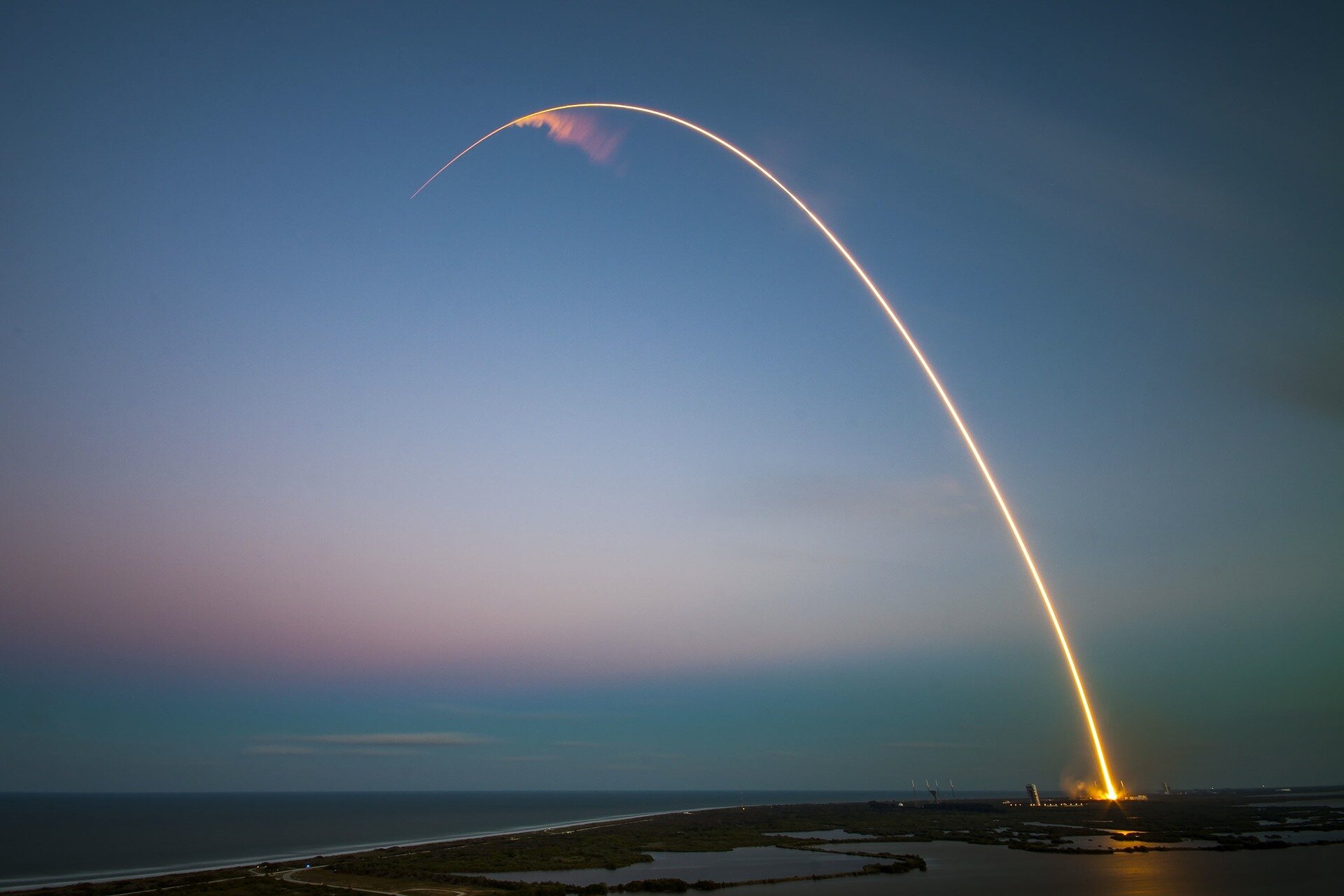
Two Seattle startups racing to transform next-gen space travel

The phrase "nuclear energy" conjures images of large steaming towers or Tony Stark's arc reactor from the iconic "Iron Man" movies. But two Seattle-based startups are designing nuclear technologies small enough to pick up and carry that, thanks in part to buy-in from the Defense Department, they hope will fuel a new generation of spaceships.

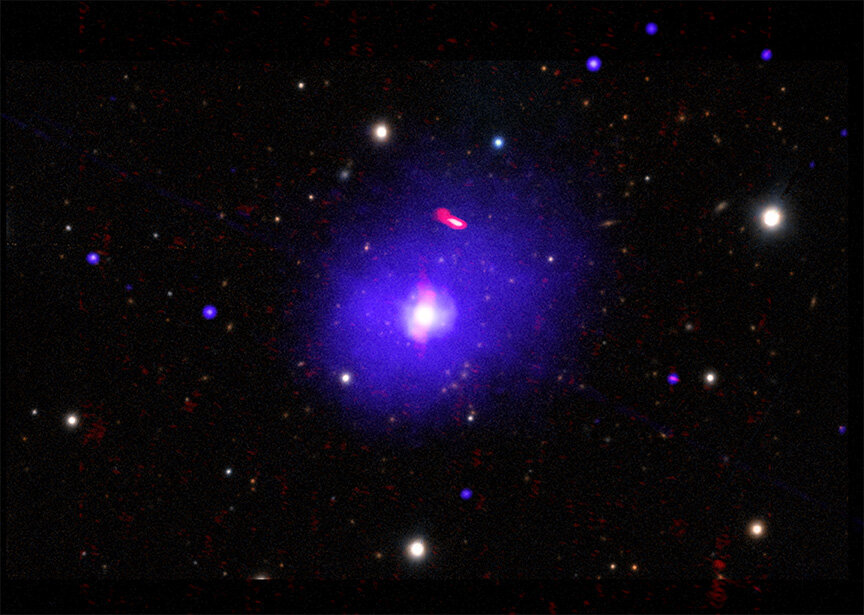
A giant black hole that spins slower than its peers

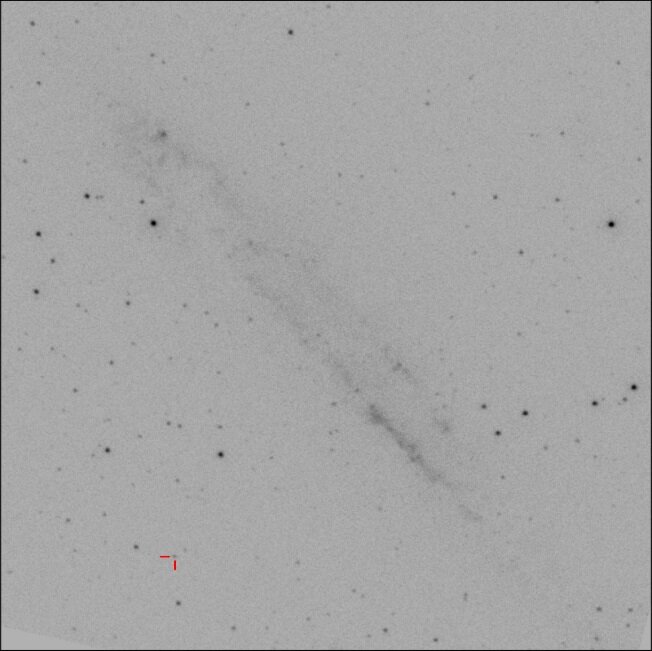
Astronomers have made a record-breaking measurement of a black hole's spin, one of two fundamental properties of black holes. NASA's Chandra X-ray Observatory shows this black hole is spinning slower than most of its smaller cousins.

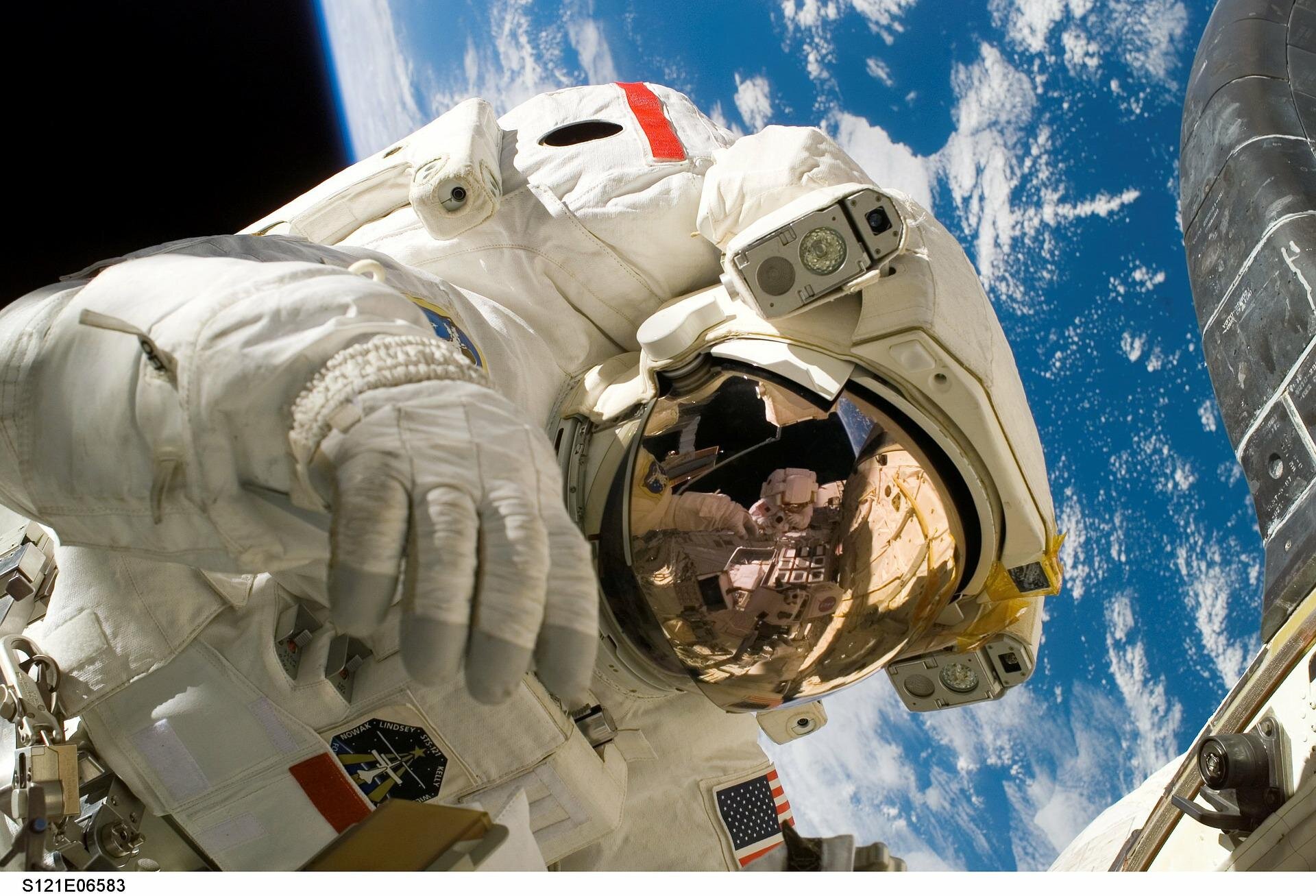
The path of most resistance could help limit bone loss during spaceflight

Astronauts that have returned after spaceflights over three months may show signs of incomplete bone recovery even after one year on Earth, but adding in more resistance-based exercises during spaceflight may help limit bone loss. The small study, published in Scientific Reports, on 17 international astronauts found that while the shinbone partially recovers, the sustained bone losses after one year are equivalent to ten years of normal age-related bone loss on Earth.

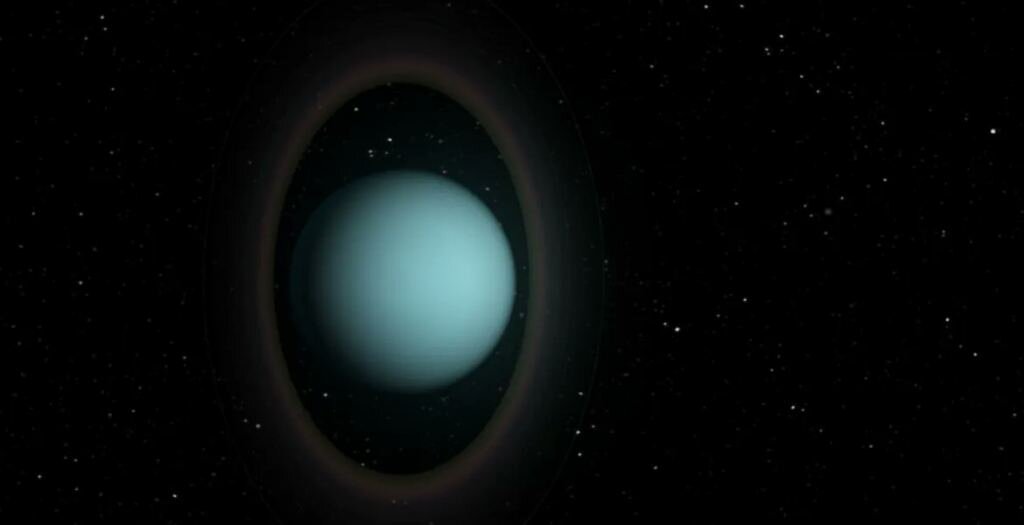
The rings of Uranus and Neptune could help map their interiors

Mapping the interior of the ice giants is difficult, to say the least. Not only are they far away and therefore harder to observe, but their constant ice cover makes it extremely hard to detect what lies underneath. So scientists must devise more ingenious ways to see what's inside them. A team from the University of Idaho, Cal Tech, Reed College, and the University of Arizona think they might have come up with a way—to look at the structure of Neptunes' and Uranus' rings.

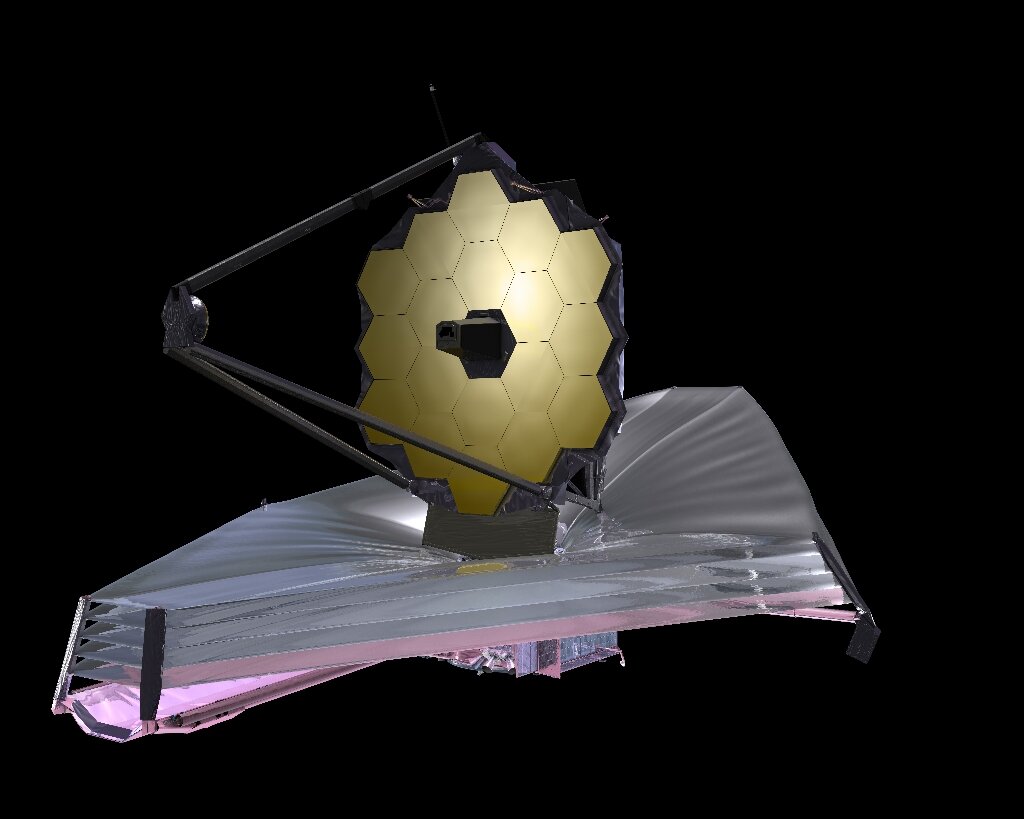
Webb telescope: NASA to reveal deepest image ever taken of universe

NASA administrator Bill Nelson said Wednesday the agency will reveal the "deepest image of our universe that has ever been taken" on July 12, thanks to the newly operational James Webb Space Telescope.

Wednesday, June 29, 2022

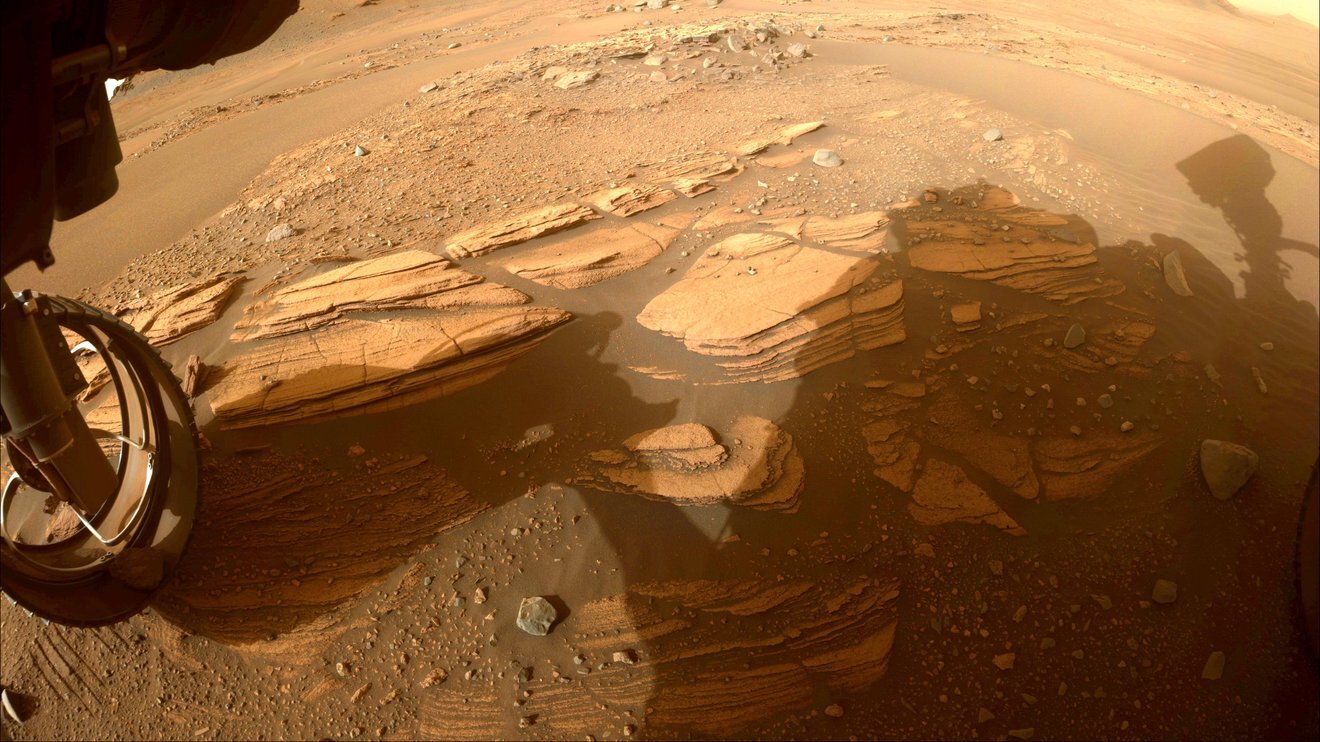
NASA's Perseverance Mars rover Hazcam image: 'Enchanted Lake' at Jezero Crater

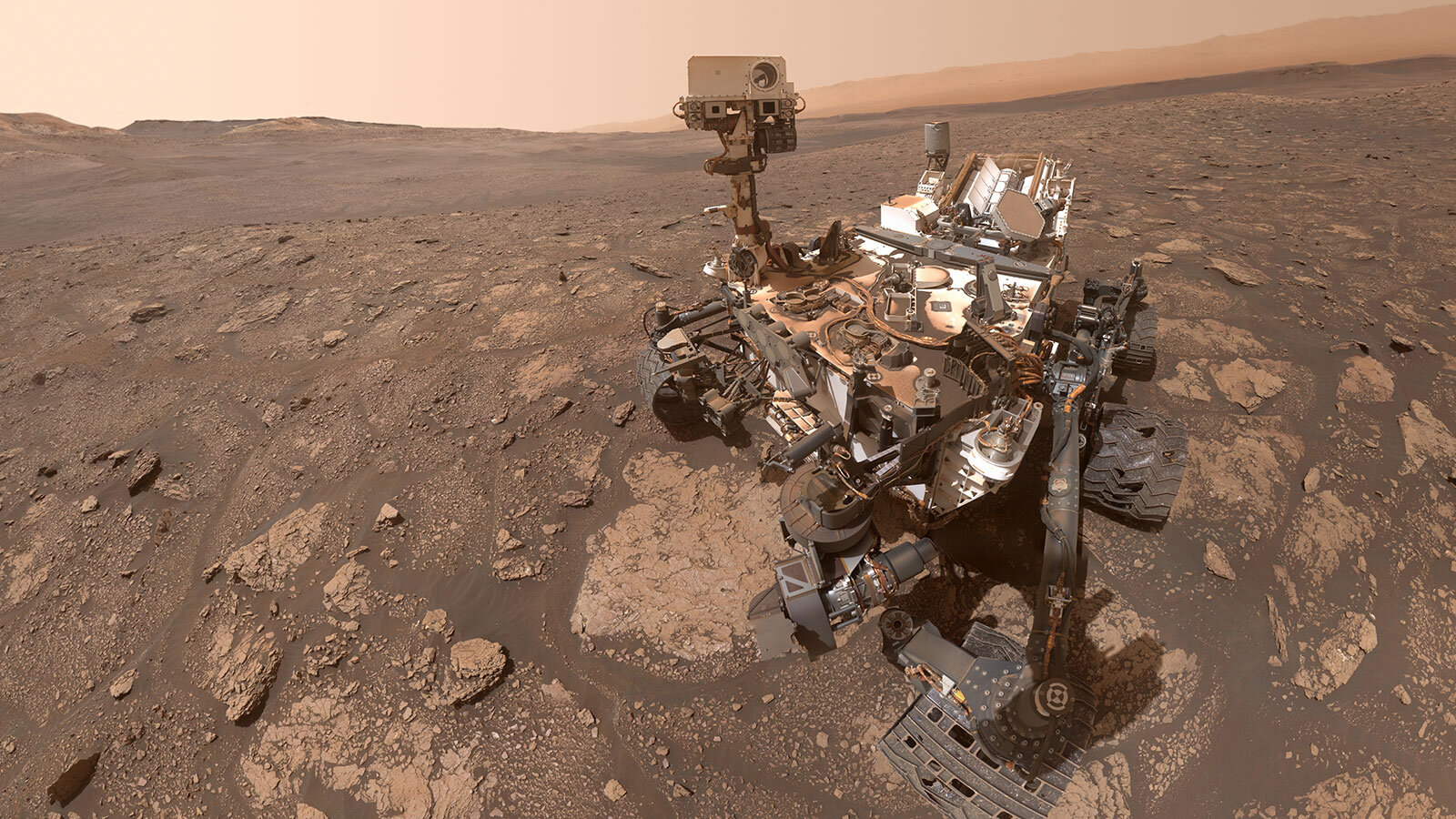
Ask any space explorer, and they'll have a favorite photograph or two from their mission. For Katie Stack Morgan, the deputy project scientist for NASA's Perseverance Mars rover, the first close-up image of layered rocks at the base of Jezero Crater's ancient river delta holds a special place in her heart. The image of the "Enchanted Lake" rocky outcrop, informally named after a landmark in Alaska's Katmai National Park and Preserve, was taken by one of the rover's Hazard Avoidance Cameras (Hazcams) on April 30, 2022.

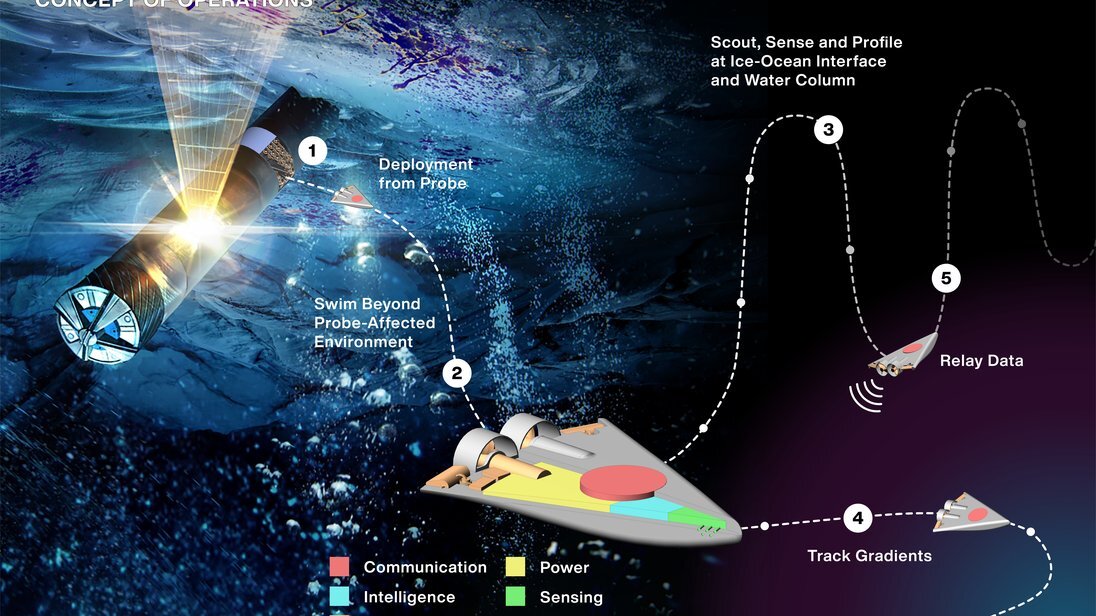
Swarm of tiny swimming robots could look for life on distant worlds

Someday, a swarm of cellphone-size robots could whisk through the water beneath the miles-thick icy shell of Jupiter's moon Europa or Saturn's moon Enceladus, looking for signs of alien life. Packed inside a narrow ice-melting probe that would tunnel through the frozen crust, the tiny robots would be released underwater, swimming far from their mothercraft to take the measure of a new world.

Researchers simulate defense of the Earth against asteroid impact

NASA's Double Asteroid Redirection Test (DART) mission is the world's first full-scale planetary defense test against potential asteroid impacts on Earth. Researchers of the University of Bern and the National Center of Competence in Research (NCCR) PlanetS now show that instead of leaving behind a relatively small crater, the impact of the DART spacecraft on its target could leave the asteroid near unrecognizable.

Astronomers detect a new cataclysmic variable system

Using NASA's Swift spacecraft, astronomers have discovered a new cataclysmic variable (CV) through its ultraviolet (UV) bursting activity. The newfound CV, designated TUVO-21acq, was detected as part of the Transient UV Objects Project (TUVO). The finding is reported in a paper published June 21 on arXiv.org.

The puzzling link between star formation and radio emission in galaxies

On the 50th anniversary of the discovery of a close connection between star formation in galaxies and their infrared and radio radiation, researchers at the Leibniz Institute for Astrophysics Potsdam (AIP) have now deciphered the underlying physics. To this end, they used novel computer simulations of galaxy formation with a complete modeling of cosmic rays.

Tuesday, June 28, 2022

Help NASA scientists find clouds on Mars

NASA scientists hope to solve a fundamental mystery about Mars' atmosphere, and you can help. They've organized a project called Cloudspotting on Mars that invites the public to identify Martian clouds using the citizen science platform Zooniverse. The information may help researchers figure out why the planet's atmosphere is just 1% as dense as Earth's even though ample evidence suggests the planet used to have a much thicker atmosphere.

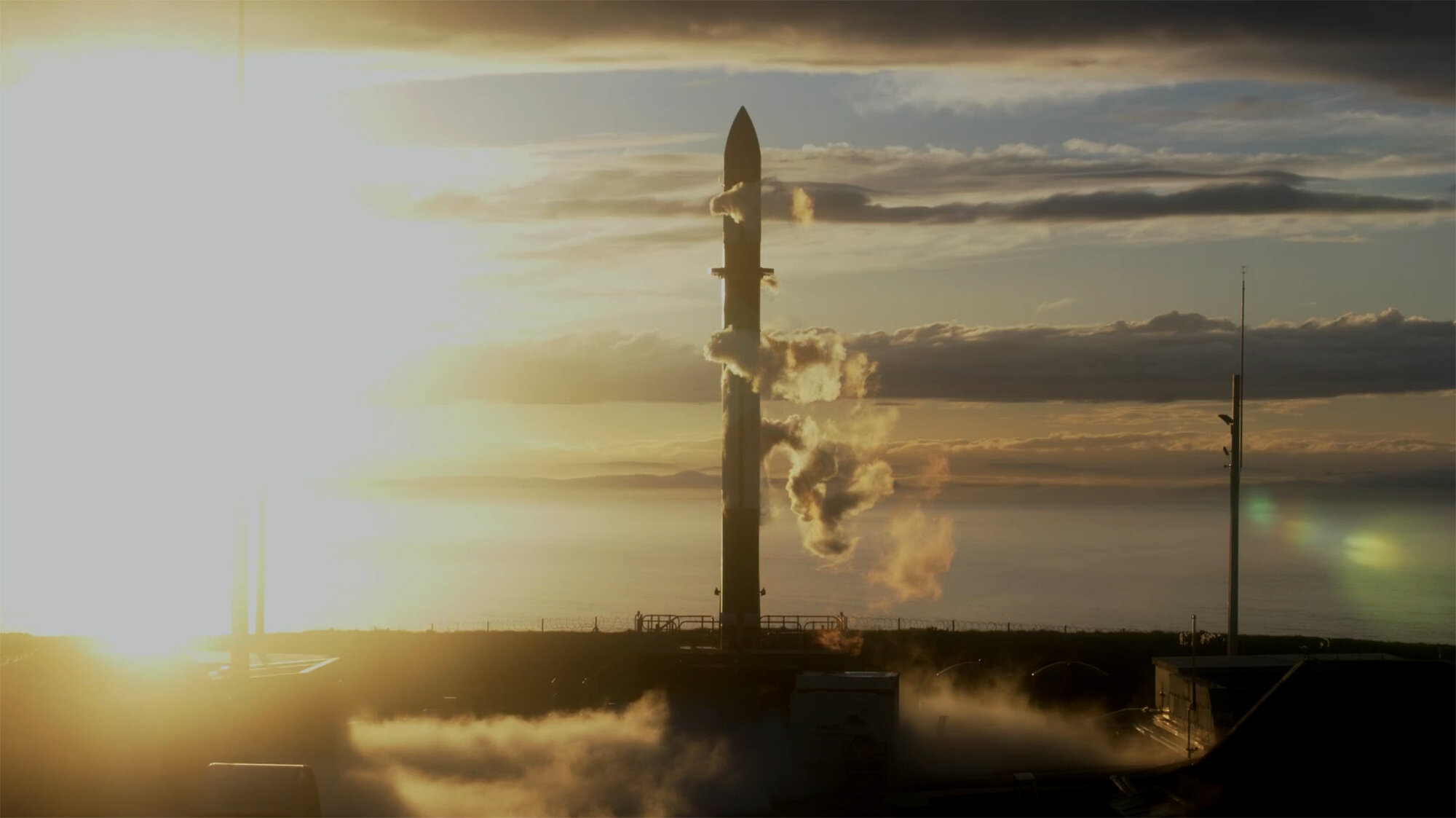
NASA hopes New Zealand launch will pave way for moon landing

NASA wants to experiment with a new orbit around the moon that it hopes to use in the coming years to once again land astronauts on the lunar surface.

Monday, June 27, 2022

NASA experiment suggests need to dig deep for evidence of life on Mars

According to a new NASA laboratory experiment, rovers may have to dig about 6.6 feet (two meters) or more under the Martian surface to find signs of ancient life because ionizing radiation from space degrades small molecules such as amino acids relatively quickly.

Webb's NIRISS instrument is ready to see cosmos in over 2,000 infrared colors

One of the James Webb Space Telescope's four primary scientific instruments, known as the Near-Infrared Imager and Slitless Spectrograph instrument (NIRISS) has concluded its post-launch preparations and is now ready for science.

Long-term liquid water also on non-Earth-like planets?

Life on Earth began in the oceans. In the search for life on other planets, the potential for liquid water is therefore a key ingredient. To find it, scientists have traditionally looked for planets similar to our own. Yet, long-term liquid water does not necessarily have to occur under similar circumstances as on Earth. Researchers of the University of Bern and the University of Zurich, who are members of the National Centre of Competence in Research (NCCR) PlanetS, report in a study published in the journal Nature Astronomy, that favorable conditions might even occur for billions of years on planets that barely resemble our home planet at all.

VY Canis Majoris is dying, and astronomers are watching

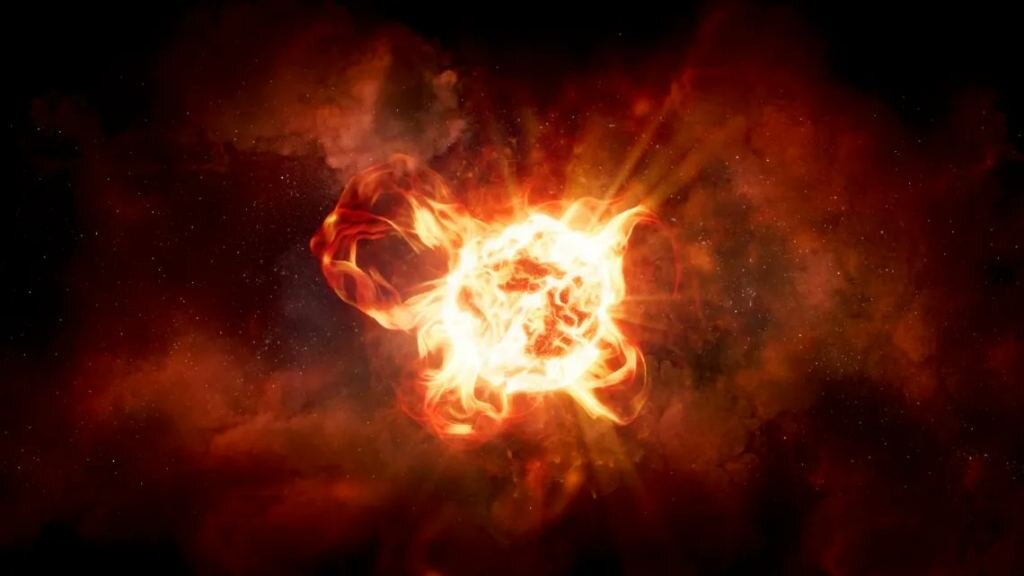
Three-dimensional models of astronomical objects can be ridiculously complex. They can range from black holes that light doesn't even escape to the literal size of the universe and everything in between. But not every object has received the attention needed to develop a complete model of it, but we can officially add another highly complex model to our lists. Astronomers at the University of Arizona have developed a model of VY Canis Majoris, a red hypergiant that is quite possibly the largest star in the Milky Way. And they're going to use that model to predict how it will die.
http://dlvr.it/SSwcfM

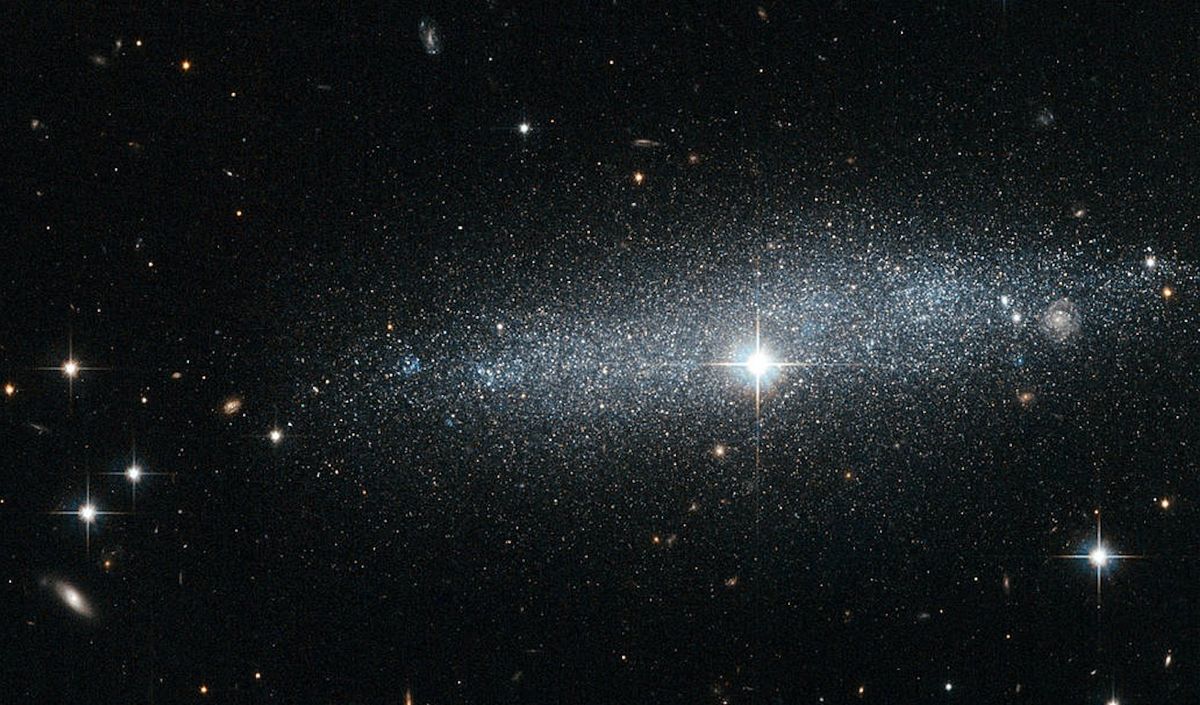
Marvel at the majestic galaxies in this classic Hubble telescope photo

NASA revisits a spectacular Hubble Space Telescope shot of the dwarf galaxy ESO 318-13 in this stunning photo.
http://dlvr.it/SSwbH2