This is default featured slide 1 title

Go to Blogger edit html and find these sentences.Now replace these sentences with your own descriptions.

This is default featured slide 2 title

Go to Blogger edit html and find these sentences.Now replace these sentences with your own descriptions.

This is default featured slide 3 title

Go to Blogger edit html and find these sentences.Now replace these sentences with your own descriptions.

This is default featured slide 4 title

Go to Blogger edit html and find these sentences.Now replace these sentences with your own descriptions.

This is default featured slide 5 title

Go to Blogger edit html and find these sentences.Now replace these sentences with your own descriptions.
Saturday, December 30, 2023

Want to get into stargazing? A professional astronomer explains where to start

There are few things more peaceful and relaxing than a night under the stars. Through the holidays, many people head away from the bright city lights to go camping. They revel in the dark skies, spangled with myriad stars.

First pulsar detected in globular cluster GLIMPSE-C01

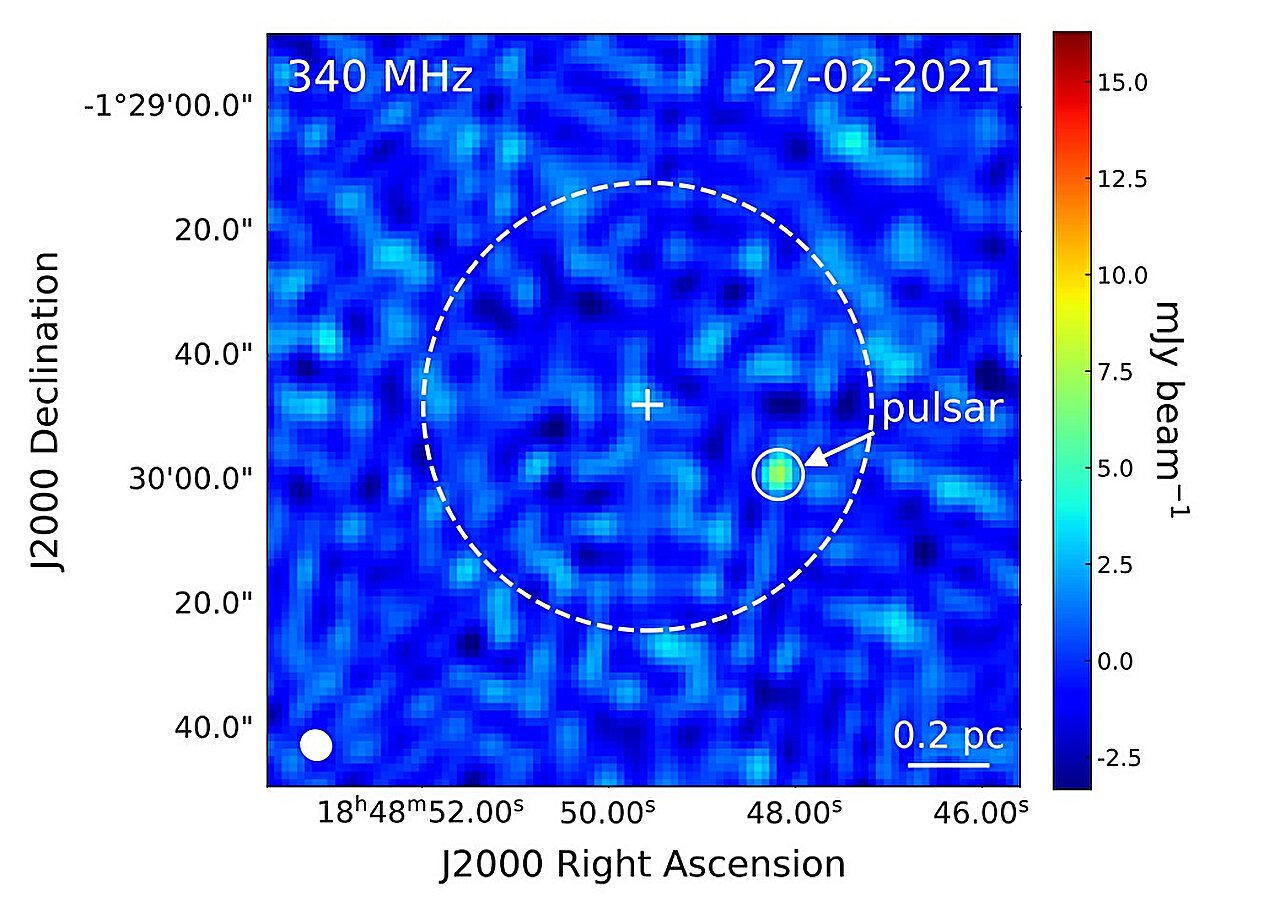
Using the Karl G. Jansky Very Large Array (VLA), astronomers have discovered a millisecond pulsar in the globular cluster GLIMPSE-C01 as part of the VLA Low-band Ionosphere and Transient Experiment (VLITE). This is the first pulsar ever detected in this cluster. The finding was reported in a paper published December 18 on the pre-print server arXiv.

A new way to characterize habitable planets

For decades, science fiction authors have imagined scenarios in which life thrives on the harsh surfaces of Mars or our moon, or in the oceans below the icy surfaces of Saturn's moon Enceladus and Jupiter's moon Europa. But the study of habitability—the conditions required to support and sustain life—is not just confined to the pages of fiction. As more planetary bodies in our solar system and beyond are investigated for their potential to host conditions favorable to life, researchers are debating how to characterize habitability.

Friday, December 29, 2023

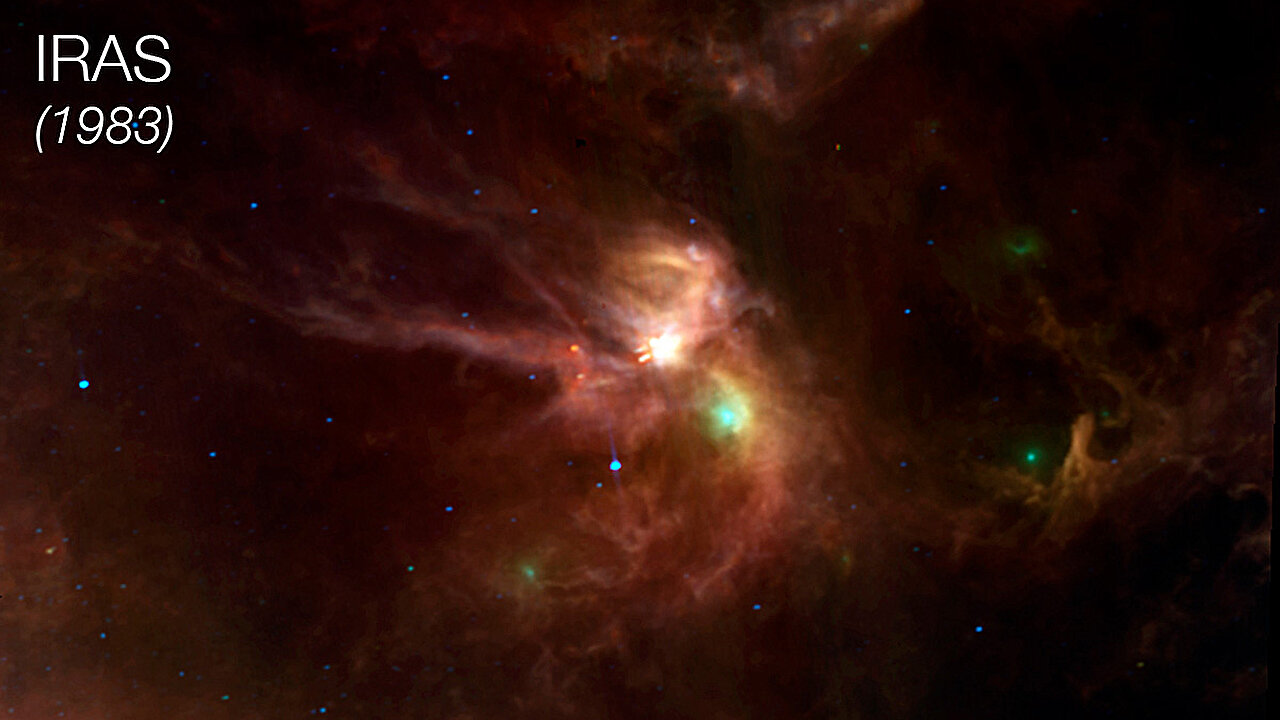
Meet the infrared telescopes that paved the way for NASA's Webb

The Webb telescope has opened a new window onto the universe, but it builds on missions going back 40 years, including Spitzer and the Infrared Astronomical Satellite.

First release of the largest extragalactic HI catalog

The FAST All Sky HI survey (FASHI) was designed to cover the entire sky observable by the Five-hundred-meter Aperture Spherical radio Telescope (FAST), spanning approximately 22,000 square degrees of declination between -14 deg and +66 deg, and in the frequency range of 1050–1450 MHz, with the expectation of eventually detecting more than 100,000 HI sources.

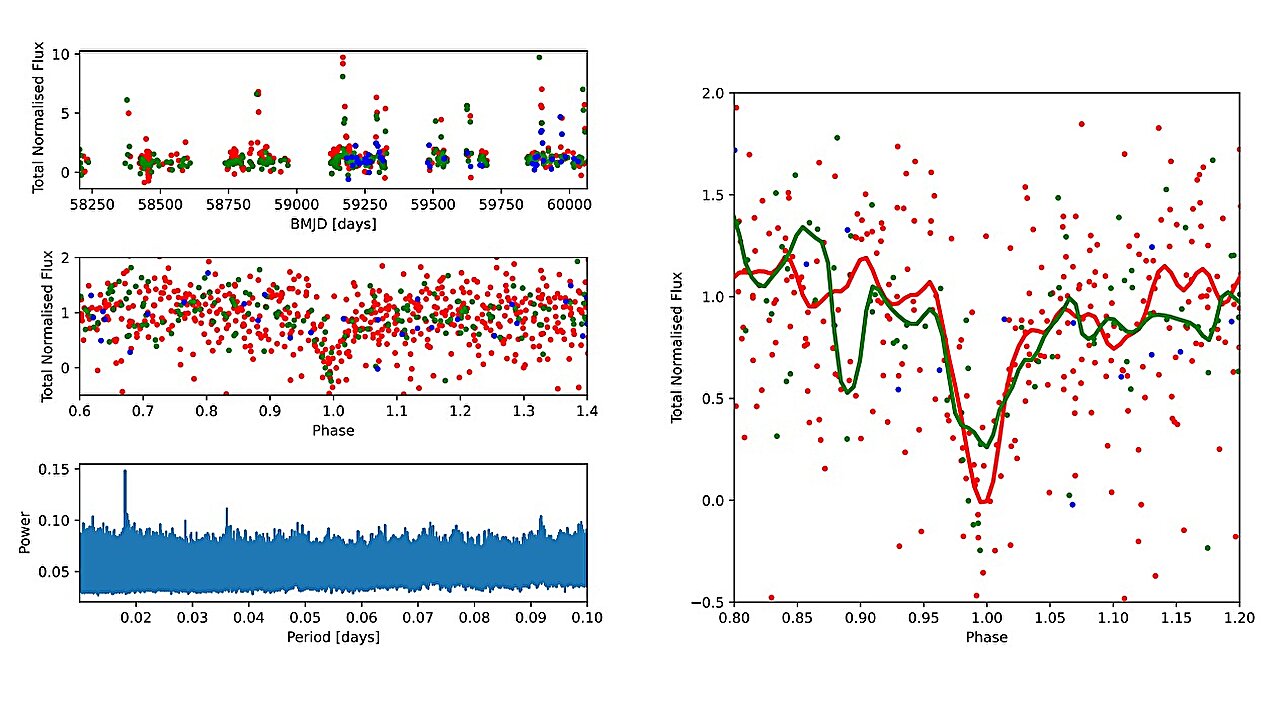
Zwicky Transient Facility detects four ultracompact binaries

By investigating dwarf novae identified by the Zwicky Transient Facility (ZTF), astronomers have discovered four binary systems. The objects turned out to be eclipsing accreting ultracompact white dwarf binaries. The finding was reported in a paper published December 15 on the pre-print server arXiv.

A carbon-lite atmosphere could be a sign of water and life on other terrestrial planets, study finds

Scientists at MIT, the University of Birmingham, and elsewhere say that astronomers' best chance of finding liquid water, and even life on other planets, is to look for the absence, rather than the presence, of a chemical feature in their atmospheres.

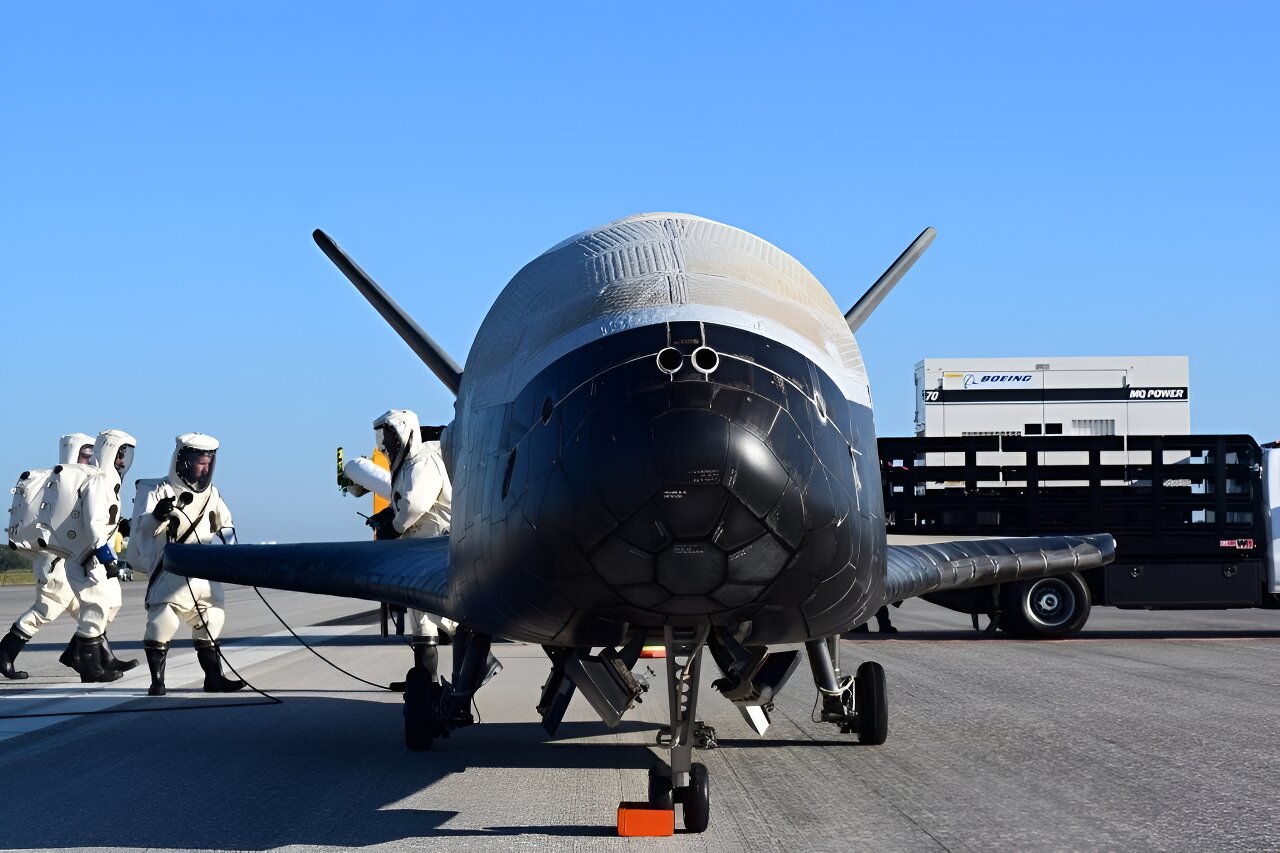
SpaceX launches secretive US military spacecraft on research mission

SpaceX's Falcon Heavy rocket blasted back into space on Thursday night to ferry the US military's secretive X-37B drone to a research mission.

Thursday, December 28, 2023

Using smart materials to deploy a Dark Age explorer

One of the most significant constraints on the size of objects placed into orbit is the size of the fairing used to put them there. Large telescopes must be stuffed into a relatively small fairing housing and deployed to their full size, sometimes using complicated processes. But even with those processes, there is still an upper limit to how giant a telescope can be. That might be changing soon, with the advent of smart materials—particularly on a project funded by NASA's Institute for Advanced Concepts (NIAC) that would allow for a kilometer-scale radio telescope in space.

The atmosphere of an exoplanet reveals secrets about its surface

As astronomers have begun to gather data on the atmospheres of planets, we're learning about their compositions and evolution. Thick atmospheres are the easiest to study, but these same thick atmospheres can hide the surface of a planet from view. A Venus-like world, for example, has such a thick atmosphere making it impossible to see the planet's terrain. It seems the more likely we are to understand a planet's atmosphere, the less likely we are to understand its surface. But that could change thanks to a new study accepted for publication in the Monthly Notices of the Royal Astrophysical Society and available on the arXiv preprint server.

Miniaturized jumping robots could study an asteroid's gravity

Missions focusing on small bodies in the solar system have been coming thick and fast lately. OSIRIS-Rex, Psyche, and Rosetta are all examples of projects that planned or did rendezvous with a small body in the solar system. But one of their biggest challenges is understanding the gravity of these bodies—which was especially evident when Philae, Rosetta's lander, had a hard time staying on the surface of its intended comet. A new idea from researchers at the University of Colorado Boulder and NASA's Jet Propulsion Laboratory could help solve that problem—by bouncing small probes around.

From the moon's south pole to an ice-covered ocean world, several exciting space missions are slated for launch in 2024

The year 2023 proved to be an important one for space missions, with NASA's OSIRIS-REx mission returning a sample from an asteroid and India's Chandrayaan-3 mission exploring the lunar south pole, and 2024 is shaping up to be another exciting year for space exploration.

LST-1 discovers the most distant active galactic nucleus at very high energies

On 15 December, the Large-Sized Telescope (LST) Collaboration announced through an Astronomer's Telegram (ATel) the detection of the source OP 313 at very high energies with the LST-1. Although OP 313 was known at lower energies, it had never been detected above 100 GeV, making this the LST-1's first scientific discovery.

Wednesday, December 27, 2023

Japan moon lander enters lunar orbit

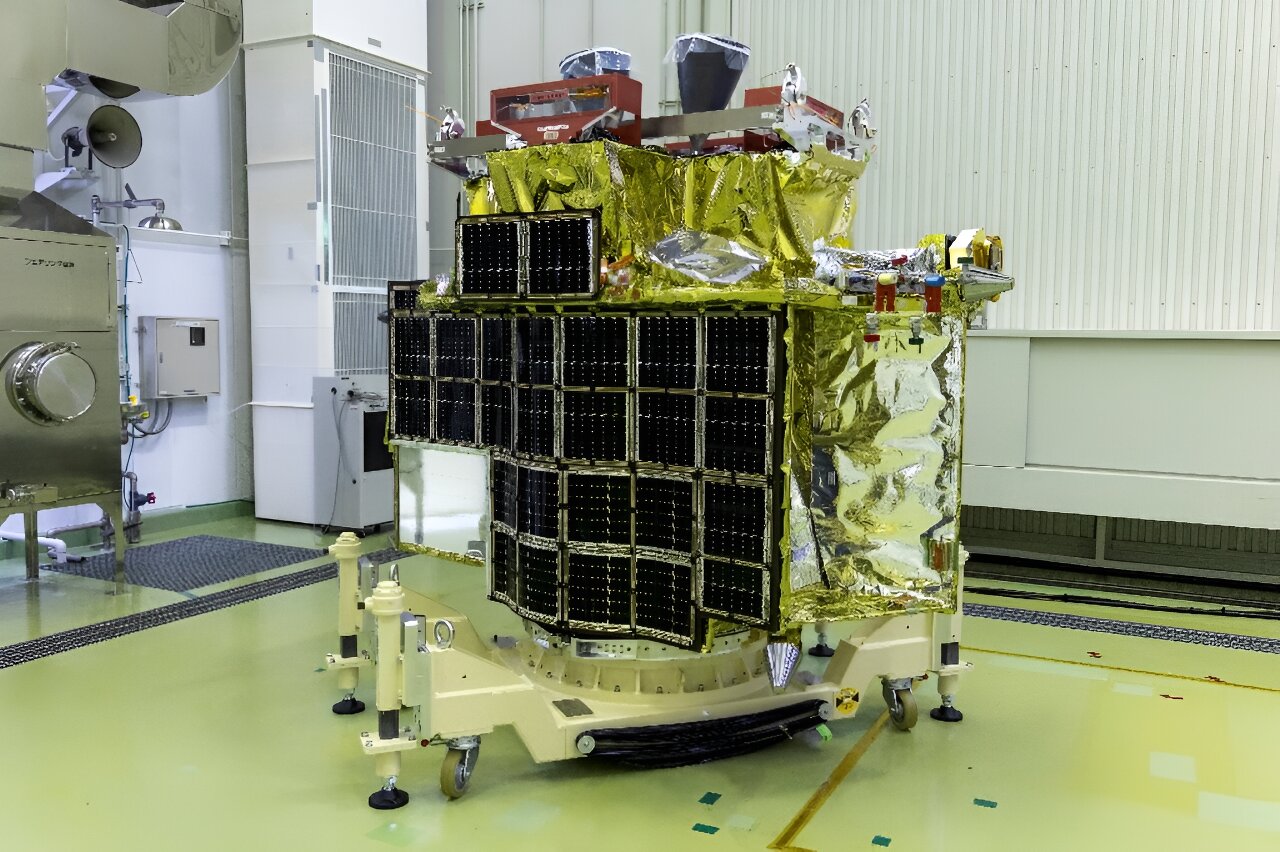
Japan's SLIM space probe entered the moon's orbit on Monday in a major step towards the country's first successful lunar landing, expected next month.

NASA asteroid sampling mission renamed OSIRIS-APEX for new journey

The former OSIRIS-REx spacecraft sets off on a journey to study asteroid Apophis and take advantage of the asteroid's 2029 flyby of Earth, the likes of which hasn't happened since the dawn of recorded history.

Why the universe might be a hologram

A quarter century ago, physicist Juan Maldacena proposed the AdS/CFT correspondence, an intriguing holographic connection between gravity in a three-dimensional universe and quantum physics on the universe's two-dimensional boundary. This correspondence is at this stage, even a quarter century after Maldacena's discovery, just a conjecture.

Ancient stars could make elements with atomic masses greater than 260

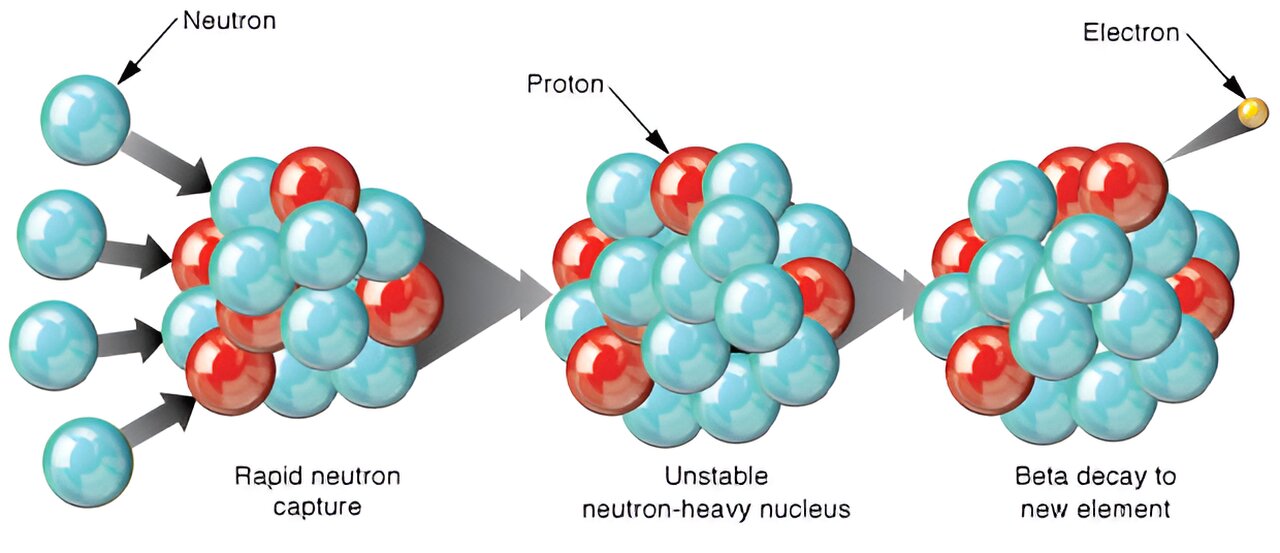
The first stars of the universe were monstrous beasts. Comprised only of hydrogen and helium, they could be 300 times more massive than the sun. Within them, the first of the heavier elements were formed, then cast off into the cosmos at the end of their short lives. They were the seeds of all the stars and planets we see today. A new study published in Science suggests these ancient progenitors created more than just the natural elements.

Hubble sights a galaxy with 'forbidden' light

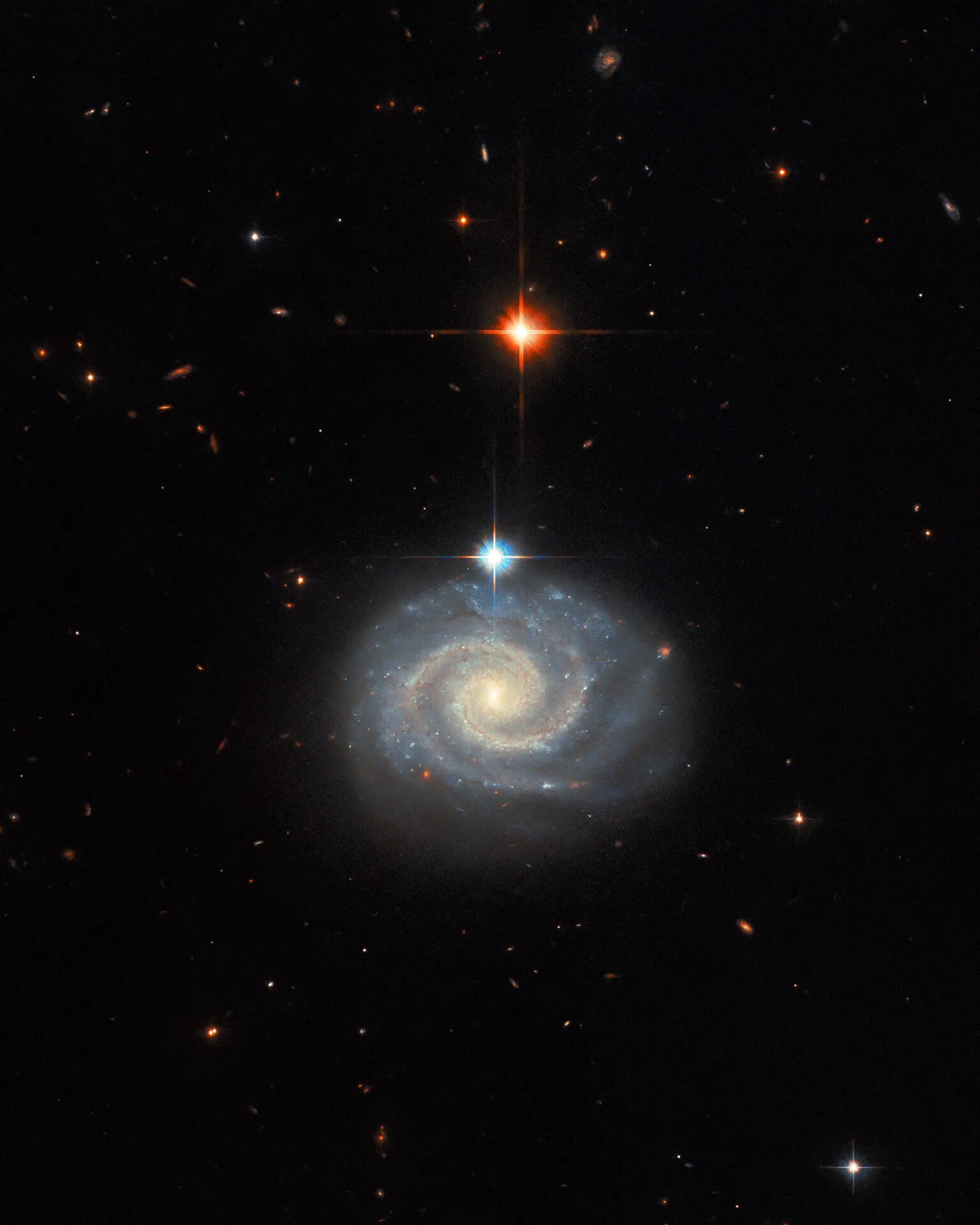
This whirling image features a bright spiral galaxy known as MCG-01-24-014, which is located about 275 million light-years from Earth. In addition to being a well-defined spiral galaxy, MCG-01-24-014 has an extremely energetic core known as an active galactic nucleus (AGN) and is categorized as a Type-2 Seyfert galaxy.

Monday, December 11, 2023

Webb stuns with new high-definition look at exploded star

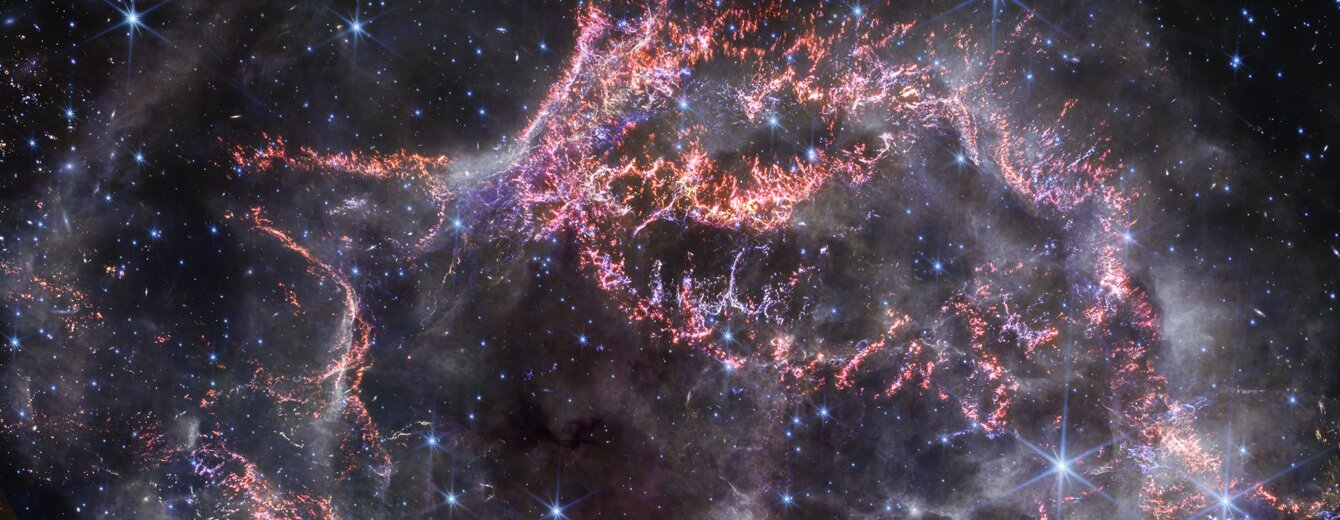
Objects in space reveal different aspects of their composition and behavior at different wavelengths of light. Supernova remnant Cassiopeia A (Cas A) is one of the most well-studied objects in the Milky Way across the wavelength spectrum. However, there are still secrets hidden within the star's tattered remains.

NASA laser reflecting instruments to help pinpoint Earth measurements

The best known use of GPS satellites is to help people know their location whether driving a car, navigating a ship or plane, or trekking across remote territory. Another important, but lesser-known, use is to distribute information to other Earth-viewing satellites to help them pinpoint measurements of our planet.

Ryugu samples illuminate terrestrial weathering effects on primitive meteorites

A study conducted by a team of international scientists has unveiled unprecedented insights into the nature of the asteroid Ryugu and shed light on the composition of water- and carbon-rich small bodies in the solar system. The findings are published in the journal Science Advances.

TCP J1822 is a symbiotic star, observations find

Using the Himalayan Chandra Telescope (HCT), Indian astronomers have conducted spectroscopic observations of a star discovered in 2021, known as TCP J1822. Results of the observational campaign indicate that TCP J1822 is a symbiotic star. The finding was published in the December issue of the Monthly Notices of the Royal Astronomical Society.

Saturday, December 9, 2023

The longstanding mystery of Mars' moons—and the mission that could solve it

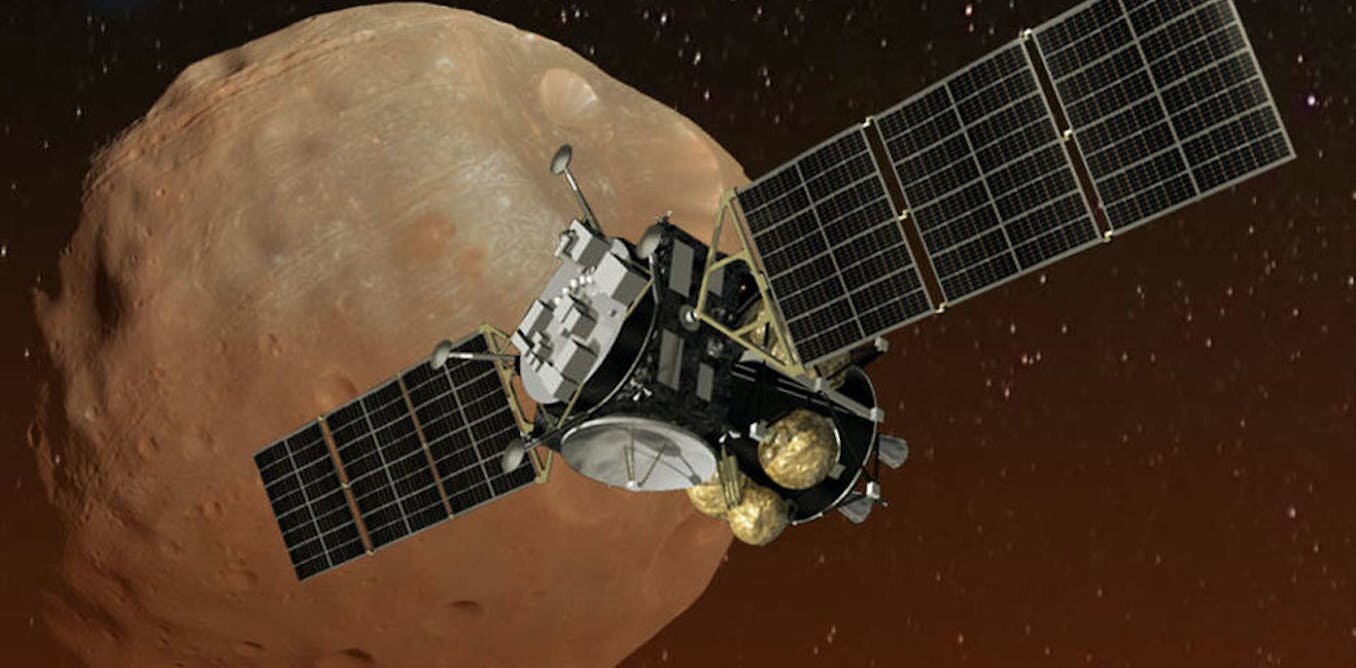
The two small moons of Mars, Phobos (about 22km in diameter) and Deimos (about 13km in diameter), have been puzzling scientists for decades, with their origin remaining a matter of debate. Some have proposed that they may be made up of residual debris produced from a planet or large asteroid smashing into the surface of Mars (#TeamImpact).

Friday, December 8, 2023

Image: Hubble captures a cluster in the Large Magellanic Cloud

This striking Hubble Space Telescope image shows the densely packed globular cluster known as NGC 2210, which is situated in the Large Magellanic Cloud (LMC). The LMC lies about 157,000 light-years from Earth and is a so-called satellite galaxy of the Milky Way, meaning that the two galaxies are gravitationally bound. Globular clusters are very stable, tightly bound clusters of thousands or even millions of stars. Their stability means that they can last a long time, and therefore globular clusters are often studied to investigate potentially very old stellar populations.

Asteroid will pass in front of bright star Betelgeuse to produce a rare eclipse visible to millions

One of the biggest and brightest stars in the night sky will momentarily vanish as an asteroid passes in front of it to produce a one-of-a-kind eclipse.

Thursday, December 7, 2023

China scores a big win in race with US for influence on the moon

China notched a diplomatic victory in its race against the U.S. for influence in space, with Egypt agreeing to support Beijing's plan for a proposed project on the moon.

Measuring the distances to galaxies with space telescopes

One of the James Webb Space Telescope's science goals is to understand how galaxies in the early universe formed and evolved into much larger galaxies like our own Milky Way. This goal requires that we identify samples of galaxies at different moments in the universe's history to explore how their properties evolve with time.

PACE testing and preparation continues for launch in early 2024

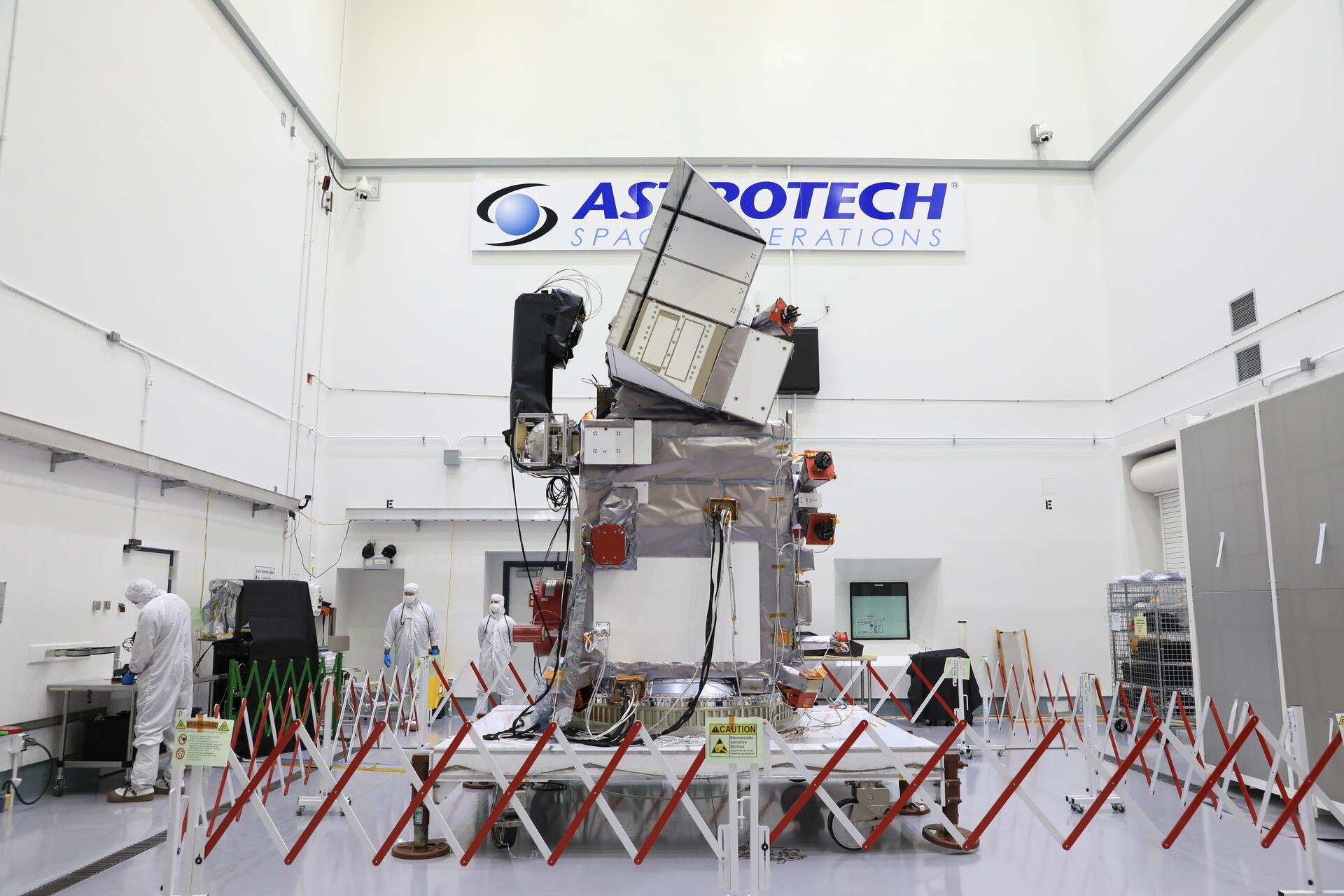
Engineers are executing a comprehensive performance test to ensure the PACE spacecraft is ready for launch. NASA's Plankton, Aerosol, Cloud ocean Ecosystem (PACE) mission will study what makes Earth so different from every other planet we study: life itself.

Four eruptive young stellar objects discovered

By analyzing the data from the SPICY catalog and from NASA's WISE spacecraft, an international team of astronomers has discovered four new eruptive young stellar objects (YSOs). The finding was presented in a research paper published in the December issue of the Journal of the Korean Astronomical Society (JKAS).

To the moo-n: Cow dung fuels Japan's space ambitions

Japan's space industry opened potentially an udder-ly new chapter on Thursday with a start-up testing a prototype rocket engine that runs on fuel derived purely from a plentiful local source: cow dung.

Wednesday, December 6, 2023

Digging deeper to find life on ocean worlds

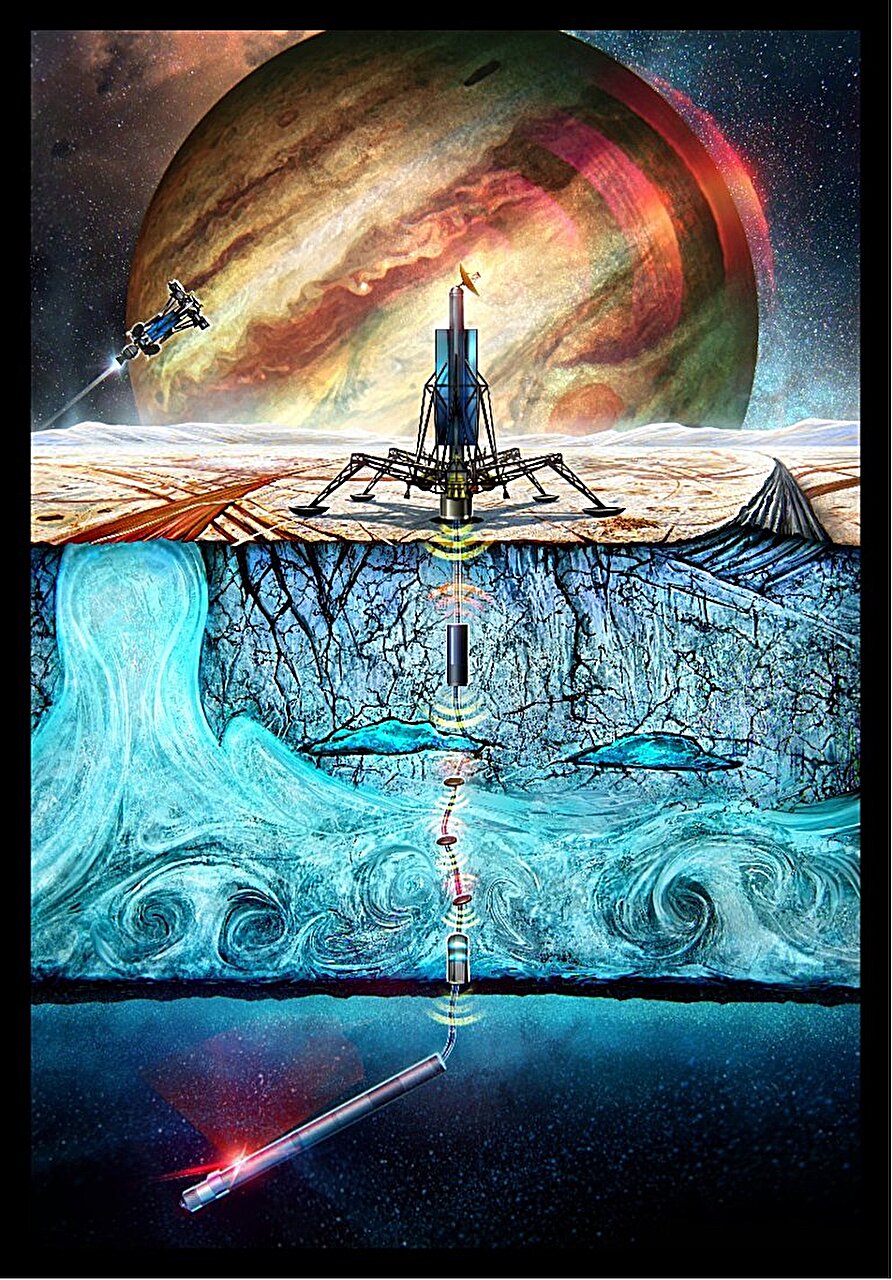
In February 2023, researchers from around the country gathered at a NASA-sponsored workshop to discuss the latest developments and a roadmap for a cryobot mission concept to drill through the icy crusts of Europa and Enceladus and search for life.

NASA's Psyche delivers first images and other data

NASA's Psyche spacecraft is on a roll. In the eight weeks since it left Earth on Oct. 13, the orbiter has performed one successful operation after another, powering on scientific instruments, streaming data toward home, and setting a deep-space record with its electric thrusters. The latest achievement: On Monday, Dec. 4, the mission turned on Psyche's twin cameras and retrieved the first images—a milestone called "first light."

NASA finds likely cause of OSIRIS-REx parachute deployment sequence

NASA's OSIRIS-REx sample return capsule landed under parachute in the Utah desert on Sept. 24, 2023, and safely delivered a cannister of rocks and dust collected from near-Earth asteroid Bennu. Although the delivery was successful, the landing sequence did not go entirely according to plan, with a small parachute called a drogue not deploying as expected.

Iran says it sent a capsule with animals into orbit as it prepares for human missions

Iran said Wednesday it sent a capsule into orbit carrying animals as it prepares for human missions in coming years.

Astronomers provide first detailed picture of ice in planet-forming disk

A Dutch-led international team of astronomers has made the first two-dimensional inventory of ice in a planet-forming disk of dust and gas surrounding a young star. They used the James Webb Space Telescope and have published their findings in the journal Astronomy & Astrophysics.

Tuesday, December 5, 2023

NASA's interstellar mapping probe prepares for a 2025 launch

Engineers at NASA have completed an important milestone in developing the Interstellar Mapping and Acceleration Probe (IMAP) spacecraft. It's now moving from development and design to the assembly, testing, and integration phase, targeting a launch in late Spring 2025. After launch, the spacecraft will fly to the Earth-sun L1 Lagrange Point and analyze how the sun's solar wind interacts with charged particles originating from outside the solar system.

SETI: How we're searching for alien life at previously unexplored frequencies

Is there life beyond Earth? The question has turned out to be one of the hardest to answer in science. Despite the seemingly boundless expanse of the universe, which implies there's potential for abundant life, the vast distances between stars render the search akin to locating a needle in a cosmic haystack.

Was going to space a good idea?

In 1963, six years after the first satellite was launched, editors from the Encyclopedia Britannica posed a question to five eminent thinkers of the day: "Has man's conquest of space increased or diminished his stature?" The respondents were philosopher Hannah Arendt, writer Aldous Huxley, theologian Paul Tillich, nuclear scientist Harrison Brown and historian Herbert J. Muller.

Tracking undetectable space junk

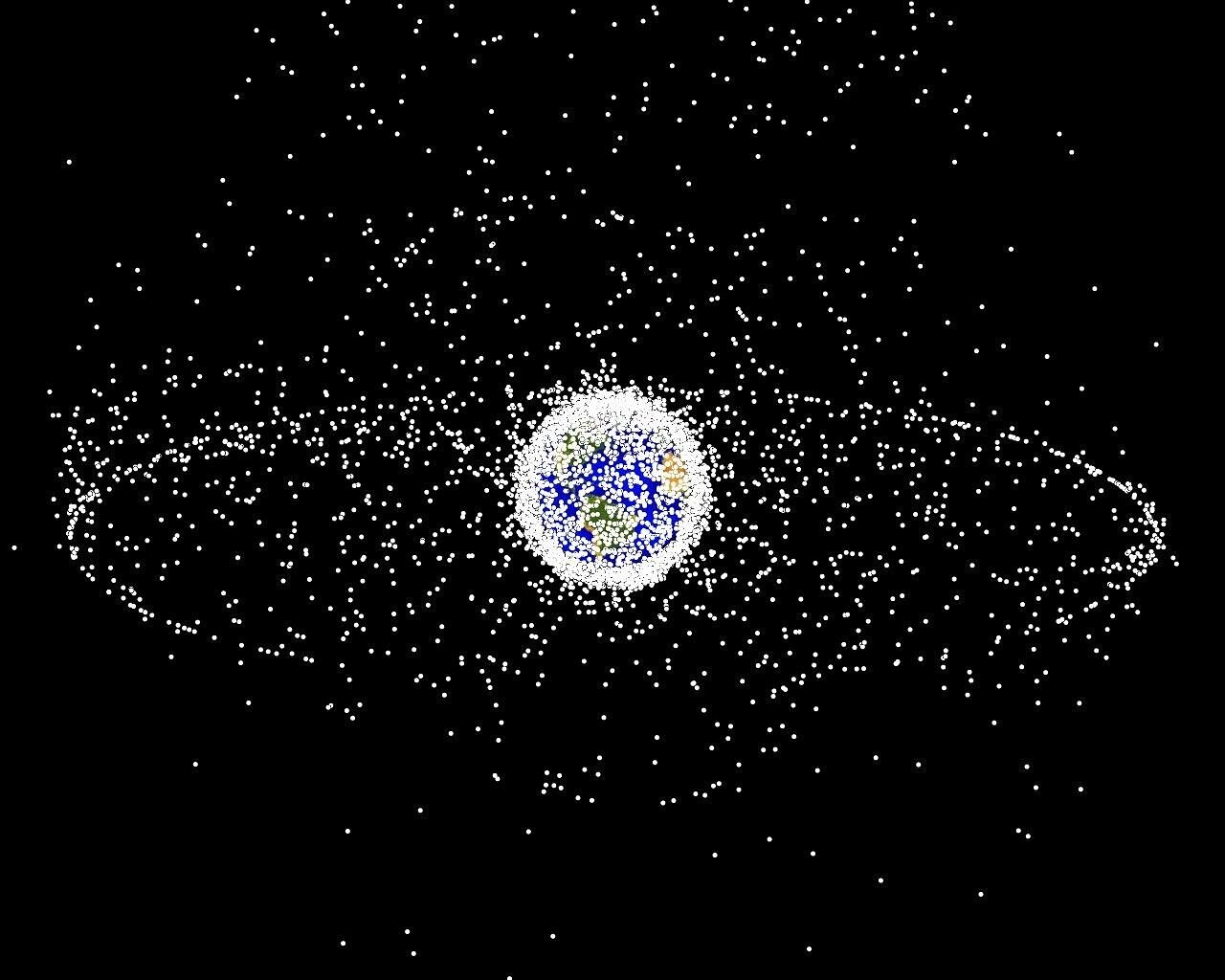
Satellite and spacecraft operators may finally be able to detect small pieces of debris orbiting Earth using an approach proposed by researchers from the University of Michigan.

Lift-off for EIRSAT-1, Ireland's first ever satellite

Six years of hard work and dedication paid off in spectacular fashion on Dec. 1 as the Educational Irish Research Satellite, EIRSAT-1, successfully blasted off from Vandenberg Space Force Base, California. Hitching a ride on a Space-X Falcon-9 launcher, the tiny satellite—measuring just 10.7cm x 10.7cm x 22.7cm—has now made history as Ireland's first satellite.

Monday, December 4, 2023

Mapping Mars: Deep learning could help identify Jezero Crater landing site

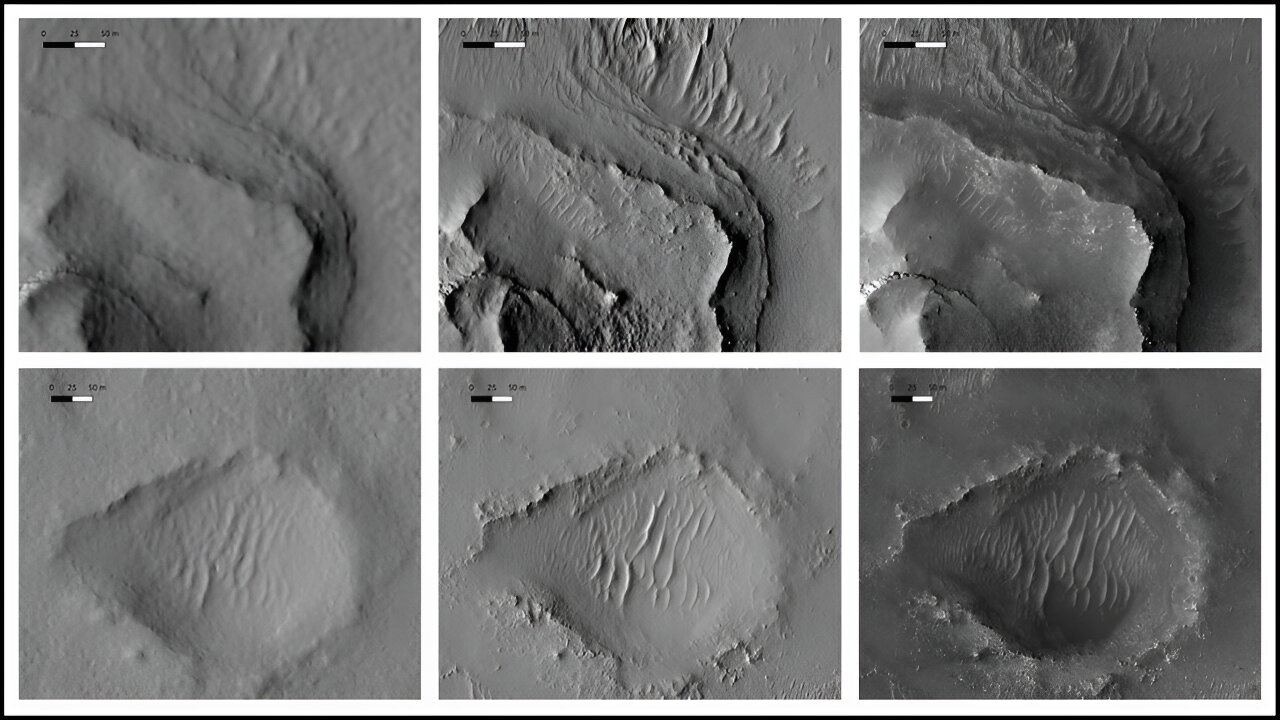
Preparations for a safe landing on Earth, such as finding the most even terrain and equipping the appropriate landing gear, are also crucial for Mars missions.

A 10-billion-year, 50,000-light-year journey to a black hole

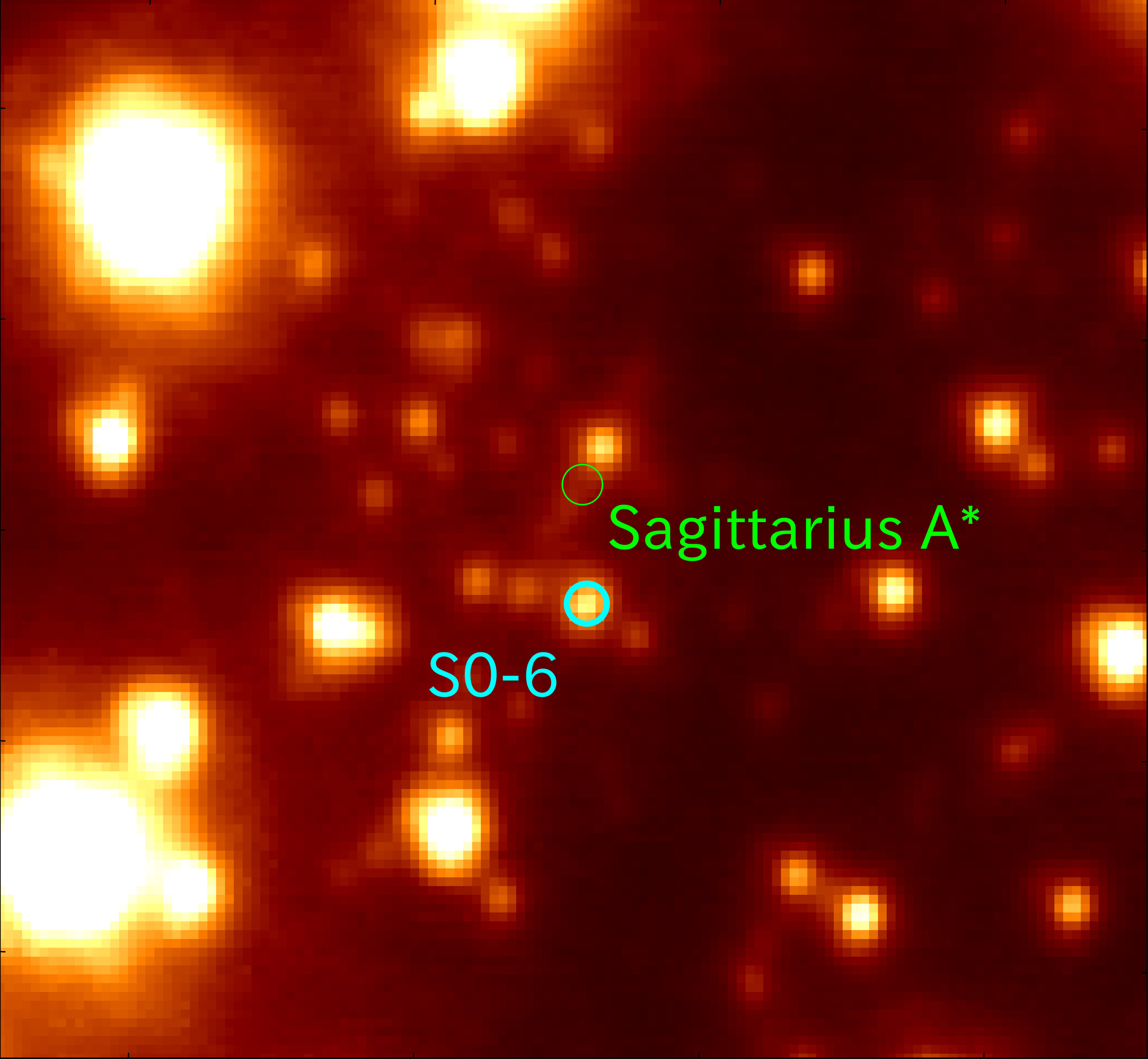
A star near the supermassive black hole at the center of the Milky Way galaxy originated outside the galaxy according to a new study published in Proceedings of the Japan Academy, Series B. This is the first time a star of extragalactic origin has been found in the vicinity of the supermassive black hole.

Does Betelgeuse even rotate? Maybe not

Betelgeuse is the well known red giant star in the corner of Orion the hunter. The name translated in some languages means "armpit of the giant," which, I think of all the star names, is simply the best! Betelgeuse has been fascinating observers of late not only because it unexpectedly faded a few years ago but more recently a study shows it's super fast rotational speed which is, when compared to other supergiants, is like nothing seen before.

Dark galactic region nicknamed 'The Brick' explained with Webb findings

In a study led by University of Florida astronomer Adam Ginsburg, groundbreaking findings shed light on a mysterious dark region at the center of the Milky Way. The turbulent gas cloud, playfully nicknamed "The Brick" due to its opacity, has sparked lively debates within the scientific community for years.
New young and highly scattered pulsar discovered with ASKAP

Using the Australian Square Kilometer Array Pathfinder (ASKAP), astronomers have discovered a new pulsar, which has received the designation PSR J1032−5804. The newfound pulsar turned out to be relatively young and highly scattered. The finding was reported in a paper published Nov. 25 on the pre-print server arXiv.

Sunday, December 3, 2023

A six-planet solar system in perfect synchrony has been found in the Milky Way

Astronomers have discovered a rare in-sync solar system with six planets moving like a grand cosmic orchestra, untouched by outside forces since their birth billions of years ago.

Saturday, December 2, 2023

A new possible explanation for the Hubble tension

The universe is expanding. How fast it does so is described by the so-called Hubble-Lemaitre constant. But there is a dispute about how big this constant actually is: Different measurement methods provide contradictory values.

Friday, December 1, 2023

Ghostlike dusty galaxy reappears in James Webb Space Telescope image

It first appeared as a glowing blob from ground-based telescopes and then vanished completely in images from the Hubble Space Telescope. Now, the ghostly object has reappeared as a faint, yet distinct galaxy in an image from the James Webb Space Telescope (JWST).

Vera Rubin telescope will generate a mind-boggling amount of data, say astronomers

When the Vera C. Rubin Observatory comes online in 2025, it will be one of the most powerful tools available to astronomers, capturing huge portions of the sky every night with its 8.4-meter mirror and 3.2-gigapixel camera. Each image will be analyzed within 60 seconds, alerting astronomers to transient events like supernovae. An incredible 5 petabytes (5,000 terabytes) of new raw images will be recorded each year and made available for astronomers to study.

Europe is working on a multi-purpose habitat for the moon

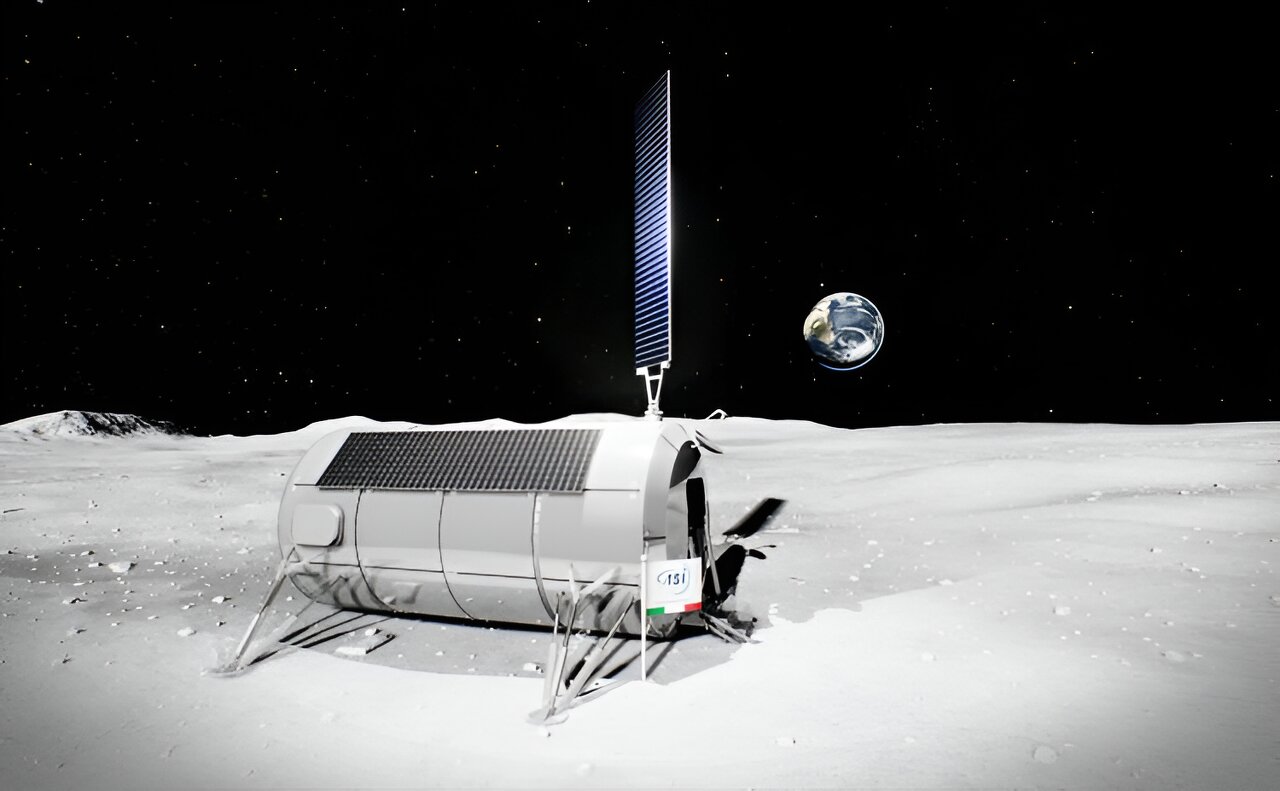
With NASA gearing up to send humans back to the moon in the next few years with the Artemis missions with the goal of establishing a permanent outpost at the lunar south pole, nations are making efforts to contribute to Artemis and a permanent presence on our nearest celestial neighbor.