This is default featured slide 1 title

Go to Blogger edit html and find these sentences.Now replace these sentences with your own descriptions.

This is default featured slide 2 title

Go to Blogger edit html and find these sentences.Now replace these sentences with your own descriptions.

This is default featured slide 3 title

Go to Blogger edit html and find these sentences.Now replace these sentences with your own descriptions.

This is default featured slide 4 title

Go to Blogger edit html and find these sentences.Now replace these sentences with your own descriptions.

This is default featured slide 5 title

Go to Blogger edit html and find these sentences.Now replace these sentences with your own descriptions.

Wednesday, January 31, 2024

First eROSITA sky-survey data release makes public the largest ever catalog of high-energy cosmic sources

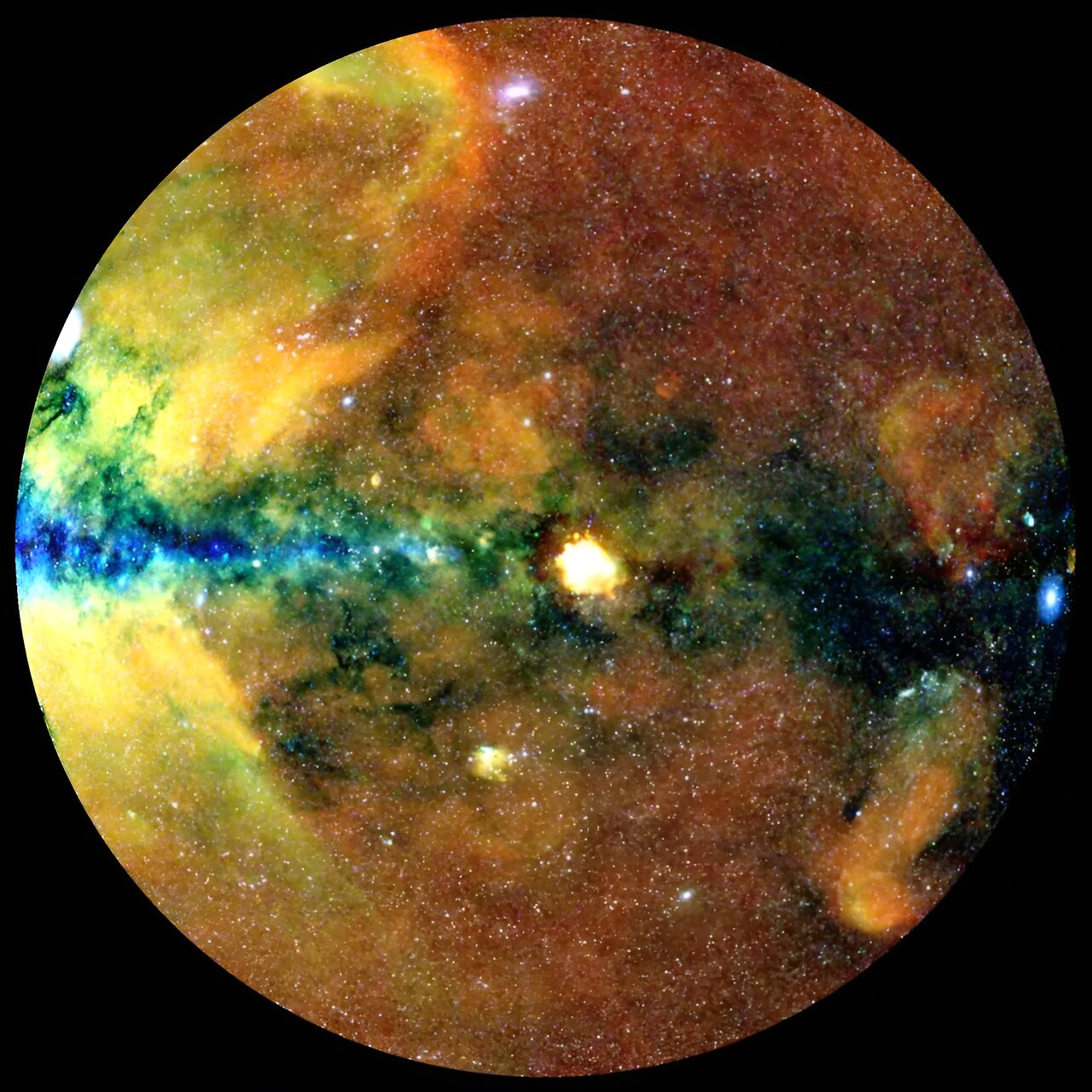
The German eROSITA consortium has released the data for its share of the first all-sky survey by the soft X-ray imaging telescope flying aboard the Spectrum-RG (SRG) satellite. With about 900,000 distinct sources, the first eROSITA All-Sky Survey (eRASS1) has yielded the largest X-ray catalog ever published. The work is published in the journal Astronomy & Astrophysics.

NASA puts next-gen exoplanet-imaging technology to the test

A cutting-edge tool to view planets outside our solar system has passed two key tests ahead of its launch as part of the agency's Roman Space Telescope by 2027.

Bright galaxies put dark matter to the test

For the past year and a half, the James Webb Space Telescope has delivered astonishing images of distant galaxies formed not long after the Big Bang, giving scientists their first glimpses of the infant universe. Now, a group of astrophysicists has upped the ante: Find the tiniest, brightest galaxies near the beginning of time itself, or scientists will have to totally rethink their theories about dark matter.

Researchers investigate the nature of a recently discovered very-high-energy source

Using XMM-Newton, Chandra and NuSTAR space telescopes, an international team of astronomers has explored the nature of a recently-detected very-high-energy source designated 2FHL J1745.1–3035. Results of the study, published Jan. 24 on the pre-print server arXiv, suggested that the source may be a pulsar wind nebula.

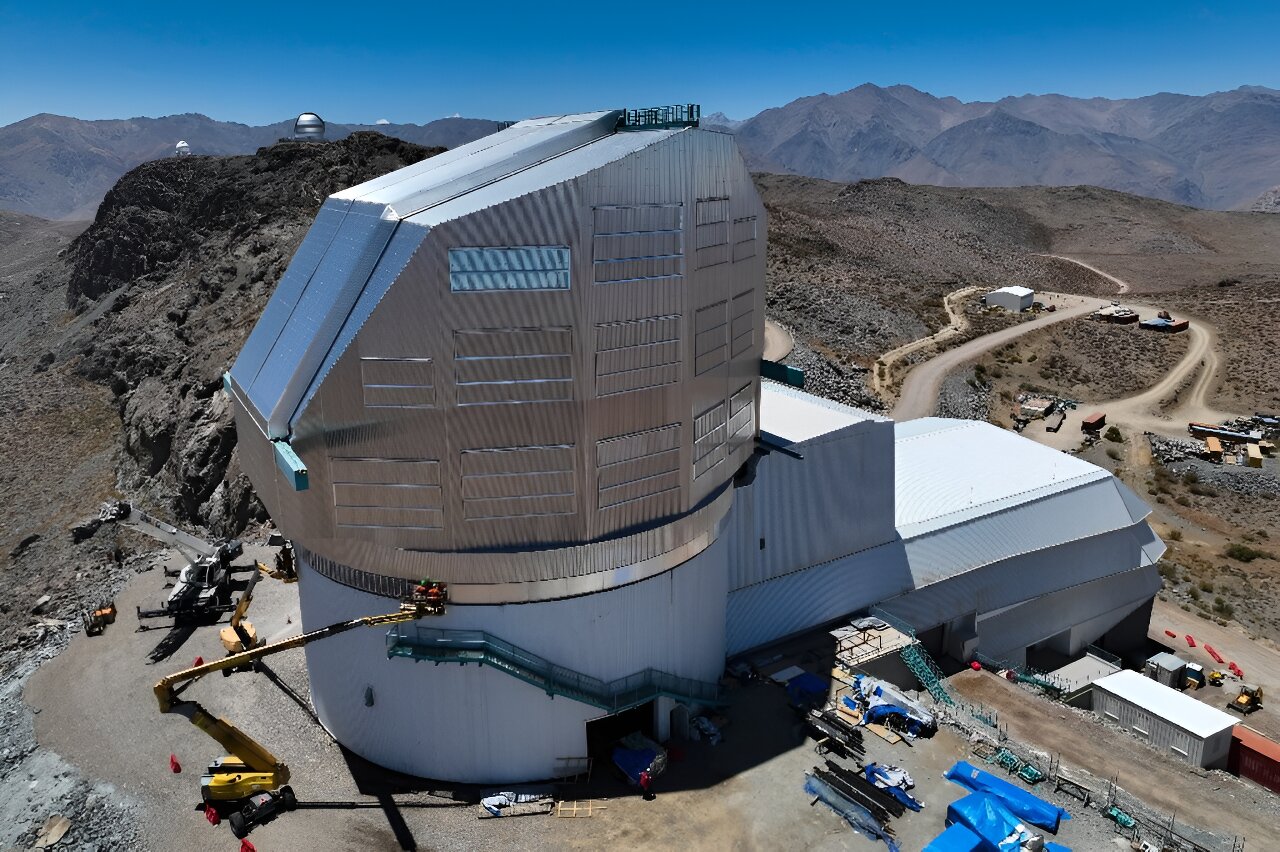
Astronomers in Chile to scour universe with car-sized mega camera

Surrounded by the desert mountains and clear blue sky of northern Chile, astronomers from the Vera C. Rubin Observatory hope to revolutionize the study of the universe by affixing the world's largest-ever digital camera to a telescope.

Tuesday, January 30, 2024

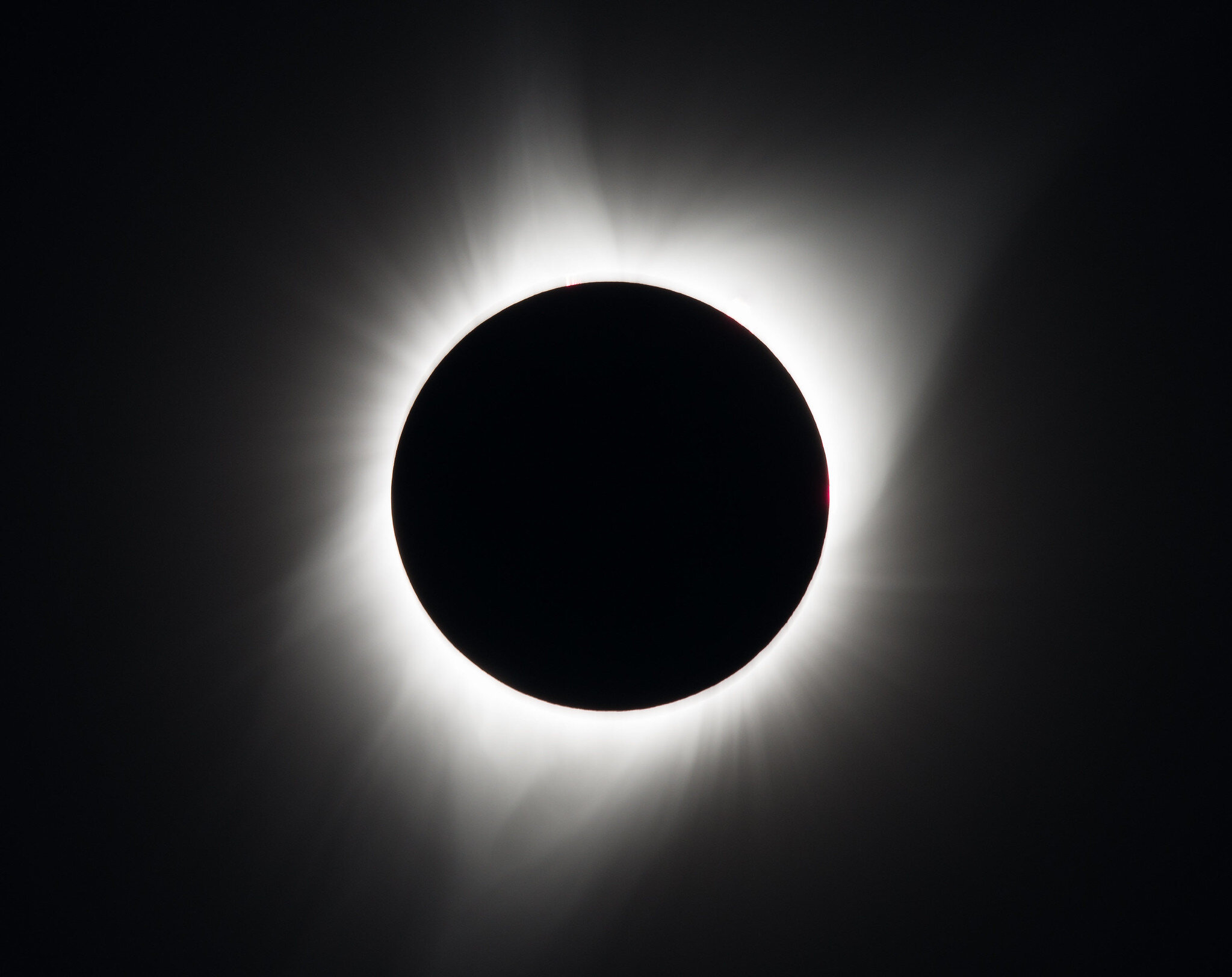
How the 2024 total solar eclipse is different than the 2017 eclipse

On April 8, the moon's shadow will sweep across the United States, as millions will view a total solar eclipse. For many, preparing for this event brings memories of the magnificent total solar eclipse on Aug. 21, 2017.

Decay of sunspot pair elucidates properties of nearby moving magnetic features

Scientists studying sunspots have found important clues about magnetic features in their decay that will help understand the evolution and real origin of these mysterious magnetic phenomena. The findings are published in The Astrophysical Journal.

Mars helicopter Ingenuity has ended its mission, paving the way for more flying vehicles on other planets, moons

It is difficult to emphasize the significance of the milestone surpassed by Nasa's Mars helicopter, Ingenuity.

New Wolf in the pack: Astronomers discover an ultra-short-period super-Earth

Using NASA's Transiting Exoplanet Survey Satellite (TESS), an international team of astronomers has discovered a new ultra-short-period exoplanet. The newfound alien world, designated Wolf 327 b, is slightly larger and about 2.5 times more massive than the Earth. The finding was reported in a paper published January 22 on the pre-print server arXiv.

Exploring the galactic habitable zone

Our planet sits in the habitable zone of our sun, the special place where water can be liquid on the surface of a world. But that's not the only thing special about us: we also sit in the galactic habitable zone, the region within the Milky Way where the rate of star formation is just right.

Monday, January 29, 2024

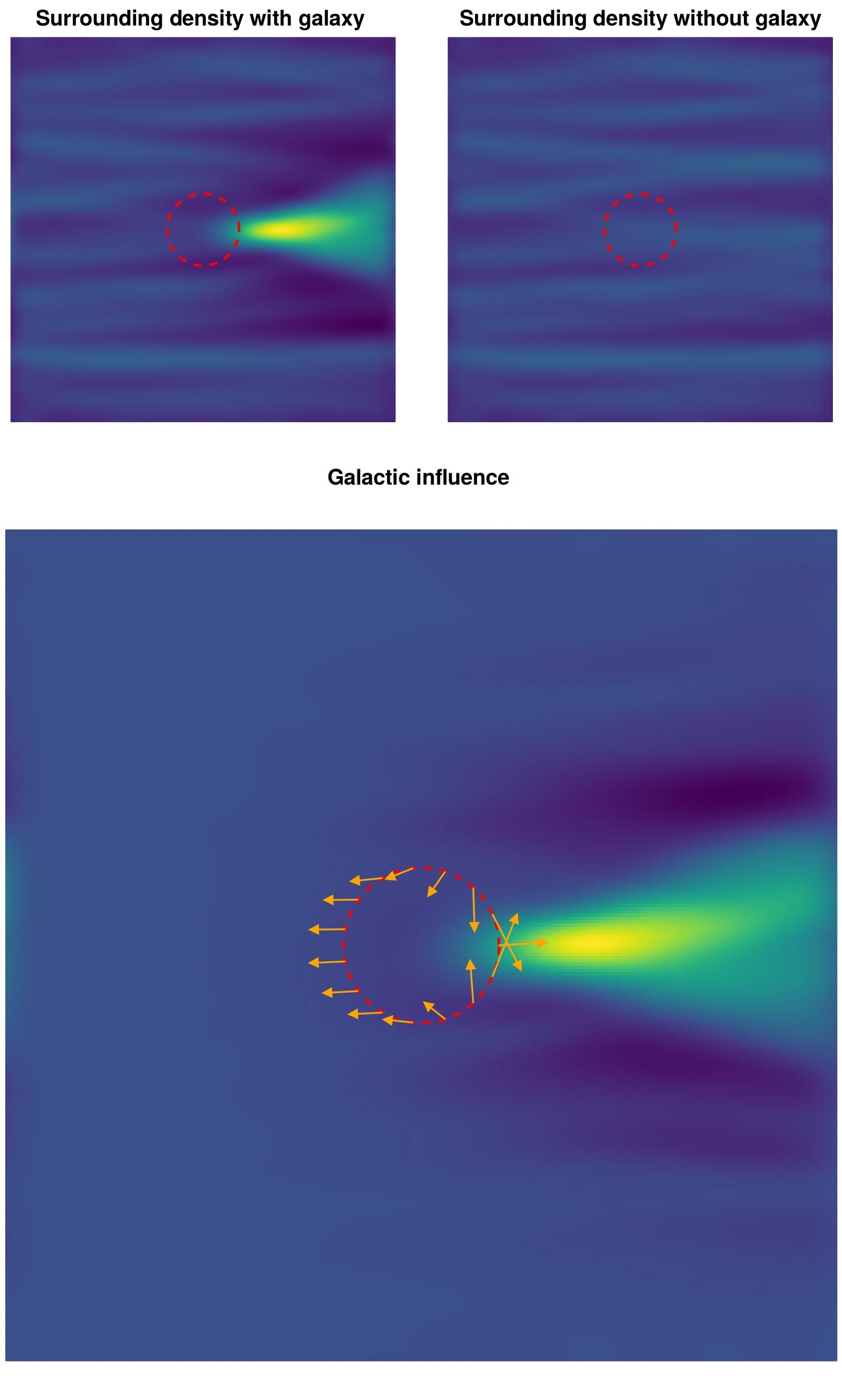
Lopsided galaxies shed light on the speed of dark matter

In new research published in Astronomy & Astrophysics, researchers have figured out how to precisely calculate the forces that affect galaxies in tidal cycles. The next stage is to find galaxies sufficiently lopsided in the universe to study the velocity of dark matter relative to the galaxies.

Russian astronomers discover dozens of new pulsars

A team of Russian astronomers from the Pushchino Radio Astronomy Observatory (PRAO) and elsewhere, reports the detection of 39 new pulsars as part of the Pushchino Multibeams Pulsar Search (PUMPS) project. The finding was detailed in a research paper published January 9 in the Monthly Notices of the Royal Astronomical Society.

Cosmic building blocks of life discovered through the electron microscope

A team of researchers has examined the Winchcombe meteorite and demonstrated the existence in it of nitrogen compounds such as amino acids and heterocyclic hydrocarbons—without applying any chemical treatment and by using a new type of detector design.

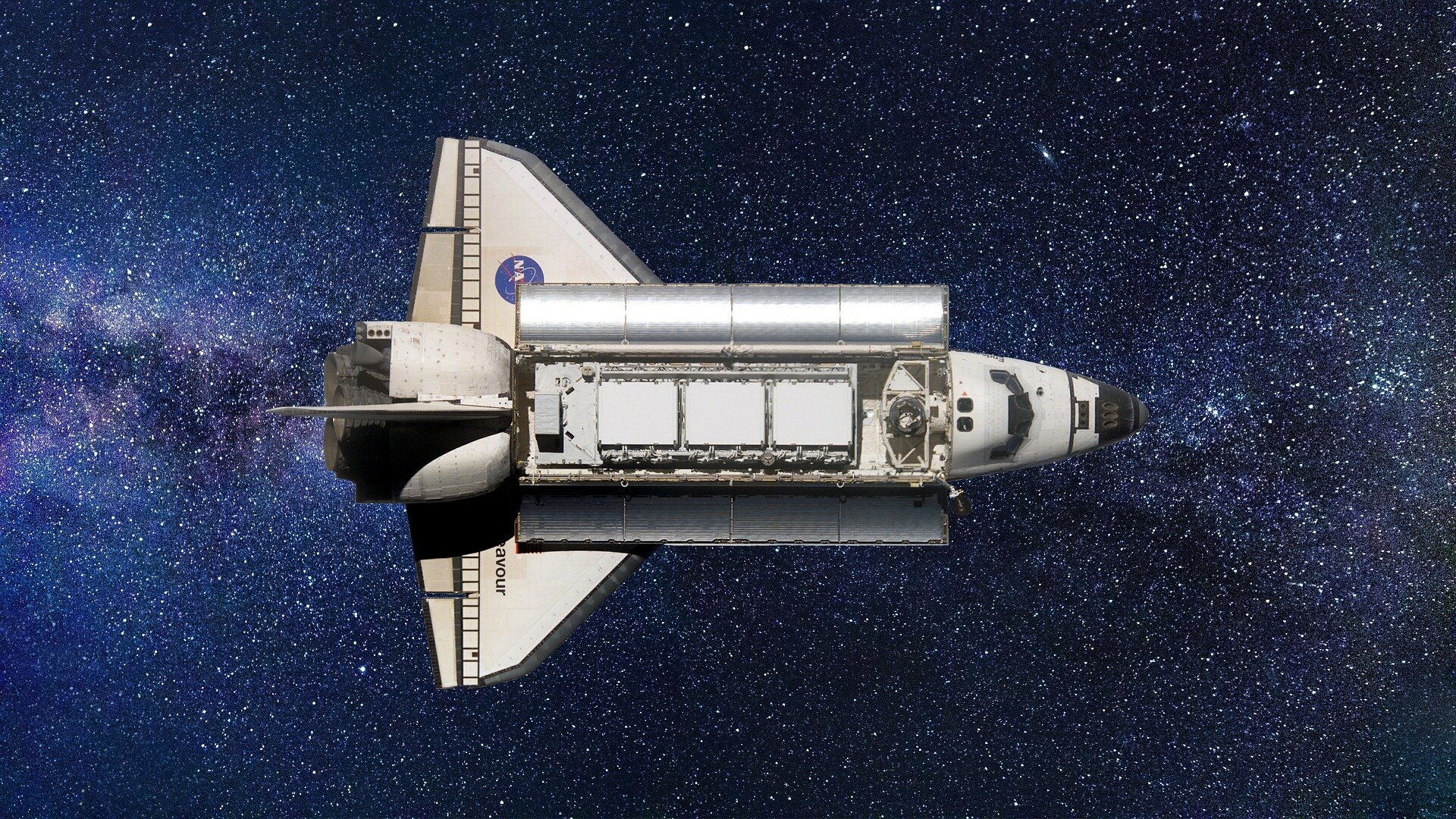
Space shuttle Endeavour soaring into place at final museum home

Barring weather delays, the space shuttle Endeavour will undergo its final, historic lift starting Monday night, a maneuver no other retired orbiter has undergone.

Japan's moon lander comes back to life

Japan's moon lander has come back to life, the space agency said Monday, enabling the craft to proceed with its mission of investigating the lunar surface despite its rocky start.

Sunday, January 28, 2024

NASA helicopter's mission ends after three years on Mars

NASA's Ingenuity Mars helicopter, which made history by achieving the first powered flight on another world, has officially ended its nearly three-year mission after sustaining rotor damage during its last outing, the space agency said Thursday.

Saturday, January 27, 2024

NASA collaborating on European-led gravitational wave observatory in space

The first space-based observatory designed to detect gravitational waves has passed a major review and will proceed to the construction of flight hardware. On Jan. 25, ESA (European Space Agency), announced the formal adoption of LISA, the Laser Interferometer Space Antenna, to its mission lineup, with launch slated for the mid-2030s. ESA leads the mission, with NASA serving as a collaborative partner.

New data, same appearance for M87*

Nearly five years ago, a globe-spanning team of astronomers gave the world its first-ever glimpse of a black hole. Now the team has validated both their original findings and our understanding of black holes with a new image of the supermassive black hole M87*. This supermassive black hole, 6.5 billion times the mass of our sun, resides at the center of the Messier 87 (M87) galaxy in the Virgo galaxy cluster, located 55 million light-years from Earth.

Why Venus died

Venus is only slightly smaller than the Earth, and so has enjoyed billions of years of a warm heart. But for this planet, sometimes called Earth's sister, that heat has betrayed it. That planet is now wrapped in suffocating layers of a poisonous atmosphere made of carbon dioxide and sulfuric acid. The pressures on the surface reach almost 100 times the air pressure at Earth's sea level. The average temperatures are more than 700°F, more than hot enough to melt lead, while the deepest valleys see records of more than 900°.

Hubble views NGC 3384, a galaxy settling into old age

NGC 3384, visible in this image, has many of the characteristic features of so-called elliptical galaxies. Such galaxies glow diffusely, are rounded in shape, display few visible features, and rarely show signs of recent star formation. Instead, they are dominated by old, aging, and red-hued stars.

Wednesday, January 10, 2024

Earth isn't the only planet with seasons, but they can look wildly different on other worlds

Spring, summer, fall and winter—the seasons on Earth change every few months, around the same time every year. It's easy to take this cycle for granted here on Earth, but not every planet has a regular change in seasons. So why does Earth have regular seasons when other planets don't?

New large stellar flare detected from EV Lacertae

Astronomers have performed multiwavelength observations of a nearby M-dwarf star known as EV Lacertae (or EV Lac for short). The observational campaign resulted in the detection of a new large stellar flare from this object. The finding was detailed in a paper published December 31 on the pre-print server arXiv.

Einstein Probe lifts off on a mission to monitor the X-ray sky

The Chinese Academy of Sciences (CAS) spacecraft Einstein Probe lifted off on a Chang Zheng (Long March) 2C rocket from the Xichang Satellite Launch Center in China at 15:03 CST / 07:03 GMT / 08:03 CET on 9 January 2024. With the successful launch, Einstein Probe began its mission to survey the sky and hunt for bursts of X-ray light from mysterious objects such as neutron stars and black holes.

Can alien civilizations detect humanity?

One of the fascinating things about being a human in this age is that we can do more than wonder about other life and other civilizations. We can actually look for them, although there are obvious limitations to our search. But what's equally fascinating is that we can wonder if others can see us.
Tuesday, January 9, 2024

Gliese 367 b is a dark and hot sub-Earth with no atmosphere, study finds

Using the James Webb Space Telescope (JWST), astronomers have investigated a nearby sub-Earth exoplanet known as Gliese 367 b. The obtained results indicate that this alien world is dark, hot and lacks a detectable atmosphere. The new findings were published January 2 on the pre-print server arXiv.

New study suggests some forms of life could exist in Venus's sulfuric acid clouds

A team of chemists and planetary scientists from Worcester Polytechnic Institute, Nanoplanet Consulting and MIT has found evidence that a form of life that uses sulfuric acid as a liquid medium could exist in some of the clouds covering Venus. The team has published their paper on the arXiv preprint server.

China says successfully launched satellite

China successfully launched a satellite into space on Tuesday, state broadcaster CCTV said.

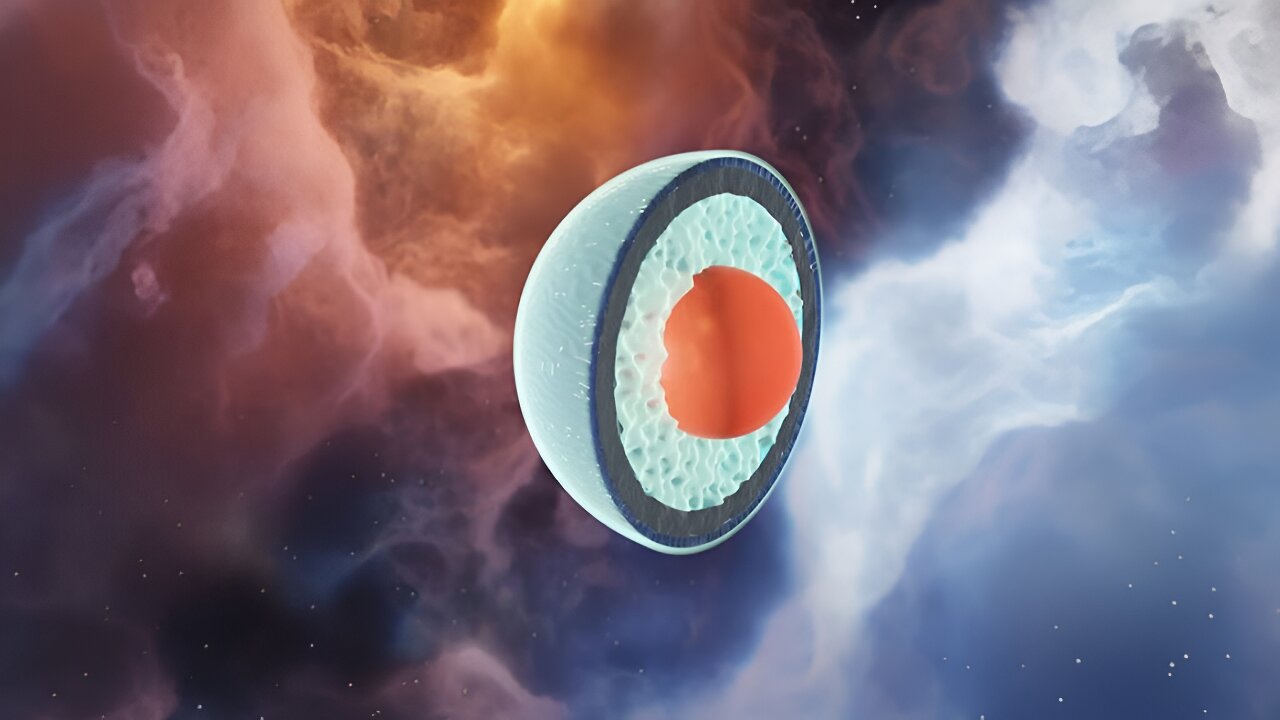
Researchers reveal new findings on diamond rain on ice planets

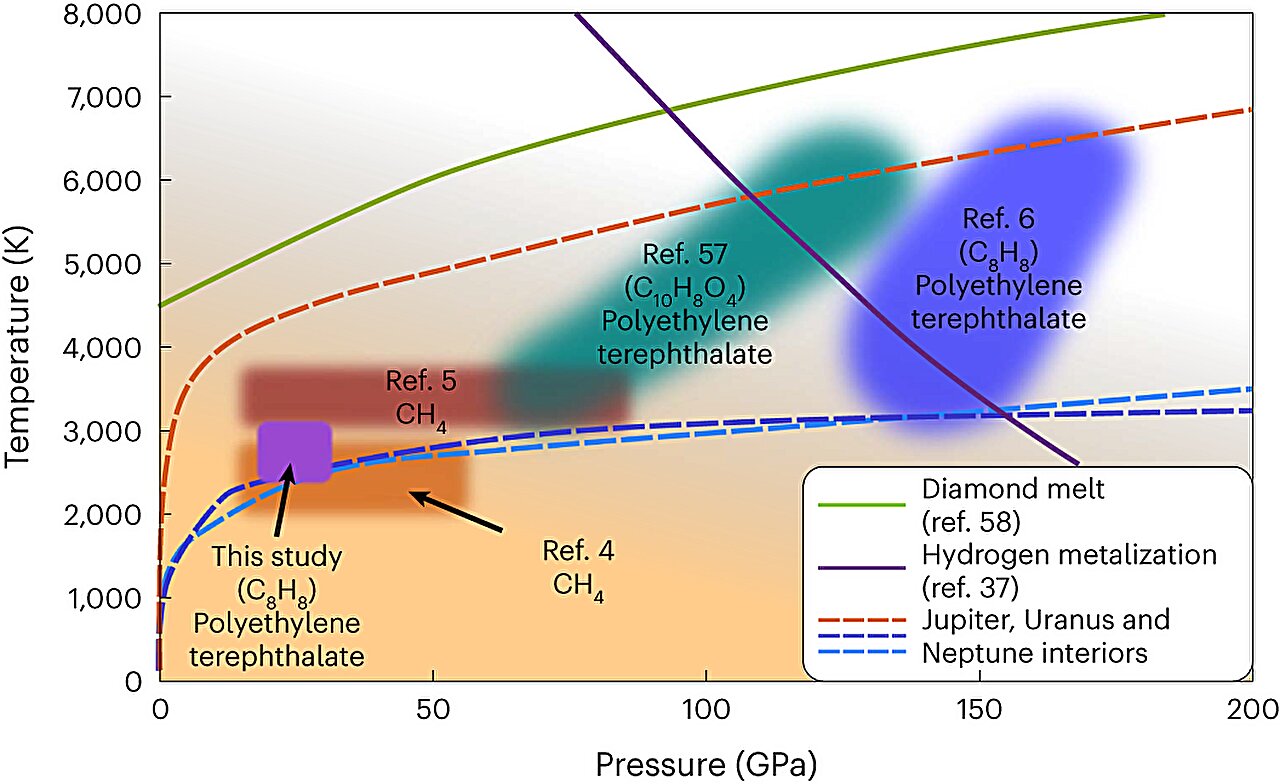
An international team of researchers led by Dr. Mungo Frost from the SLAC research center in California has gained new insights into the formation of diamond rain on icy planets such as Neptune and Uranus, using the X-ray laser European XFEL in Schenefeld. The results also provide clues to the formation of the complex magnetic fields of these planets.

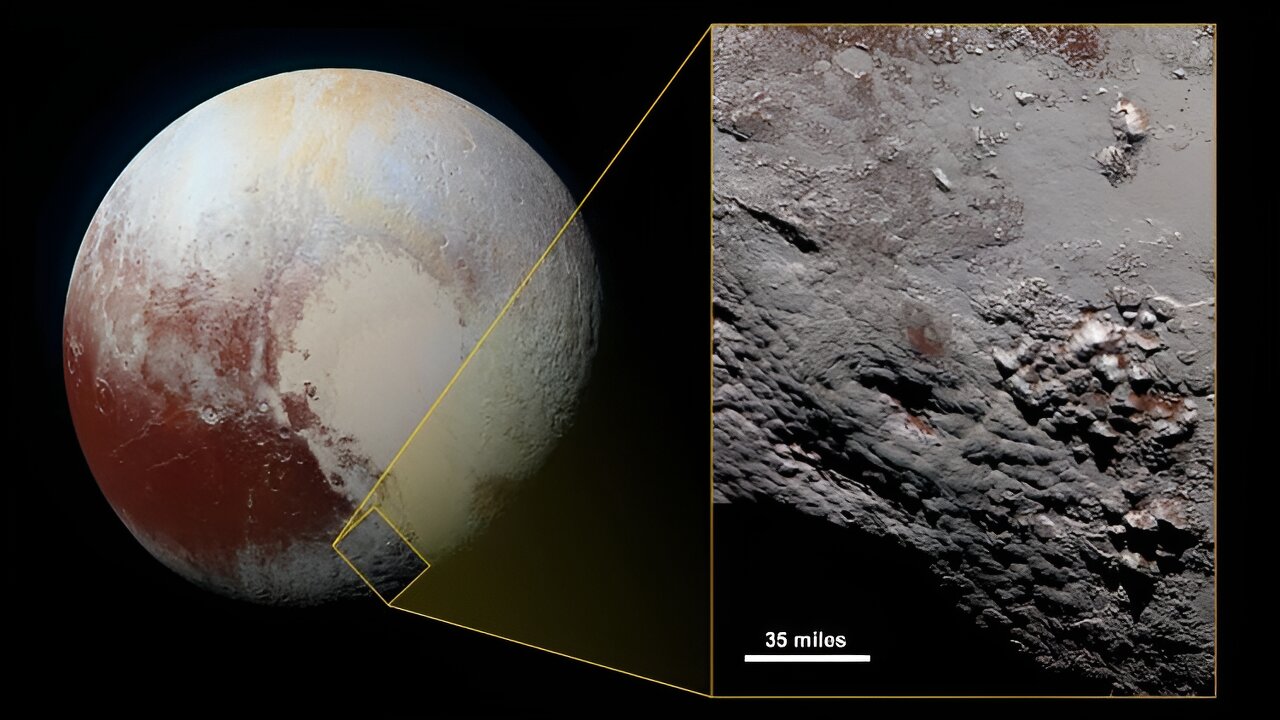
Should we send humans to Pluto?

Universe Today has examined the potential for sending humans to Jupiter's icy moon, Europa, the planet Venus, and Saturn's largest moon, Titan, all despite their respective harsh environments and vast distances. These conversations with planetary science experts determined that humans traveling to these worlds in the foreseeable future could be possible, despite the harsh conditions and travel time, specifically to Titan.

Monday, January 8, 2024

Scientists flip around gravitational-wave data analysis: Have LIGO and Virgo detected a merger of dark-matter stars?

Gravitational waves are ripples in the fabric of spacetime that travel at the speed of light. These are produced in some of the most violent events in the universe, such as black-hole mergers, supernovae, or the Big Bang itself. Since their first detection in 2015, and after three observing runs, the Advanced LIGO and Virgo detectors have detected around 100 such waves.

United Arab Emirates to build NASA Gateway airlock, send astronaut on Artemis mission

NASA has onboarded another integral partner to its lunar plans by striking a deal with the United Arab Emirates to build part of its lunar Gateway space station and send one of the Arab country's astronauts on a future Artemis mission.

Study explores the properties of a faint tidal disruption event

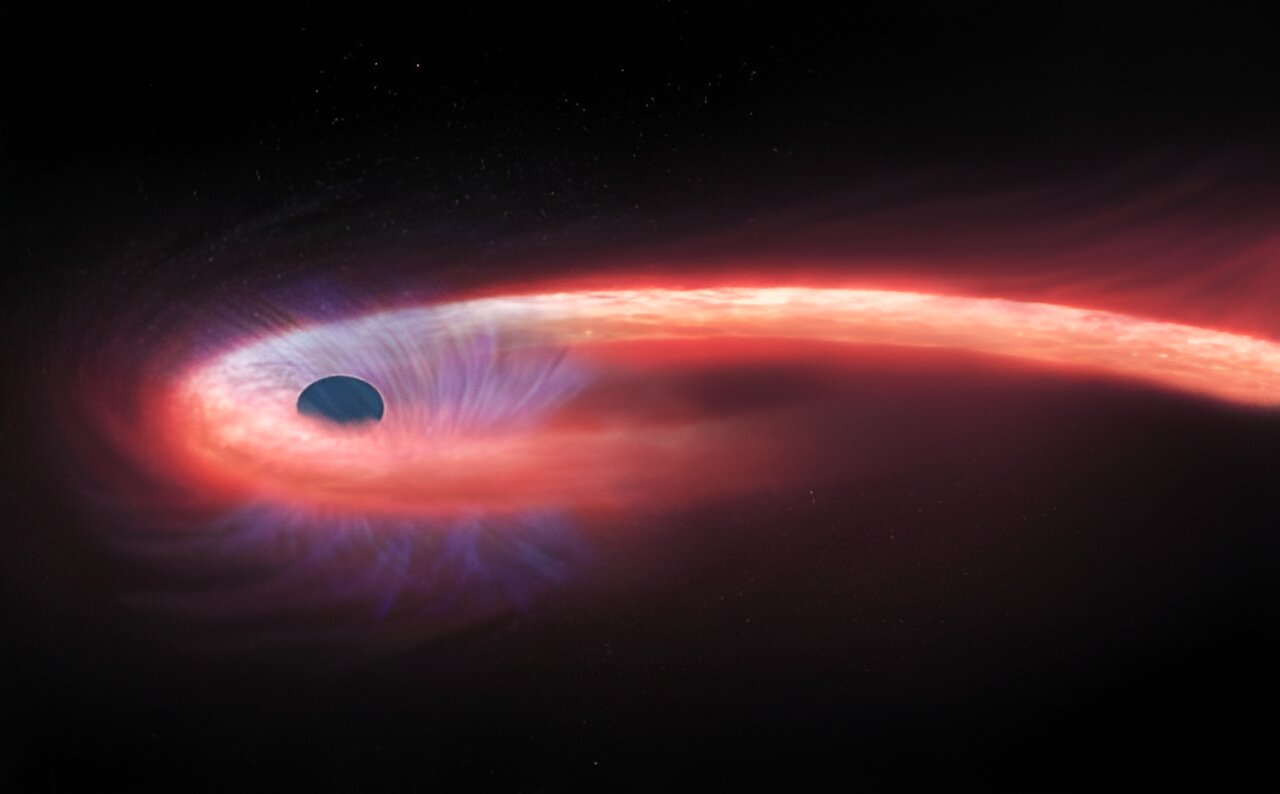
Using a spectral synthesis code designed to simulate conditions in interstellar matter, astronomers have explored a faint tidal disruption event (TDE) designated iPTF16fnl. Results of the study, published Dec. 29 on the pre-print server arXiv, deliver important insights into the properties of this TDE.

First US lunar lander in more than 50 years rockets toward moon with commercial deliveries

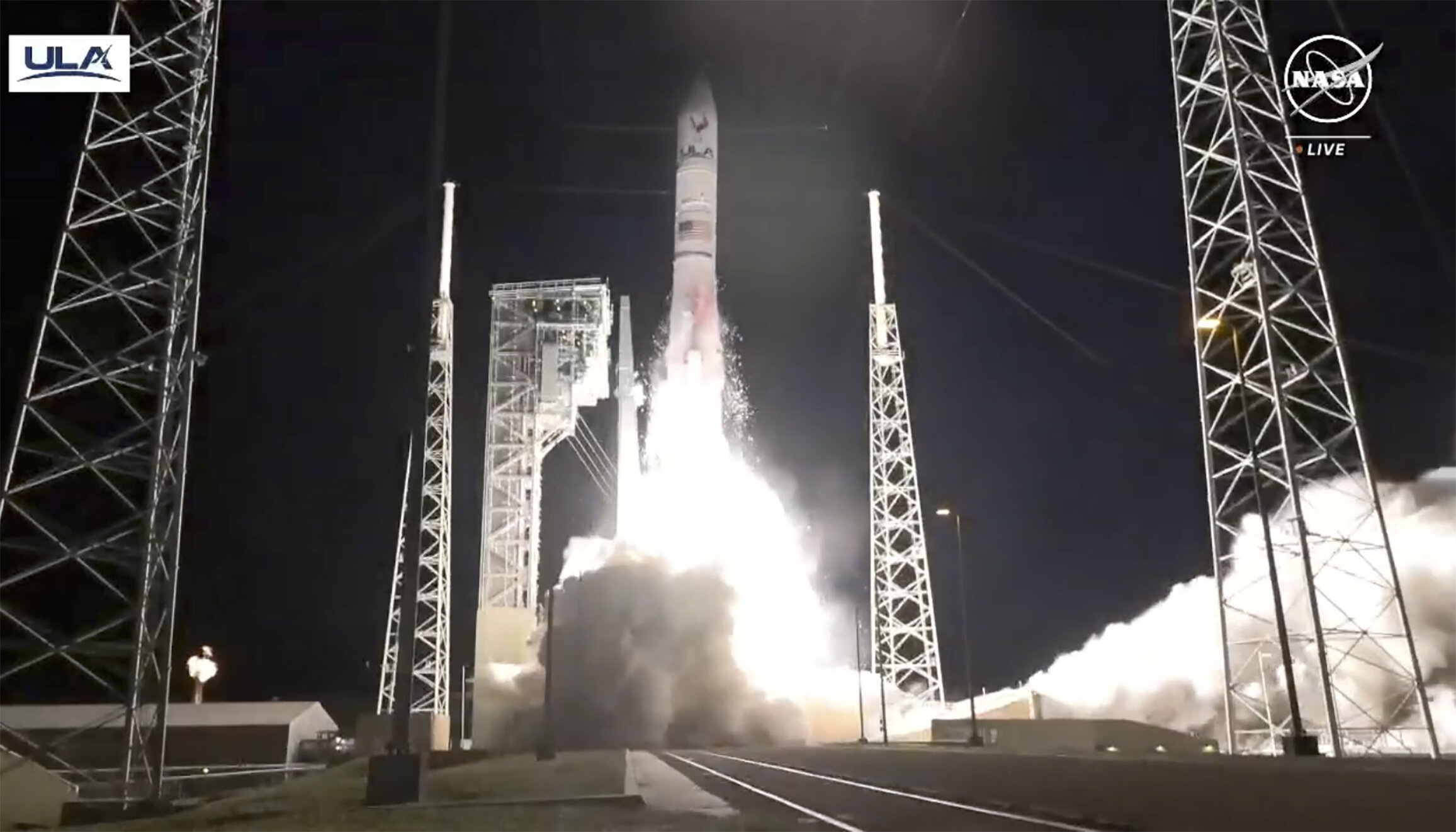
The first U.S. lunar lander in more than 50 years rocketed toward the moon Monday, launching private companies on a space race to make deliveries for NASA and other customers.

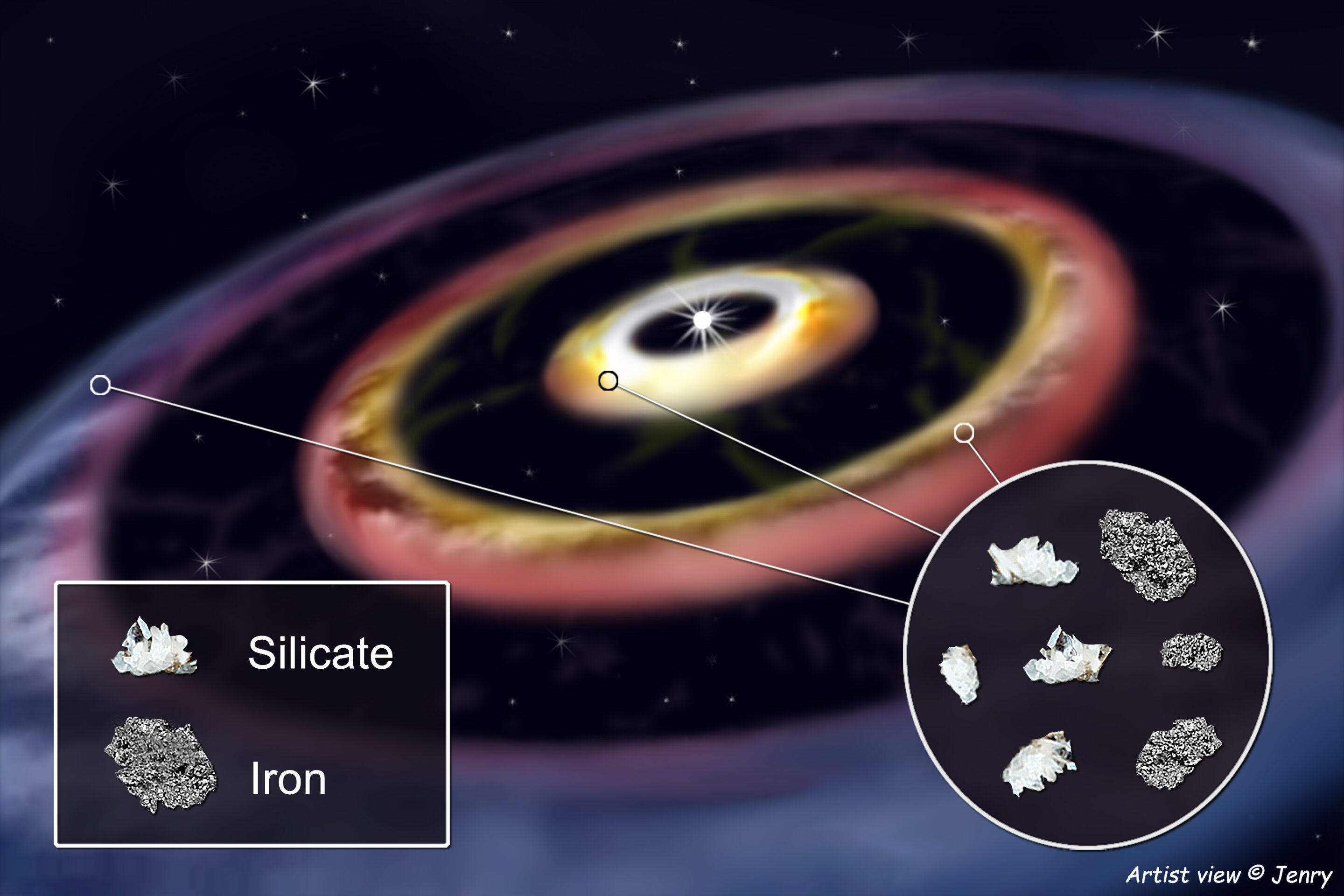
Astronomers observe three iron rings in a planet-forming disk

The origin of Earth and the solar system inspires scientists and the public alike. By studying the present state of our home planet and other objects in the solar system, researchers have developed a detailed picture of the conditions when they evolved from a disk made of dust and gas surrounding the infant sun some 4.5 billion years ago.

Sunday, January 7, 2024

India's Sun probe reaches solar orbit

India's solar observation mission on Saturday entered the Sun's orbit after a four-month journey, the latest success for the space exploration ambitions of the world's most populous nation.

Saturday, January 6, 2024

The most massive neutron stars probably have cores of quark matter

Atoms are made of three things: protons, neutrons, and electrons. Electrons are a type of fundamental particle, but protons and neutrons are composite particles made of up and down quarks. Protons have 2 ups and 1 down, while neutrons have 2 downs and 1 up. Because of the curious nature of the strong force, these quarks are always bound to each other, so they can never be truly free particles like electrons, at least in the vacuum of empty space. But a new study in Nature Communications finds that they can liberate themselves within the hearts of neutron stars.
Friday, January 5, 2024

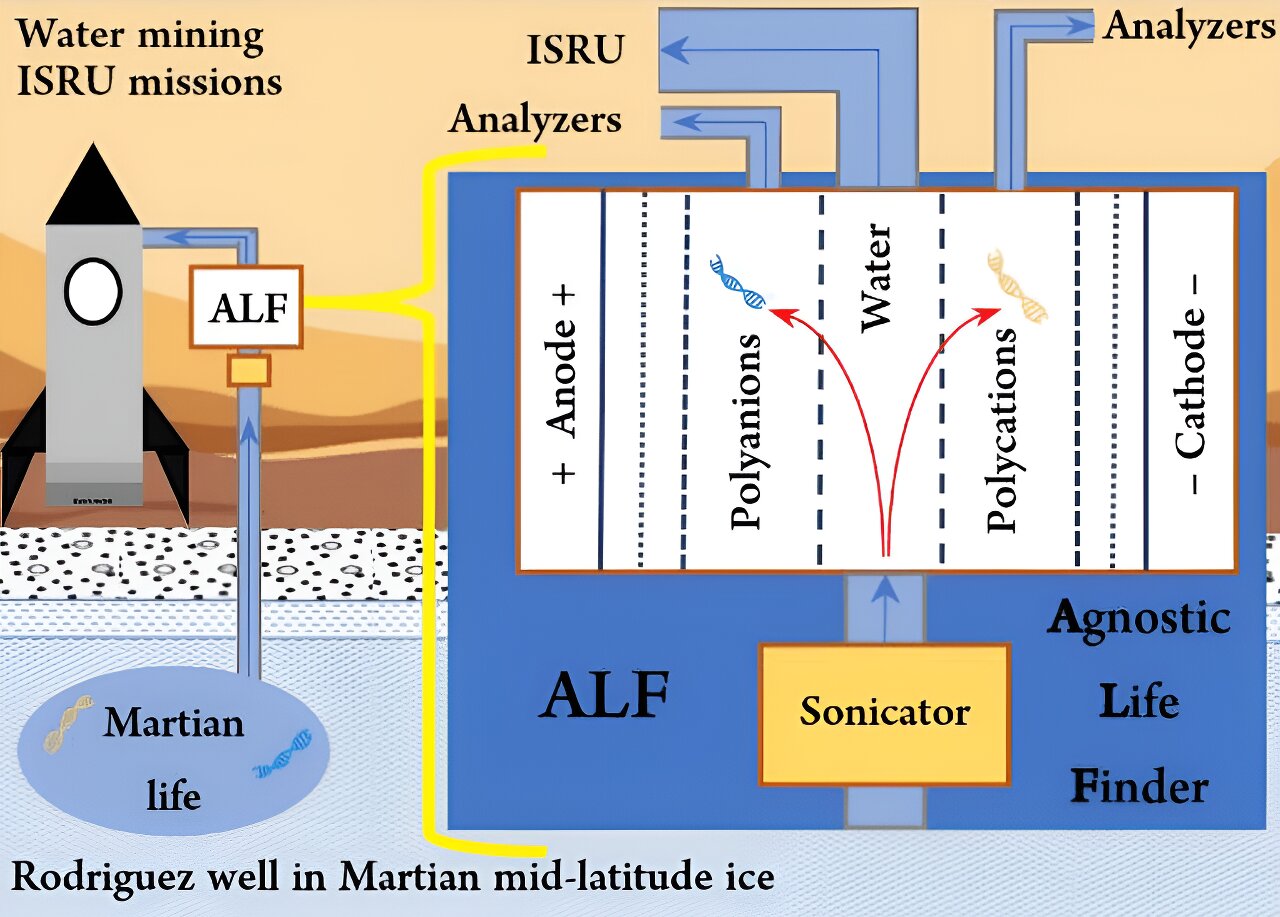
Add-on system in Mars water mining operations will screen for introduced and alien life

As noted at NASA's 2019 Carlsbad Conference, we have good reason to think that life could have started on Mars using the same geo-organic chemistry that started life on Earth. If Martian life persists today on Mars, it may be in near-surface ice, low elevations, and caves, all with transient liquid brines, environments that today on Earth host microbial life. Martian life would likely use informational polymers (like DNA); Darwinian evolution requires these, and Darwinian evolution is the only way matter can organize to give life.

A day in the life of a mountaintop telescope builder

When she's in Chile, Margaux Lopez starts most days nine thousand feet below her place of work. At 6:30 a.m. she boards a bus to begin the steep climb from La Serena, Chile's second-oldest city, to the top of Cerro Pachón, a mountain in the Chilean Andes.

Mysterious missing component in the clouds of Venus revealed

What are the clouds of Venus made of? Scientists know it's mainly made of sulfuric acid droplets, with some water, chlorine, and iron. Their concentrations vary with height in the thick and hostile Venusian atmosphere. But until now they have been unable to identify the missing component that would explain the clouds' patches and streaks, only visible in the UV range.

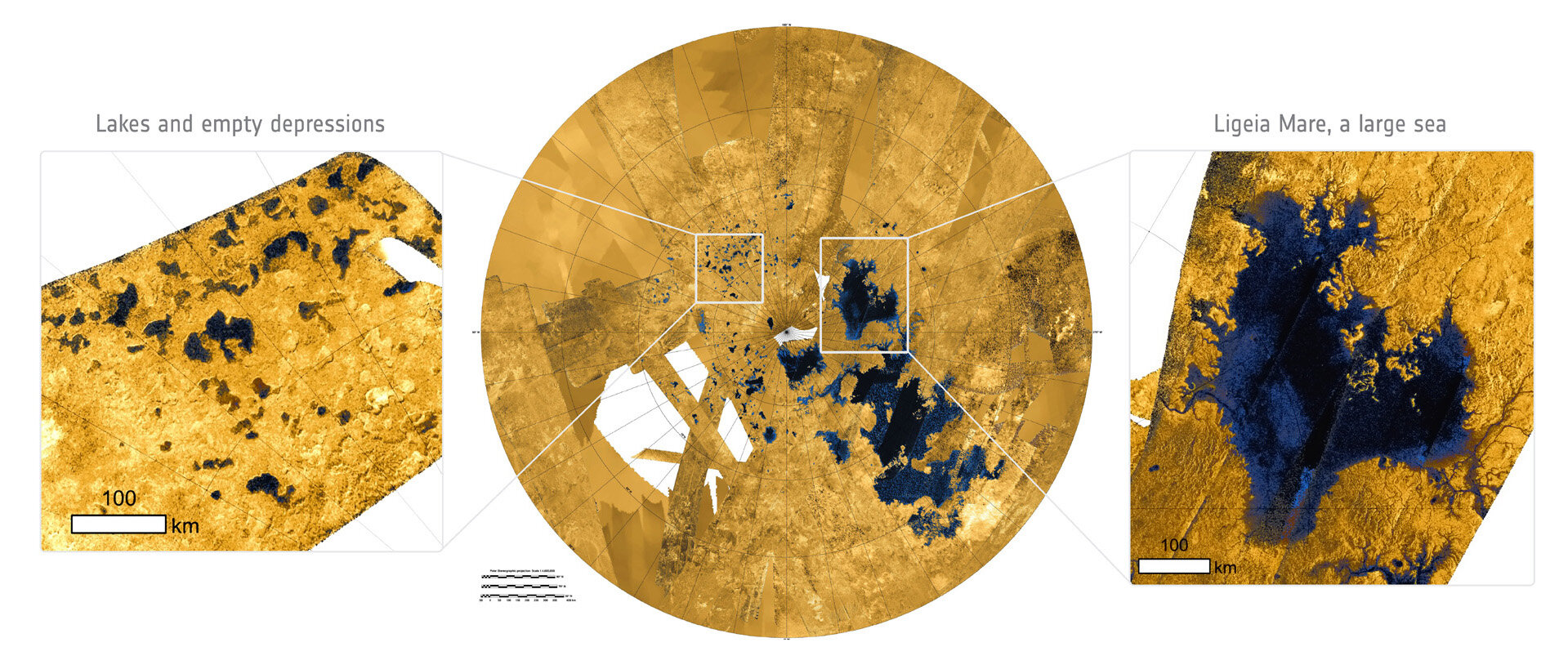
Titan's 'magic islands' are likely to be honeycombed hydrocarbon icebergs, finds study

Titan's "magic islands" are likely floating chunks of porous, frozen organic solids, a new study finds, pivoting from previous work suggesting they were gas bubbles. The study was published in Geophysical Research Letters.

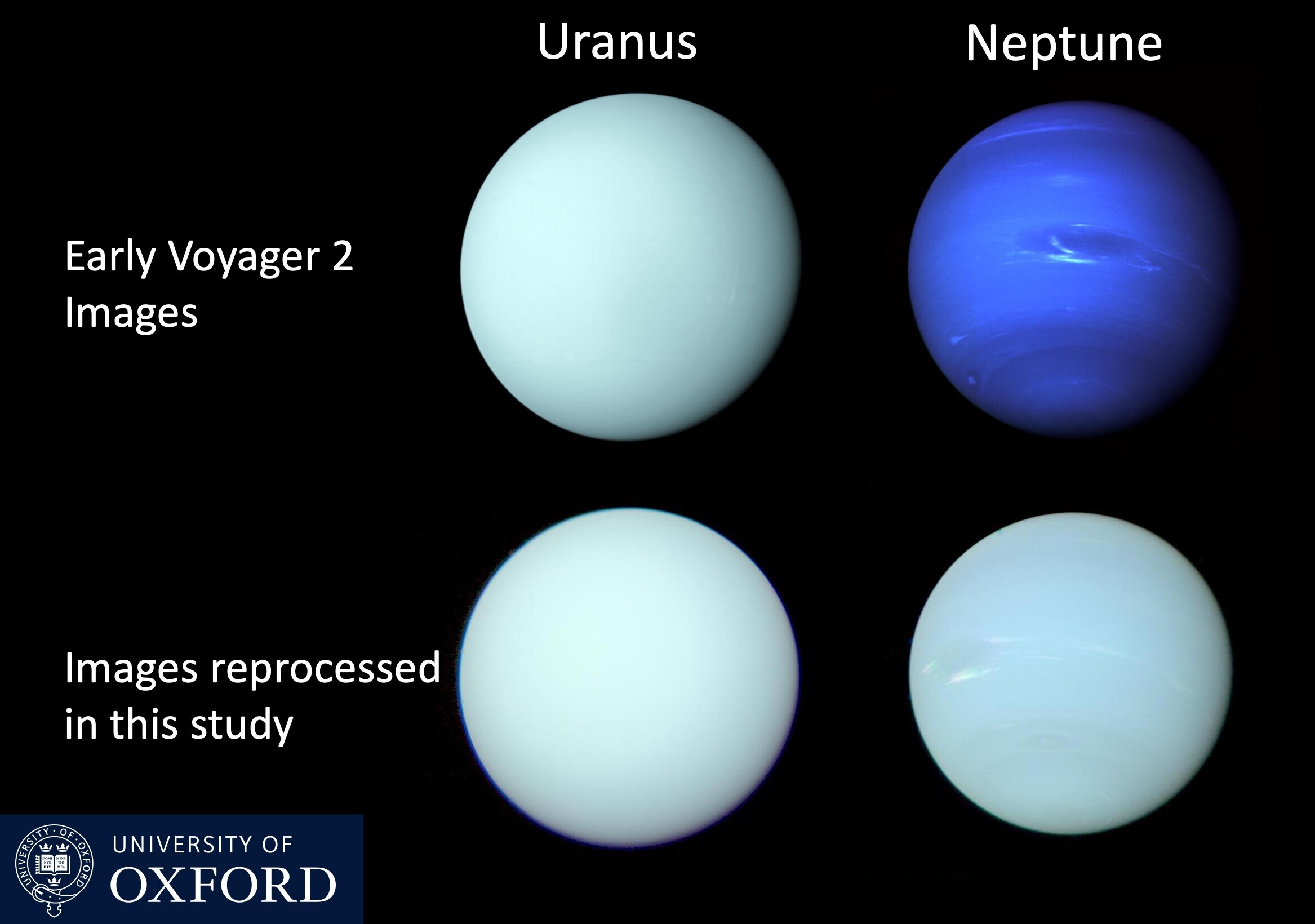
New images reveal what Neptune and Uranus really look like

Neptune is fondly known for being a rich blue, and Uranus green—but a new study has revealed that the two ice giants are actually far closer in color than typically thought.

Thursday, January 4, 2024

China's FAST observatory is playing a key role in the search for aliens

Some years ago I remember running the SETI at Home screensaver and would watch it for hours to see if any peaks appeared naively thinking they might be signals from an alien civilization. There is no doubt that the search for extraterrestrials (ET) has captivated the minds of many people across the years.

NASA's Hubble observes exoplanet atmosphere changing over 3 years

By combining several years of observations from NASA's Hubble Space Telescope along with conducting computer modeling, astronomers have found evidence for massive cyclones and other dynamic weather activity swirling on a hot, Jupiter-sized planet 880 light-years away.

Cosmic chemistry unveils stellar dance: ALMA telescope discovers hidden orbit secrets

A team of international scientists, armed with the powerful ALMA telescope array in Chile, has unraveled the cosmic mysteries surrounding a dying star, revealing an intricate celestial dance shaped by unusual chemistry.

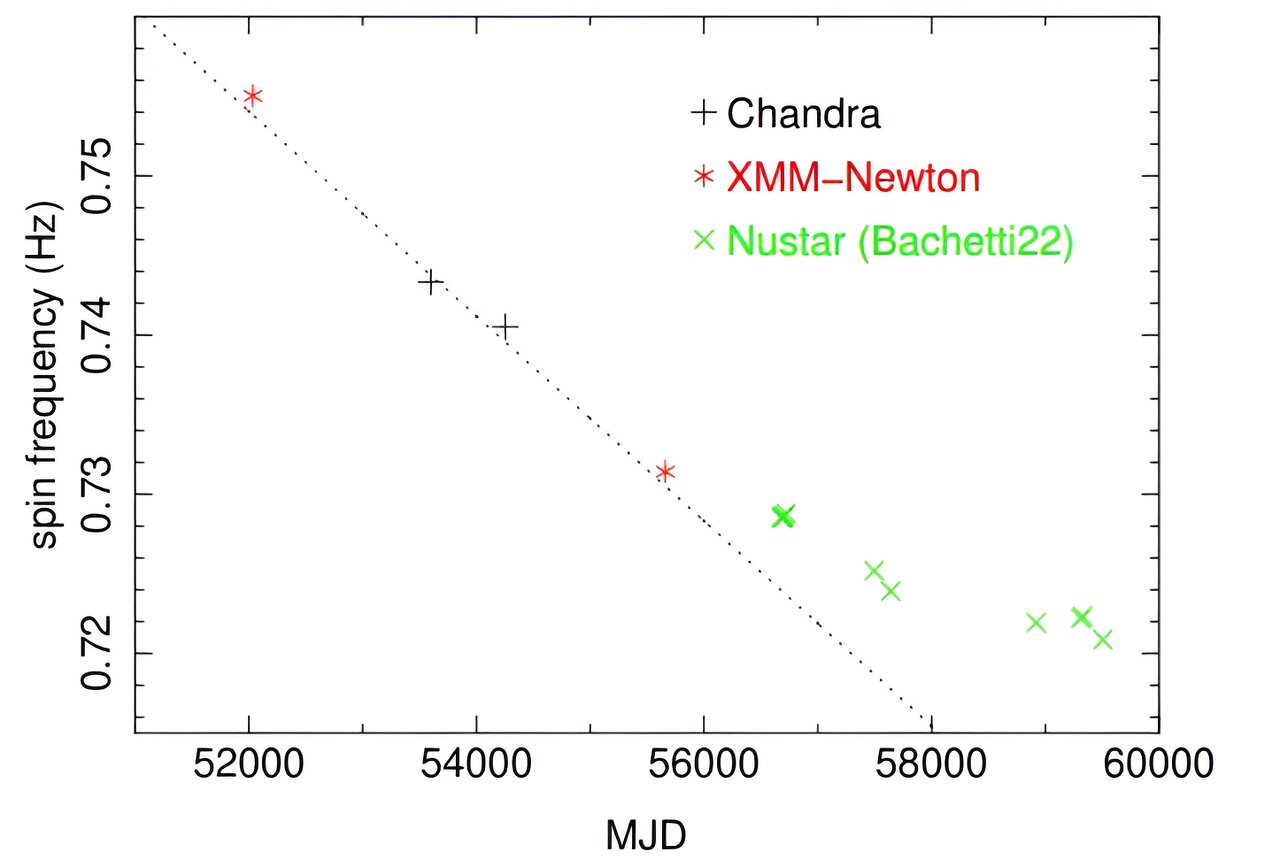
Researchers investigate pulsations of the ultra-luminous X-ray pulsar M82 X-2

Using NASA's Chandra spacecraft and ESA's XMM-Newton satellite, Chinese astronomers have inspected the pulsations of an ultra-luminous X-ray pulsar known as M82 X-2. Results of the study indicate that the pulsar showcases a long-term spin-down trend. The study was detailed in a paper published December 28 on the pre-print server arXiv.

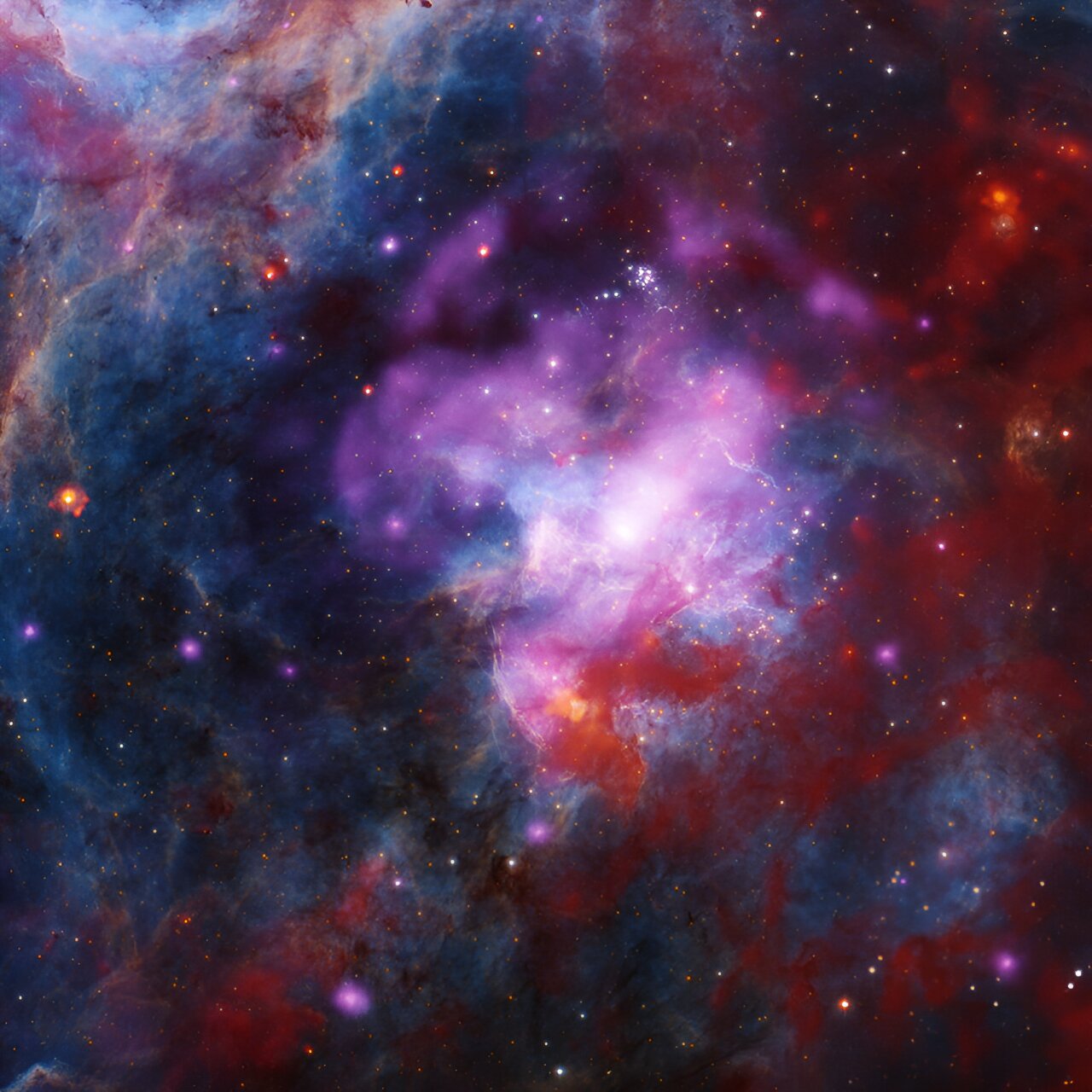
NASA telescopes start the year with a double bang

A colorful, festive image shows different types of light containing the remains of not one, but at least two exploded stars. This supernova remnant is known as 30 Doradus B (30 Dor B for short) and is part of a larger region of space where stars have been continuously forming for the past 8 to 10 million years. It is a complex landscape of dark clouds of gas, young stars, high-energy shocks, and superheated gas, located 160,000 light-years away from Earth in the Large Magellanic Cloud, a small satellite galaxy of the Milky Way.

Wednesday, January 3, 2024

Space shuttle Endeavour's giant orange external tank begins final journey

At long last, the final journey of the last space shuttle ever built, Endeavour, and its giant orange external tank are expected to begin this month—the capstone to a historic journey to an ambitious museum exhibit in Los Angeles.

Privatized moon landings: Two US missions set to open a new era of commercial lunar exploration

Two commercial spacecraft are scheduled to launch to the moon early in 2024 under a NASA initiative called the Commercial Lunar Payload Service CLPS. This program is intended to kickstart a commercial transportation service that can deliver NASA experiments and other payloads to the lunar surface.

Magnetic fields in the cosmos: Dark matter could help us discover their origin

The mini-halos of dark matter scattered throughout the cosmos could function as highly sensitive probes of primordial magnetic fields. This is what emerges from a theoretical study conducted by SISSA and published in Physical Review Letters.

Iron snow ebb and flow may cause magnetic fields to come and go

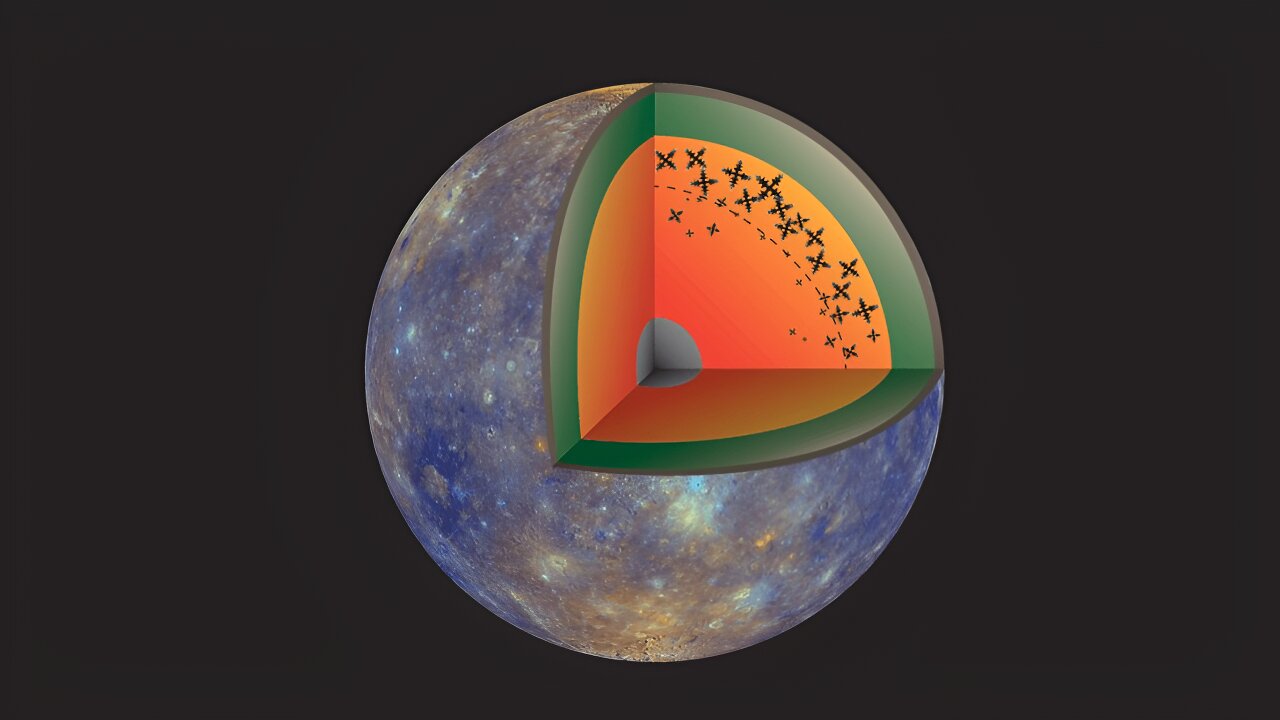
Just as snow crystals form in the upper atmosphere, then fall to lower, warmer elevations and melt, scientists believe a phenomenon called iron snow happens in the molten iron cores of some planetary bodies. Cooling near the core-mantle boundary creates crystals of iron, which melt as they fall deeper into the hot core. This movement may create magnetic fields in some smaller bodies like Mercury and Jupiter's moon Ganymede, but its dynamics are not well known.