This is default featured slide 1 title

Go to Blogger edit html and find these sentences.Now replace these sentences with your own descriptions.

This is default featured slide 2 title

Go to Blogger edit html and find these sentences.Now replace these sentences with your own descriptions.

This is default featured slide 3 title

Go to Blogger edit html and find these sentences.Now replace these sentences with your own descriptions.

This is default featured slide 4 title

Go to Blogger edit html and find these sentences.Now replace these sentences with your own descriptions.

This is default featured slide 5 title

Go to Blogger edit html and find these sentences.Now replace these sentences with your own descriptions.
Tuesday, February 28, 2023

Telling time on the moon

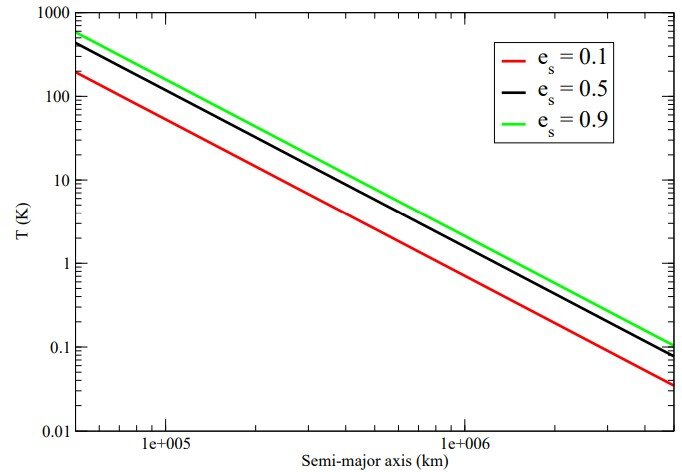
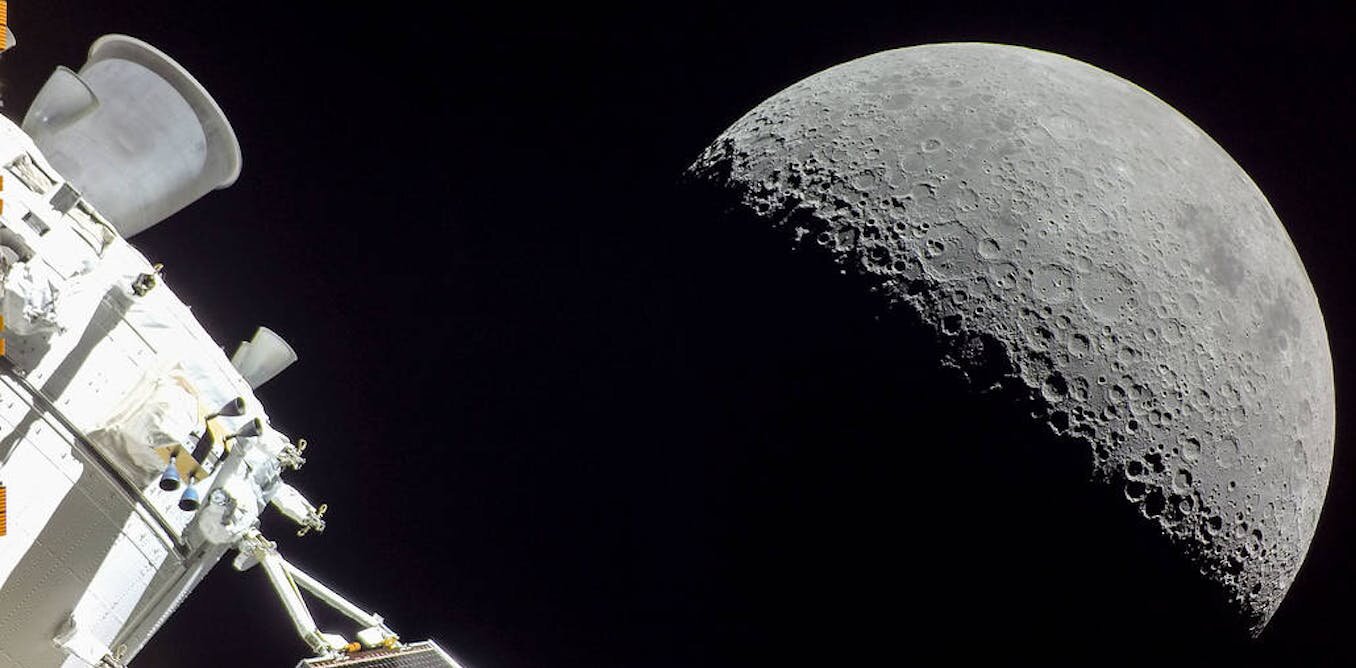
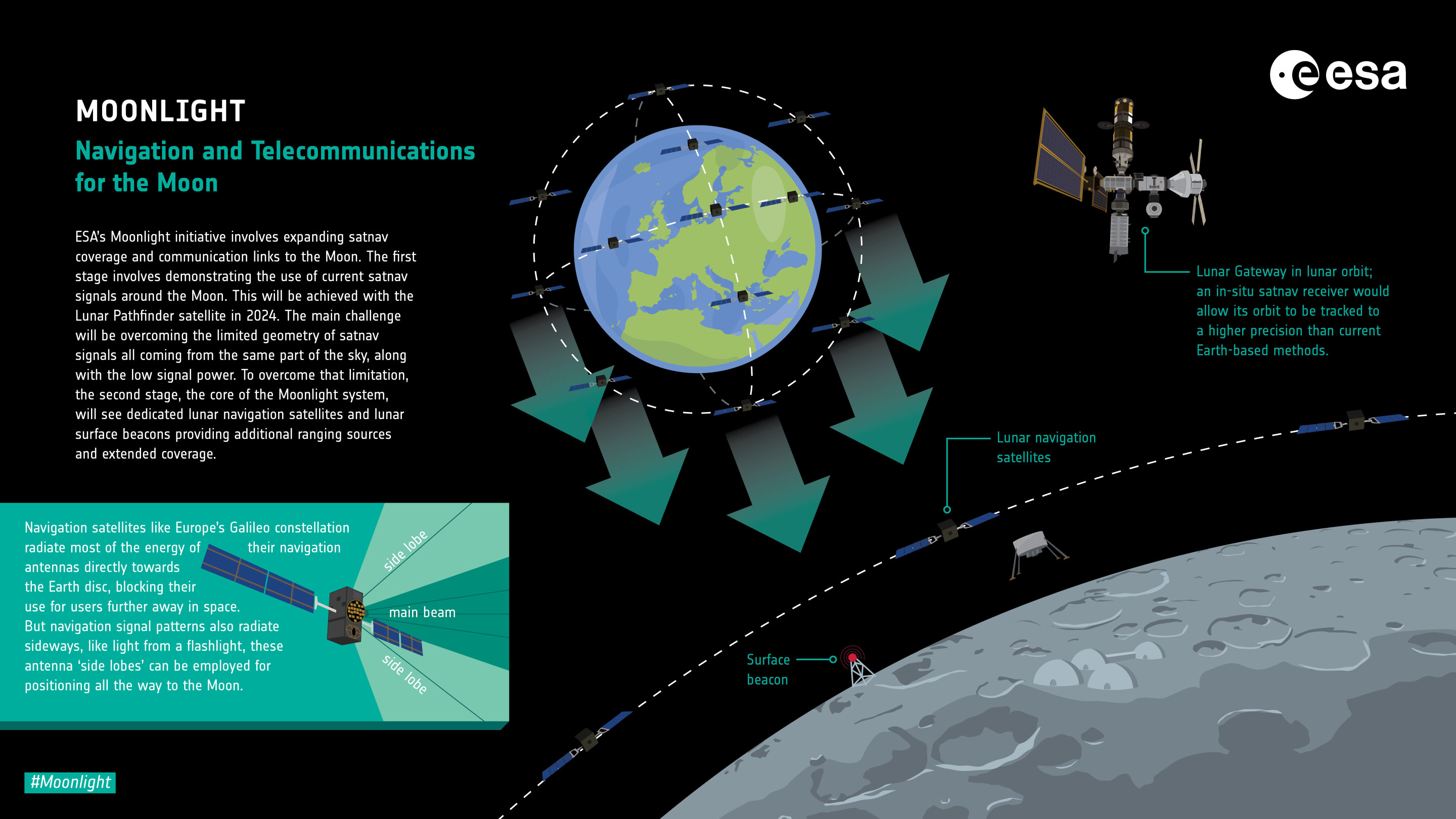
A new era of lunar exploration is on the rise, with dozens of moon missions planned for the coming decade. Europe is in the forefront here, contributing to building the Gateway lunar station and the Orion spacecraft—set to return humans to our natural satellite—as well as developing its large logistic lunar lander, known as Argonaut. As dozens of missions will be operating on and around the moon and needing to communicate together and fix their positions independently from Earth, this new era will require its own time.

Monday, February 27, 2023

Webb spots surprisingly massive galaxies in early universe

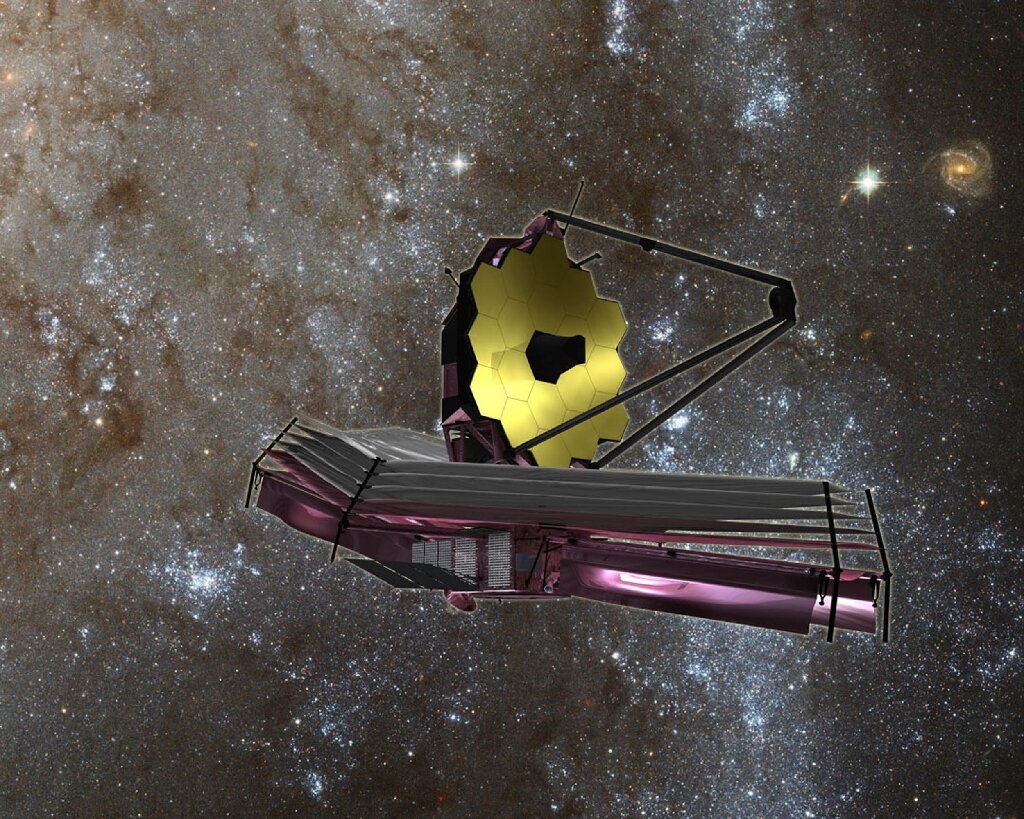
The James Webb Space Telescope has spotted six massive galaxies that emerged not long after the Big Bang, a study said Wednesday, surprising scientists by forming at a speed that contradicts our current understanding of the universe.

Russian ship docks with ISS to replace damaged capsule

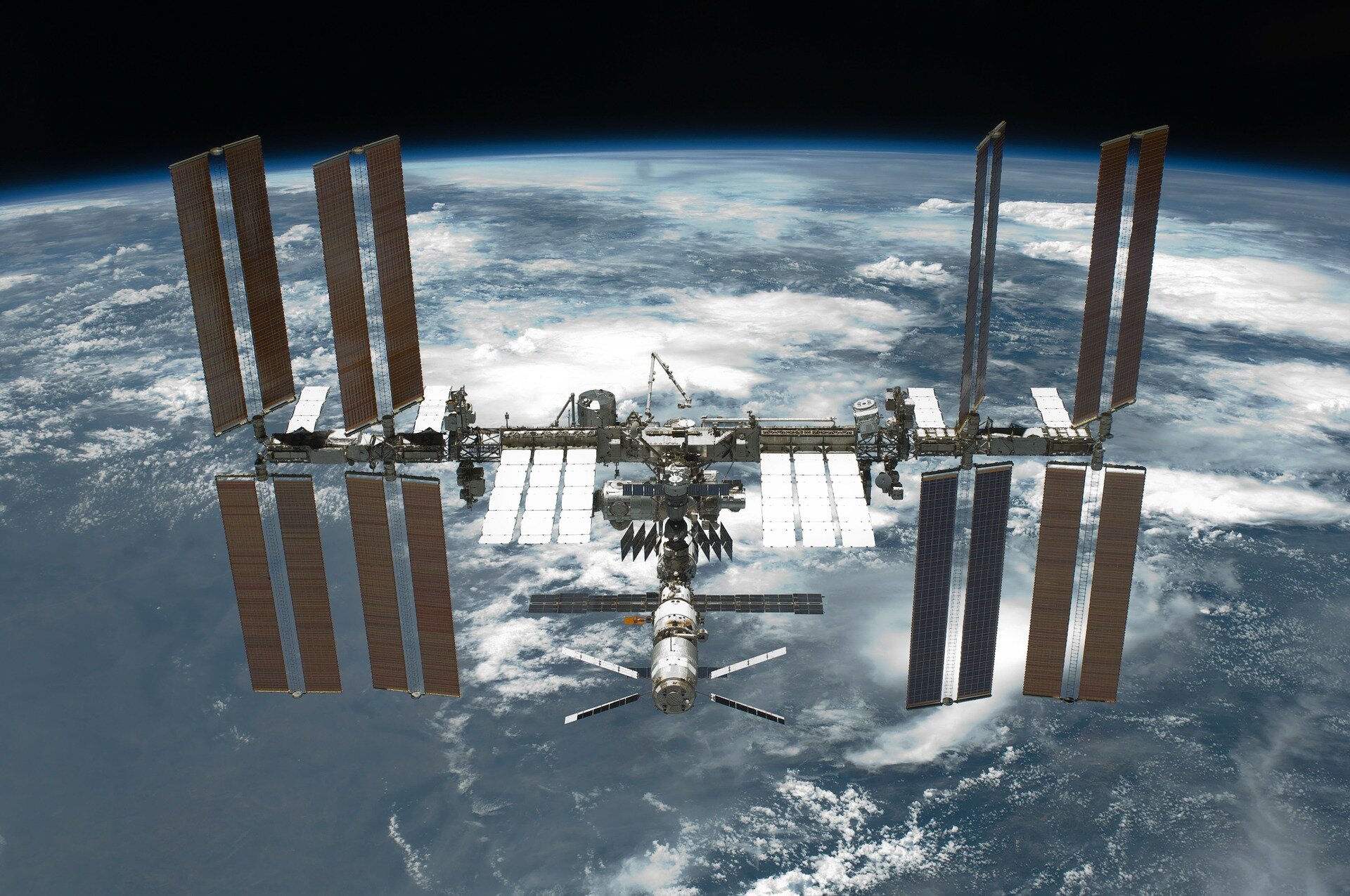
An uncrewed Russian Soyuz capsule docked early Sunday with the International Space Station and will eventually bring home three astronauts whose initial return vehicle was damaged by a tiny meteoroid.

Sunday, February 26, 2023

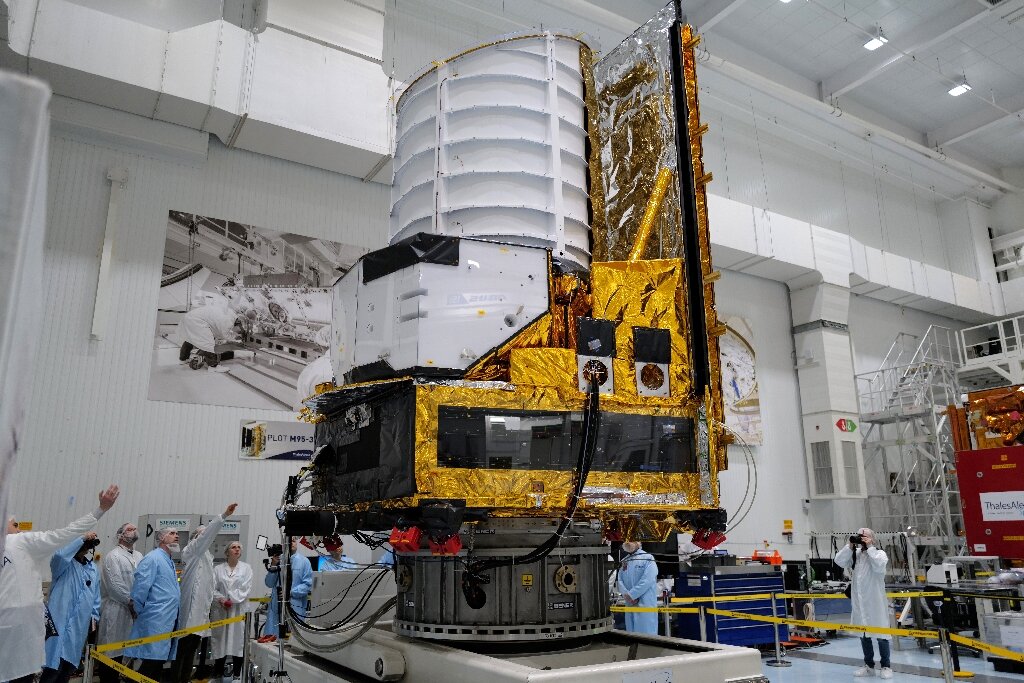
Euclid spacecraft prepares to probe universe's dark mysteries

For now, Europe's Euclid spacecraft sits quietly in a sterilized room in the south of France, its golden trim gleaming under the fluorescent light.

Saturday, February 25, 2023

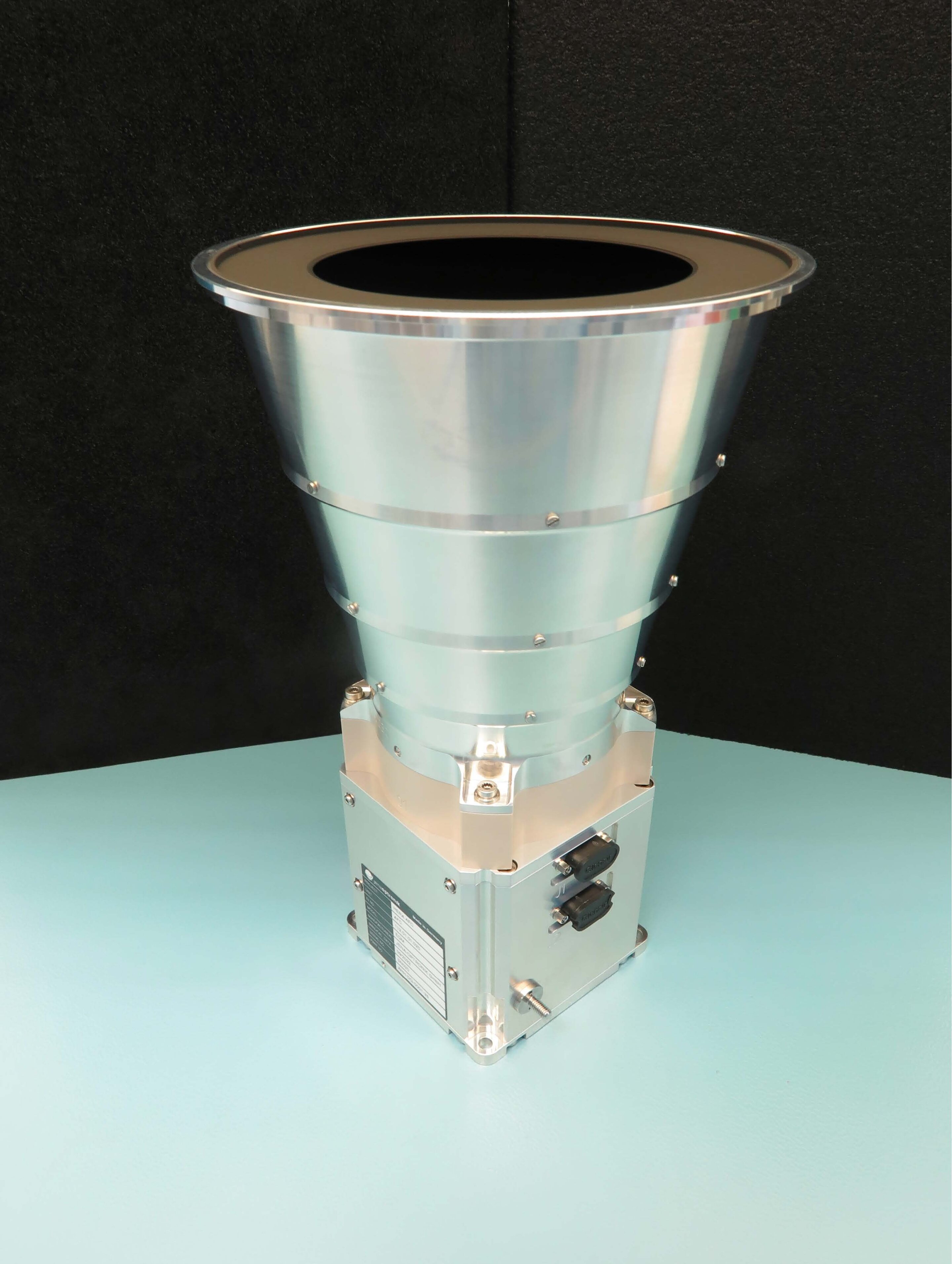
Eyes on Hera: Asteroid mission's cameras ready

ESA's Hera asteroid mission for planetary defense is about to gain its sight. Two complete and fully tested Asteroid Framing Cameras have reached OHB in Germany for integration aboard Hera's payload module. This instrument will provide the very first star-like view of Hera's target for the mission to steer towards the Dimorphos asteroid, which last year had its orbit altered by an impact with NASA's DART mission.

Absence of the predicted 2022 October outburst of galaxy OJ 287 and its implications

A research group led by Stefanie Komossa (MPIfR Bonn, Germany) presents new results on the galaxy OJ 287, based on the most dense and longest radio-to-high-energy observations to date with telescopes like the Effelsberg telescope and the Swift Observatory.

Image: Sun releases strong solar flare

The Sun emitted a strong solar flare, peaking at 3:16 p.m. ET on Feb. 17, 2023. NASA's Solar Dynamics Observatory, which watches the Sun constantly, captured an image of the event.

Russia launches rescue ship to space station after leaks

Russia launched a rescue ship on Friday for two cosmonauts and a NASA astronaut whose original ride home sprang a dangerous leak while parked at the International Space Station.

New discovery sheds light on very early supermassive black holes

Astronomers from the University of Texas and the University of Arizona have discovered a rapidly growing black hole in one of the most extreme galaxies known in the very early universe. The discovery of the galaxy and the black hole at its center provides new clues on the formation of the very first supermassive black holes. The new work is published in Monthly Notices of the Royal Astronomical Society.

Friday, February 24, 2023

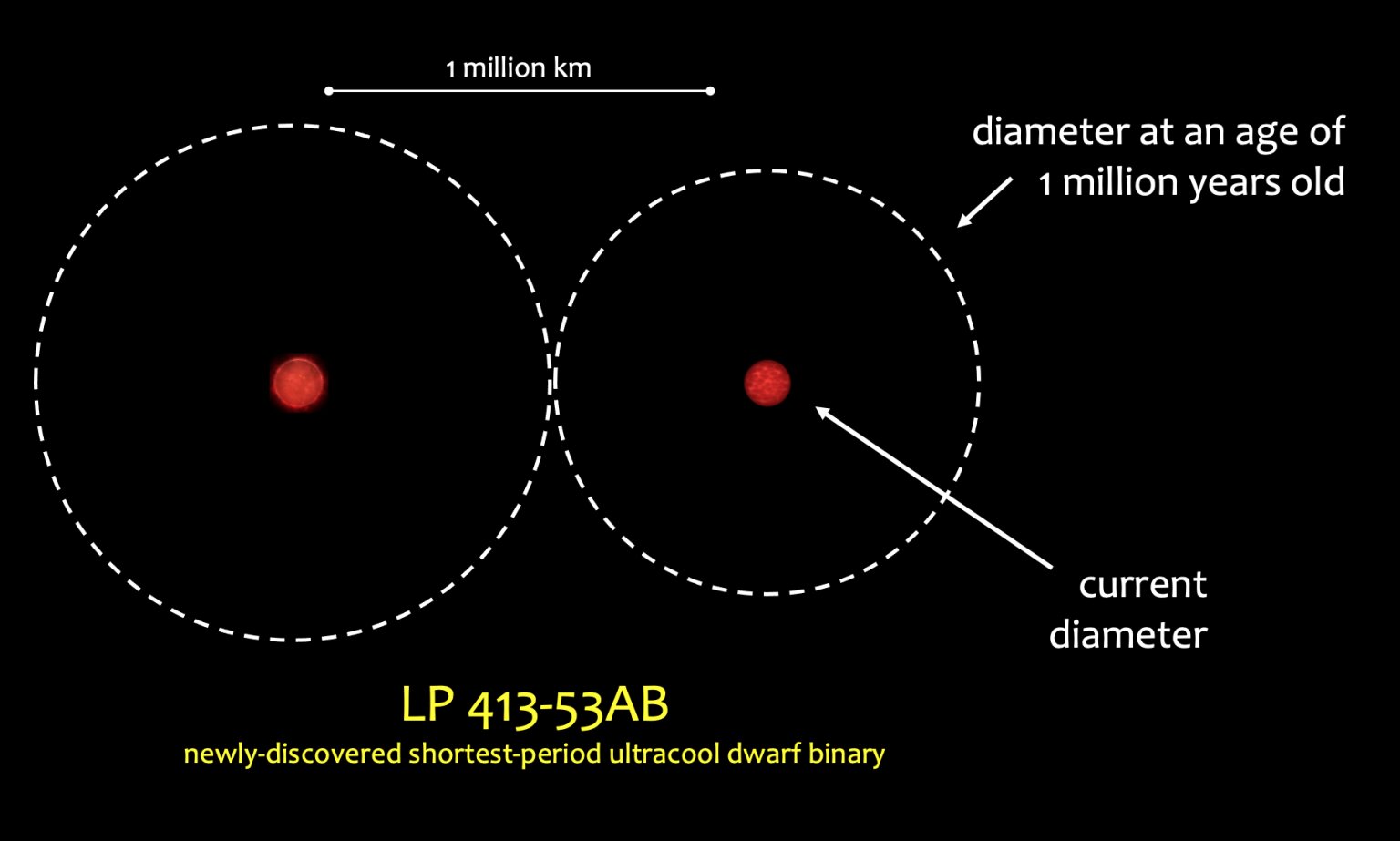
Ultracool dwarf binary stars break records

Northwestern University and the University of California San Diego (UC San Diego) astrophysicists using W. M. Keck Observatory on Maunakea, Hawaiʻi Island have discovered the tightest ultracool dwarf binary system ever observed.

Night skies are getting 9.6% brighter every year as light pollution erases stars for everyone

For most of human history, the stars blazed in an otherwise dark night sky. But starting around the Industrial Revolution, as artificial light increasingly lit cities and towns at night, the stars began to disappear.

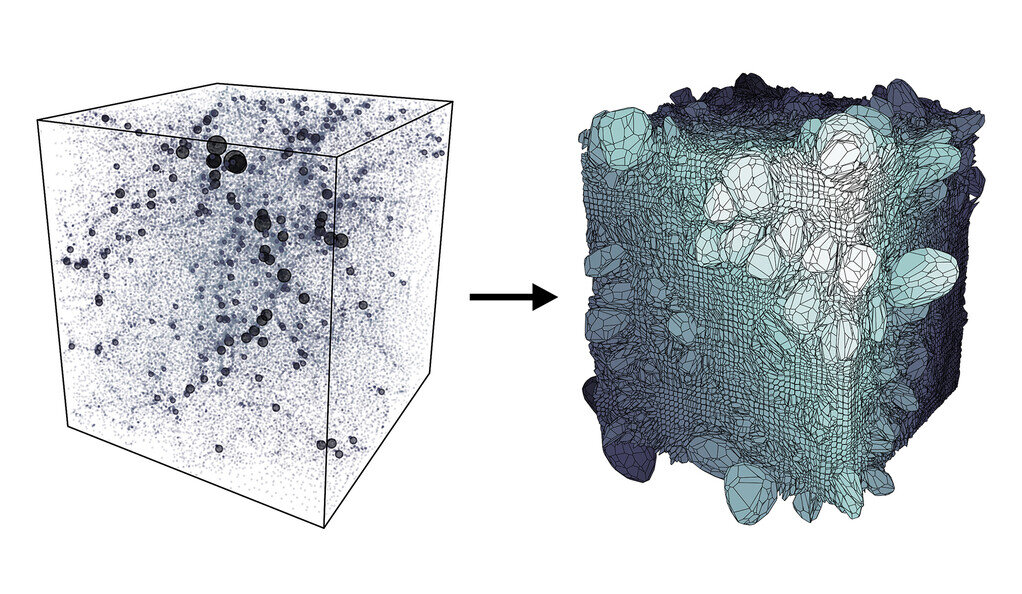
How the early universe developed 'lumpy clumps of matter'

Ever feel like the universe is just a big carton of old milk? Well, you may be correct.

Researchers investigate quasi-periodic variations of coronal mass ejections

Coronal mass ejections (CMEs) are large expulsions of magnetized plasma from the sun. Determining the spatial and temporal evolution characteristics of CMEs, especially their possible periodic patterns, is valuable for establishing the unique correlations among CMEs, intense solar flares, and geomagnetic disturbances.

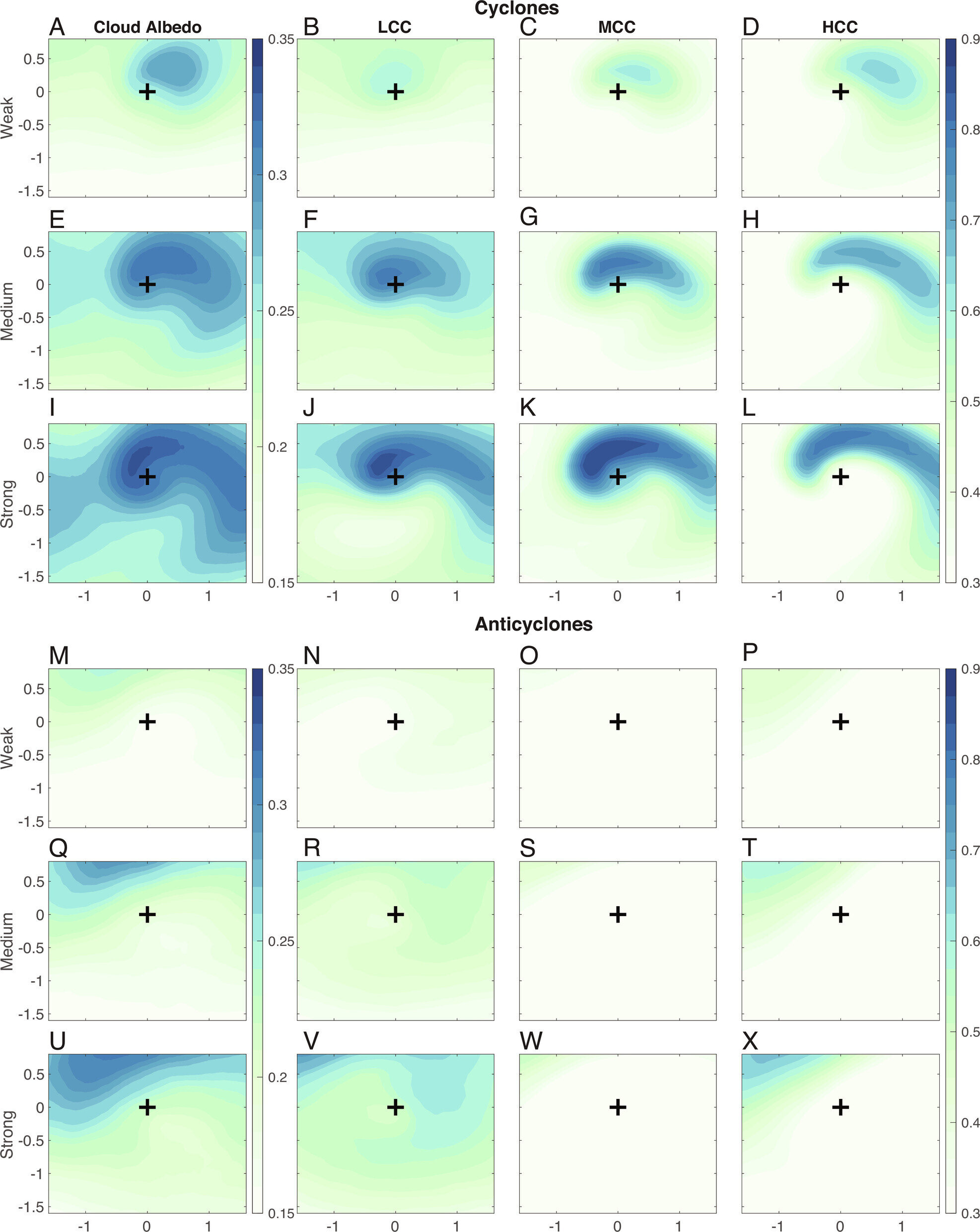
Why do Earth's hemispheres look equally bright when viewed from space?

When looking at the Earth from space, its hemispheres—northern and southern—appear equally bright. This is particularly unexpected because the Southern Hemisphere is mostly covered with dark oceans, whereas the Northern Hemisphere has a vast land area that is much brighter than these oceans. For years, the brightness symmetry between hemispheres remained a mystery.

Thursday, February 23, 2023

NASA's Chandra discovers giant black holes on a collision course

Astronomers have discovered the first evidence for giant black holes in dwarf galaxies on a collision course. This result from NASA's Chandra X-ray Observatory has important ramifications for understanding how the first wave of black holes and galaxies grew in the early universe.

In search of Planet 9: An unconventional detection approach

There is a mystery in our solar system surrounding the orbits of Kuiper belt objects. More than one trillion icy objects smaller than our moon orbit the sun in a donut-shaped ring beyond Neptune. Oddly, a cluster of outer Kuiper belt objects all ellipse in a similar way, as though being gravitationally pulled in one direction. The leading hypothesis is that an unseen object, five to 10 times the mass of Earth, is causing the pulling effect. The mystery object has been dubbed Planet 9.
Observations shed more light on the morphology and environment of a very distant galaxy

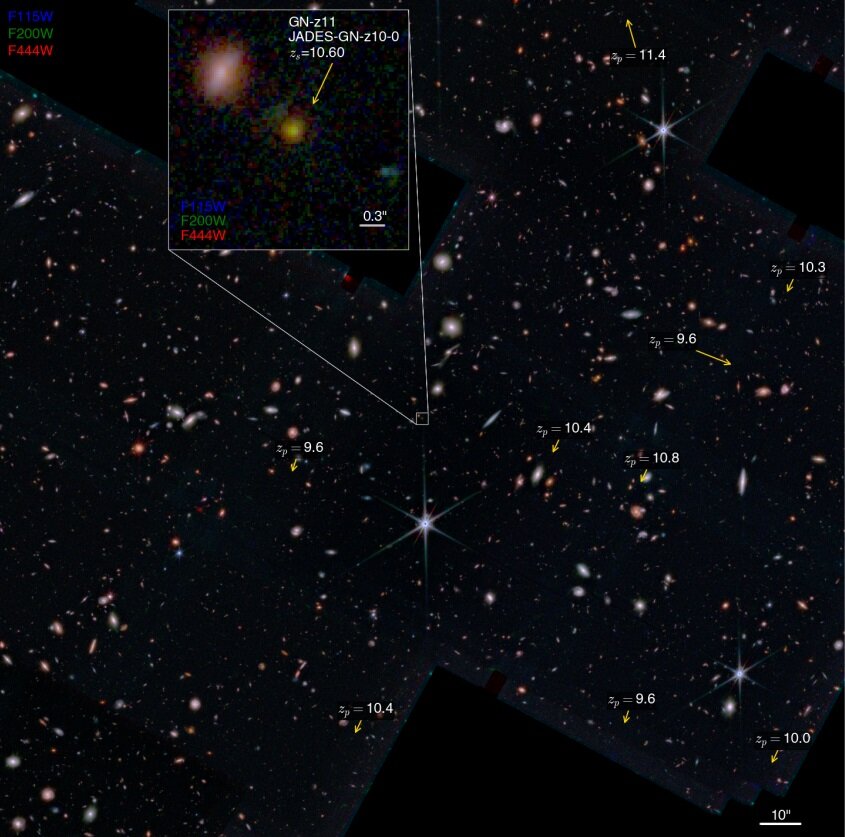
An international team of astronomers has employed the James Webb Space Telescope (JWST) to conduct near-infrared imaging of GN-z11—one of the most distant galaxies known to date. Results of these observations yield important information regarding the morphology and environment of this galaxy.

Discovery of massive early galaxies defies prior understanding of the universe

Six massive galaxies discovered in the early universe are upending what scientists previously understood about the origins of galaxies in the universe.

Spotting a hidden exoplanet

No, you're not seeing double: This photo shows two images of a Jupiter-like planet that orbits the star AF Leporis. The planet has been imaged by two independent groups of astronomers using the SPHERE instrument on ESO's Very Large Telescope (VLT) in Chile. But why did they target this particular star?

Wednesday, February 22, 2023

Crew stuck on ISS to return to Earth in September: Russia

Russia's space agency on Tuesday said that the crew stuck on the International Space Station because of a damaged capsule were now expected to return to Earth in September, a year after they first launched into orbit.

Tuesday, February 21, 2023

Unknown class of water-rich asteroids identified

New astronomical measurements in the infrared range have led to the identification of a heretofore unknown class of asteroids. An international research team including geoscientists from Heidelberg University has succeeded in characterizing these small planets using infrared spectroscopy.

Monday, February 20, 2023

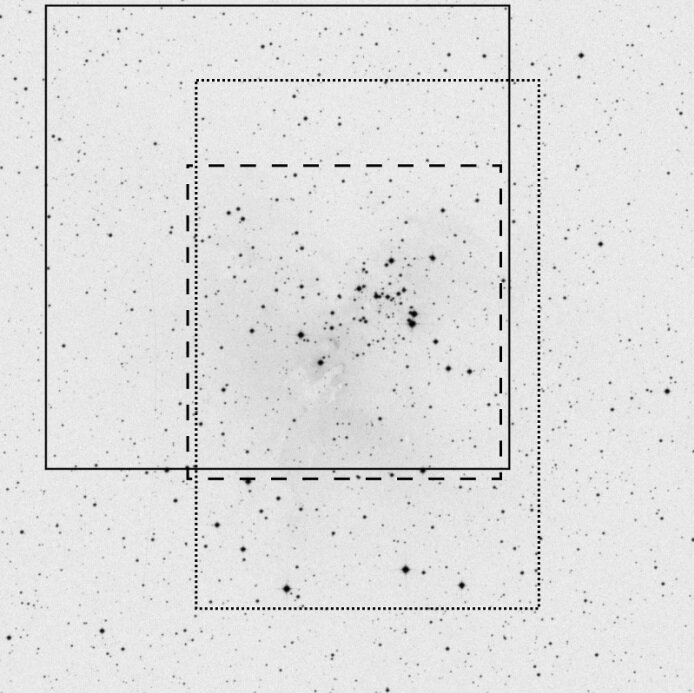
Dozens of variable stars detected in the open cluster NGC 6611

Using three ground-based telescopes in Chile, astronomers have conducted a search for variable stars in the open cluster NGC 6611. In result, they detected 95 variables and the majority of them are most likely cluster members. The discovery was published February 1 in the Monthly Notices of the Royal Astronomical Society.

From Hair to Eternity: locks of US presidents heading to space

George Washington, John F. Kennedy, Dwight D. Eisenhower and Ronald Reagan are going on a hair-raising journey into outer space.

Sunday, February 19, 2023

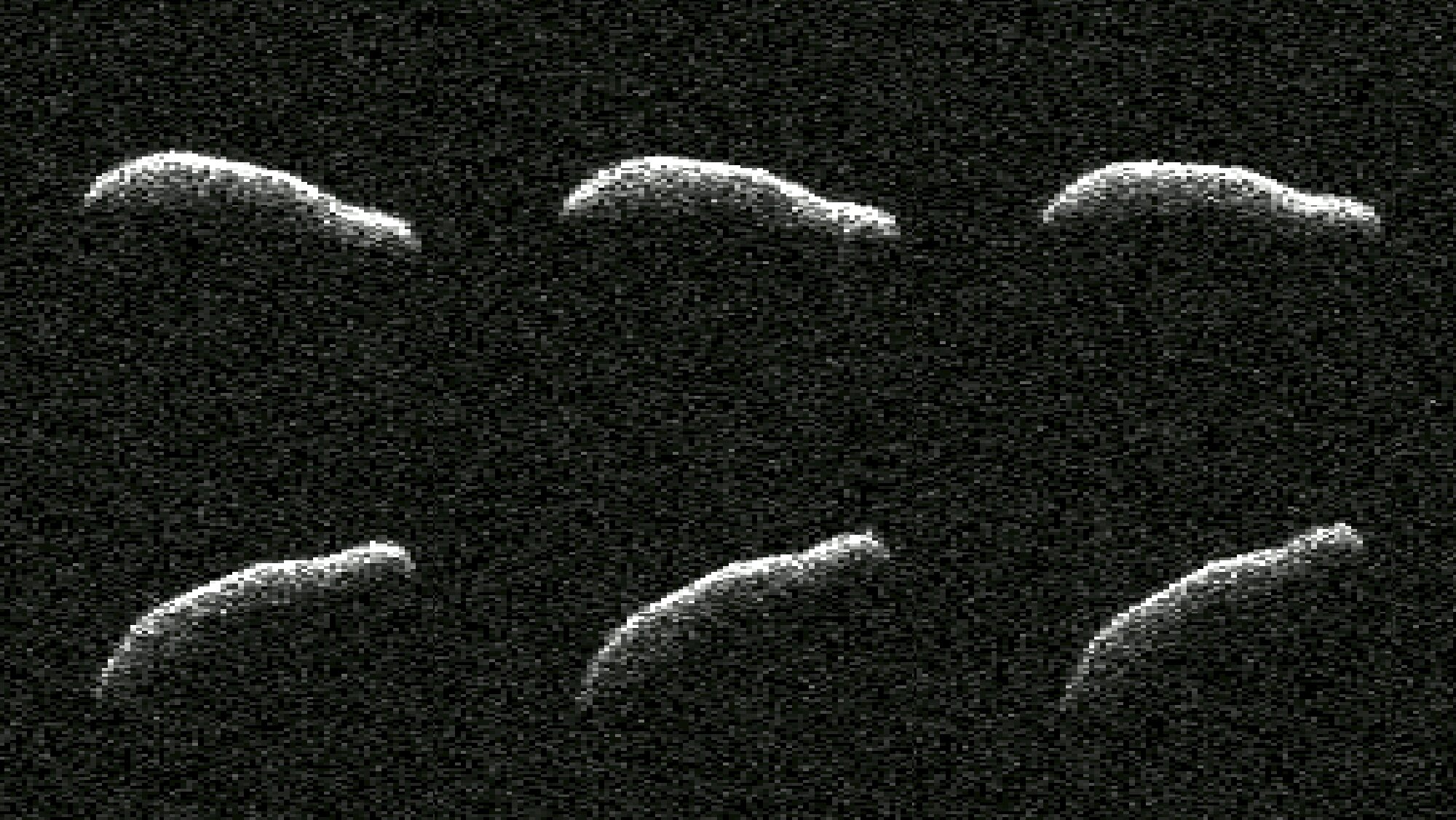
NASA's planetary radar captures detailed view of oblong asteroid

On Feb. 3, an asteroid more than three times as long as it is wide safely flew past Earth at a distance of about 1.1 million miles (1.8 million kilometers, or a little under five times the distance between the Moon and Earth). While there was no risk of the asteroid—called 2011 AG5—impacting our planet, scientists at NASA's Jet Propulsion Laboratory in Southern California closely tracked the object, making invaluable observations to help determine its size, rotation, surface details, and, most notably, shape.

Saturday, February 18, 2023

Scientists observe high-speed star formation

Gas clouds in the Cygnus X Region, a region where stars form, are composed of a dense core of molecular hydrogen (H2) and an atomic shell. These ensembles of clouds interact with each other dynamically in order to quickly form new stars. That is the result of observations conducted by an international team led by scientists at the University of Cologne's Institute of Astrophysics and at the University of Maryland.

Friday, February 17, 2023

Polarized shockwaves shake the universe's cosmic web

ICRAR researchers have discovered tantalizing evidence of magnetic fields in the universe's largest cosmic structures.

Thursday, February 16, 2023

Study investigates magnetic field of an extremely ultraluminous X-ray pulsar

Using NASA's Swift spacecraft and ESA's XMM-Newton satellite, astronomers have observed NGC 5907 ULX1—the most luminous ultra-luminous X-ray pulsar known to date. Results of the observational campaign, published February 7 on the pre-print server arXiv, shed more light on the magnetic field of this pulsar.

Wednesday, February 15, 2023

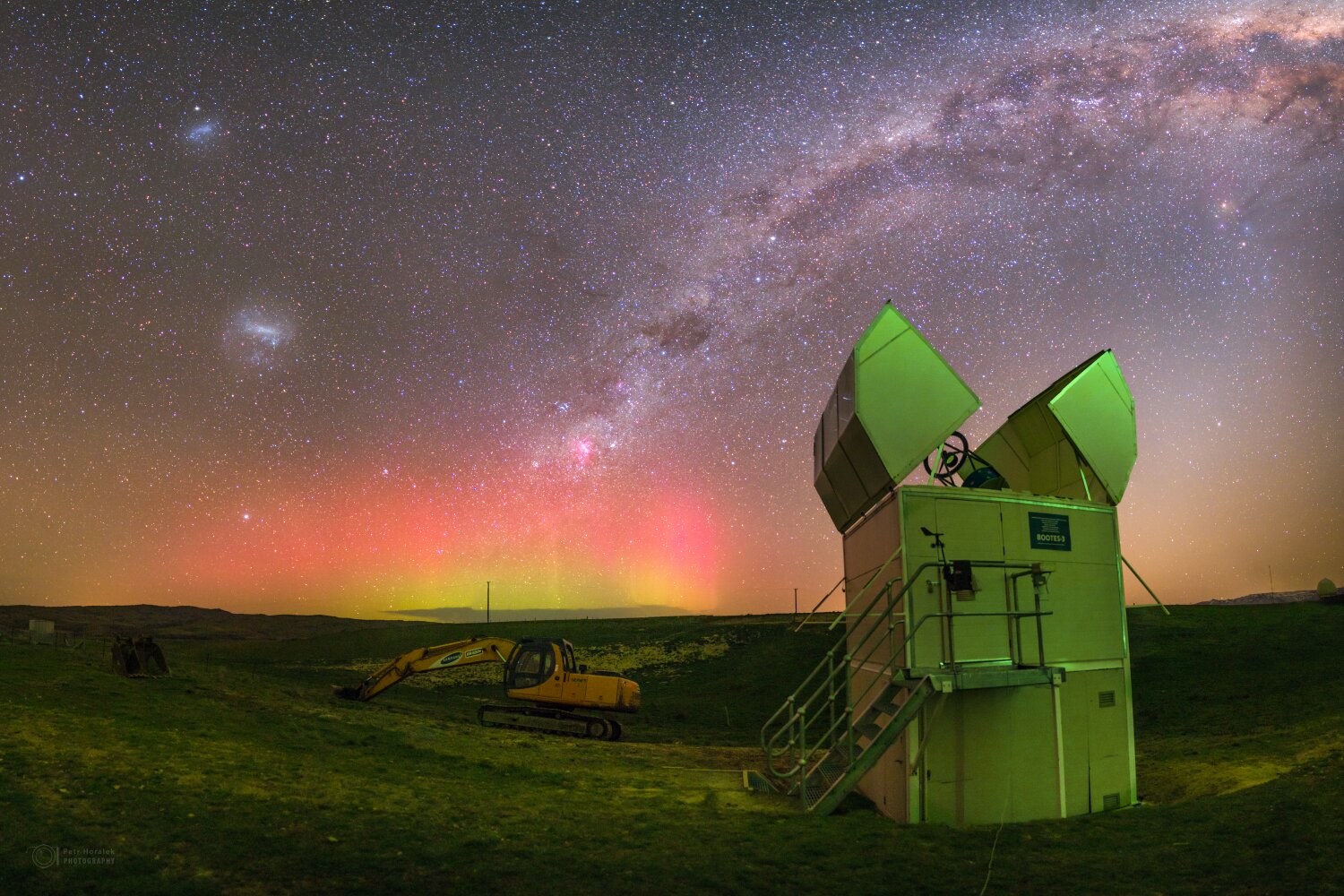
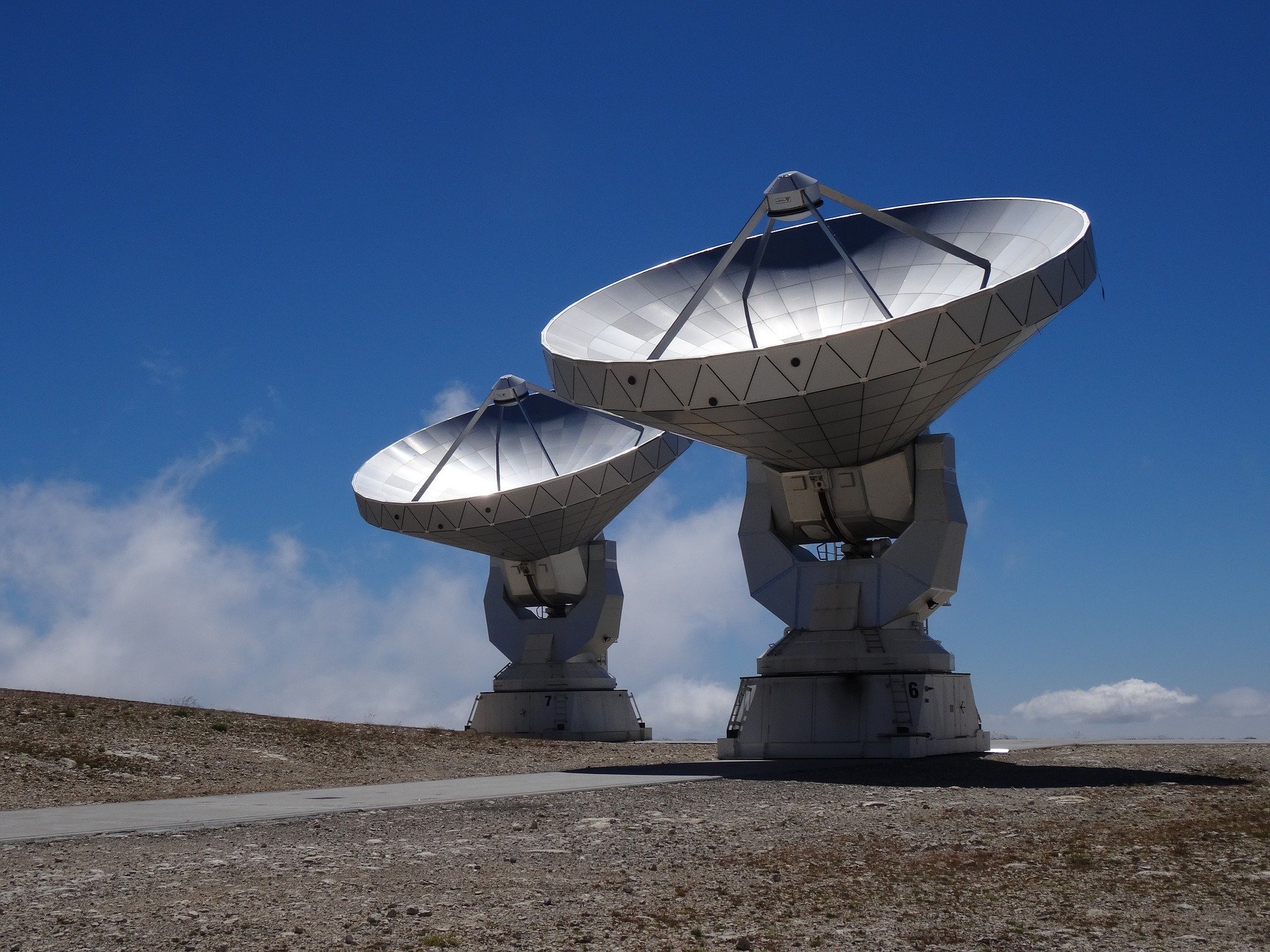
The first network of robotic telescopes present across five continents is deployed

The Institute of Astrophysics of Andalucía (IAA) of the State Agency Spanish Research Council (CSIC) has finished the deployment of the BOOTES Network (Burst Observer and Optical Transient Exploring System), the first network of robotic telescopes with stations on five continents. With installations in Spain (two stations), New Zealand, China, Mexico, South Africa and Chile, it constitutes the most complete network of its kind and a unique and fully automated resource for combining data from instruments around the world, monitoring the sky and supporting observations from missions and satellites. A paper sharing the details of the network and its achievements has been accepted for publication in Frontiers in Astronomy and Space Sciences.

Tuesday, February 14, 2023

Russia postpones launch of rescue ship to space station

Russia said Monday it had delayed the launch of a rescue ship supposed to bring home three astronauts whose planned return vehicle was damaged by a tiny meteoroid.

Monday, February 13, 2023

Saudi Arabia to send its first woman into space

Saudi Arabia will send its first ever woman astronaut on a space mission later this year, state media has reported, in the latest move to revamp the kingdom's ultra-conservative image.

Sunday, February 12, 2023

Russian spacecraft leaks coolant, station crew reported safe

An uncrewed Russian supply ship docked at the International Space Station has leaked coolant, the Russian space corporation and NASA reported Saturday, saying the incident doesn't pose any danger to the station's crew.

New Earth-sized exoplanet detected in the solar neighborhood

Using NASA's Kepler spacecraft and Transiting Exoplanet Survey Satellite (TESS), astronomers have discovered a new Earth-sized exoplanet located about 70 light years away from the sun. The newfound exoworld, designated K2-415b, is at least three times more massive than the Earth. The finding was reported in a paper published February 1 on the arXiv pre-print server.

Small asteroid 'serendipitously' detected using James Webb telescope

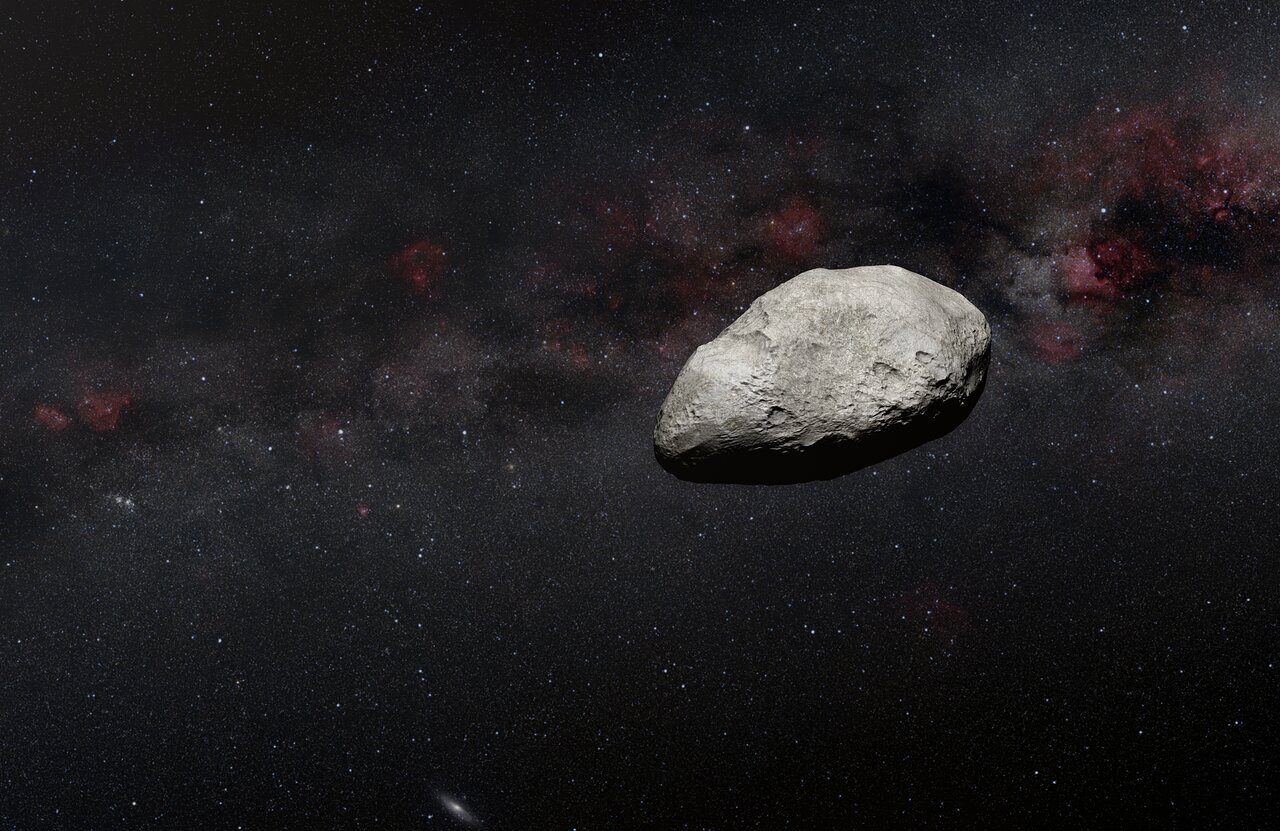
European astronomers using the James Webb Space Telescope have detected a previously unknown asteroid about the size of Rome's Colosseum in the main asteroid belt between Mars and Jupiter.

Saturday, February 11, 2023

China space station crew completes spacewalk

The crew of China's orbiting space station has completed the first of several planned spacewalks of their six-month mission, pushing such activities into the realm of routine for the country's astronauts.

Friday, February 10, 2023

More lunar missions means more space junk around the Moon—two astronomers are building a catalog to track the trash

Scientists and government agencies have been worried about the space junk surrounding Earth for decades. But humanity's starry ambitions are farther reaching than the space just around Earth. Ever since the 1960s with the launch of the Apollo program and the emergence of the space race between the U.S. and Soviet Union, people have been leaving trash around the moon, too.

Thursday, February 9, 2023

Researchers inspect a nearby pulsar wind nebula

Using the Australia Telescope Compact Array (ATCA), astronomers from Hong Kong and Australia have performed radio observations of a nearby pulsar wind nebula (PWN) powered by the pulsar PSR B1706−44. Results of the study, published January 31 on the arXiv pre-print server, deliver important insights regarding the properties of this PWN and its associated pulsar.

Wednesday, February 8, 2023

JWST observations shed more light on the properties of a nearby brown dwarf

Using NASA's James Webb Space Telescope (JWST), astronomers have observed a nearby brown dwarf known as HD 19467 B. Results of the observational campaign, published January 26 on the arXiv pre-print server, yield important insights into the properties of this substellar object.

High-gain antenna for NASA's Roman mission clears environmental tests

Engineers at NASA's Goddard Space Flight Center in Greenbelt, Maryland, have finished testing the high-gain antenna for the Nancy Grace Roman Space Telescope. When it launches by May 2027, this NASA observatory will help unravel the secrets of dark energy and dark matter, search for and image exoplanets, and explore many topics in infrared astrophysics. Pictured above in a test chamber, the antenna will provide the primary communication link between the Roman spacecraft and the ground. It will downlink the highest data volume of any NASA astrophysics mission so far.

Tuesday, February 7, 2023

Webb detects extremely small main-belt asteroid

A previously unknown 100-to-200-meter asteroid—roughly the size of Rome's Colosseum—has been detected by an international team of European astronomers using the NASA/ESA/CSA James Webb Space Telescope. Their project used data from the calibration of the Mid-InfraRed Instrument (MIRI), in which the team serendipitously detected an interloping asteroid.

Monday, February 6, 2023

X-ray observations investigate radio pulsar PSR J1420-6048 and its nebula

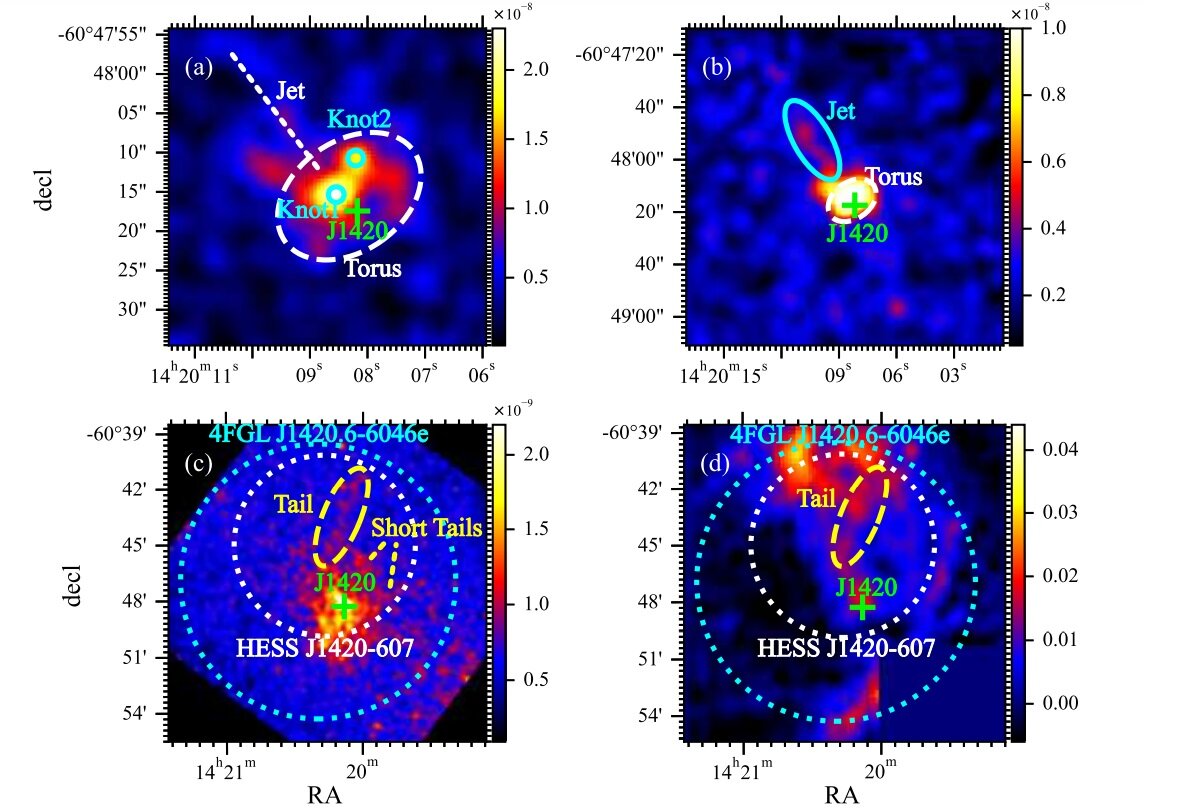
Using various space telescopes, astronomers have performed X-ray observations of a radio pulsar known as PSR J1420−6048. Results of the observational campaign, published January 27 on the arXiv pre-print server, shed more light on the nature of this source and its pulsar wind nebula.

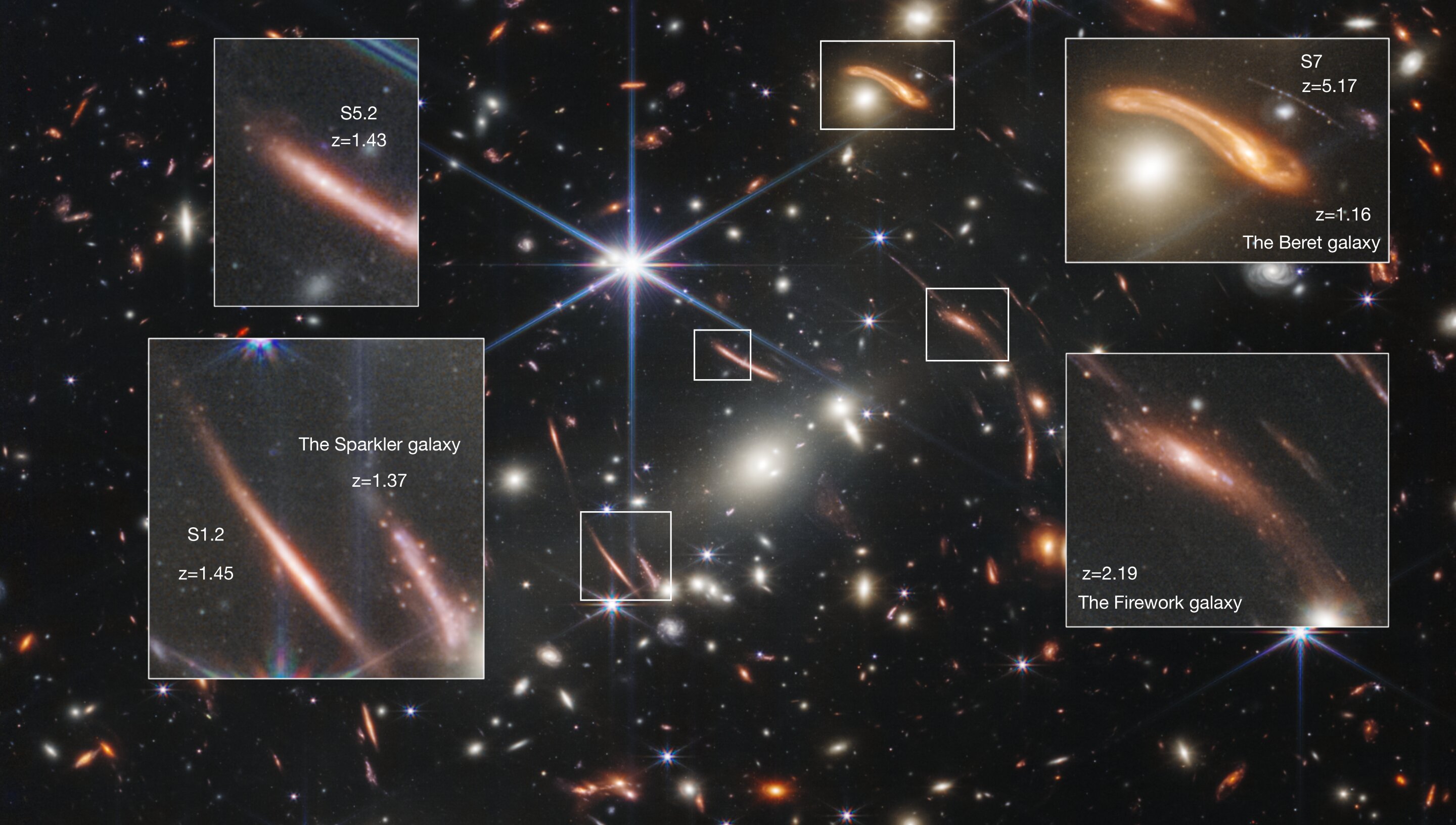
James Webb Space Telescope captures the first phase of star formation in distant galaxies

Thanks to the James Webb Space Telescope's first images of galaxy clusters, researchers have, for the very first time, been able to examine very compact structures of star clusters inside galaxies, so-called clumps. In a paper published in the Monthly Notices of the Royal Astronomical Society, researchers from Stockholm University have studied the first phase of star formation in distant galaxies.

Sunday, February 5, 2023

AI is helping us search for intelligent alien life—and we've found 8 strange new signals

Some 540 million years ago, diverse life forms suddenly began to emerge from the muddy ocean floors of planet Earth. This period is known as the Cambrian Explosion, and these aquatic critters are our ancient ancestors.

Saturday, February 4, 2023

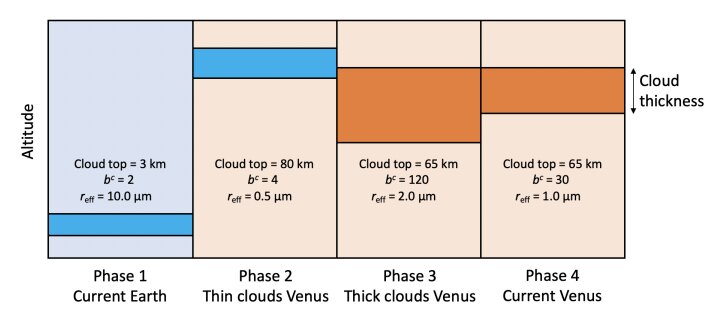
How can we know if we're looking at habitable exo-Earths or hellish exo-Venuses?

The differences between Earth and Venus are obvious to us. One is radiant with life and adorned with glittering seas, and the other is a scorching, glowering hellhole, its volcanic surface shrouded by thick clouds and visible only with radar. But the difference wasn't always clear. In fact, we used to call Venus Earth's sister planet.

Why do black holes twinkle? Study examines 5,000 star-eating behemoths to find out

Black holes are bizarre things, even by the standards of astronomers. Their mass is so great, it bends space around them so tightly that nothing can escape, even light itself.

Friday, February 3, 2023

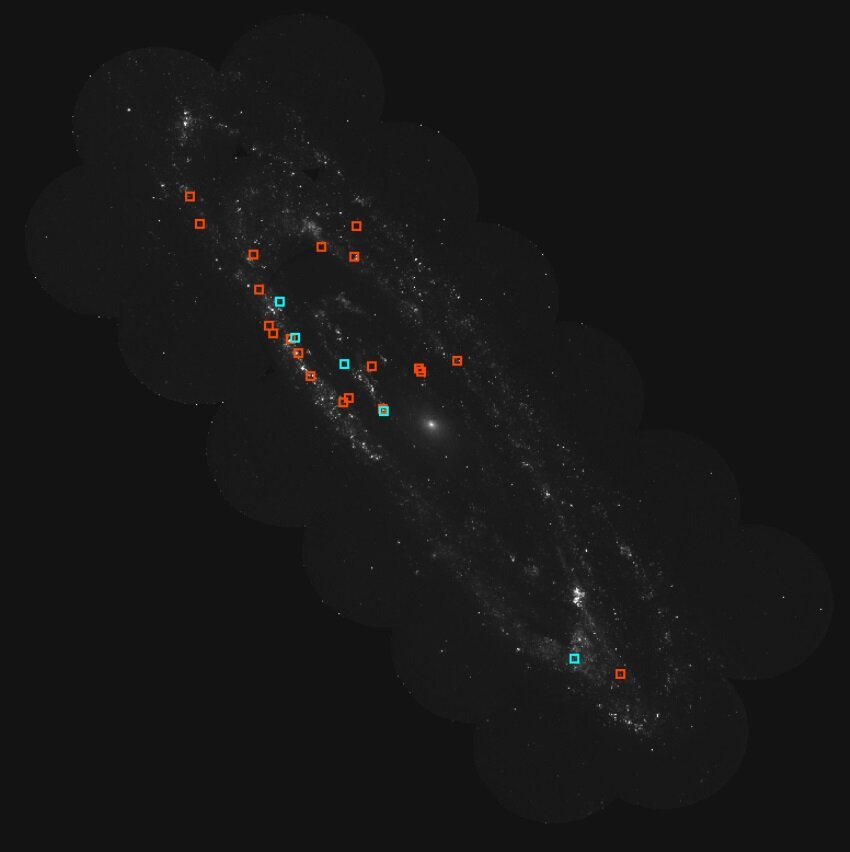
Astronomers identify 20 ultraviolet-emitting supernova remnants in the Andromeda Galaxy

Using the AstroSat satellite, astronomers from the University of Calgary, Canada, have identified 20 supernova remnants (SNRs) in the Andromeda Galaxy, which exhibit diffuse ultraviolet emission. The finding, presented in a research paper published January 25 on the arXiv preprint server, could help us better understand the origin and properties of ultraviolet emission in SNRs.

Astronomers observe light bending around an isolated white dwarf

Astronomers have directly measured the mass of a dead star using an effect known as gravitational microlensing, first predicted by Albert Einstein in his General Theory of Relativity, and first observed by two Cambridge astronomers 100 years ago.

Thursday, February 2, 2023

TESS discovers new warm brown dwarf

Using NASA's Transiting Exoplanet Survey Satellite (TESS), an international team of astronomers has detected a new warm brown dwarf. The newfound object, designated HIP 33609 b, transits a bright and rapidly rotating star. The discovery was presented in a paper published January 23 on the arXiv pre-print repository.

Wednesday, February 1, 2023

'Blue marble': How a half-century of climate change has altered the face of the Earth

In December 1972, NASA's final Apollo mission (Apollo 17) took the iconic "Blue Marble" photo of the whole Earth. Many, including science fiction writer Arthur C. Clarke, had expected that the sight of Earth from afar would instill the belief that mankind's future lay in space.