This is default featured slide 1 title

Go to Blogger edit html and find these sentences.Now replace these sentences with your own descriptions.

This is default featured slide 2 title

Go to Blogger edit html and find these sentences.Now replace these sentences with your own descriptions.

This is default featured slide 3 title

Go to Blogger edit html and find these sentences.Now replace these sentences with your own descriptions.

This is default featured slide 4 title

Go to Blogger edit html and find these sentences.Now replace these sentences with your own descriptions.

This is default featured slide 5 title

Go to Blogger edit html and find these sentences.Now replace these sentences with your own descriptions.

Wednesday, May 31, 2023

Chinese mission with first civilian reaches space station

China sent three astronauts to its Tiangong space station on Tuesday, putting a civilian into orbit for the first time as it pursues plans to send a crewed mission to the Moon by 2030.

Tuesday, May 30, 2023

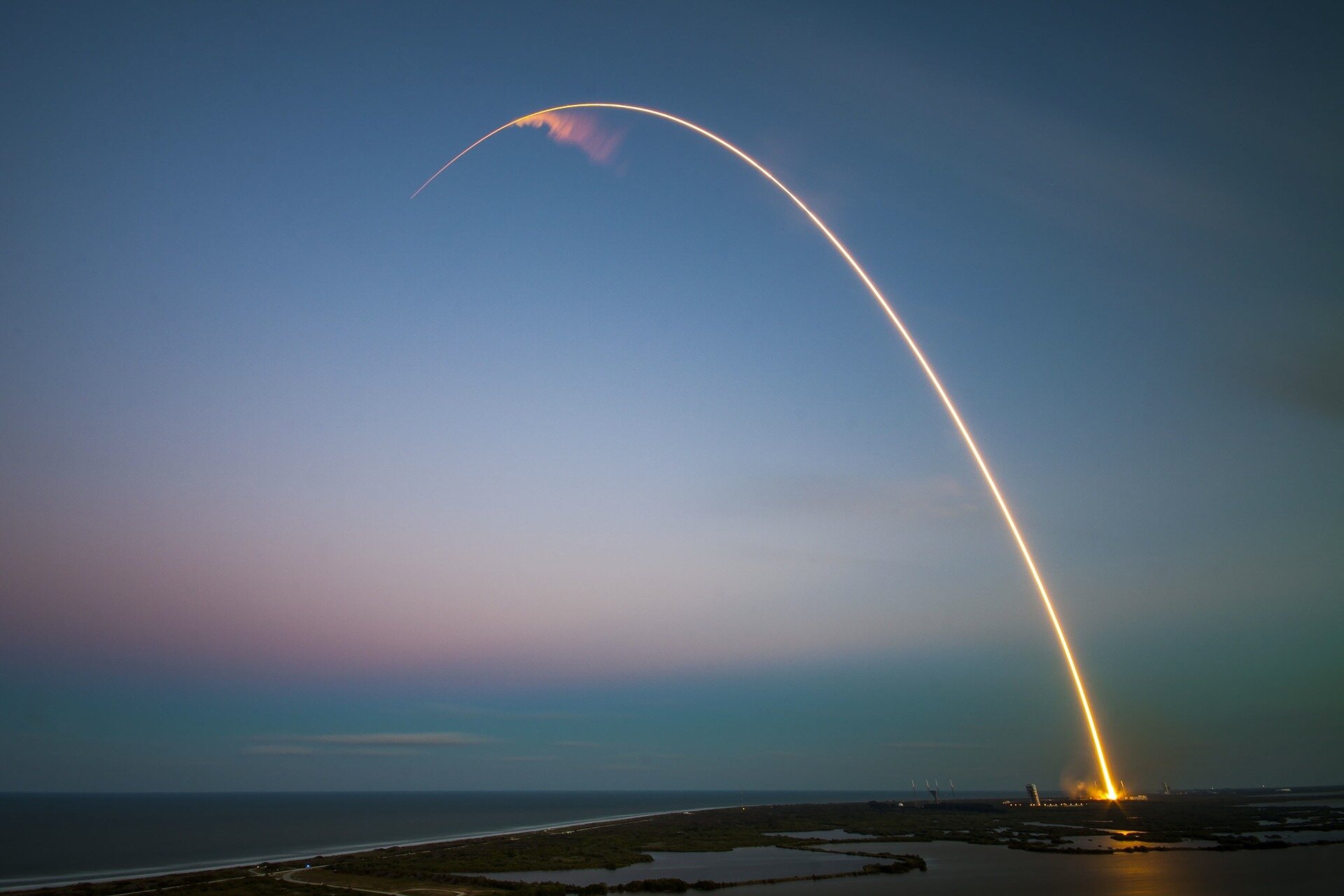
Weather clears as SpaceX knocks out overnight satellite launch

After a week of stormy weather delays, SpaceX waited just a bit longer but managed an early Saturday liftoff of a satellite to knock out the Space Coast's 26th launch of the year.

Monday, May 29, 2023

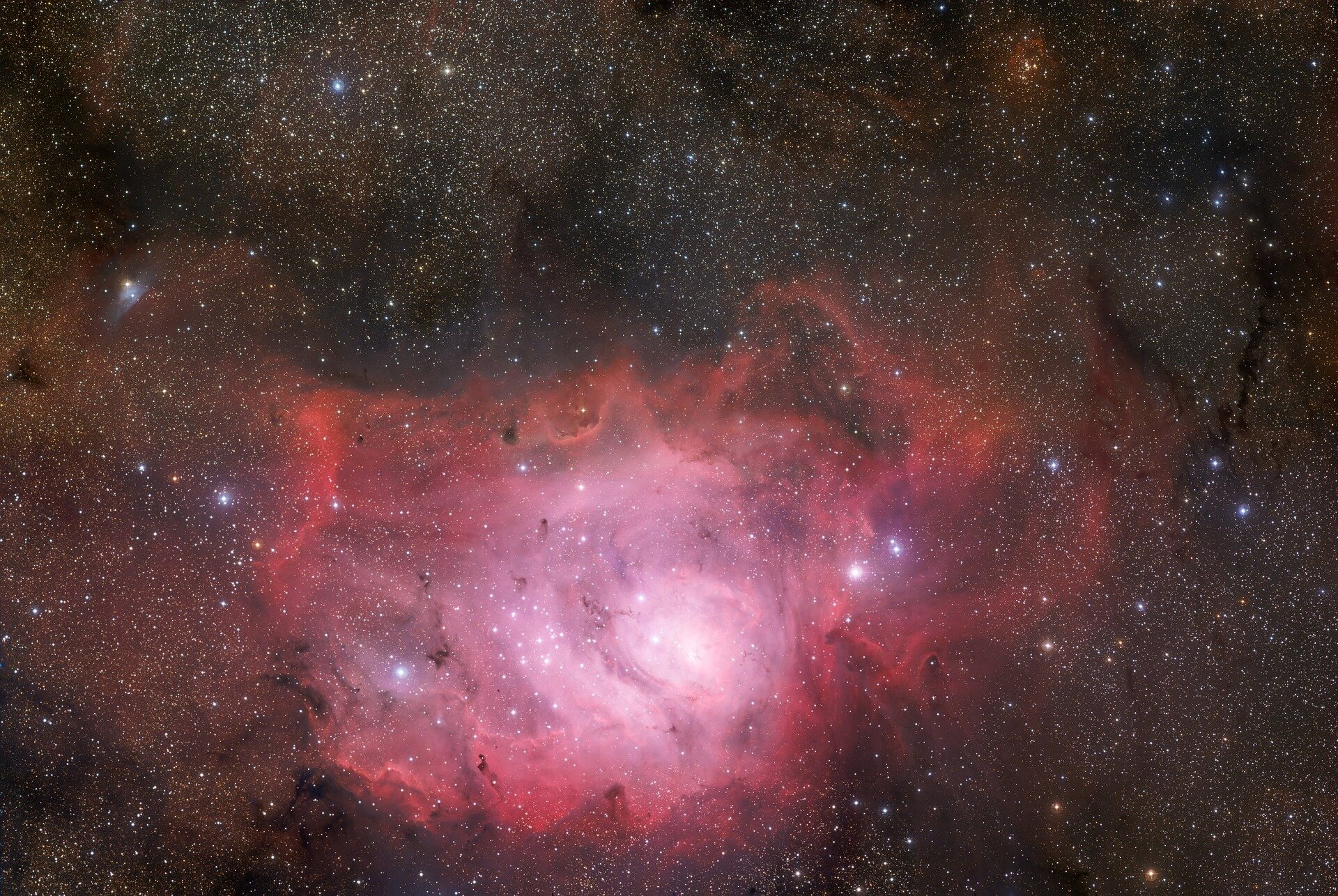
Observers inspect complex magnetic field of the molecular cloud Lynds 43

Using the James Clerk Maxwell Telescope (JCMT), an international team of astronomers has observed a nearby molecular cloud designated Lynds 43. Results of the observations, published May 18 on the arXiv pre-print server, provide more hints into the complex magnetic field of this cloud.

Video: Picking up lightsabers for Mars

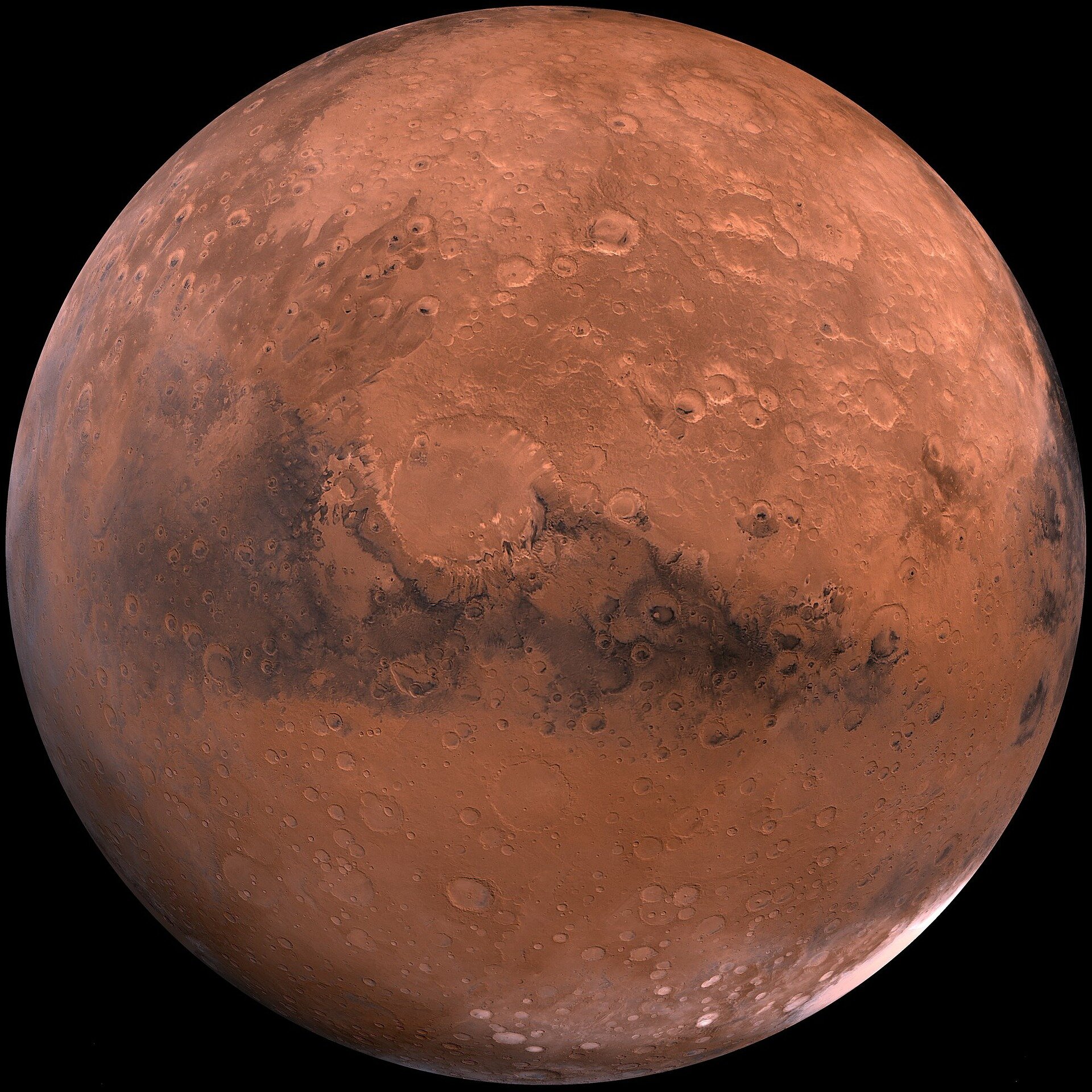
Detect, fetch and collect. A seemingly easy task is being tested to find the best strategy to collect samples on the martian surface, some 290 000 million km away from home.

China plans to land astronauts on moon before 2030, another step in what looks like a new space race

China plans to land astronauts on the moon before 2030, in what would be another advance in what's increasingly seen as a new space race pitting the Asian autocracy against the United States and its democratic allies.

Saturday, May 27, 2023

Research team reveals reconfiguration process of solar eruptions

Recently, a research team led by Prof. Gou Yanyu from the University of Science and Technology of China (USTC) of the Chinese Academy of Sciences (CAS) found that the solar outburst structure undergoes a complex reconfiguration evolution during the early outbursts. This is an important advancement in the study of solar outburst activity. This study was published in Nature Astronomy.

Friday, May 26, 2023

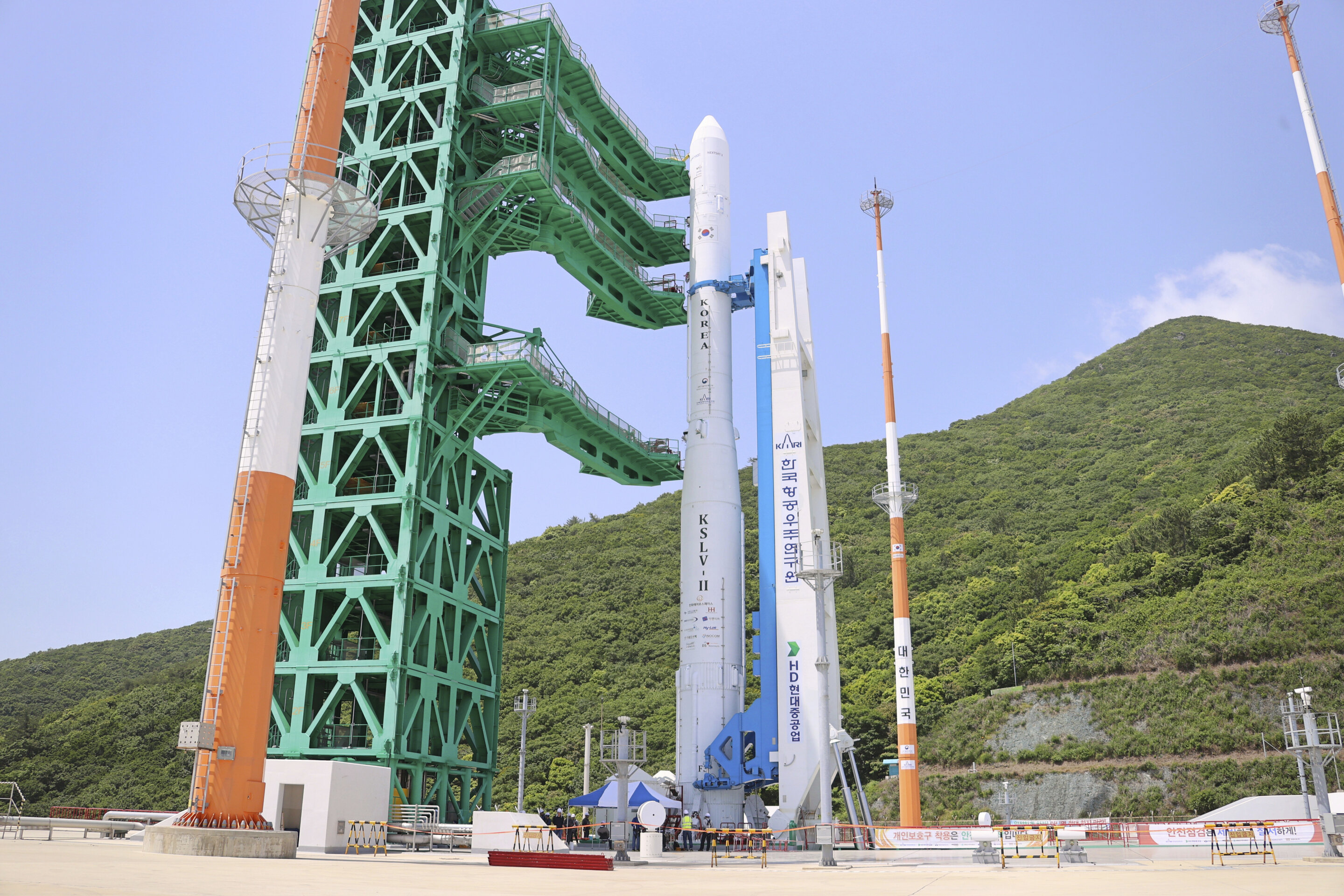
South Korea hails successful launch of homegrown rocket (Update)

South Korea said Thursday it had successfully launched its homegrown Nuri rocket and placed working satellites into orbit, hailing a key step forward for the country's burgeoning space program.

Thursday, May 25, 2023

South Korea to conduct satellite launch as North Korea pushes to fire its 1st military spy satellite

South Korea was set to launch its first commercial-grade satellite Wednesday as rival North Korea pushed plans forward to place its first military spy satellite into orbit.

Wednesday, May 24, 2023

Open cluster NGC 5288 investigated in detail

By analyzing the data from ESA's Gaia satellite and from the Two Micron All Sky Survey (2MASS), Indian astronomers have investigated a galactic open cluster known as NGC 5288. Results of the study, published May 17 on the arXiv preprint server, yield important information regarding the properties of this cluster.

Tuesday, May 23, 2023

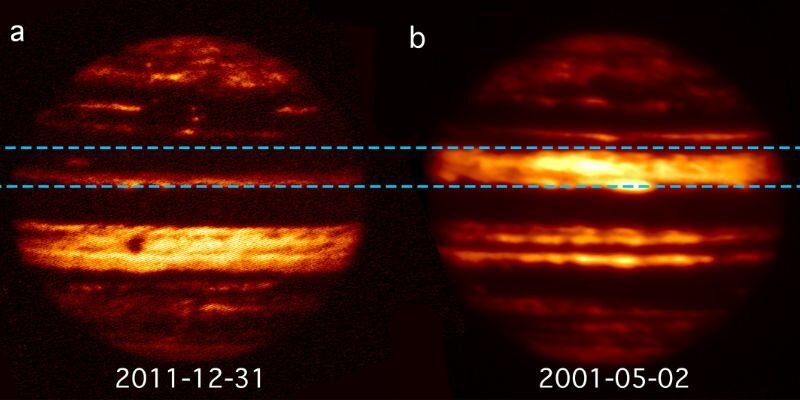
Research 'solves' mystery of Jupiter's stunning color changes

Academics at the University of Leeds believe they could have found the answer to a long-running mystery behind Jupiter's famous "stripes."

Monday, May 22, 2023

Private mission carrying first Saudi astronauts to visit ISS set for launch

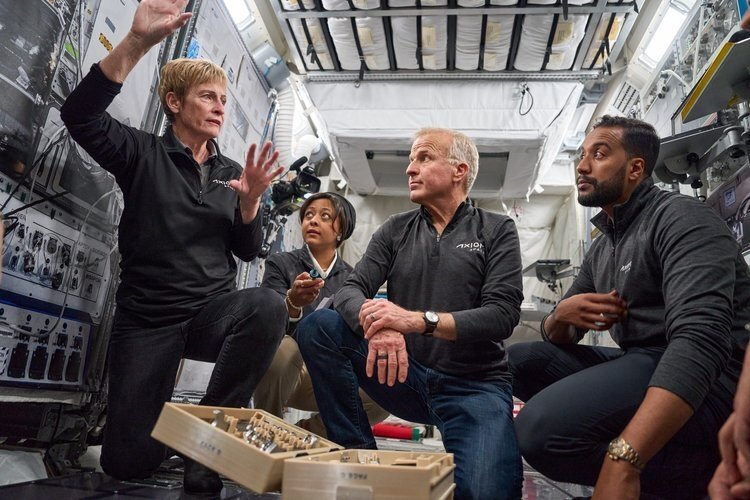
A private mission to the International Space Station (ISS) organized by Axiom Space is due to blast off from Florida on Sunday, carrying the first two Saudi astronauts to go to the orbiting laboratory.

Sunday, May 21, 2023

After SpaceX, NASA taps Bezos's Blue Origin to build Moon lander

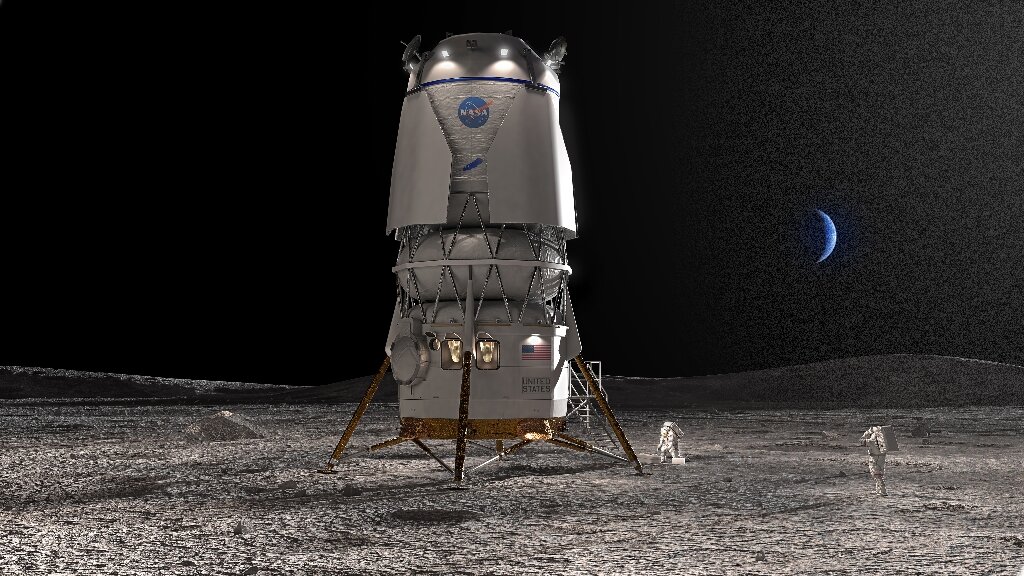
Two years after awarding Elon Musk's SpaceX a contract to ferry astronauts to the surface of the Moon, NASA on Friday announced it had chosen Blue Origin, a rival space company founded by billionaire Jeff Bezos, to build a second lunar lander.

Saturday, May 20, 2023

Fatty acids might exist in space

A team of physicists have discovered that the environment of a molecular cloud in interstellar space can support the existence of fatty acids, a key component of life on Earth.

NASA's Lucy spacecraft adjusts course for asteroid flyby in November

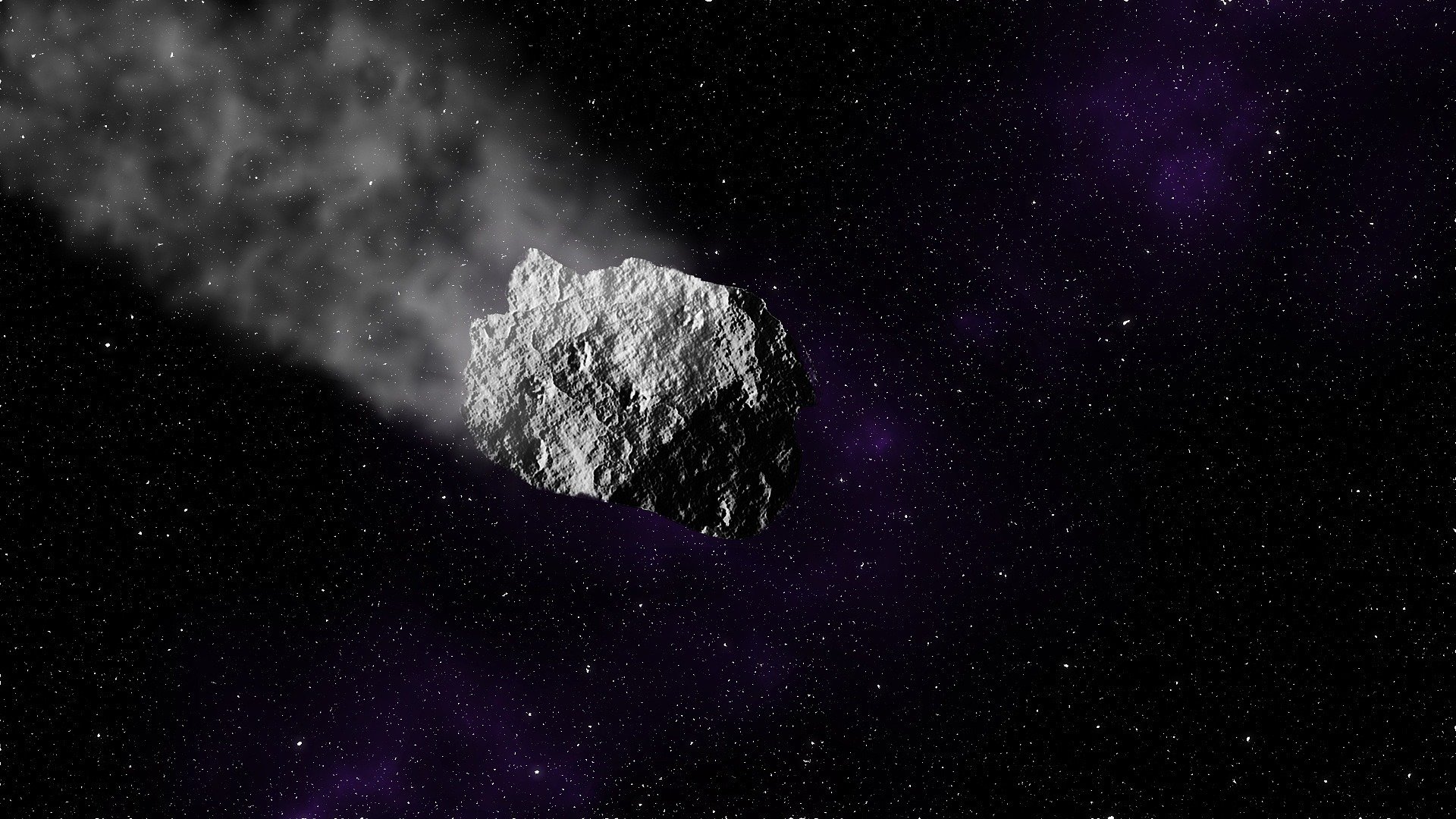
On May 9, NASA's Lucy spacecraft carried out a trajectory correction maneuver to set the spacecraft on course for its close encounter with the small main belt asteroid Dinkinesh. The maneuver changed the velocity of the spacecraft by only about 7.7 mph (3.4 m/s).

Friday, May 19, 2023

XTE J1906+090 is a persistent low-luminosity Be X-ray binary, study suggests

Using INTEGRAL and Swift spacecraft, European astronomers have observed an unidentified X-ray source known as XTE J1906+090. Results of the observational campaign, presented May 11 on the arXiv preprint server, suggest that this source belongs to the small and rare group of persistent low-luminosity Be X-ray binaries.

Thursday, May 18, 2023

Webb telescope spots signs of universe's biggest stars

The James Webb Space Telescope has helped astronomers detect the first chemical signs of supermassive stars, "celestial monsters" blazing with the brightness of millions of Suns in the early universe.

Wednesday, May 17, 2023

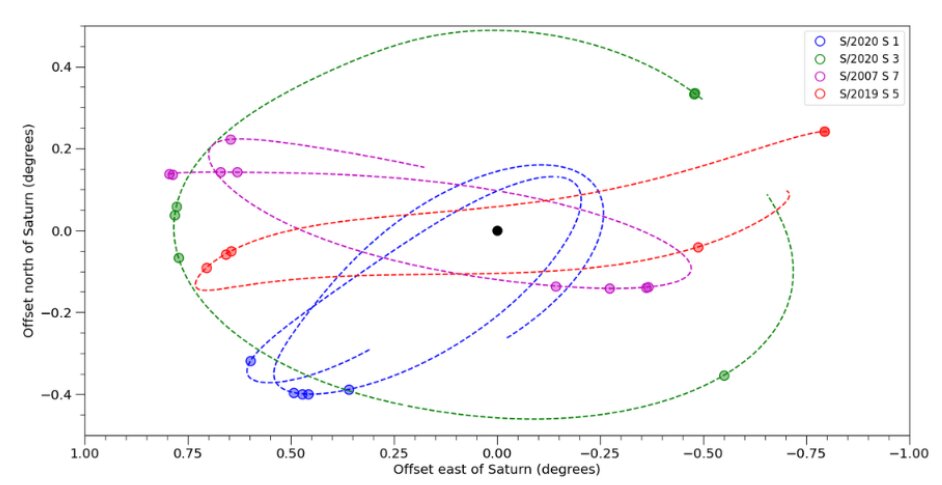
Researchers announce 62 new moons of Saturn

The work of an international team of astronomers has resulted in the announcement of 62 new moons of Saturn, catapulting it back into first place of the "moon race" around the giant planets of our solar system.

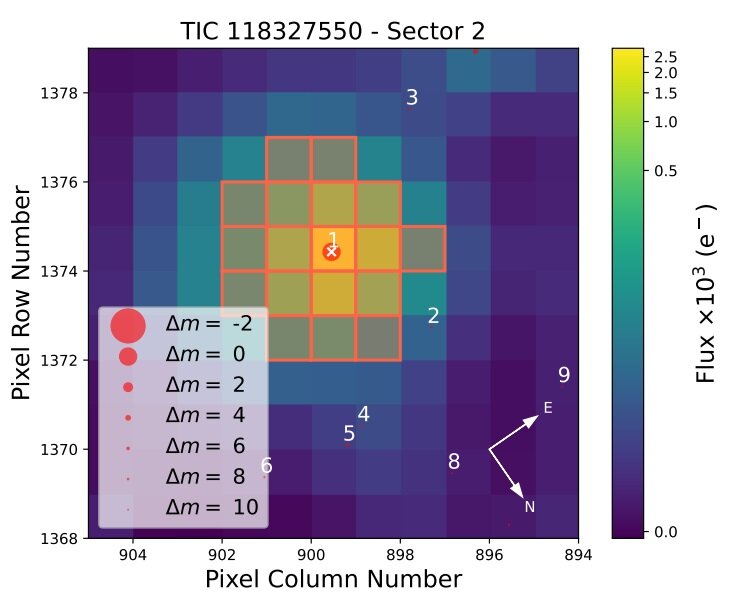
Astronomers discover an unusually low-density super-Earth

An international team of astronomers reports the detection of a new "super-Earth" exoplanet using NASA's Transiting Exoplanet Survey Satellite (TESS). The newfound alien world, designated TOI-244 b, turns out to have an unusually low density. The finding was reported in a paper published May 8 on the arXiv preprint server.

Tuesday, May 16, 2023

James Webb Space Telescope detects outgassing water from main-belt comet

After 15 years of attempts, researchers using the James Webb Space Telescope (JWST) have for the first time successfully detected water outgassing from a main-belt comet.

Monday, May 15, 2023

Blazar 1ES 1959+650 investigated with Swift and XMM-Newton satellites

Using NASA's Swift observatory and ESA's XMM-Newton satellite, Indian astronomers have inspected a prominent high synchrotron peaked blazar known as 1ES 1959+650. Results of the study, published May 5 on the arXiv pre-print server, shed more light on the nature of this source.

How fast is the universe really expanding? Multiple views of an exploding star raise new questions

How did we get here? Where are we going? And how long will it take? These questions are as old as humanity itself, and, if they've already been asked by other species elsewhere in the universe, potentially very much older than that.

Sunday, May 14, 2023

Astronomers puzzled by 'largest' ever cosmic explosion

Astronomers said on Friday they have identified the "largest" cosmic explosion ever observed, a fireball 100 times the size of our Solar System that suddenly began blazing in the distant universe more than three years ago.

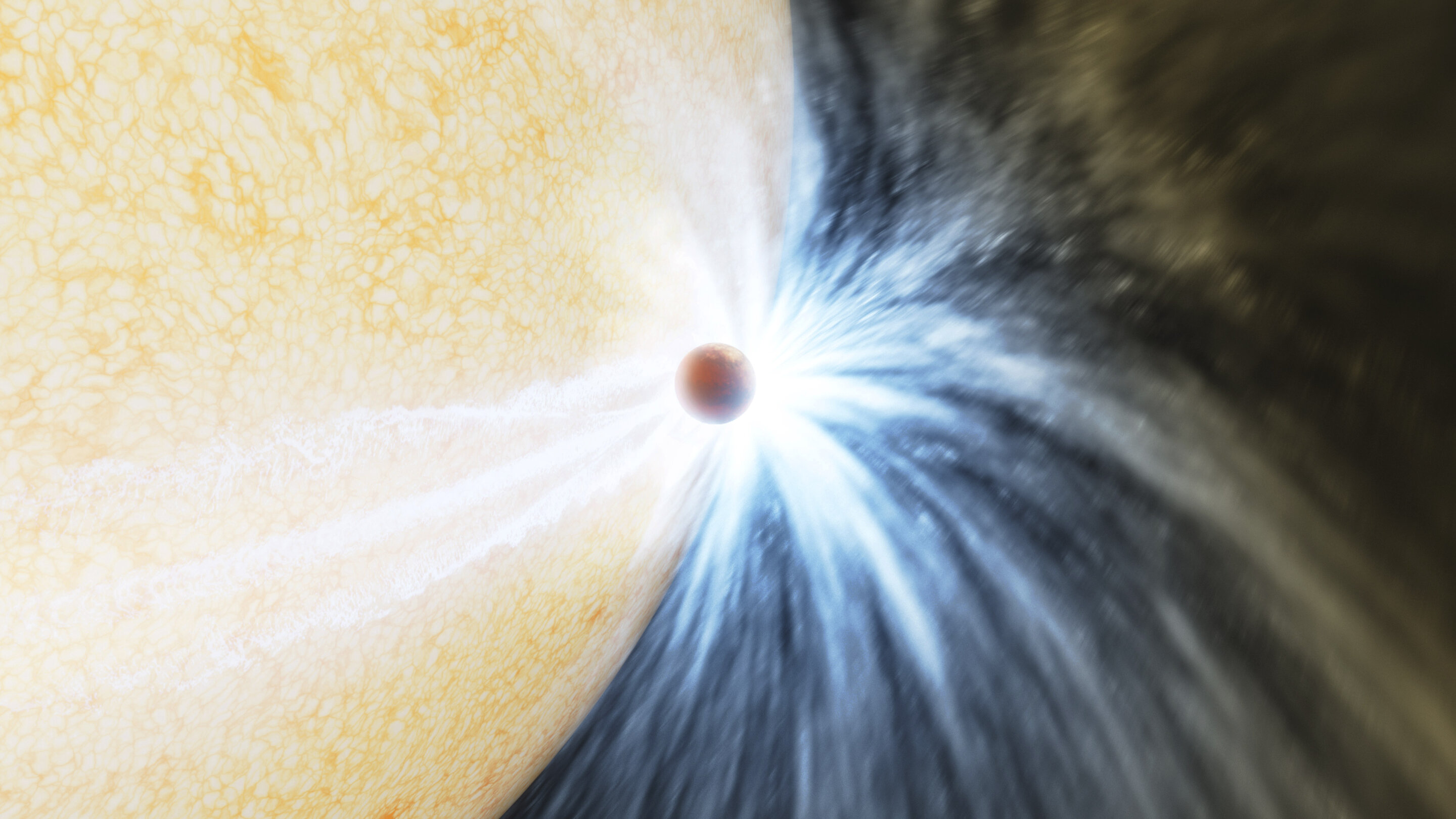
Astronomers just saw a star eat a planet—an astrophysicist on the team explains the first-of-its-kind discovery

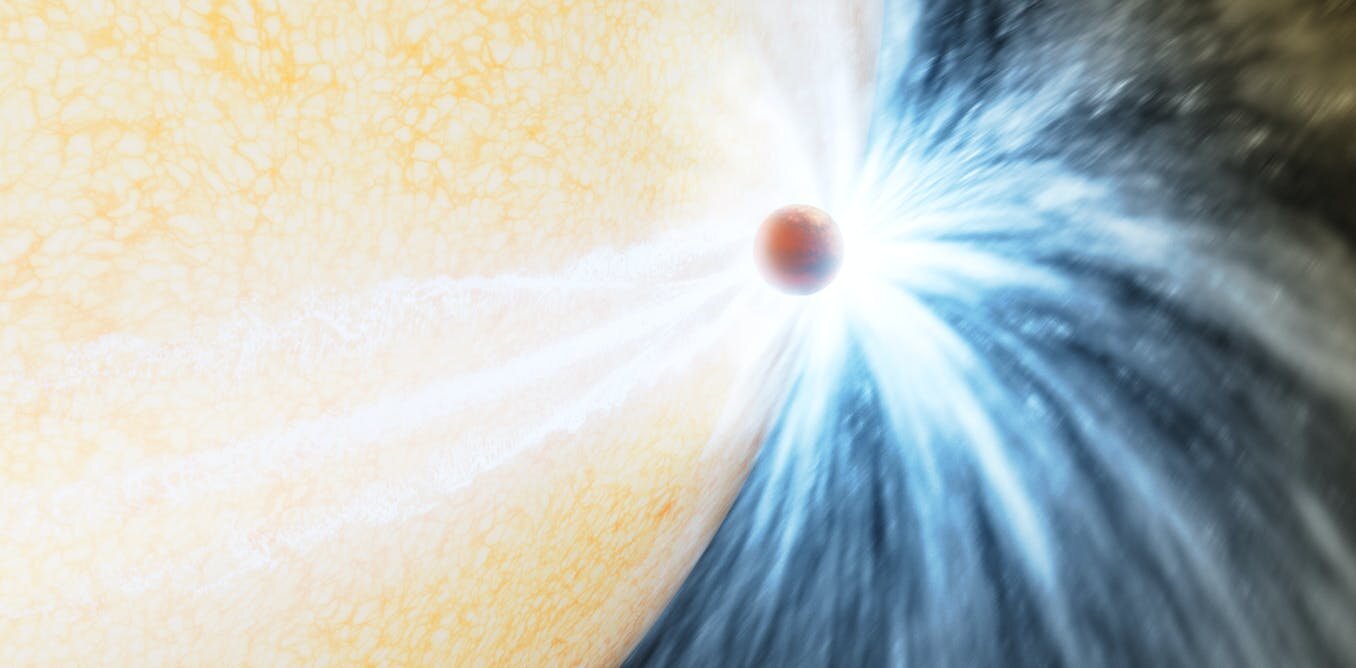
For the first time, astronomers have captured images that show a star consuming one of its planets. The star, named ZTF SLRN-2020, is located in the Milky Way galaxy, in the constellation Aquila. As the star swallowed its planet, the star brightened to 100 times its normal level, allowing the 26-person team of astronomers I worked with to detect this event as it happened.

Saturday, May 13, 2023

Tidal shocks can light up the remains of a star being pulled apart by a black hole

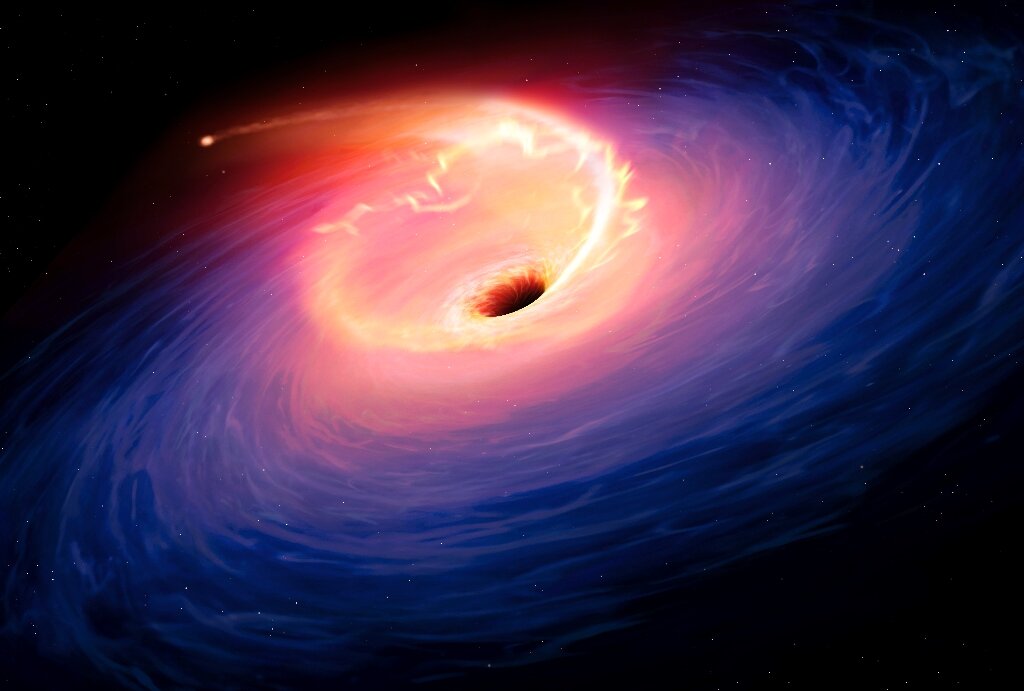
A new study sheds light on the bright outbursts of radiation that are created when a star is destroyed by a supermassive black hole. The outbursts do not necessarily form in the close vicinity of the black hole, but are created by tidal shocks that occur when gas from the destroyed star hits itself while circling the black hole.

Friday, May 12, 2023

A strange, solitary life for young stars at the Milky Way's center

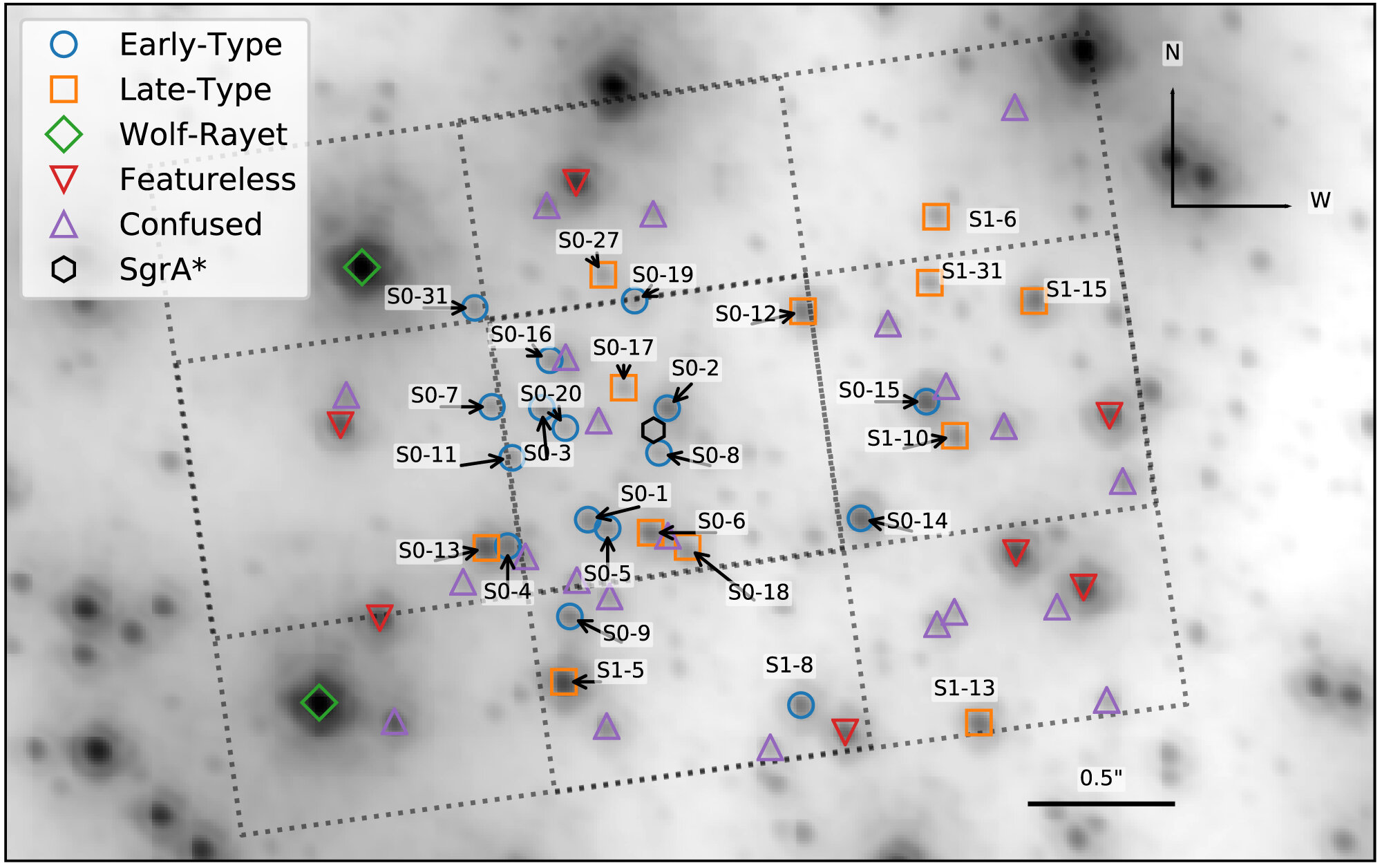
Stars living closest to the supermassive black hole at the center of the Milky Way have no stellar companions, a new study finds.

Thursday, May 11, 2023

JWST observations unveil stellar structure of star-forming galaxy GN20

An international team of astronomers has used the James Webb Space Telescope (JWST) to observe a luminous dusty star-forming galaxy known as GN20. Results of the observational campaign, published April 26 on the arXiv preprint server, deliver important insights into the stellar structure of this galaxy.

Wednesday, May 10, 2023

Deep optical photometric observations of the open cluster Bochum 2

Indian astronomers have carried out deep optical photometric observations of the Galactic open cluster Bochum 2 using the 1.3m Devasthal Fast Optical Telescope (DFOT). Results of the observational campaign, published May 2 on arXiv, deliver important insights into the properties of this cluster.

Tuesday, May 9, 2023

Hubble views the jellyfish galaxy JO175

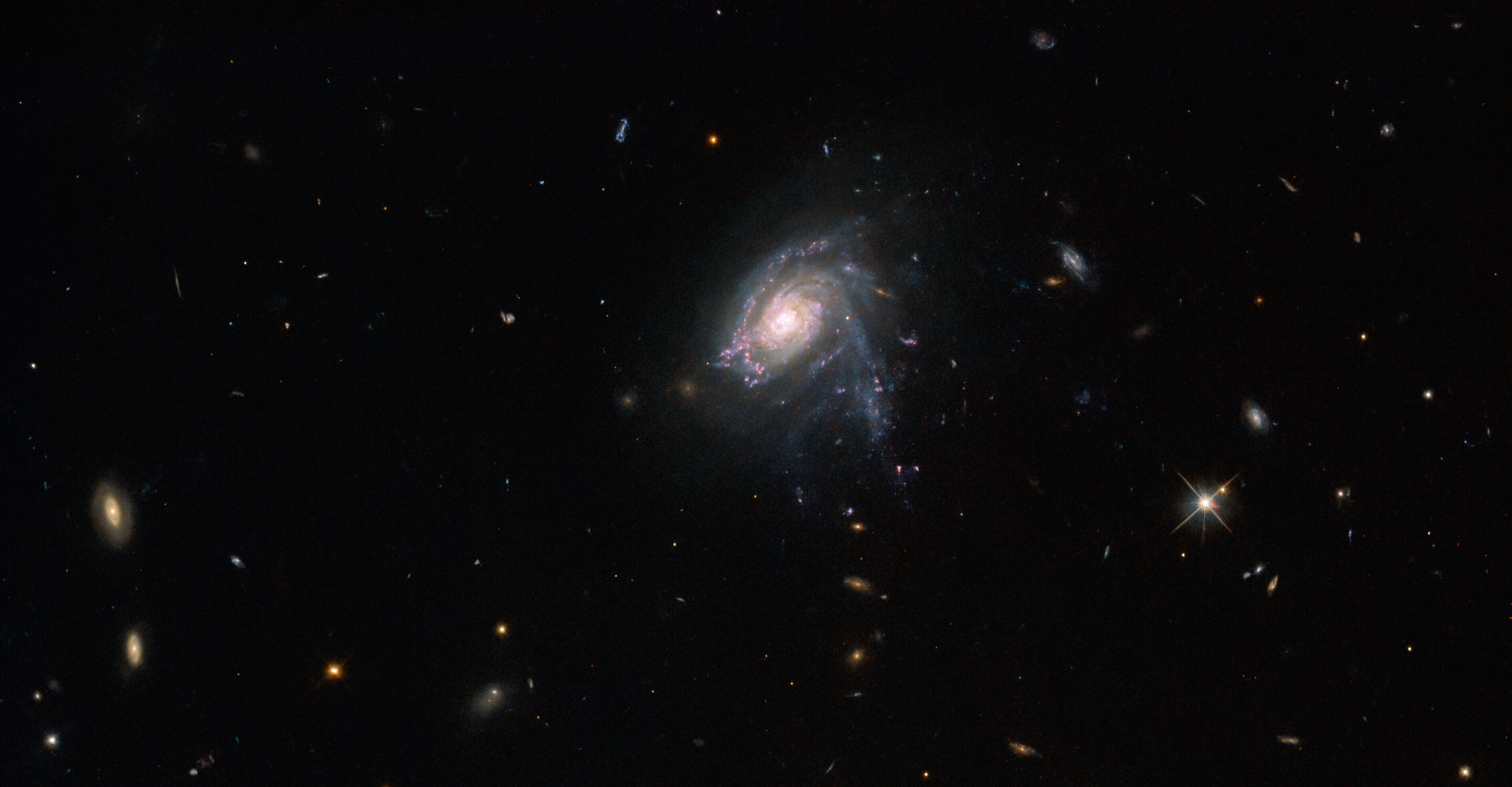
The jellyfish galaxy JO175 appears to hang suspended in this image from the NASA/ESA Hubble Space Telescope. This galaxy lies over 650 million light-years from Earth in the appropriately named constellation Telescopium and was captured in crystal-clear detail by Hubble's Wide Field Camera 3. A handful of more distant galaxies are lurking throughout the scene, and a bright four-pointed star lies to the lower right side.

Monday, May 8, 2023

Long tidal tails detected in the galaxy pair Arp 269

Using the Five-hundred-meter Aperture Spherical radio Telescope (FAST), Chinese astronomers have observed a pair of galaxies known as Arp 269. They detected extended tidal tails emerging from this system. The finding was reported in a paper published April 28 on the arXiv pre-print repository. The article has been accepted for publication in Monthly Notices of the Royal Astronomical Society.

Bizarre exoplanet breaks all the orbital rules

In our solar system, the planetary orbits all have a similar orientation. Their orbital planes vary by a few degrees, but roughly the planets all orbit in the same direction. This invariable plane as it's known also has an orientation within a few degrees of the sun's rotational plane. Most planetary systems have a similar arrangement, where planetary orbits and stellar rotation are roughly aligned, but a few exoplanets defy this trend, and we aren't entirely sure why.

NASA launches two small satellites to track hurricanes

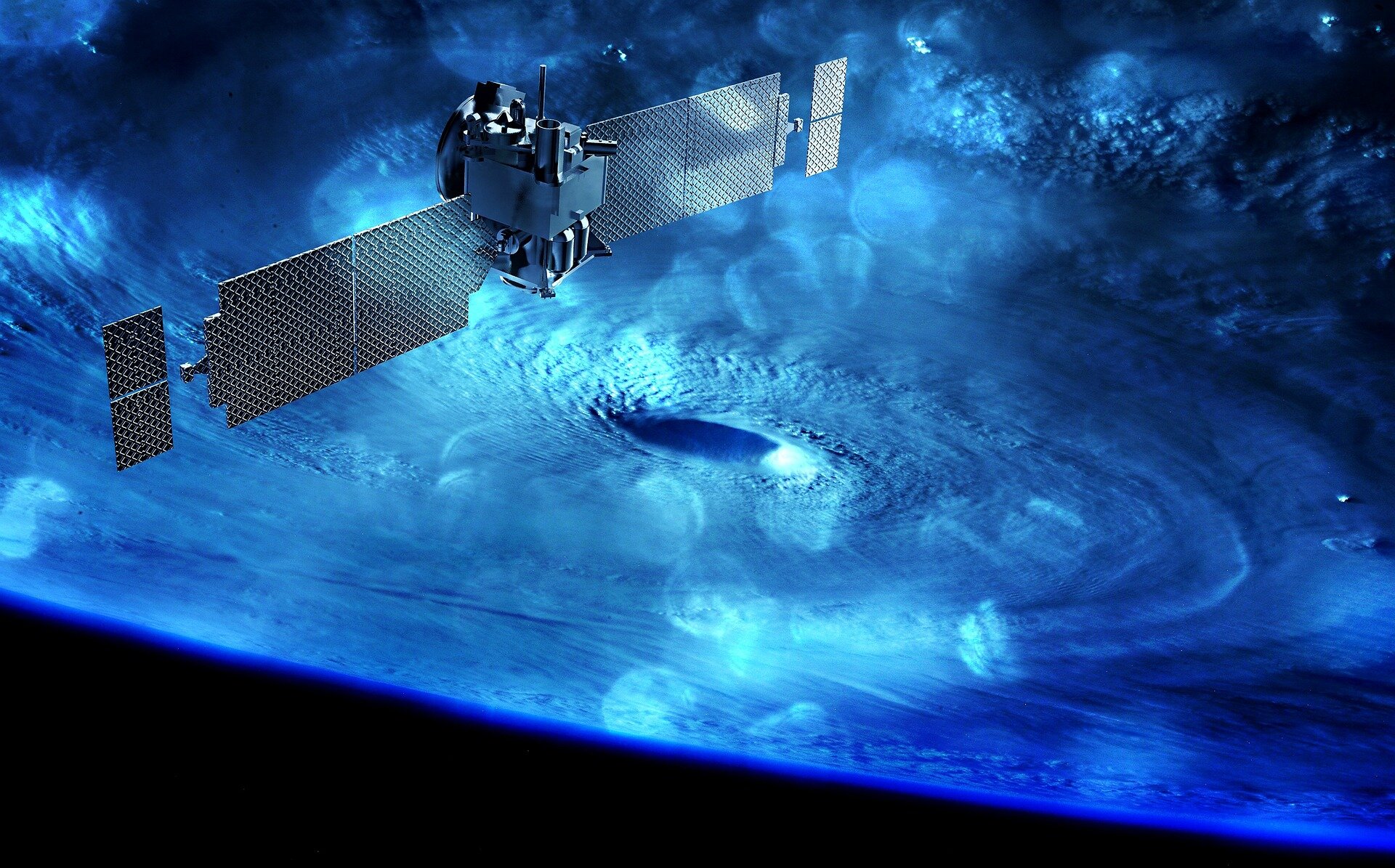
NASA launched two small satellites designed to track tropical cyclones hour by hour from a base in New Zealand on Monday, in a project that could improve weather predictions on devastating storms.

Sunday, May 7, 2023

Galactic gobble: Star swallows planet in one big gulp

For the first time, scientists have caught a star in the act of swallowing a planet—not just a nibble or bite, but one big gulp.

Saturday, May 6, 2023

Earth from space: Farming the desert

The Copernicus Sentinel-2 mission takes us over El Oued, in northeast Algeria, about 80 km west of the border with Tunisia.

Friday, May 5, 2023

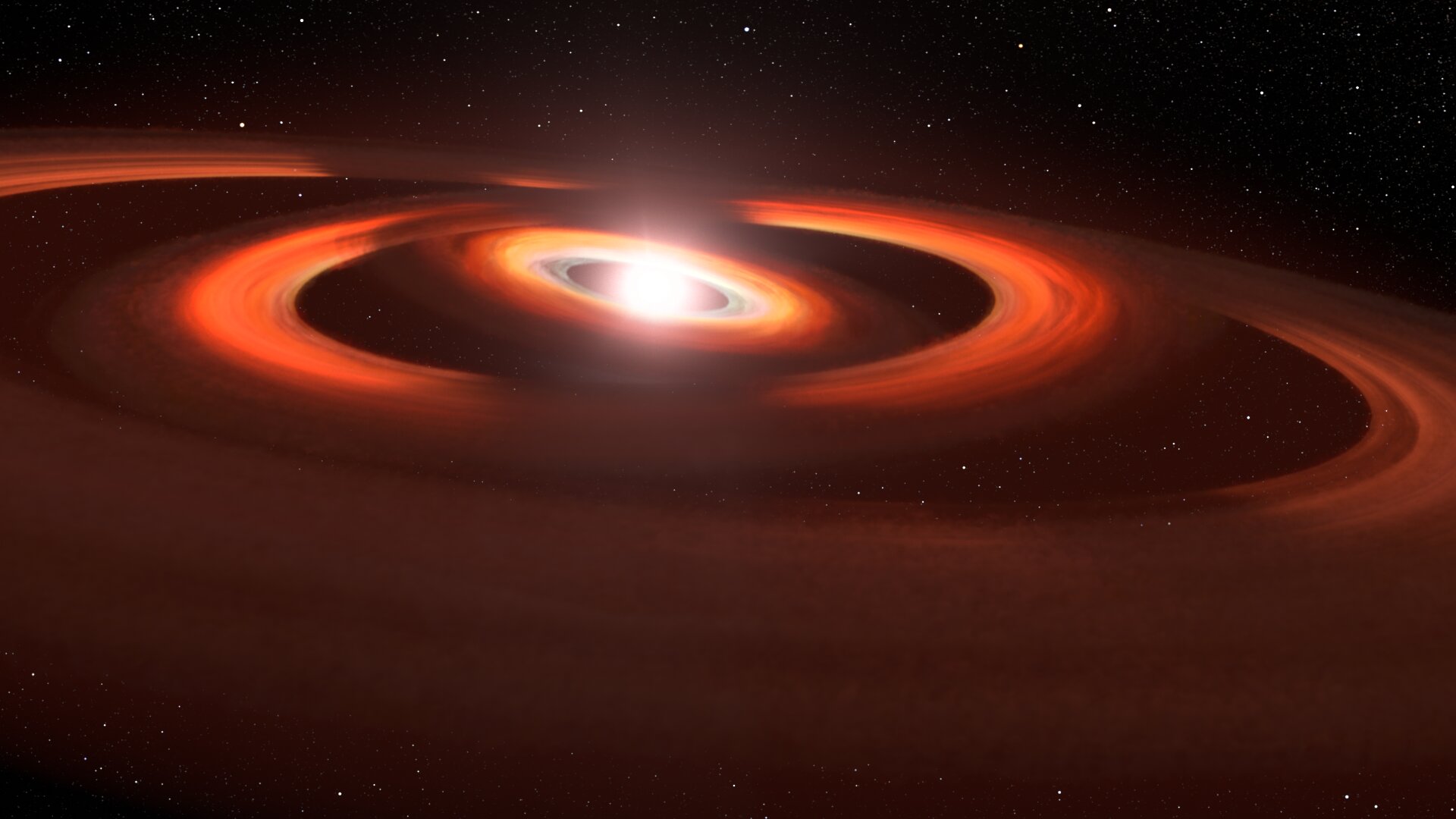
Hubble follows shadow play around planet-forming disk

The young star TW Hydrae is playing "shadow puppets" with scientists observing it with NASA's Hubble Space Telescope.

Thursday, May 4, 2023

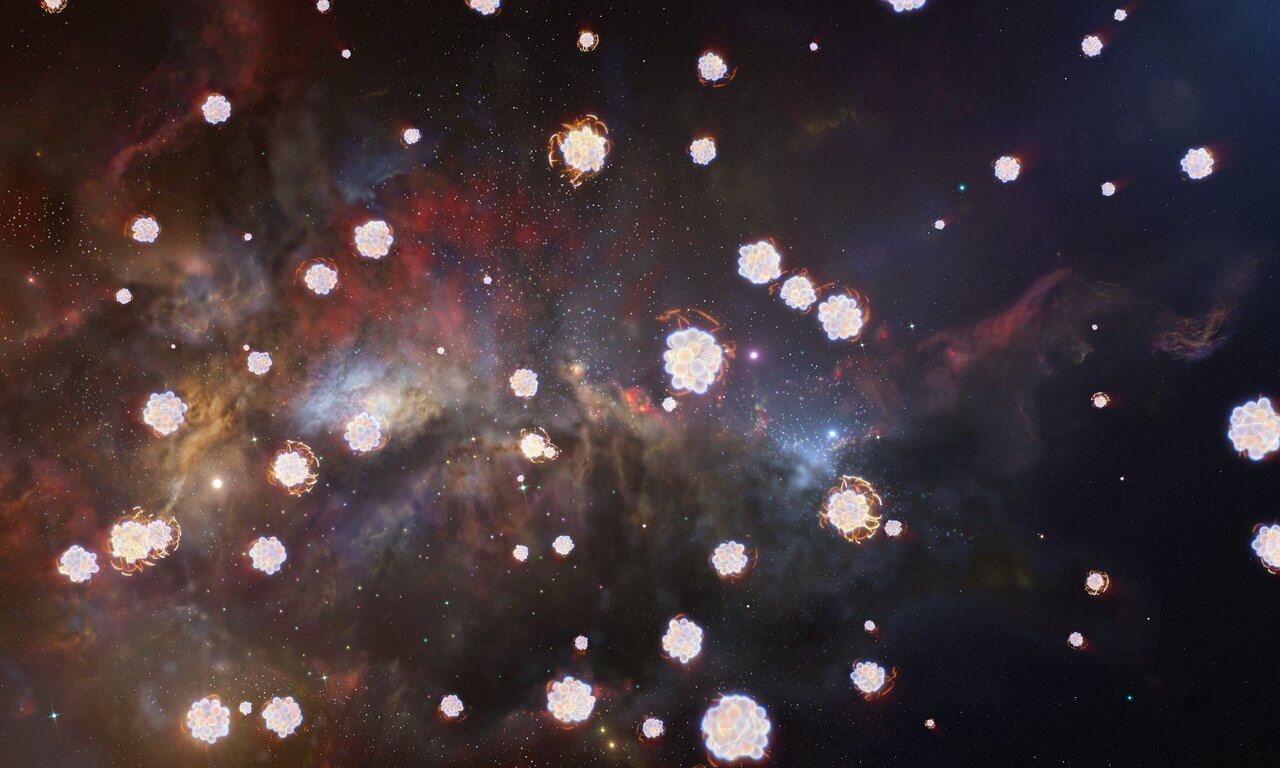
Astronomers find distant gas clouds with leftovers of the first stars

Using ESO's Very Large Telescope (VLT), researchers have found, for the first time, the fingerprints left by the explosion of the first stars in the universe. They detected three distant gas clouds whose chemical composition matches what we expect from the first stellar explosions. These findings bring us one step closer to understanding the nature of the first stars that formed after the Big Bang.
Wednesday, May 3, 2023

NASA's last S-MODE mission studies the ocean's surface

The mission is gathering observations with airborne sensors, a research ship, and autonomous instruments like gliders that skim the upper layers of the Pacific Ocean.

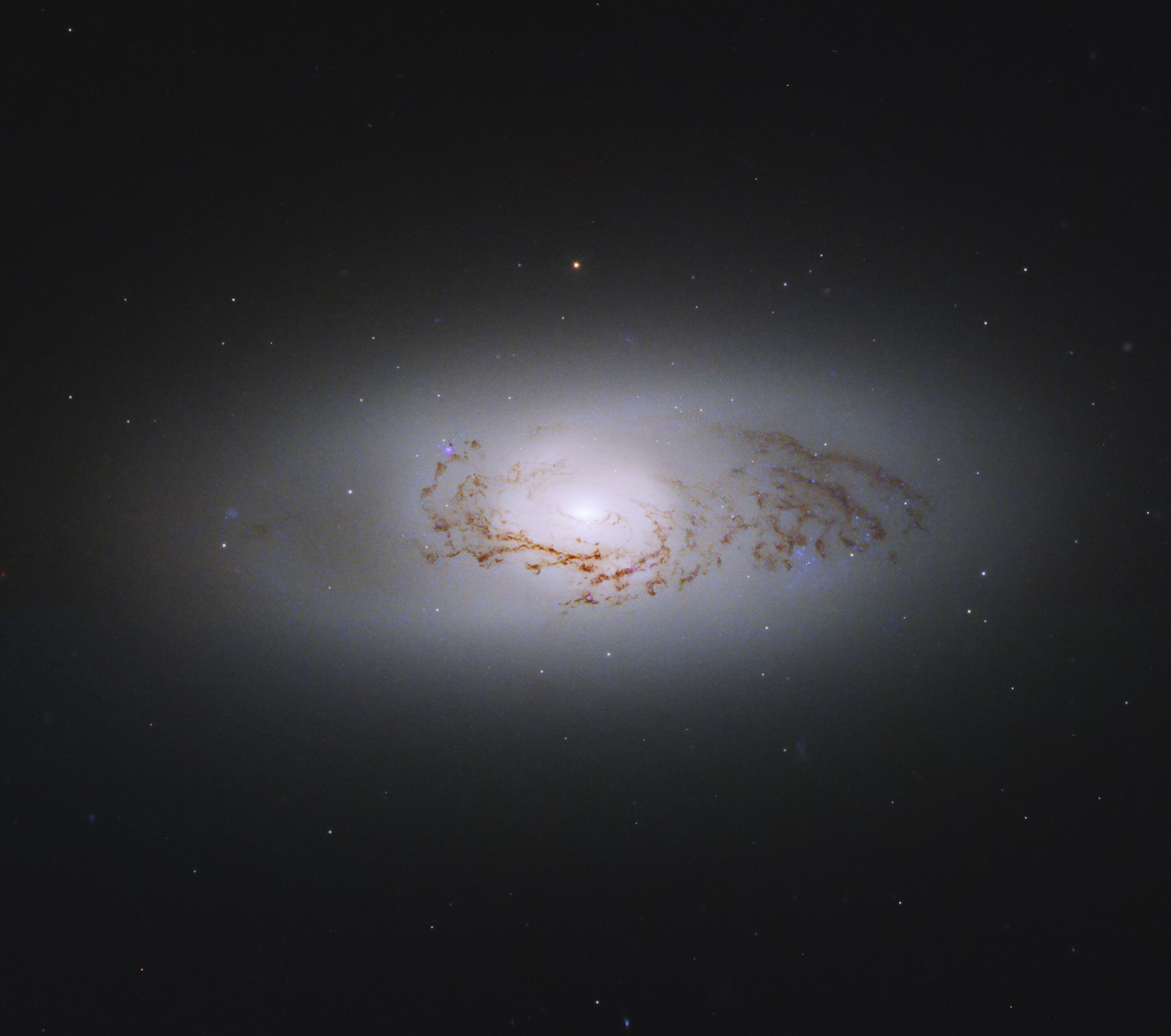
Hubble observes lenticular galaxy NGC 3489

NASA's Hubble Space Telescope captured this image of the lenticular galaxy NGC 3489. Lenticular galaxies aren't quite spiral galaxies or elliptical galaxies. They lie somewhere in between, exhibiting traits of both. Lenticular galaxies have a central bulge of tightly packed stars and a thin, circular disk of stars, gas, and dust, like spiral galaxies, but they lack arms. And like elliptical galaxies, lenticular galaxies have older stellar populations and little ongoing star formation.

Tuesday, May 2, 2023

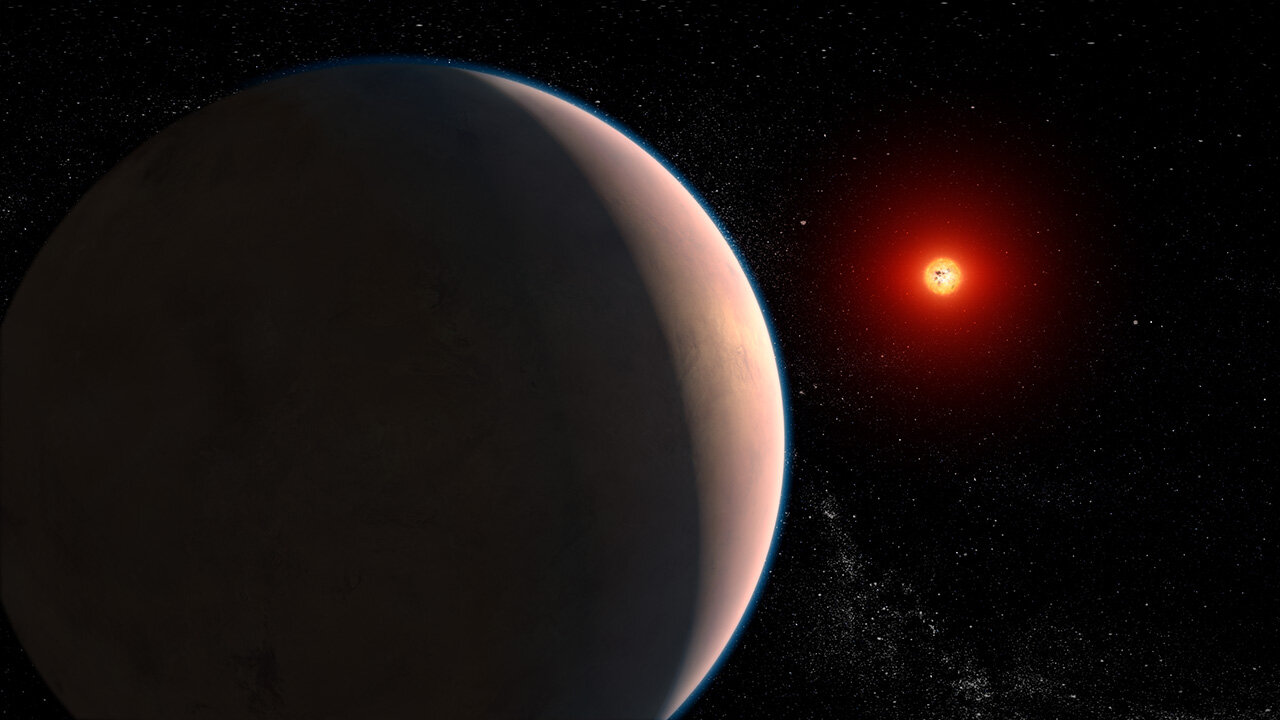
Webb finds water vapor, but is it from a rocky planet or its star?

GJ 486 b is about 30% larger than the Earth and three times as massive, which means it is a rocky world with stronger gravity than Earth. It orbits a red dwarf star in just under 1.5 Earth days. It is too close to its star to be within the habitable zone, with a surface temperature of about 800 degrees Fahrenheit. And yet, Webb observations show hints of water vapor.

Monday, May 1, 2023

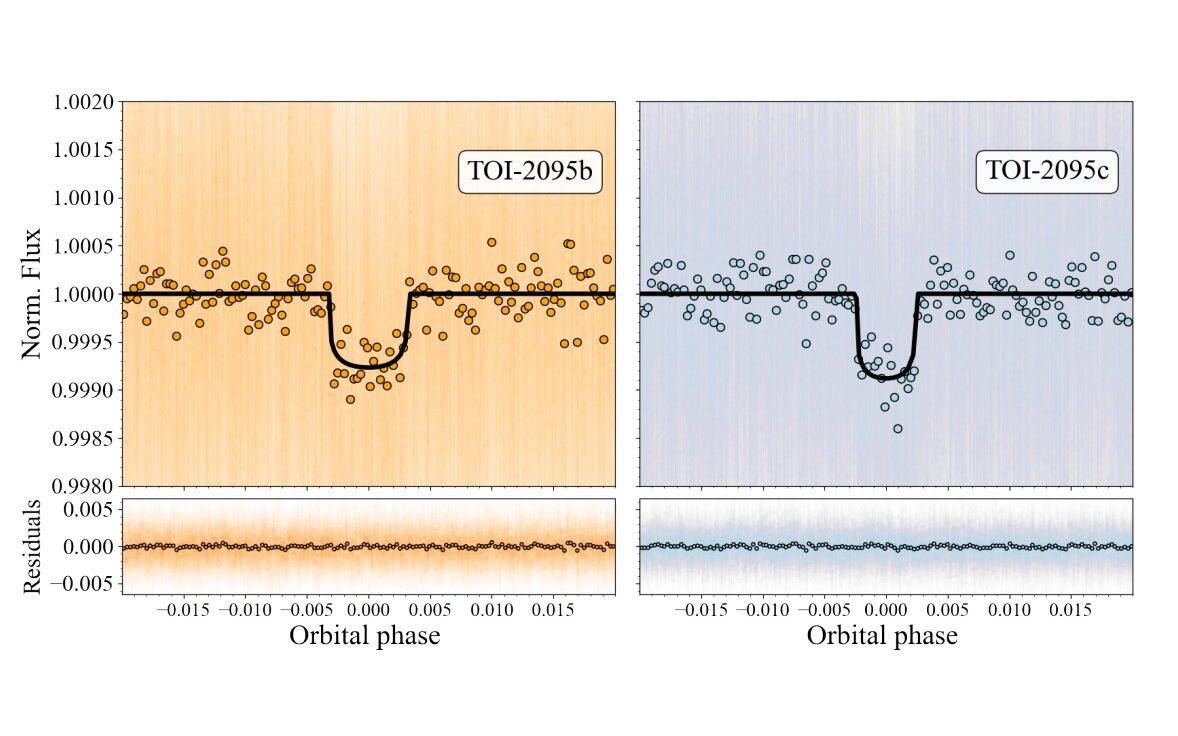
Astronomers discover two super-Earths orbiting nearby star

Using NASA's Transiting Exoplanet Survey Satellite (TESS), an international team of astronomers has discovered two "super-Earth" exoplanets orbiting a nearby M-dwarf star known as TOI-2095. The newfound alien worlds have short orbital periods and are slightly larger than the Earth. The findings were presented April 18 on the arXiv pre-print server.