This is default featured slide 1 title

Go to Blogger edit html and find these sentences.Now replace these sentences with your own descriptions.

This is default featured slide 2 title

Go to Blogger edit html and find these sentences.Now replace these sentences with your own descriptions.

This is default featured slide 3 title

Go to Blogger edit html and find these sentences.Now replace these sentences with your own descriptions.

This is default featured slide 4 title

Go to Blogger edit html and find these sentences.Now replace these sentences with your own descriptions.

This is default featured slide 5 title

Go to Blogger edit html and find these sentences.Now replace these sentences with your own descriptions.
Sunday, July 31, 2022

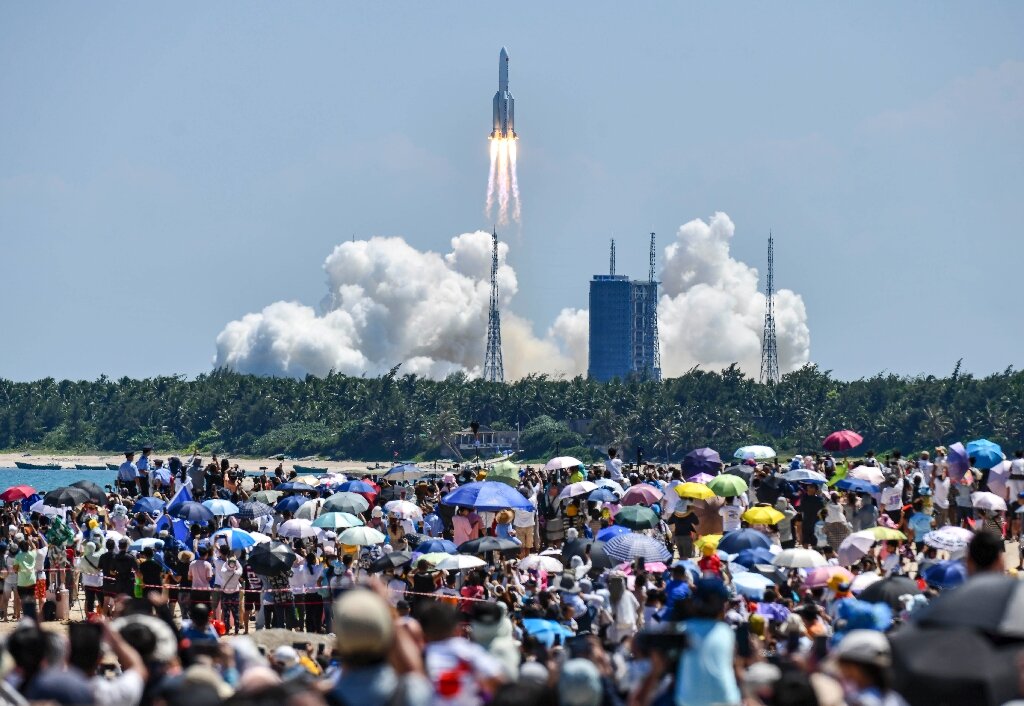
Chinese booster rocket makes uncontrolled return to Earth

A Chinese booster rocket made an uncontrolled return to Earth on Saturday, leading US officials to chide Beijing for not sharing information about the potentially hazardous object's descent.

Saturday, July 30, 2022

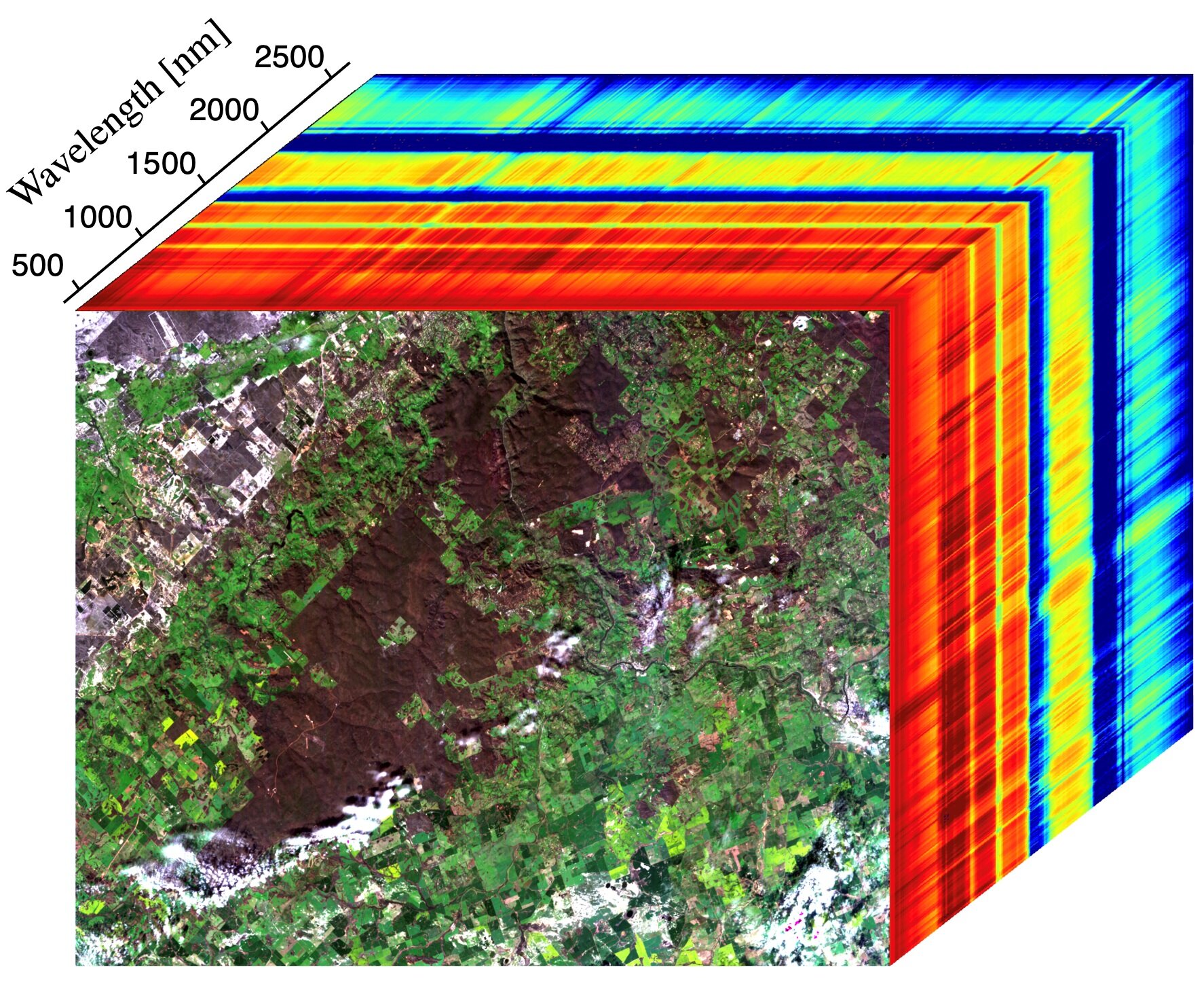
NASA's mineral dust detector starts gathering data

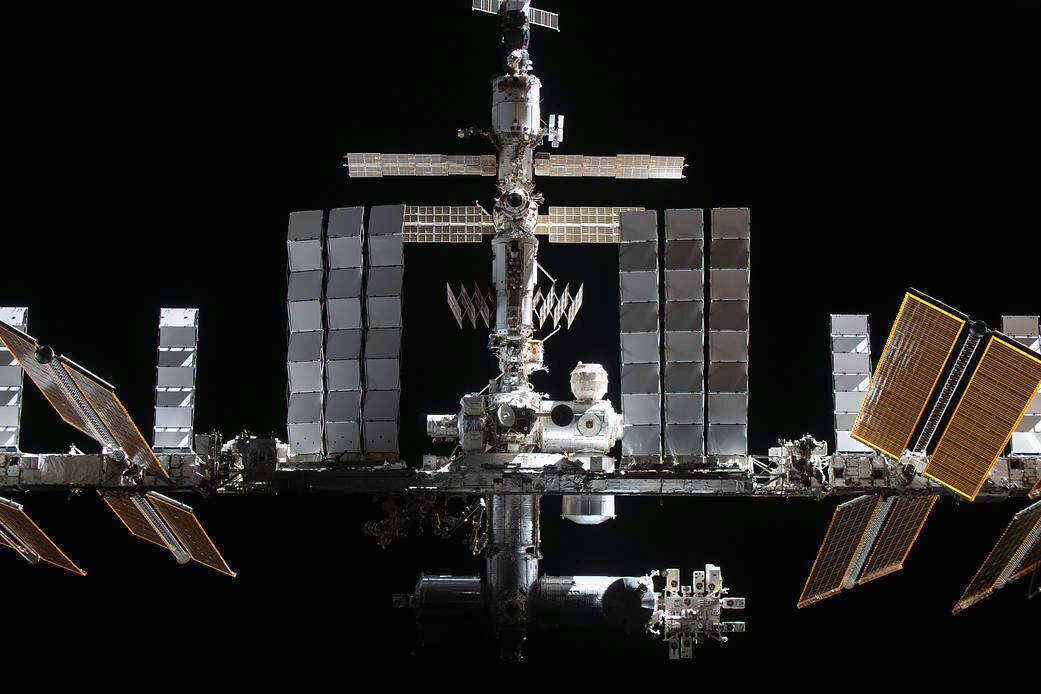
After being installed on the exterior of the International Space Station, NASA's Earth Surface Mineral Dust Source Investigation (EMIT) mission has provided its first view of Earth. The milestone, called "first light," took place at 7:51 p.m. PDT (10:51 p.m. EDT) on July 27 as the space station passed over Western Australia.

Friday, July 29, 2022

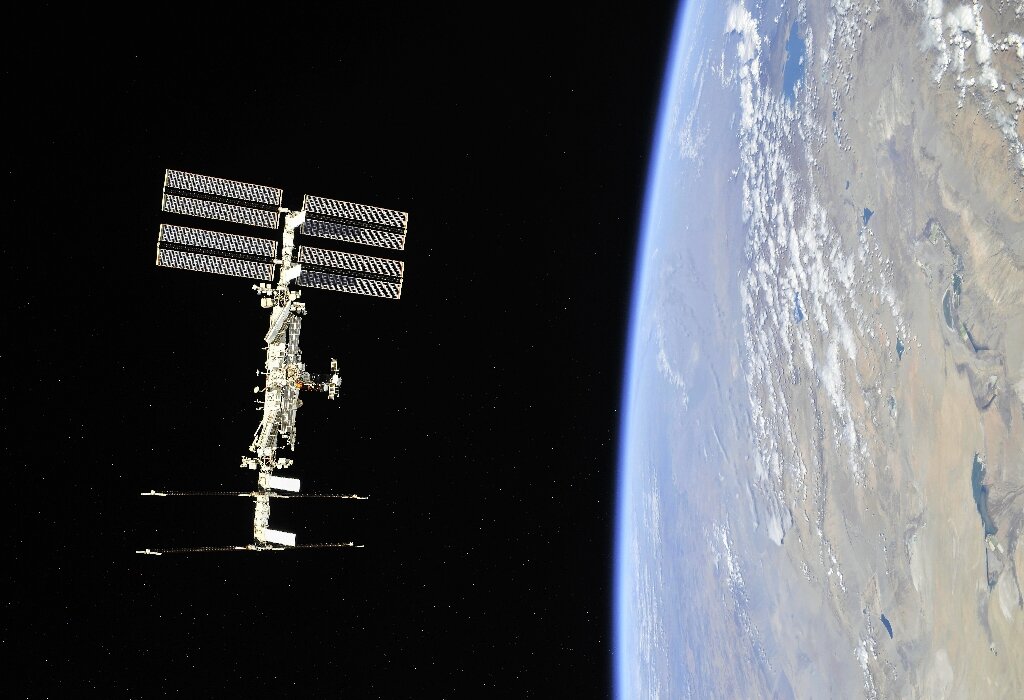
Russian space chief: no date yet for space station pullout

The head of Russia's space agency said Friday that the country has not set a date for pulling out of the International Space Station program, noting that it would only do that after it puts its own space station in orbit.

Operation centers in tune for upcoming weather satellite

In just a few months' time Europe's first Meteosat Third Generation satellite will soar into the skies on an Ariane 5 rocket from French Guiana. From geostationary orbit, this new satellite, carrying two new highly sensitive instruments, will take weather forecasting to the next level. Taking a significant step towards launch, the satellite operations teams at two different centers have completed an all-important suite of tests ensuring that their procedures are fully compatible with the satellite.

When Russia leaves, what's next for the International Space Station?

Russia's announcement this week that it will leave the International Space Station "after 2024" raises critical questions about the outpost's future viability.

Thursday, July 28, 2022

Russia says it is leaving the International Space Station program. What does that mean?

Russia will withdraw from the International Space Station project after 2024 to focus on forming its own space station, the head of the Russian space agency said Tuesday.

Readying spacecraft to surf Venus' atmosphere

ESA's EnVision mission to Venus will perform optical, spectral and radar mapping of Earth's sister planet. But before getting down to work the van-sized spacecraft needs to "aerobrake"—lowering its orbit with thousands of passages through the planet's hot, thick atmosphere for up to two years. A unique ESA facility is currently testing candidate spacecraft materials to check they can safely withstand this challenging process of atmospheric surfing.

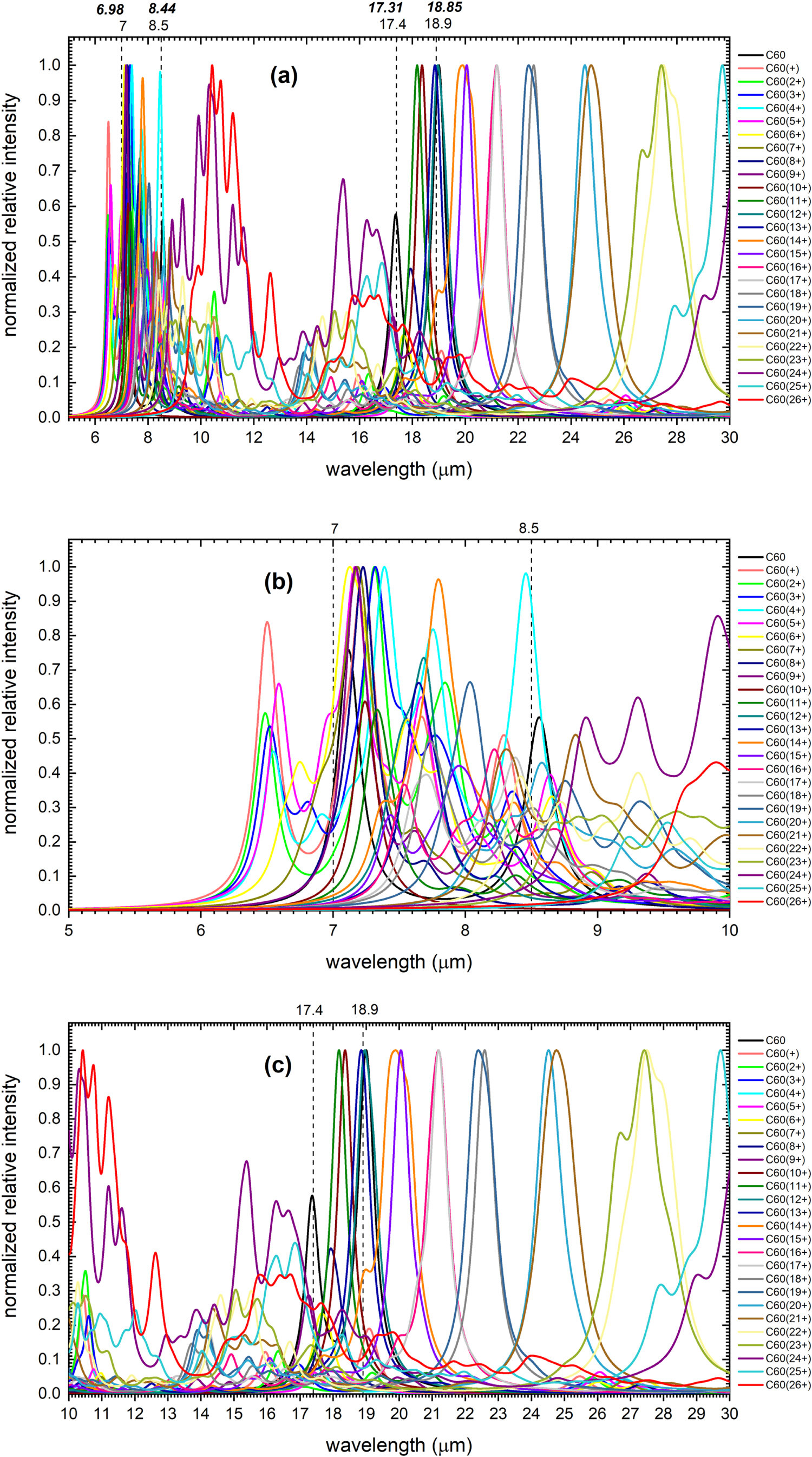
Infrared spectra of highly positively charged C60 fullerenes and their relevance to unidentified infrared emission

Is there now at long last some plausible theoretical basis for the molecular origins and carriers of at least some of the most prominent unidentified infrared emission (UIE) bands that have mystified astronomers for decades?

Wednesday, July 27, 2022

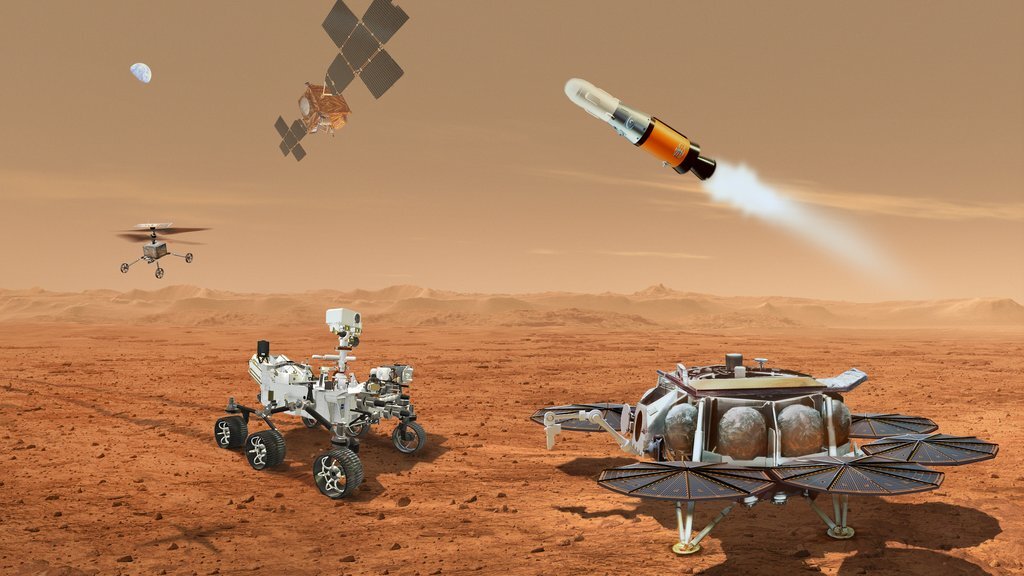
NASA to launch 2 more choppers to Mars to help return rocks

NASA is launching two more mini helicopters to Mars in its effort to return Martian rocks and soil samples to Earth.

NASA will inspire the world when it returns Mars samples to Earth in 2033

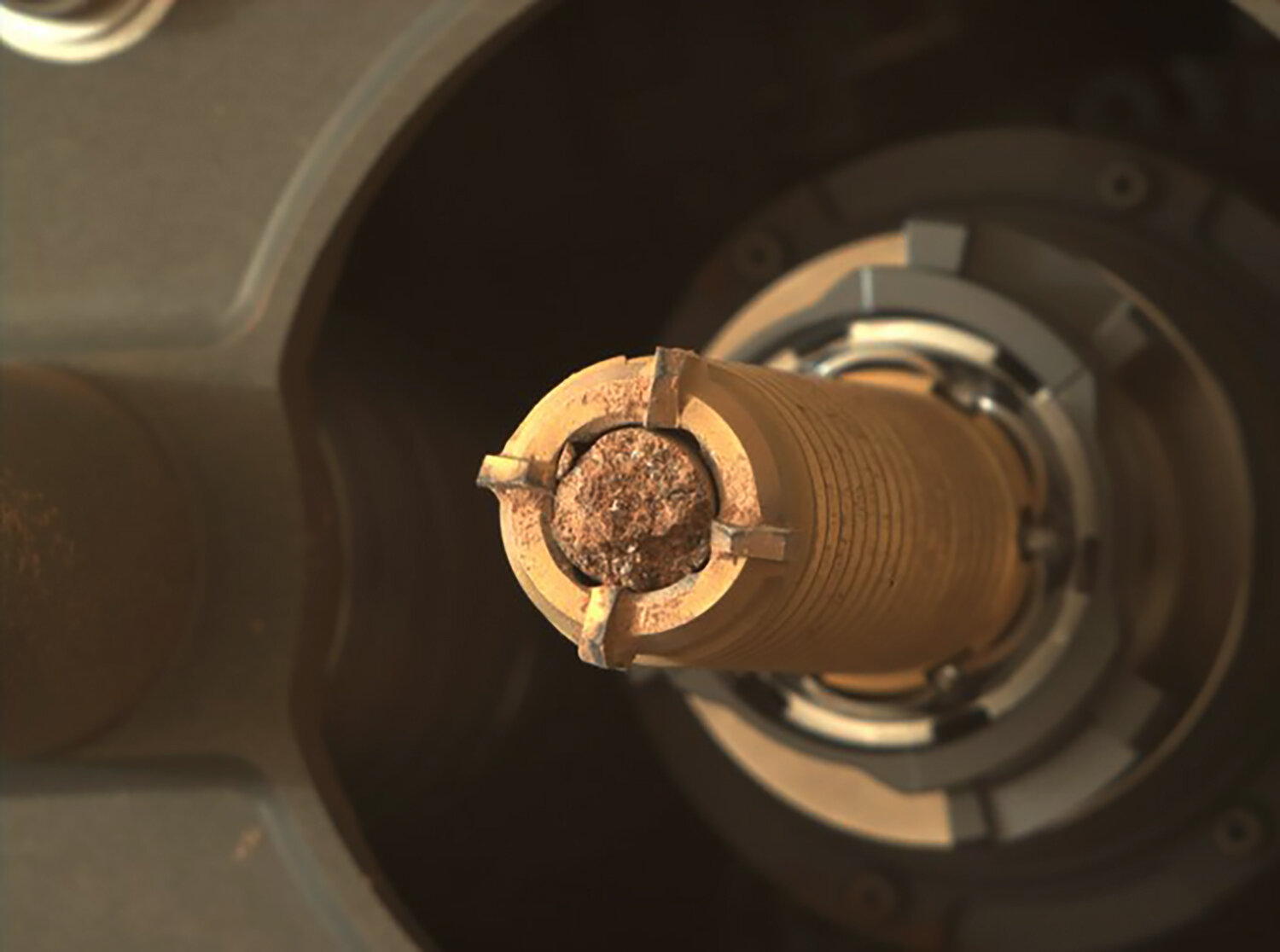
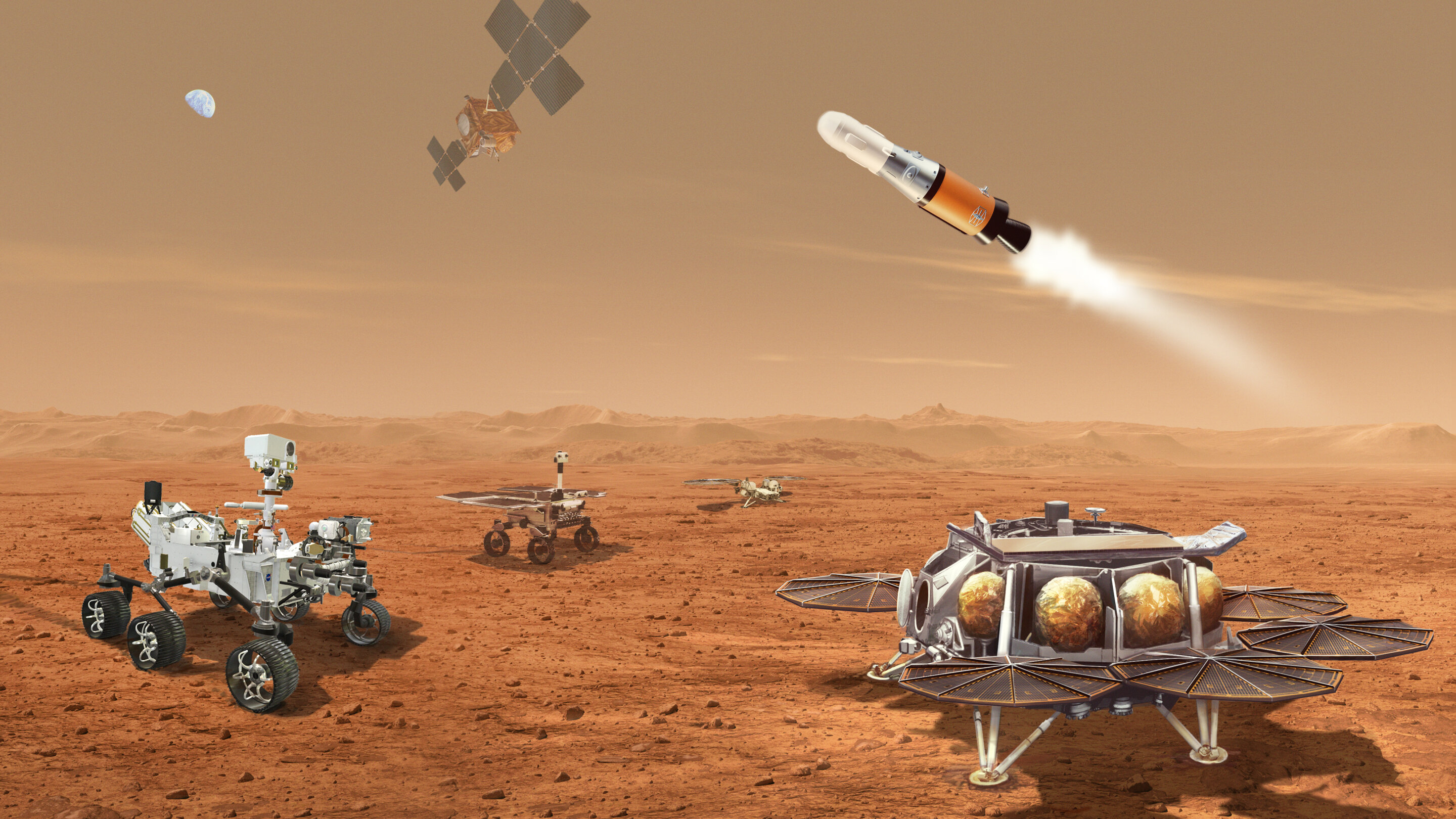
NASA has finished the system requirements review for its Mars Sample Return Program, which is nearing completion of the conceptual design phase. During this phase, the program team has evaluated and refined the architecture to return the scientifically selected samples, which are currently in the collection process by NASA's Perseverance rover in the Red Planet's Jezero Crater.

China spacecraft returns amid booster rocket concerns

A Chinese cargo spacecraft that serviced the country's permanent orbiting space station has largely burned up on reentering the atmosphere, amid separate concerns over China's decision to allow a massive booster rocket to fall to Earth uncontrolled.

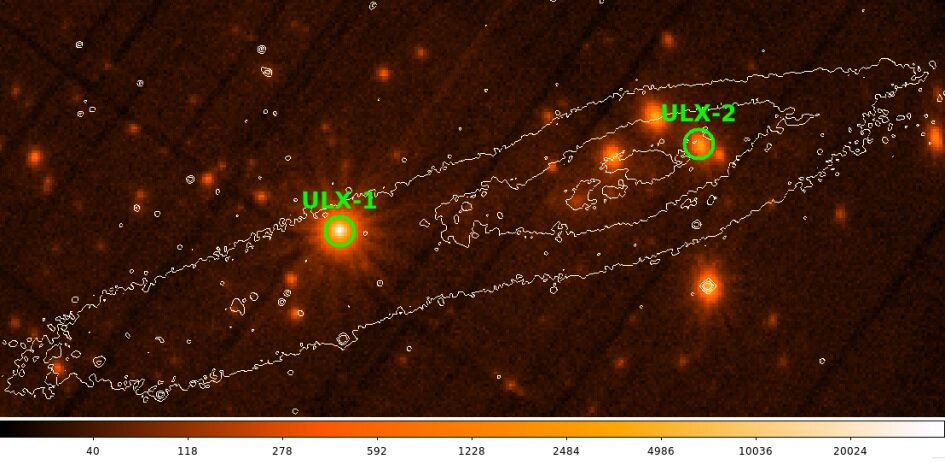
New ultraluminous X-ray source detected in galaxy NGC 55

Using ESA's XMM-Newton and NASA's Swift space telescopes, an international team of astronomers have observed a nearby galaxy known as NGC 55. They discovered a new transient ultraluminous X-ray source in this galaxy. The finding is reported in a paper published July 19 on the arXiv pre-print server.

Tuesday, July 12, 2022

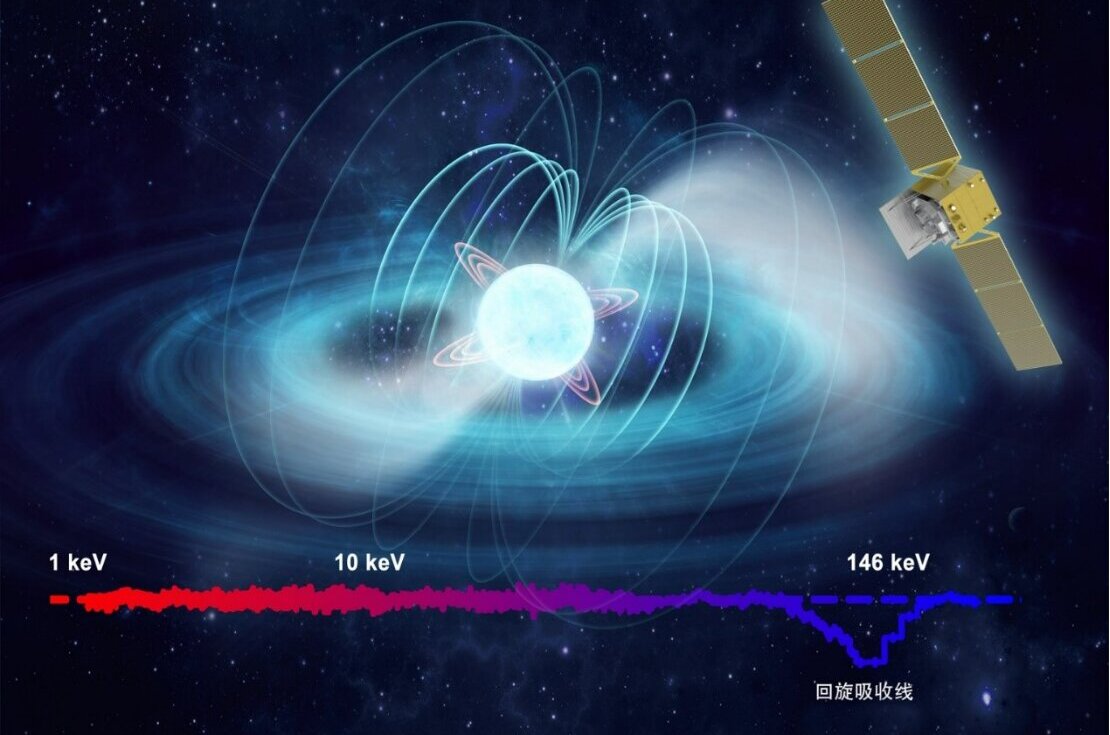
A new measurement record for strongest magnetic field in universe

Neutron stars have the strongest magnetic fields in the universe, and the only way to measure their surface magnetic field directly is to observe the cyclotron absorption lines in their X-ray energy spectra. The Insight-HXMT team has recently discovered a cyclotron absorption line with an energy of 146 keV in the neutron star X-ray binary Swift J0243.6+6124, corresponding to a surface magnetic field of more than 1.6 billion Tesla. After direct measurement of the strongest magnetic field in the universe at about 1 billion Tesla in 2020, the world records for the highest energy cyclotron absorption line and direct measurement of the strongest magnetic field in the universe have been broken.

Uncontrolled rocket descents pose a 10% risk of killing one or more people over the next ten years

A quartet of researchers at the University of British Columbia in Canada has calculated that the risk of one or more people being killed by uncontrolled rocket descents over the next decade is approximately 10%. In their paper published in the journal Nature Astronomy, Michael Byers, Ewan Wright, Aaron Boley and Cameron Byers, describe their study of casualty risk in the coming years due to rocket parts falling from the sky and what governments could do to make spaceflight safer for people on the ground.

James Webb Telescope to release more breathtaking cosmic views

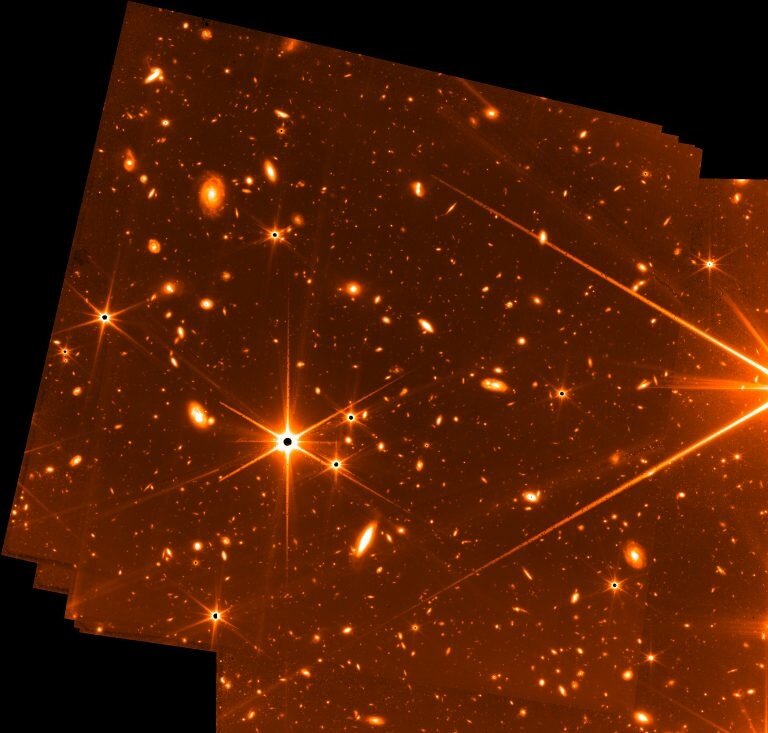
After unveiling the clearest view yet of the distant cosmos, the James Webb Space Telescope has more to come.

How scientist applied the recommendation algorithm to anticipate CMEs' arrival times

Coronal mass ejections (CMEs) are eruptive solar events. They are often associated with solar flares and filaments. CMEs can cause space weather events such as geomagnetic storms, high energy electron storms, hot plasma injection, ionospheric storms, and increased density in the upper atmosphere.

Monday, July 11, 2022

The life puzzle: The location of land on a planet can affect its habitability

New climate models have found that the amount and location of land on a planet's surface can significantly impact its habitability. Astronomers have identified substantial differences in surface temperature, sea ice and water vapor across a planet's surface for different land configurations. The work will be presented on Monday 11 July at the National Astronomy Meeting (NAM 2022) by Evelyn Macdonald, a graduate student at the University of Toronto, Canada.
Astronomers investigate a peculiar cataclysmic variable

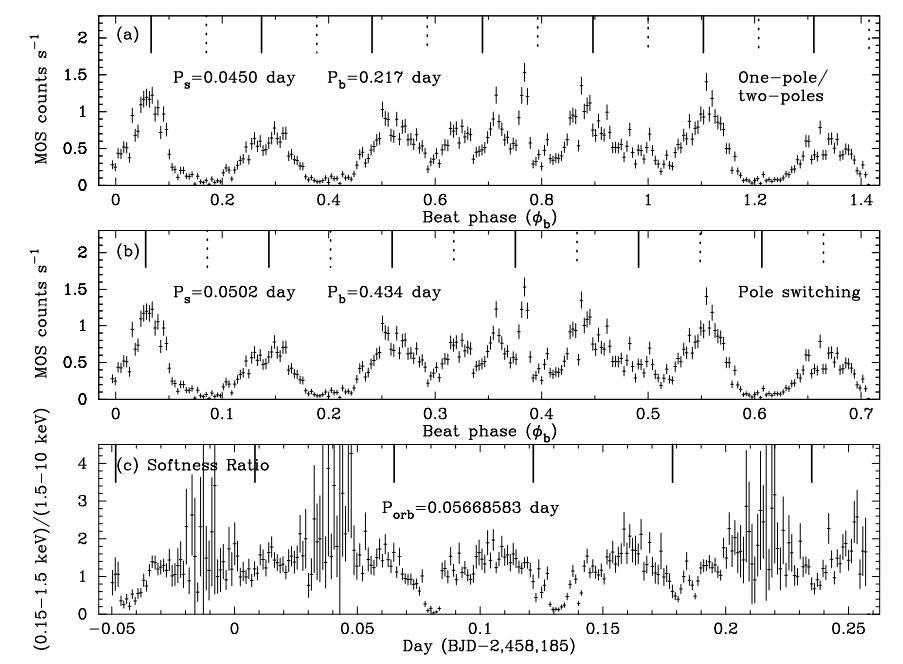
Using ESA's XMM-Newton satellite, astronomers from the Columbia University in New York have inspected a peculiar cataclysmic variable system known as Swift J0503.7−2819. Results of the study, presented June 29 on arXiv.org, provide important hints regarding the properties and nature of this variable.

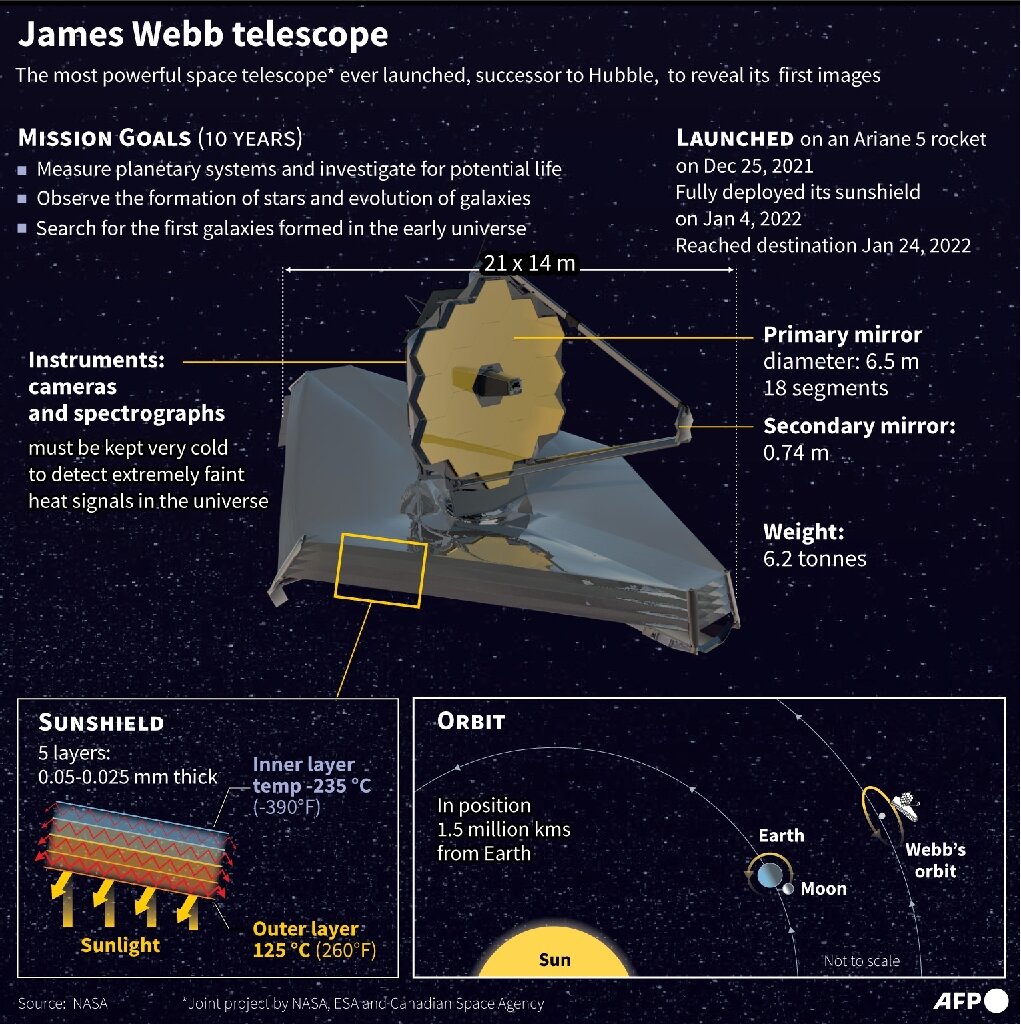
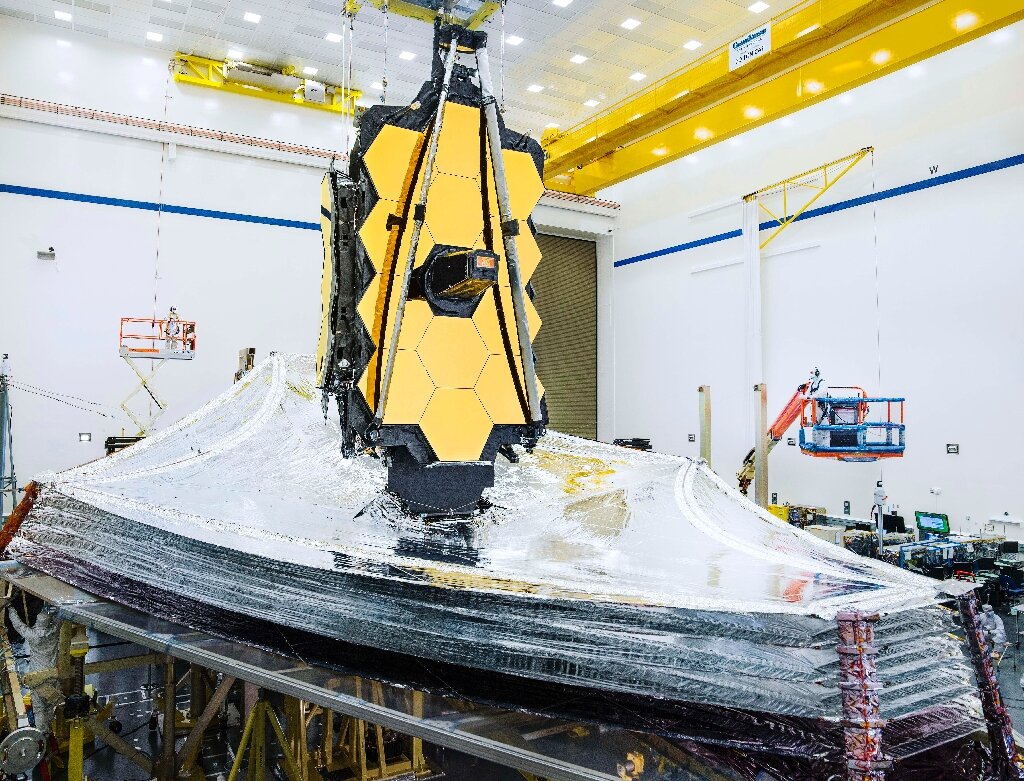
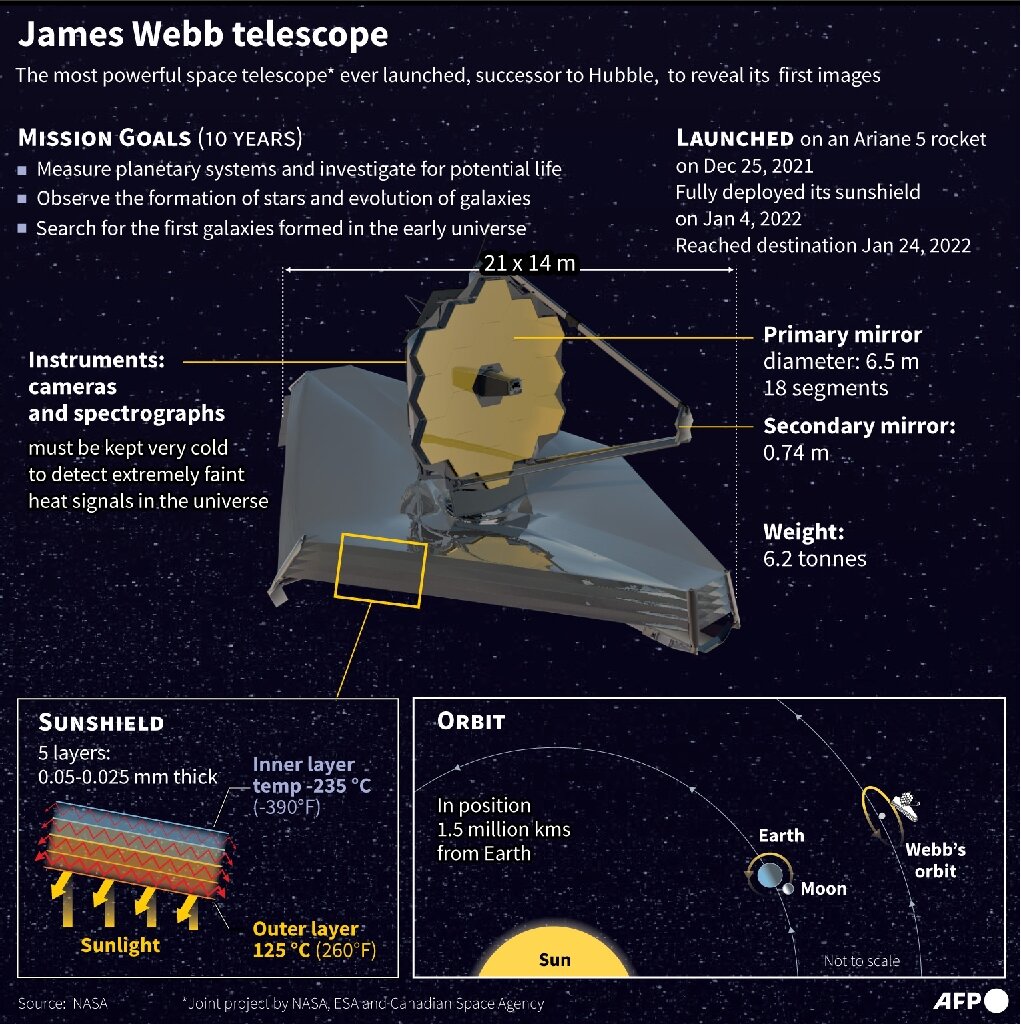
The James Webb Space Telescope, by the numbers

The most powerful space telescope ever built, James Webb is set to deliver its first full-color scientific images to the world Tuesday.

James Webb Space Telescope opens its eyes on the Universe

Space enthusiasts are holding their breath.

Undead planets: The unusual conditions of the first exoplanet detection

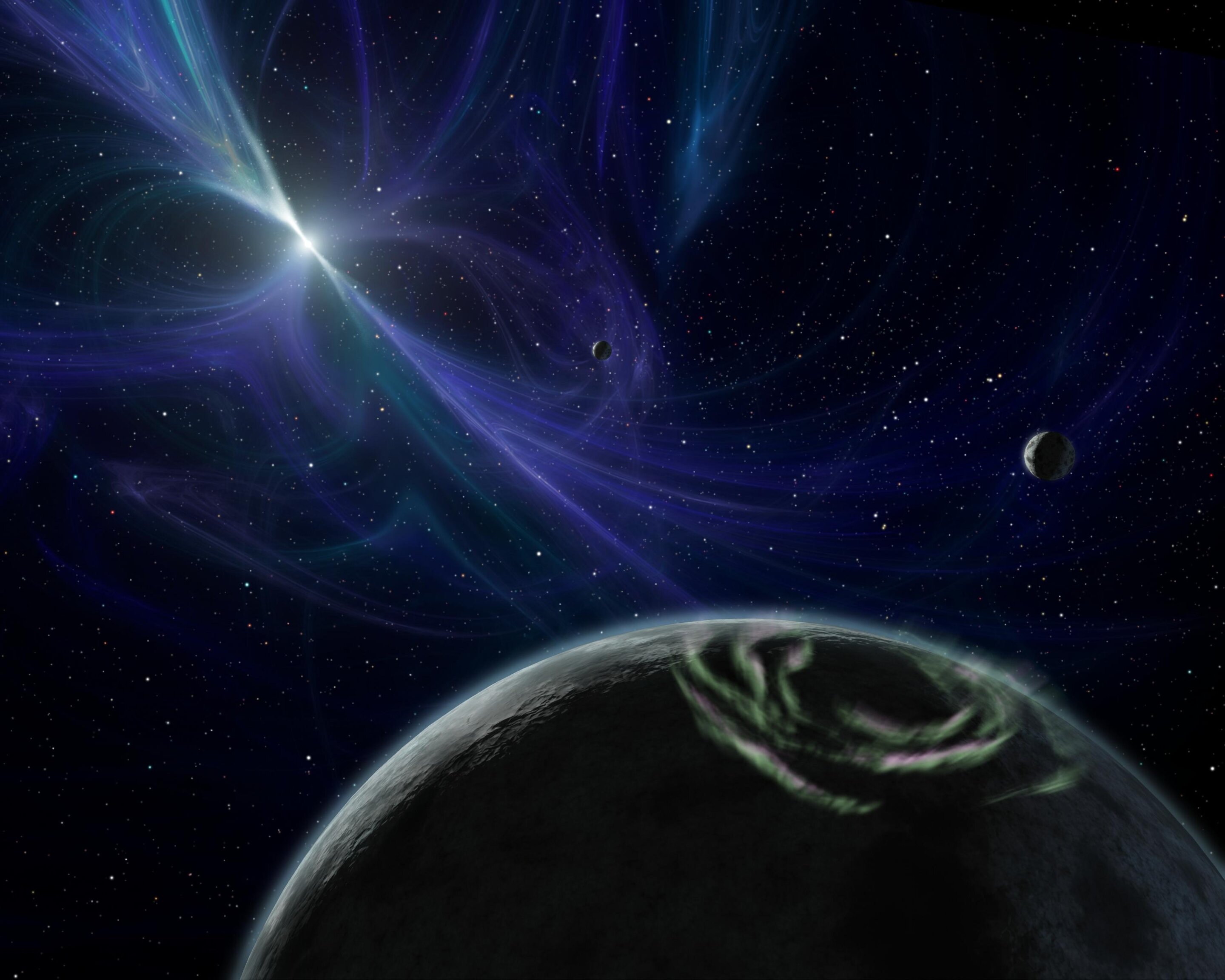
The first ever exoplanets were discovered 30 years ago around a rapidly rotating star, called a pulsar. Now, astronomers have revealed that these planets may be incredibly rare. The new work will be presented tomorrow (Tuesday 12 July) at the National Astronomy Meeting (NAM 2022) by Iuliana Nițu, a Ph.D. student at the University of Manchester.

Friday, July 8, 2022

NASA reveals Webb telescope's first cosmic targets

NASA said Friday the first cosmic images from the James Webb Space Telescope will include unprecedented views of distant galaxies, bright nebulae, and a faraway giant gas planet.

NASA shares list of cosmic targets for Webb telescope's first images

NASA's James Webb Space Telescope, a partnership with ESA (European Space Agency) and CSA (Canadian Space Agency), will soon reveal unprecedented and detailed views of the universe with the upcoming release of its first full-color images and spectroscopic data.

Statistical analysis of radio-flaring brown dwarf population

Brown dwarfs are known as "failed stars," owing to the lack of central hydrogen burning. They bridge the gap between planets and stars. Some brown dwarfs are found to maintain kilogauss magnetic fields and produce flaring radio emissions, similar to aurora on magnetized planets in solar system, arousing astronomers' curiosities about their field properties and dynamics.
Building blocks for RNA-based life abound at center of our galaxy

Nitriles, a class of organic molecules with a cyano group—that is, a carbon atom bound with a triple unsaturated bond to a nitrogen atom—are typically toxic. But paradoxically, they are also a key precursor for molecules essential for life, such as ribonucleotides, composed of the nucleobases or "letters" A, U, C, and G joined to a ribose and phosphate group, which together make up RNA. Now, a team of researchers from Spain, Japan, Chile, Italy, and the US show that a wide range of nitriles occurs in interstellar space within the molecular cloud G+0.693-0.027, near the center of the Milky Way.

Thursday, July 7, 2022

NASA releases James Webb telescope 'teaser' picture

NASA has a provided a tantalizing teaser photo ahead of the highly-anticipated release next week of the first deep-space images from the James Webb Telescope—an instrument so powerful it can peer back into the origins of the universe.

Researchers record successful startup of dark matter detector at underground research facility

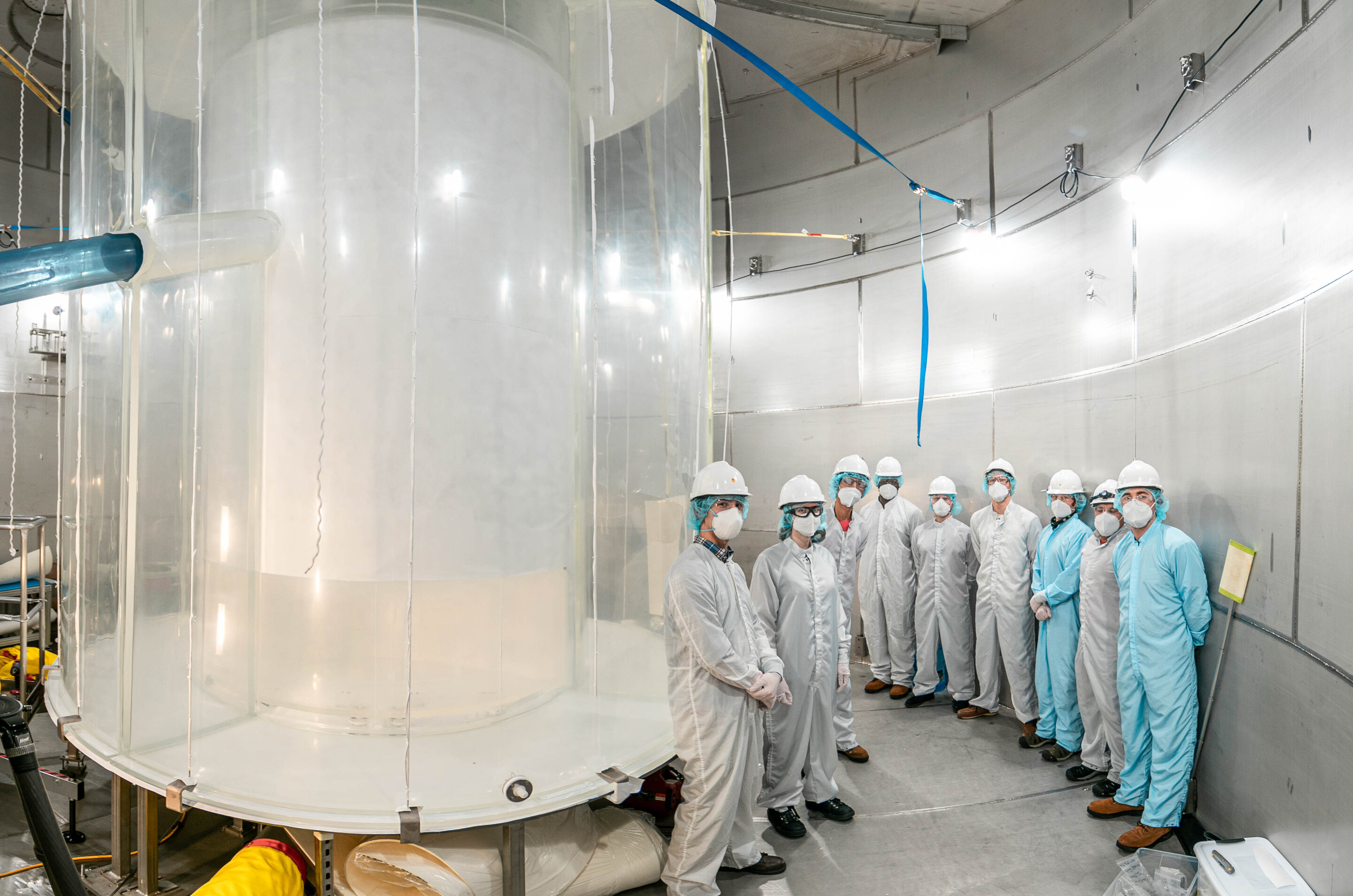
Deep below the Black Hills of South Dakota in the Sanford Underground Research Facility (SURF), an innovative and uniquely sensitive dark matter detector—the LUX-ZEPLIN (LZ) experiment, led by Lawrence Berkeley National Lab (Berkeley Lab)—has passed a check-out phase of startup operations and delivered first results.

Porosity of the moon's crust reveals bombardment history

Around 4.4 billion years ago, the early solar system resembled a game of space rock dodgeball, as massive asteroids and comets, and, later, smaller rocks and galactic debris pummeled the moon and other infant terrestrial bodies. This period ended around 3.8 billion years ago. On the moon, this tumultuous time left behind a heavily cratered face, and a cracked and porous crust.

City heat extremes captured by instrument on the ISS

With air temperatures in excess of 10°C above the average for the time of year in parts of Europe, the United States and Asia, June 2022 has gone down as a record breaker. The fear is that these extreme early-season heatwaves are a taste of what could soon be the norm as climate change continues to take hold. For those in cities, the heat dissipates slower creating "urban heat islands," which make everyday life even more of a struggle.

Virgin Galactic taps Boeing subsidiary to build motherships

Virgin Galactic announced Wednesday that it is partnering with a Boeing subsidiary to manufacture the next generation of the twin-fuselage aircraft used to carry aloft the space tourism company's rocket ship.

Wednesday, July 6, 2022

Contact restored with NASA spacecraft headed to lunar orbit

NASA said Wednesday that contact has been restored with its $32.7 million spacecraft headed to the moon to test out a lopsided lunar orbit.

Scientists demonstrate machine learning tool to efficiently process complex solar data

Big data has become a big challenge for space scientists analyzing vast datasets from increasingly powerful space instrumentation. To address this, a Southwest Research Institute team has developed a machine learning tool to efficiently label large, complex datasets to allow deep learning models to sift through and identify potentially hazardous solar events. The new labeling tool can be applied or adapted to address other challenges involving vast datasets.

Could we eavesdrop on communications that pass through our solar system?

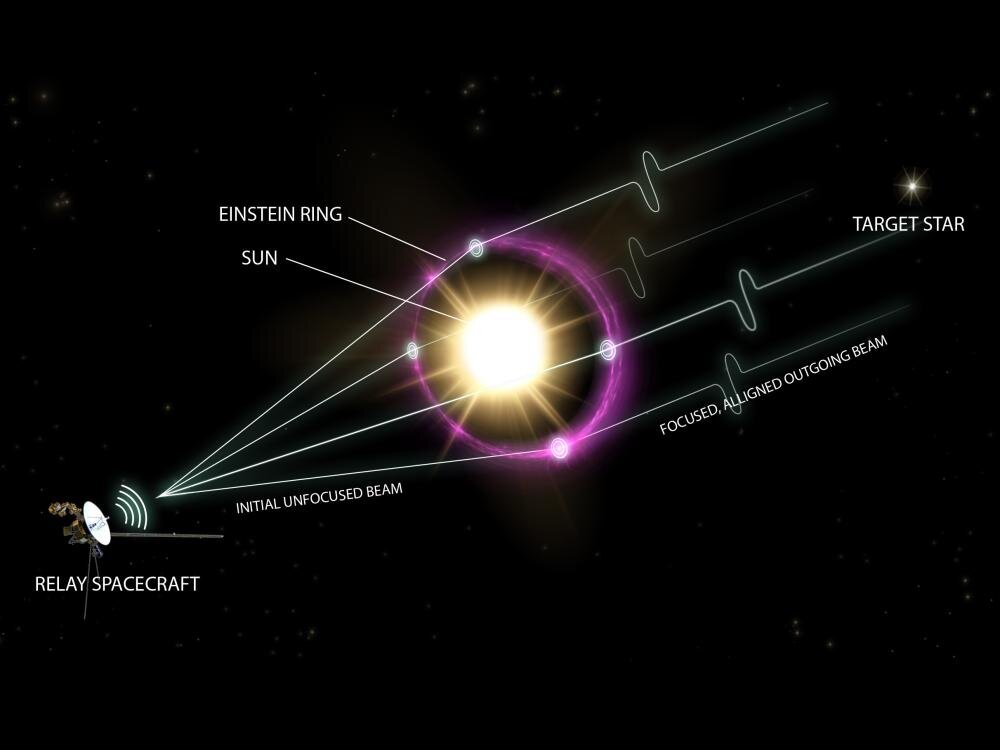
Communications across the vastness of interstellar space could be enhanced by taking advantage of a star's ability to focus and magnify communication signals. A team of graduate students at Penn State is looking for just these sorts of communication signals that might be taking advantage of our own sun if transmissions were passing through our solar system.

Two new rotating radio transients discovered by astronomers

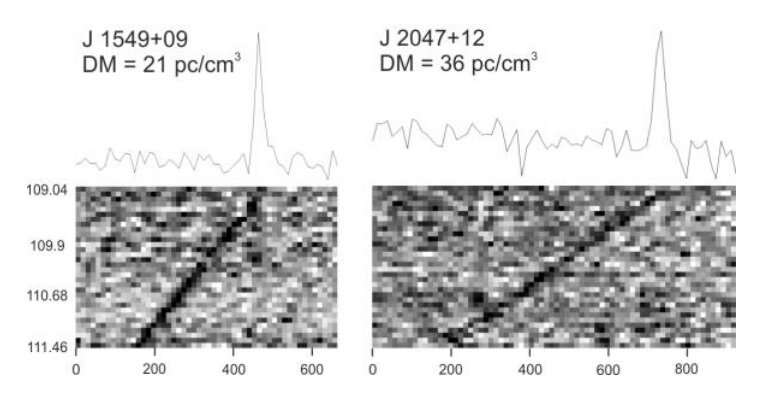
Using the Pushchino Radio Astronomy Observatory (PRAO), Russian astronomers have carried out a search for rotating radio transients (RRATs). In a recently published paper on the arXiv pre-print server, they report the detection of two new RRATs as part of this observational campaign.

Exploring the true face of a unique globular cluster in Sagittarius

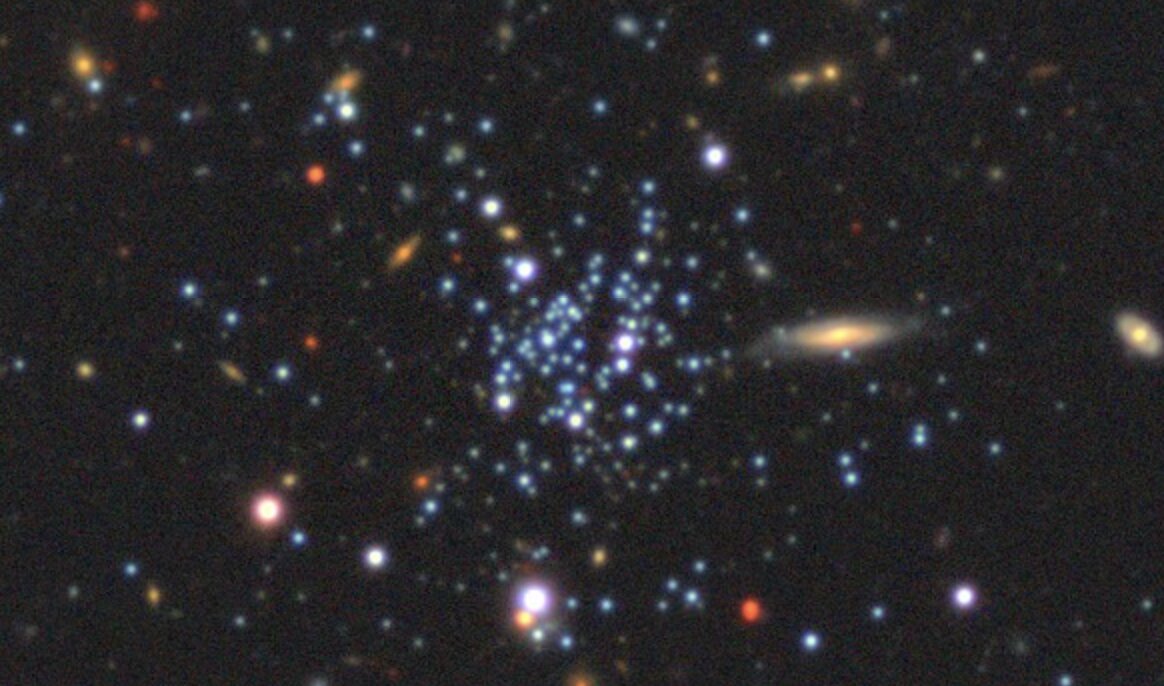
A recent picture by the DESI Legacy Imaging Survey features a mysterious globular cluster Whiting 1 in the galactic halo. So, what is Whiting 1 and why do we care about it?

Tuesday, July 5, 2022

Researchers reveal evolution state of medium-amplitude δ Scuti KIC 1573174

Ph.D. student Lv Chenglong from the Xinjiang Astronomical Observatory (XAO) of the Chinese Academy of Sciences (CAS) and his collaborators have revealed the evolutionary state of δ Scuti KIC 1573174 by constructing stellar models with four radial pulsation frequencies.

Researchers pinpoint location of extremely energetic particles in a 'space manatee'

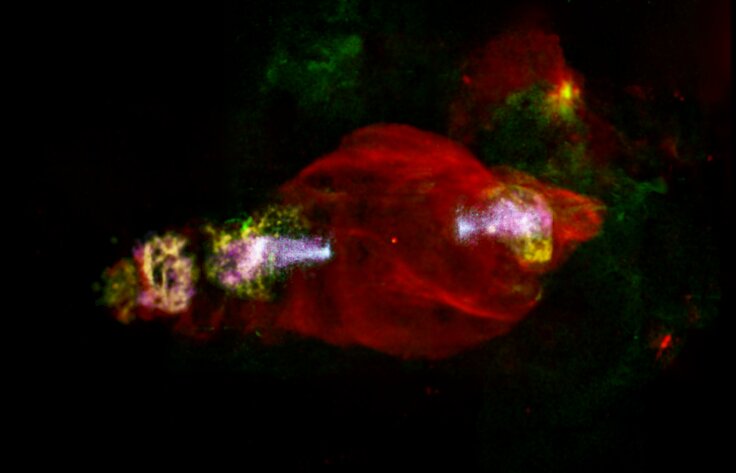
An international team of astrophysicists has identified the location where powerful and highly energetic X-rays are being shot out into space from inside a region in space shaped like a giant aquatic mammal called a manatee. They found the spectrum of the object at this location shows there is a "non-classical acceleration process" where particles are being injected and re-accelerated in immensely powerful jets of energy emitted by a black hole. But don't worry about it irradiating us, since it's more than 100,000,000,000,000,000 kilometers away from us.

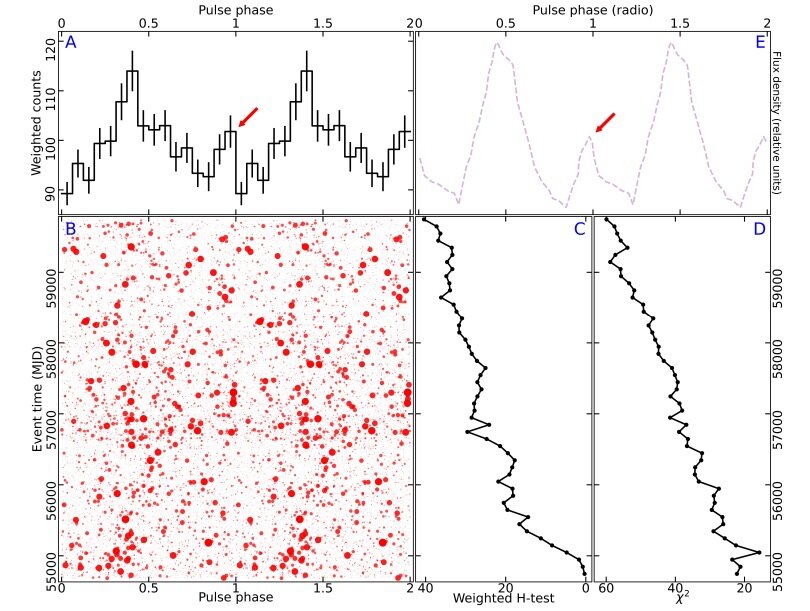
Gamma-ray pulsations detected from pulsar PSR J1835−3259B

Using NASA's Fermi space telescope, Chinese astronomers have investigated a newly discovered millisecond pulsar known as PSR J1835−3259B. As a result, they identified gamma-ray pulsations from this source. The finding is reported in a paper published June 27 on the arXiv pre-print server.

New telescope to detect gravitational wave events

A new telescope, made up of two identical arrays on opposite sides of the planet, will track down sources of gravitational waves.

Monday, July 4, 2022

NASA says its plan to bring Mars samples back to Earth is safe, but some people are worried

Since September, the Perseverance rover has been picking along an ancient river delta on Mars, its robotic arms reaching out with whirling steel drill bits to core rocks, scoop soil and suck small amounts of the red planet's atmosphere into titanium tubes.

NASA explains the mission to bring samples of Mars soil, rock and atmosphere back to Earth

NASA's Mars Sample Return Mission aims to bring 30 samples of rock, soil and atmosphere now being collected by the Perseverance rover back to Earth sometime in the early 2030s. The goal is to look for signs of past life and also to find out more about the Red Planet before humans visit it.

NASA satellite breaks from orbit around Earth, heads to moon

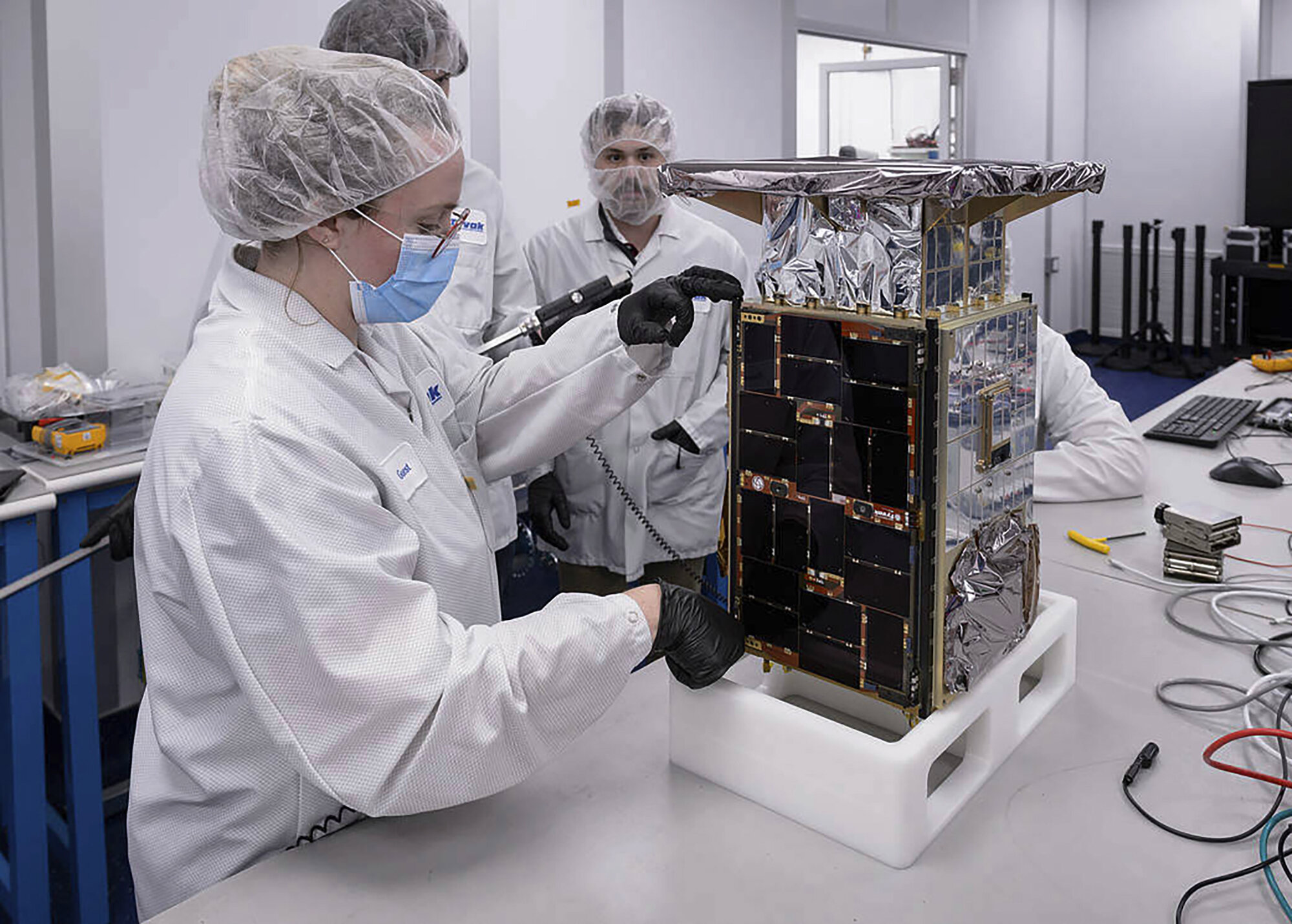
A satellite the size of a microwave oven successfully broke free from its orbit around Earth on Monday and is headed toward the moon, the latest step in NASA's plan to land astronauts on the lunar surface again.

Saturday, July 2, 2022

Virgin Orbit rocket launches 7 US defense satellites

A Virgin Orbit rocket carrying seven U.S. Defense Department satellites was launched from a special Boeing 747 flying off the Southern California coast and streaked toward space Friday night.

Friday, July 1, 2022

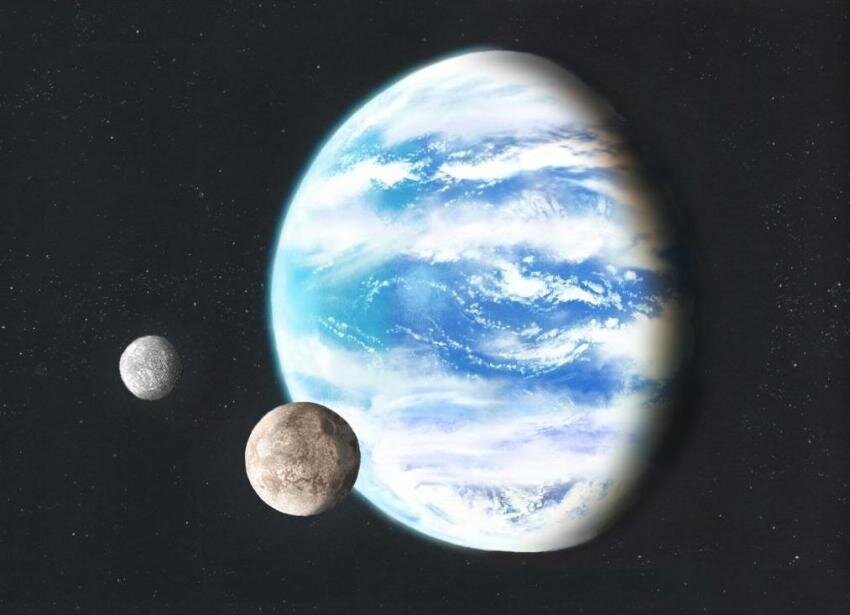
Tidal heating could make exomoons much more habitable (and detectable)

Within the solar system, most of our astrobiological research is aimed at Mars, which is considered to be the next-most habitable body beyond Earth. However, future efforts are aimed at exploring icy satellites in the outer solar system that could also be habitable (like Europa, Enceladus, Titan, and more). This dichotomy between terrestrial (rocky) planets that orbit within their a system's habitable zones (HZ) and icy moons that orbit farther from their parent stars is expected to inform future extrasolar planet surveys and astrobiology research.

A new method for predicting the 11-year solar cycle strength

Scientists from Skoltech and their colleagues from the University of Graz & the Kanzelhöhe Observatory (Austria), Hvar Observatory (Croatia), and the Belgian Solar-Terrestrial Center of Excellence—SILSO, Royal Observatory of Belgium presented a new method to predict the strength of the 11-year solar cycle. The results are important for anticipating and mitigating space weather effects on astronauts, pilots and modern technological systems both in space and on Earth. The study will be published in Astronomy & Astrophysics.

Ibuprofen tablets with flavor added survive better in space

Ibuprofen tablets modified to survive in space have returned to Earth and shown that those with added flavor survived better with less degradation than those with no added taste.

Capturing the onset of galaxy rotation in the early universe

As telescopes have become more advanced and powerful, astronomers have been able to detect more and more distant galaxies. These are some of the earliest galaxies to form in our universe that began to recede away from us as the universe expanded. In fact, the greater the distance, the faster a galaxy appears to move away from us. Interestingly, we can estimate how fast a galaxy is moving, and in turn, when it was formed based on how "redshifted" its emission appears. This is similar to a phenomenon called the Doppler effect, where objects moving away from an observer emit the light that appears shifted towards longer wavelengths (hence the term "redshift") to the observer.