This is default featured slide 1 title

Go to Blogger edit html and find these sentences.Now replace these sentences with your own descriptions.

This is default featured slide 2 title

Go to Blogger edit html and find these sentences.Now replace these sentences with your own descriptions.

This is default featured slide 3 title

Go to Blogger edit html and find these sentences.Now replace these sentences with your own descriptions.

This is default featured slide 4 title

Go to Blogger edit html and find these sentences.Now replace these sentences with your own descriptions.

This is default featured slide 5 title

Go to Blogger edit html and find these sentences.Now replace these sentences with your own descriptions.
Friday, March 31, 2023

Astronomers observe X-ray binary XTE J1739−285 during recent outbursts

Using AstroSat and NuSTAR space telescopes, astronomers have observed an X-ray binary known as XTE J1739−285 during its recent period of bursting activity. Results of the observational campaign, published March 23 on the arXiv pre-print server, yield crucial insights into the behavior of this system.

Thursday, March 30, 2023

Don't take batteries to the moon or Mars, 3D print them when you get there

When the Artemis astronauts and future explorers go to the moon and Mars, they'll need power. Lots of it. Of course, they'll use solar panels to generate the juice they need for habitats, experiments, rovers, and so on. But, they'll need batteries for power storage. Those things weigh a lot and cost a fortune to send up from Earth. So, why not simply 3D print their own when they get there?

New paper investigates exoplanet climates

Inspired by the Milankovitch cycles that play a role in Earth's climate over time, new research at Florida Tech examines how these recurring orbital movements may affect the climate of exoplanets.

Wednesday, March 29, 2023

Preserving the stars: Light pollution and what you can do about it

Astronomer Carl Sagan famously said that there were more stars in the universe than grains of sand on earth.

Proba-3 complete: Formation-flying satellites fully integrated and ready for testing

The two spacecraft forming ESA's Proba-3 mission for precise formation flying in orbit are now complete. All the instruments and sensors allowing them to maneuver to millimeter scale precision relative to one another have been integrated aboard, and the pair are fully wrapped in multi-layer insulation—ready to be tested in simulated space conditions.

Tuesday, March 28, 2023

Hubble observes ram pressure stripping in galaxy JW100

The galaxy JW100 (lower right) features prominently in this image from the NASA/ESA Hubble Space Telescope. The streams of star-forming gas dripping from the disk of the galaxy like streaks of fresh paint are formed by a process called ram pressure stripping. Their resemblance to dangling tentacles led astronomers to refer to JW100 as a "jellyfish" galaxy. JW100 is more than 800 million light-years away, in the constellation Pegasus.

Joint NASA mission offers first stunning views of Earth's surface water

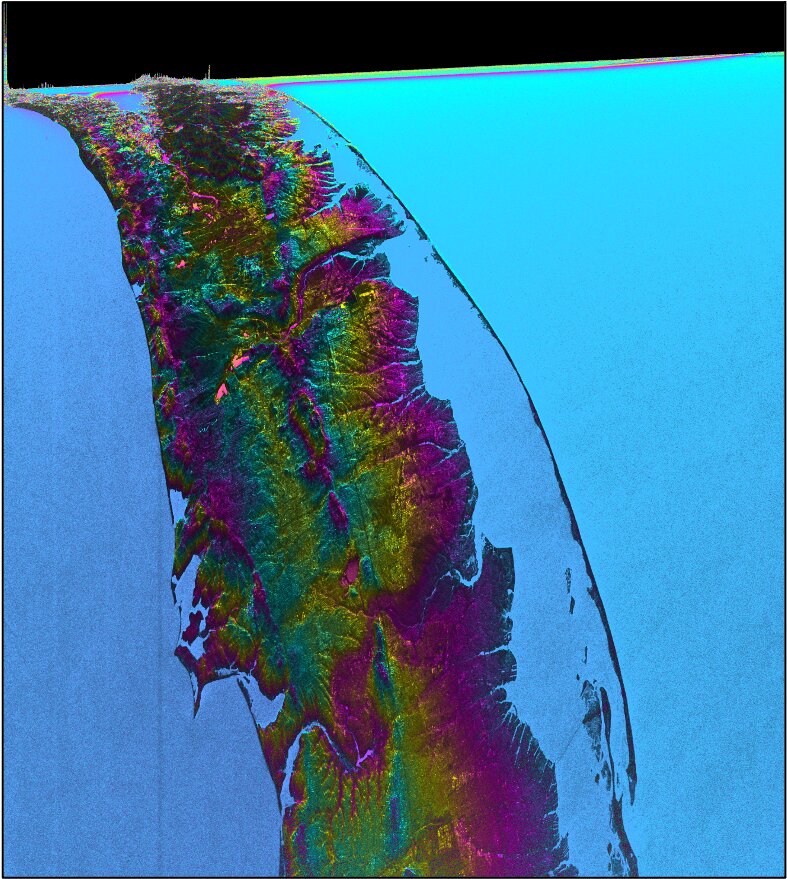
The international Surface Water and Ocean Topography (SWOT) mission—led by NASA and the French space agency Centre National d'Études Spatiales (CNES)—has sent back some of its first glimpses of water on the planet's surface, showing ocean currents like the Gulf Stream in unprecedented detail. SWOT is also capturing views of freshwater features such as lakes, rivers, and other water bodies down to about 300 feet (100 meters) wide.

Monday, March 27, 2023

Astrobiologist suggests we look for signs of life from elsewhere in the galaxy by studying space dust

Tomonori Totani, an astrobiologist with the University of Tokyo is proposing that the search for life beyond Earth be expanded to the study of space dust. In his paper published in the journal International Journal of Astrobiology, he suggests that space dust could be harboring signs of life blasted away from other planets by asteroid strikes.

Sunday, March 26, 2023

Large asteroid to zoom between Earth and Moon

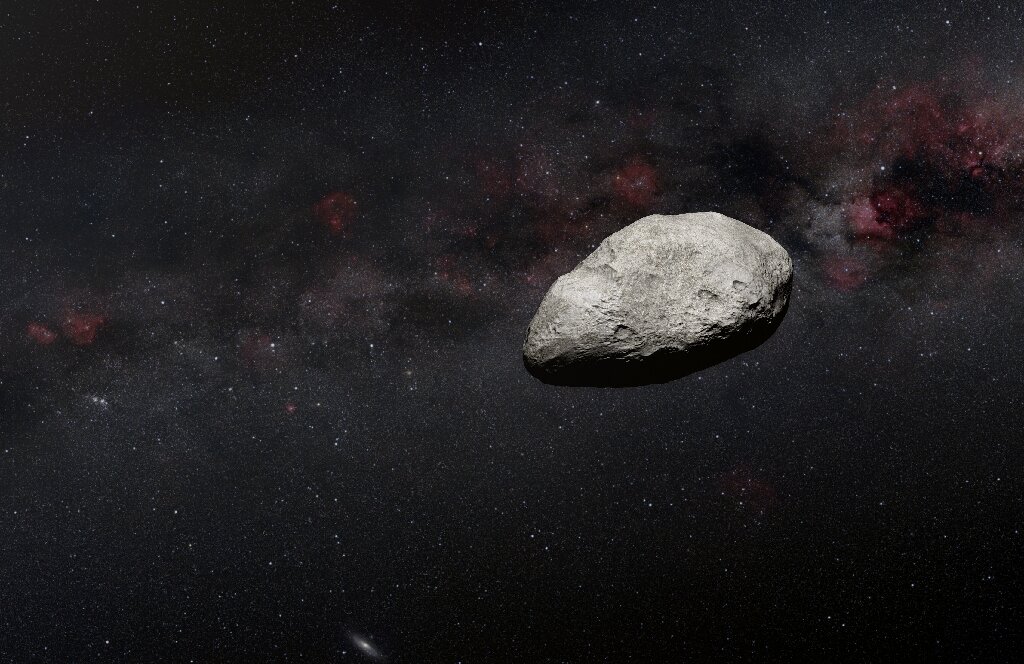
A large asteroid will safely zoom between Earth and the Moon on Saturday, a once-in-a-decade event that will be used as a training exercise for planetary defense efforts, according to the European Space Agency.

Saturday, March 25, 2023

The science of moon hopping

The videos of the first moon landing with astronauts bouncing around the lunar surface are looking like a lot of fun—but jumping around on the moon could also be good for astronaut's muscles, bones and the cardiorespiratory system.

Friday, March 24, 2023

Artificial intelligence finds the first stars were not alone

By using machine learning and state-of-the-art supernova nucleosynthesis, a team of researchers have found the majority of observed second-generation stars in the universe were enriched by multiple supernovae. Their findings are reported in The Astrophysical Journal.

Thursday, March 23, 2023

Searching for life with space dust

Following enormous collisions, such as asteroid impacts, some amount of material from an impacted world may be ejected into space. This matter can travel vast distances and for extremely long periods of time. In theory, this substance could contain direct or indirect signs of life from the host world, such as fossils of microorganisms. Such material could also be detectable by humans in the near future, or even now.

Wednesday, March 22, 2023

Astronomers analyze first results from ESO telescopes on the aftermath of DART's asteroid impact

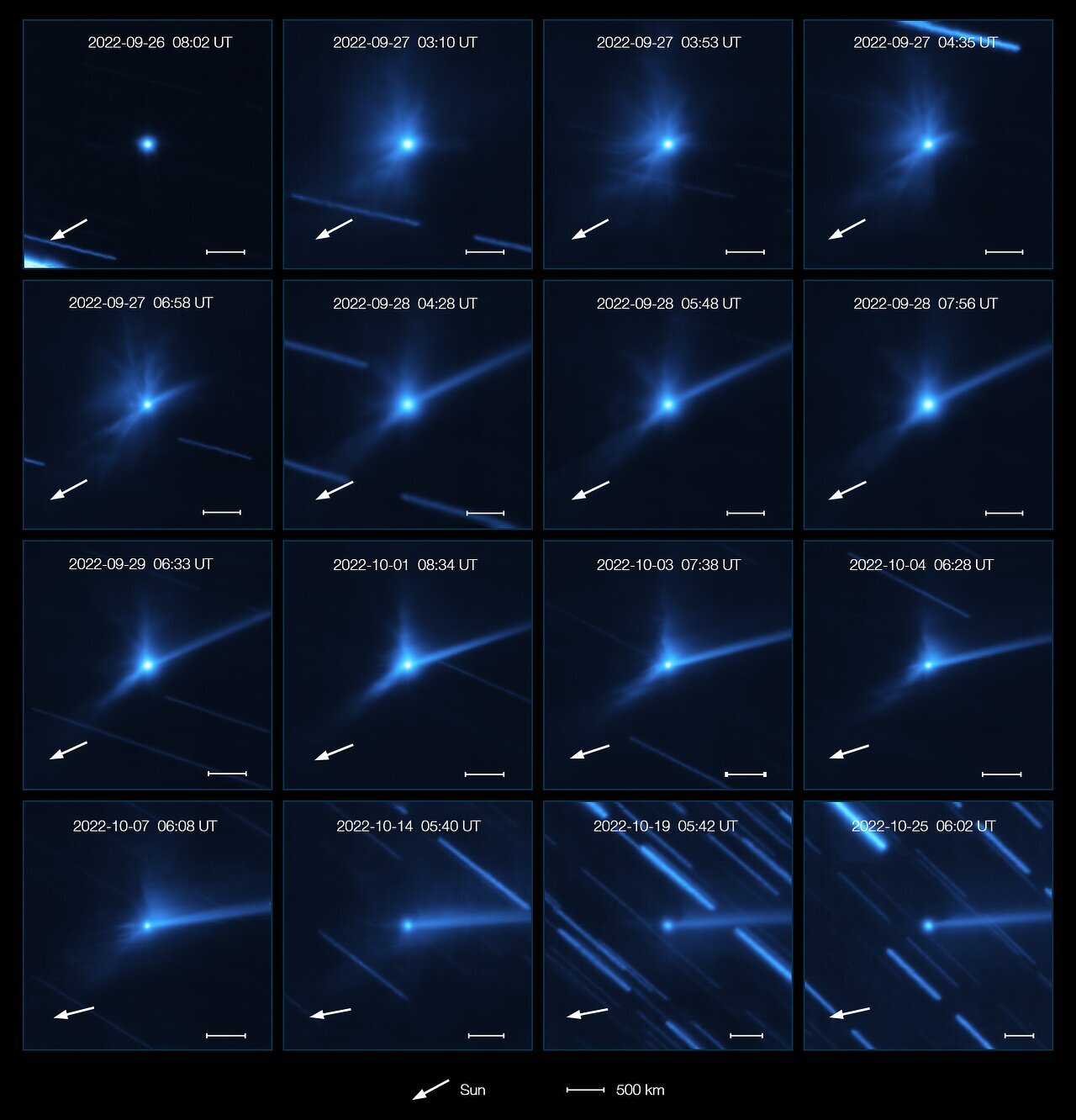
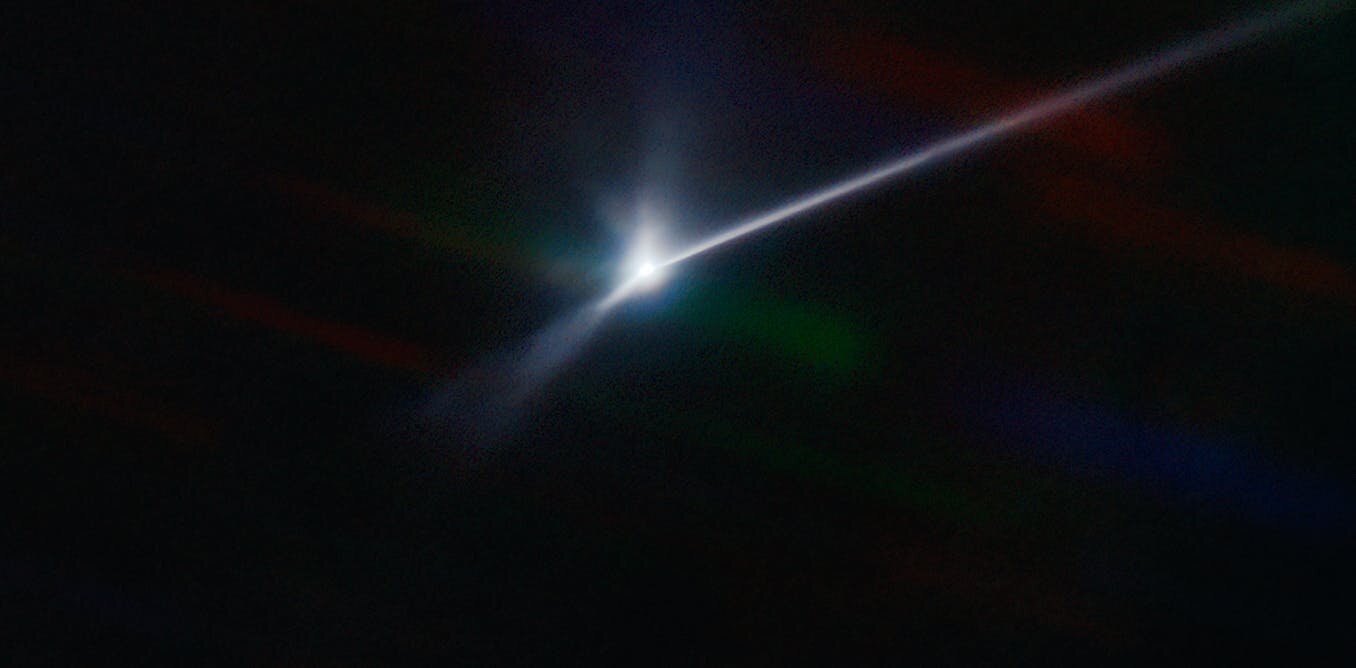
Using ESO's Very Large Telescope (VLT), two teams of astronomers have observed the aftermath of the collision between NASA's Double Asteroid Redirection Test (DART) spacecraft and the asteroid Dimorphos. The controlled impact was a test of planetary defense, but also gave astronomers a unique opportunity to learn more about the asteroid's composition from the expelled material.

Tuesday, March 21, 2023

New findings released from world's most powerful solar telescope

New research conducted as part of the science verification phase of the Visible Spectropolarimeter (ViSP) instrument at the National Science Foundation's Daniel K. Inouye Solar Telescope is the first to use data from this instrument. It is hoped that the work will pave the way for future studies to enable a better understanding of the potential risks to key power and communications infrastructure.

Monday, March 20, 2023

Hubble sees diminutive dwarf galaxy UGCA 307

UGCA 307 hangs against an irregular backdrop of distant galaxies in this image from the NASA/ESA Hubble Space Telescope. The small galaxy consists of a diffuse band of stars containing red bubbles of gas that mark regions of recent star formation and lies roughly 26 million light-years from Earth in the constellation Corvus. Appearing as just a small patch of stars, UGCA 307 is a diminutive dwarf galaxy without a defined structure, resembling nothing more than a hazy patch of passing cloud.

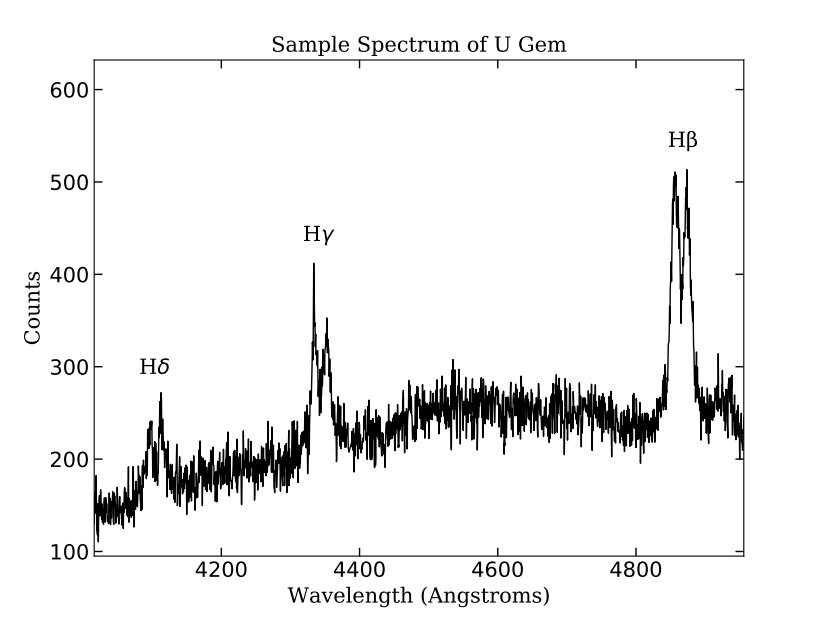
New spectroscopic observations of dwarf nova U Geminorum unveil its properties

Using the Guillermo Haro Observatory (OAGH) in Mexico, astronomers have performed spectroscopic observations of a dwarf nova known as U Geminorum. Results of the observational campaign, published March 10 on the arXiv pre-print repository, yield important insights into the properties of this object.

Sunday, March 19, 2023

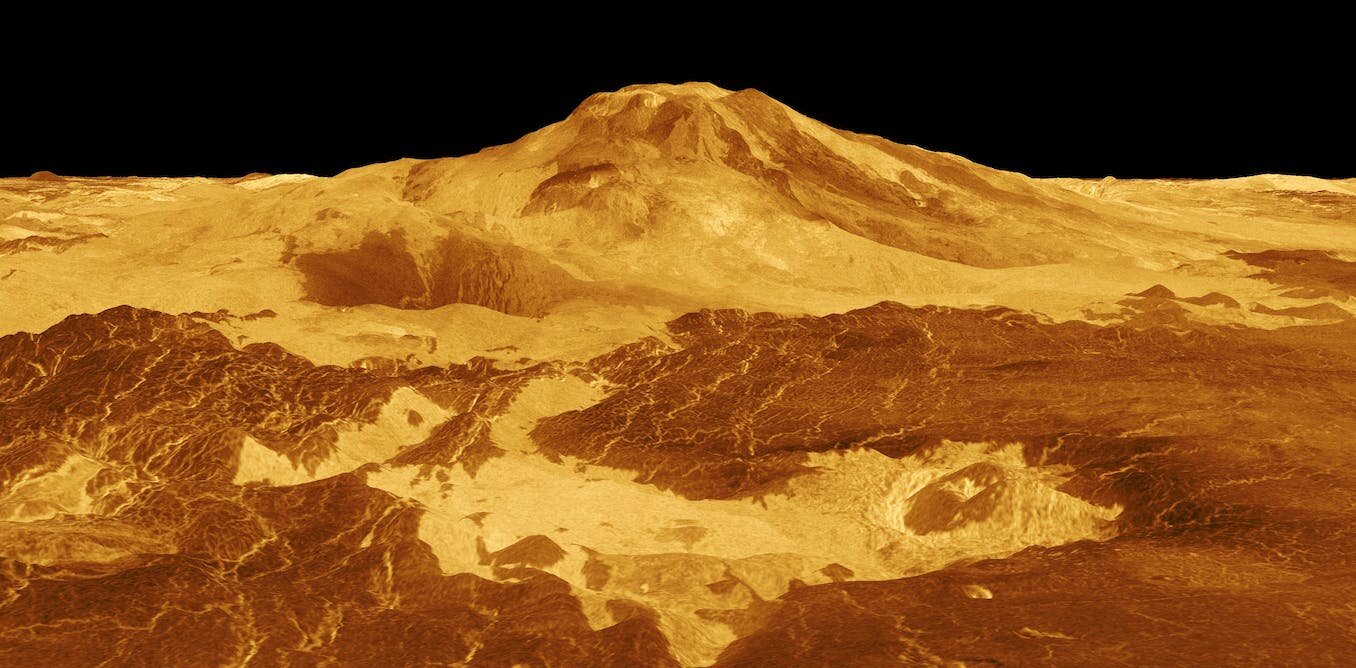
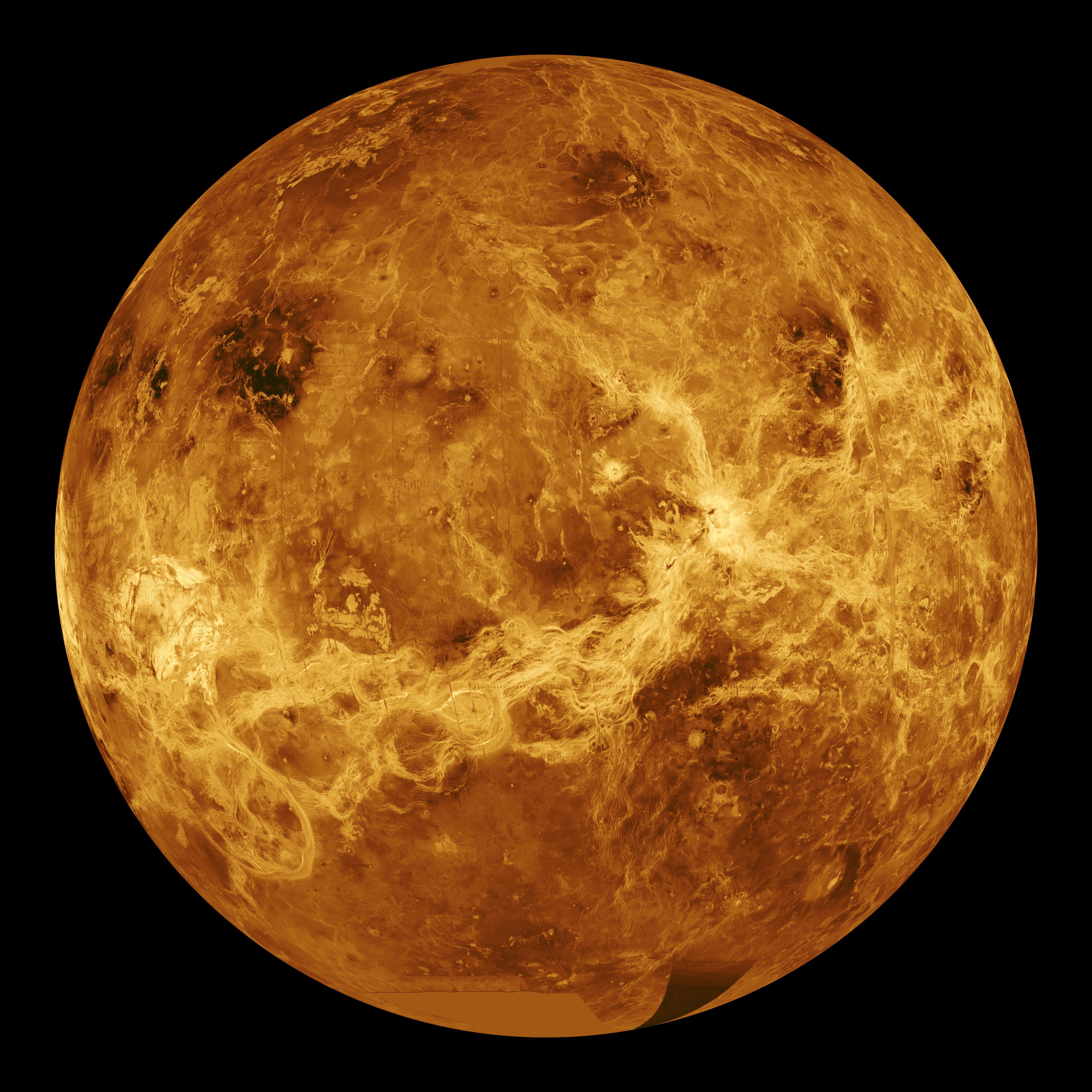
Venus: Proof of active volcanoes—at last

Venus is almost the same size, mass and density as Earth. So it should be generating heat in its interior (by the decay of radioactive elements) at much the same rate as the Earth does. On Earth, one of the main ways in which this heat leaks out is via volcanic eruptions. During an average year, at least 50 volcanoes erupt.

Saturday, March 18, 2023

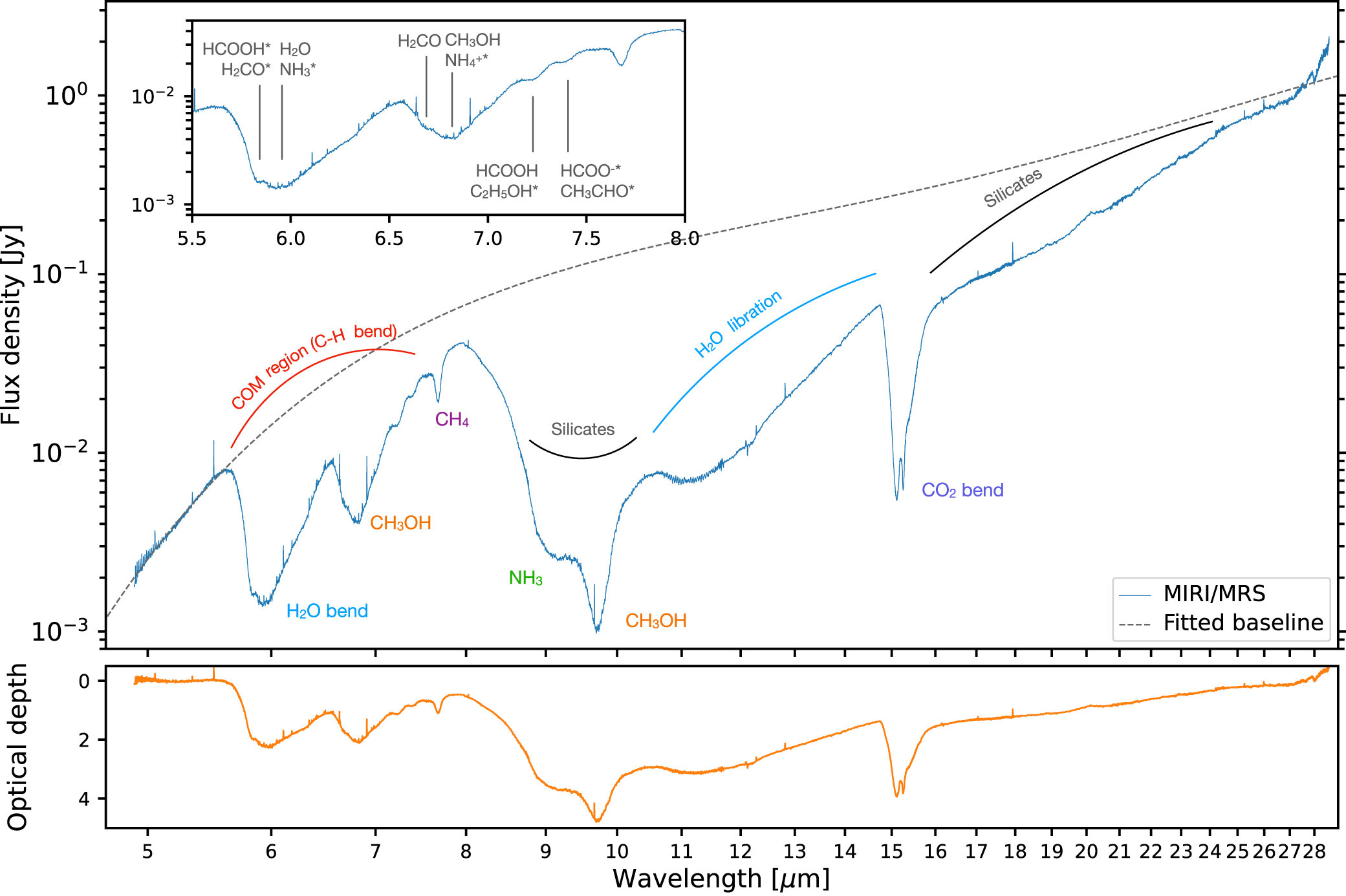
JWST probes chemistry around a newborn star

The James Webb Space Telescope (JWST) is set to transform astronomers' understanding of the chemistry of newly formed stars, with an analysis by RIKEN researchers of early results showing that it can detect complex organic molecules in the clouds of gas and ice surrounding a newborn star.

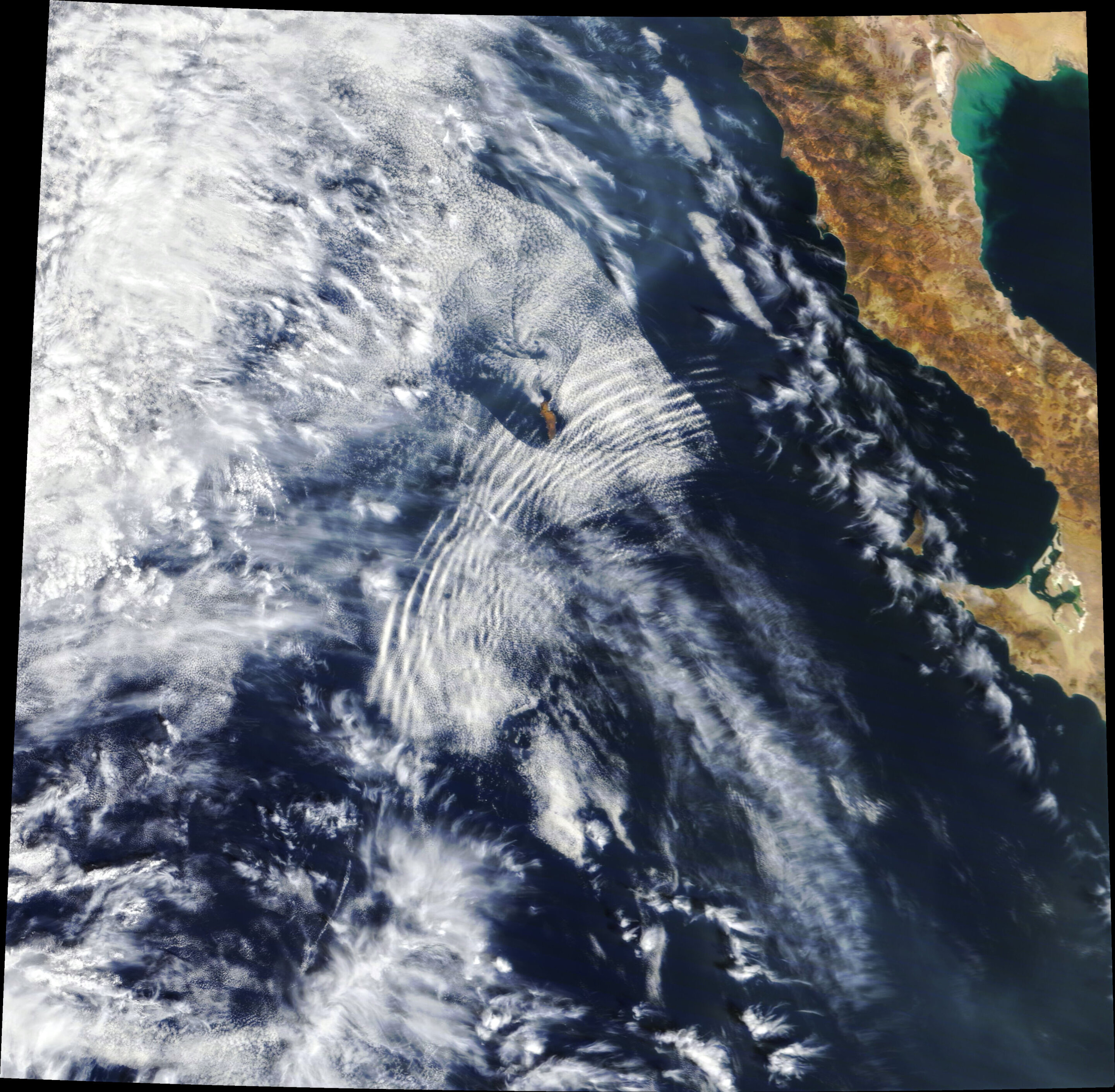
NASA rockets to search for hurricane-like swirls in Earth's upper atmosphere

A NASA rocket team is on the hunt for giant hurricane-like swirls in our upper atmosphere. These swirls, or vortices, may be key to upper atmospheric weather patterns that affect the entire globe. The Vorticity Experiment, or VortEx mission, is readying for a launch on March 17, 2023, from the Andøya Space Center in Andenes, Norway.

Friday, March 17, 2023

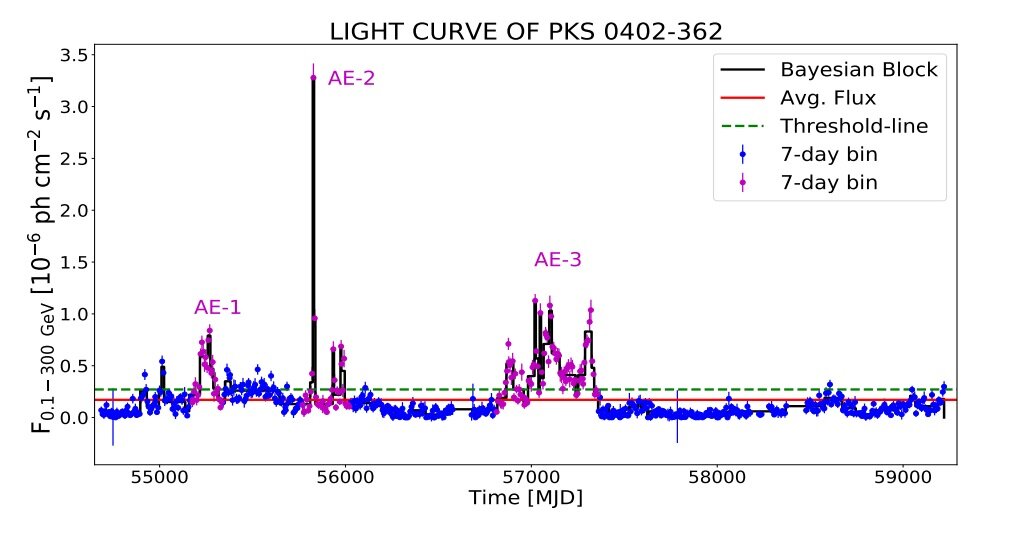
Observations investigate long-term behavior of gamma-ray blazar PKS 0402-362

Indian astronomers have analyzed observational data of a gamma-ray blazar known as PKS 0402-362, collected in the timespan of nearly 13 years. The study, published March 7 in the Monthly Notices of the Royal Astronomical Society, provides crucial information regarding the long-term behavior of this blazar.

Thursday, March 16, 2023

Evolution of supersoft X-ray source WX Centauri is dominated by magnetic wind, find researchers

Researchers led by Ph.D. candidate Zang Lei and Prof. Qian Shengbang from the Yunnan Observatories of the Chinese Academy of Sciences have discovered that the orbital evolution of the supersoft X-ray source WX Centauri (WX Cen) is dominated by the angular momentum loss (AML) driven by magnetic wind from the donor secondary and from the accretion disk alone or together.

Wednesday, March 15, 2023

Study finds ocean currents may affect rotation of Europa's icy crust

Research reveals a new explanation for how the icy shell of Jupiter's moon Europa rotates at a different rate than its interior. NASA's Europa Clipper will take a closer look.

Study sheds more light on the diffuse radio emission from the galaxy cluster Abell 1213

European astronomers have observed a galaxy cluster known as Abell 1213 using various spacecraft and ground-based facilities. The observations unveiled essential information about the diffuse radio emission from this source. The findings are reported in a paper published March 4 on the arXiv pre-print server.

Tuesday, March 14, 2023

Observations inspect X-ray radiation from Vela X-1

Using the Imaging X-ray Polarimetry Explorer (IXPE), an international team of astronomers has conducted X-ray polarimetric observations of an accreting X-ray pulsar known as Vela X-1. Results of the observational campaign, presented March 3 on the arXiv pre-print server, deliver important insights into the properties of X-ray radiation from this pulsar.

Monday, March 13, 2023

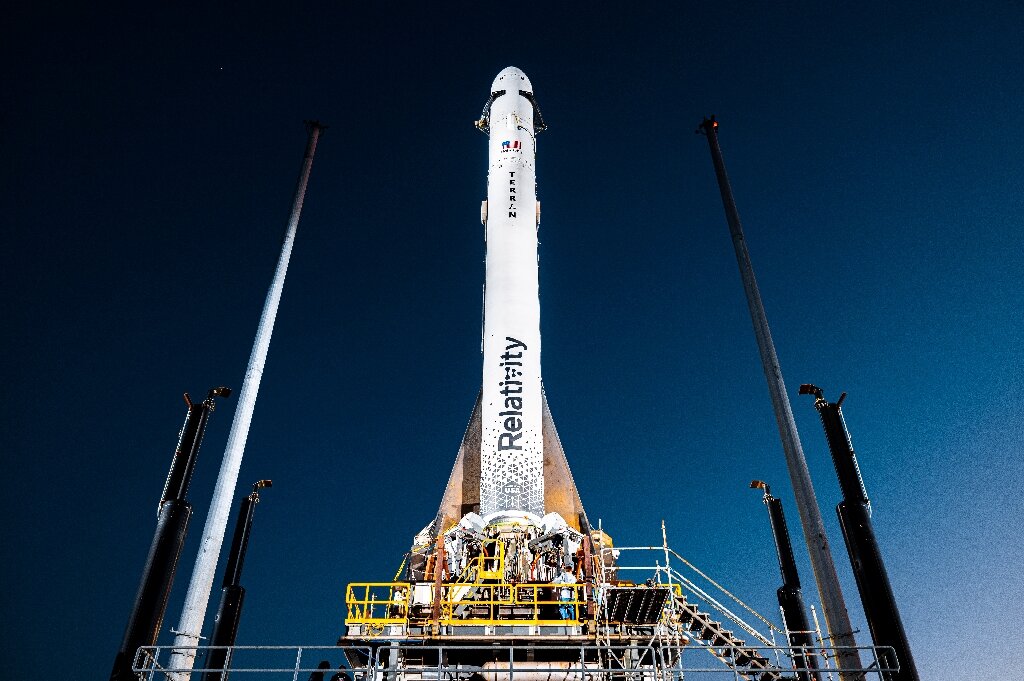
Launch of world's first 3D-printed rocket canceled at last second

The launch of the world's first 3D-printed rocket was ultimately scrubbed after several tries on Saturday, marking a new setback for the private owner of an innovative spacecraft billed as being less costly to produce and fly.

Sunday, March 12, 2023

World's first 3D printed rocket set for inaugural flight

The world's first 3D printed rocket is scheduled to blast off from Florida on Saturday on the maiden flight of an innovative spacecraft billed as being less costly to produce and fly.

Saturday, March 11, 2023

Venus could have had oceans long after life started on Earth

Today Venus has a dry, oxygen-poor atmosphere. But recent studies have proposed that the early planet may have had liquid water and reflective clouds that could have sustained habitable conditions. Researchers at the University of Chicago, Department of Geophysical Sciences, have built a new time-dependent model of Venus's atmospheric composition to explore these claims. Their findings have been published in the Proceedings of the National Academy of Sciences.

Friday, March 10, 2023

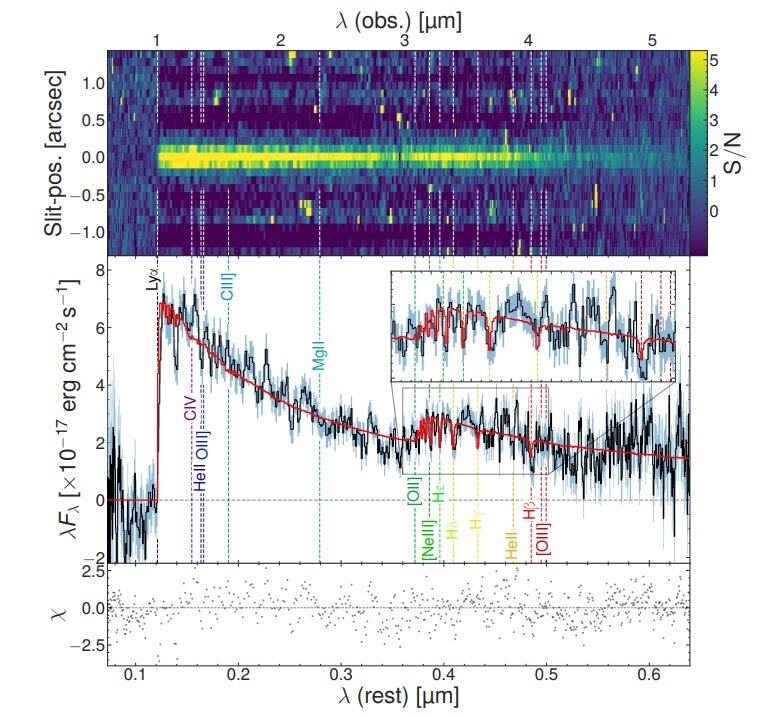
New quiescent galaxy discovered with JWST

Using the James Webb Space Telescope (JWST), an international team of astronomers has discovered a new quiescent galaxy. The galaxy, designated JADES-GS+53.15508-27.80178, was found at a high redshift and has a relatively low mass. The finding is reported in a paper published February 27 on the pre-print server arXiv.

Thursday, March 9, 2023

NASA's IBEX spacecraft resumes science operations

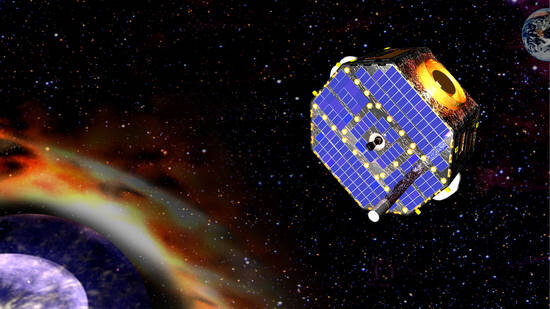
NASA's Interstellar Boundary Explorer (IBEX) is fully operational after the mission team successfully reset the spacecraft on March 2.

Wednesday, March 8, 2023

Planets similar to Neptune and Jupiter observed circling a sun-like star

A small international team of space scientists has discovered a pair of planets that bear a striking resemblance to Neptune and Jupiter circling a star similar in nature to our sun. The group has published their findings on the arXiv pre-print server.

Tuesday, March 7, 2023

Can artificial intelligence help find life on Mars or icy worlds?

Wouldn't finding life on other worlds be easier if we knew exactly where to look? Researchers have limited opportunities to collect samples on Mars or elsewhere or access remote sensing instruments when hunting for life beyond Earth.

Monday, March 6, 2023

New magnetic cataclysmic variable detected

By analyzing the data from the Spektr-RG (SRG) spacecraft and the Transiting Exoplanet Survey Satellite (TESS), astronomers have detected a new magnetic cataclysmic variable. The new object, designated SRGE J075818-612027, is most likely of the polar subtype. The finding was reported in a paper published February 26 on the pre-print server arXiv.

Sunday, March 5, 2023

New results from NASA's DART planetary defense mission confirm we could deflect deadly asteroids

What would we do if we spotted a hazardous asteroid on a collision course with Earth? Could we deflect it safely to prevent the impact?

Saturday, March 4, 2023

SpaceX Dragon crew enter International Space Station

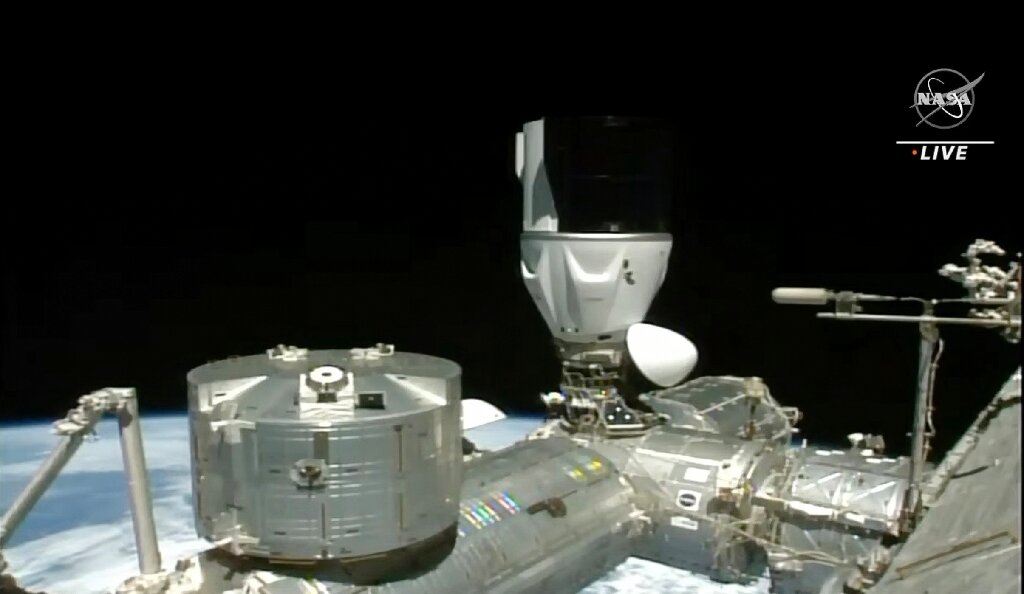
Four astronauts entered the International Space Station on Friday after their SpaceX Dragon Crew-6 mission successfully docked, a NASA livestream showed.

Friday, March 3, 2023

How NASA's Roman Space Telescope will rewind the universe

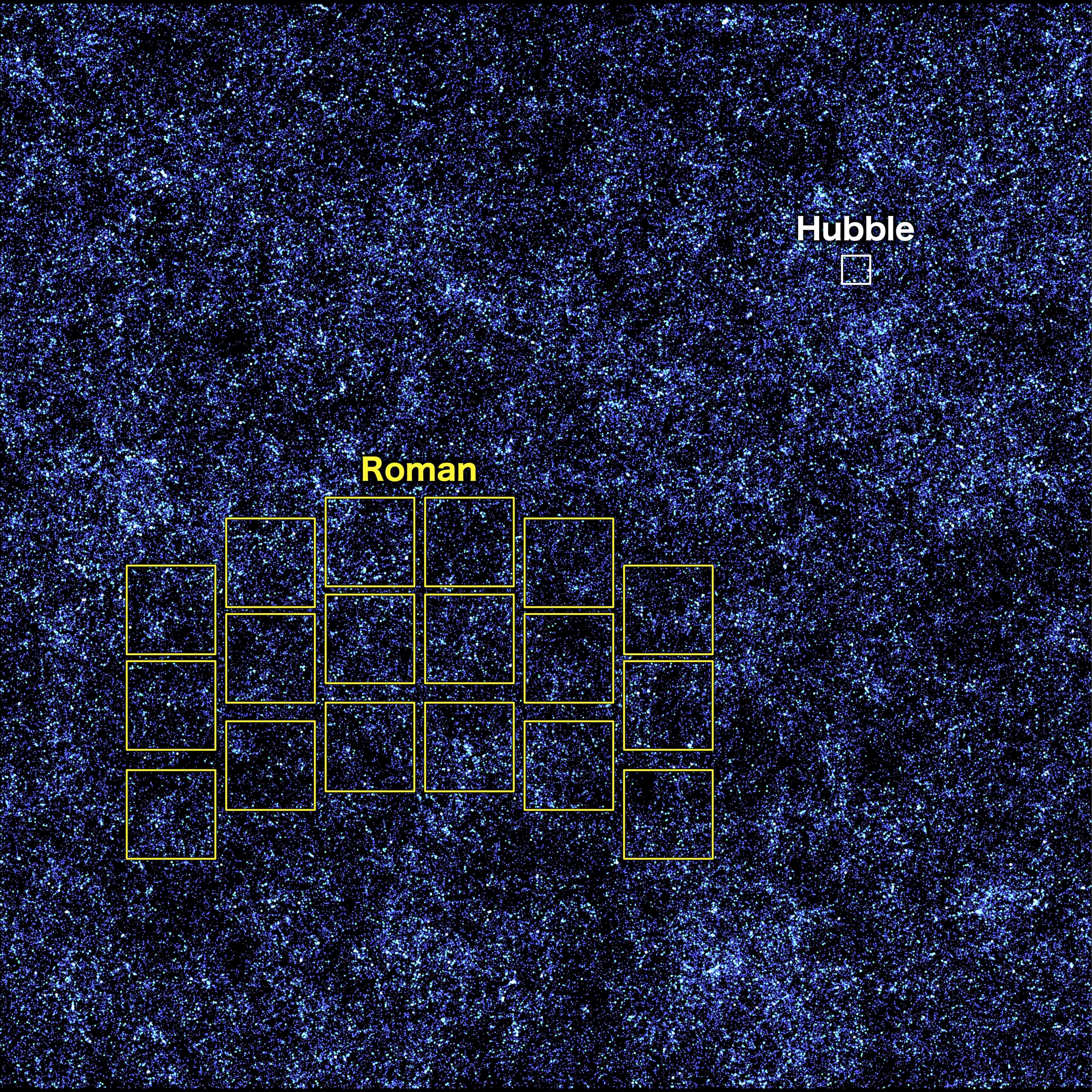
A new simulation shows how NASA's Nancy Grace Roman Space Telescope will turn back the cosmic clock, unveiling the evolving universe in ways that have never been possible before when it launches by May 2027. With its ability to rapidly image enormous swaths of space, Roman will help us understand how the universe transformed from a primordial sea of charged particles to the intricate network of vast cosmic structures we see today.

Unistellar citizen science network and SETI Institute contribute to planetary defense

Citizen scientists worldwide made decisive contributions to defend our planet by recording accurate and meaningful observations supporting the NASA DART (Double Asteroid Redirection Test) mission. The team, including eight SETI Institute astronomers and led by SETI Institute postdoctoral fellow Ariel Graykowski published their results in Nature on March 1.

Thursday, March 2, 2023

Observations shed more light on the behavior of a nearby blazar

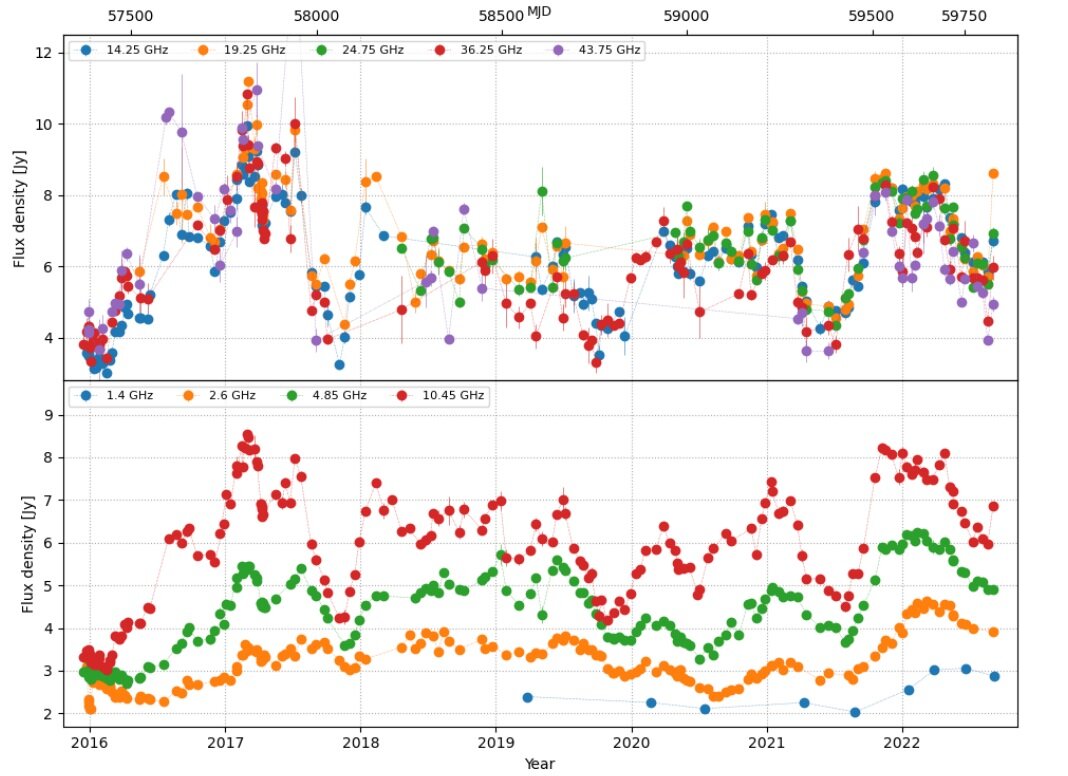
An international team of astronomers has conducted a long-term multi-frequency radio monitoring of a nearby blazar known as OJ 287. Results of the observational campaign, published February 22 on the pre-print server arXiv, shed more light about the behavior of this blazar, especially regarding its radio variability.

Wednesday, March 1, 2023

Surgeon, scientist named Japan's first new astronauts in 13 years

Japan's space agency JAXA named its first new astronaut candidates in over 13 years on Tuesday, with a surgeon and a climate scientist chosen from more than 4,000 applicants.