This is default featured slide 1 title

Go to Blogger edit html and find these sentences.Now replace these sentences with your own descriptions.

This is default featured slide 2 title

Go to Blogger edit html and find these sentences.Now replace these sentences with your own descriptions.

This is default featured slide 3 title

Go to Blogger edit html and find these sentences.Now replace these sentences with your own descriptions.

This is default featured slide 4 title

Go to Blogger edit html and find these sentences.Now replace these sentences with your own descriptions.

This is default featured slide 5 title

Go to Blogger edit html and find these sentences.Now replace these sentences with your own descriptions.
Tuesday, January 31, 2023

Untangling a knot of galaxy clusters

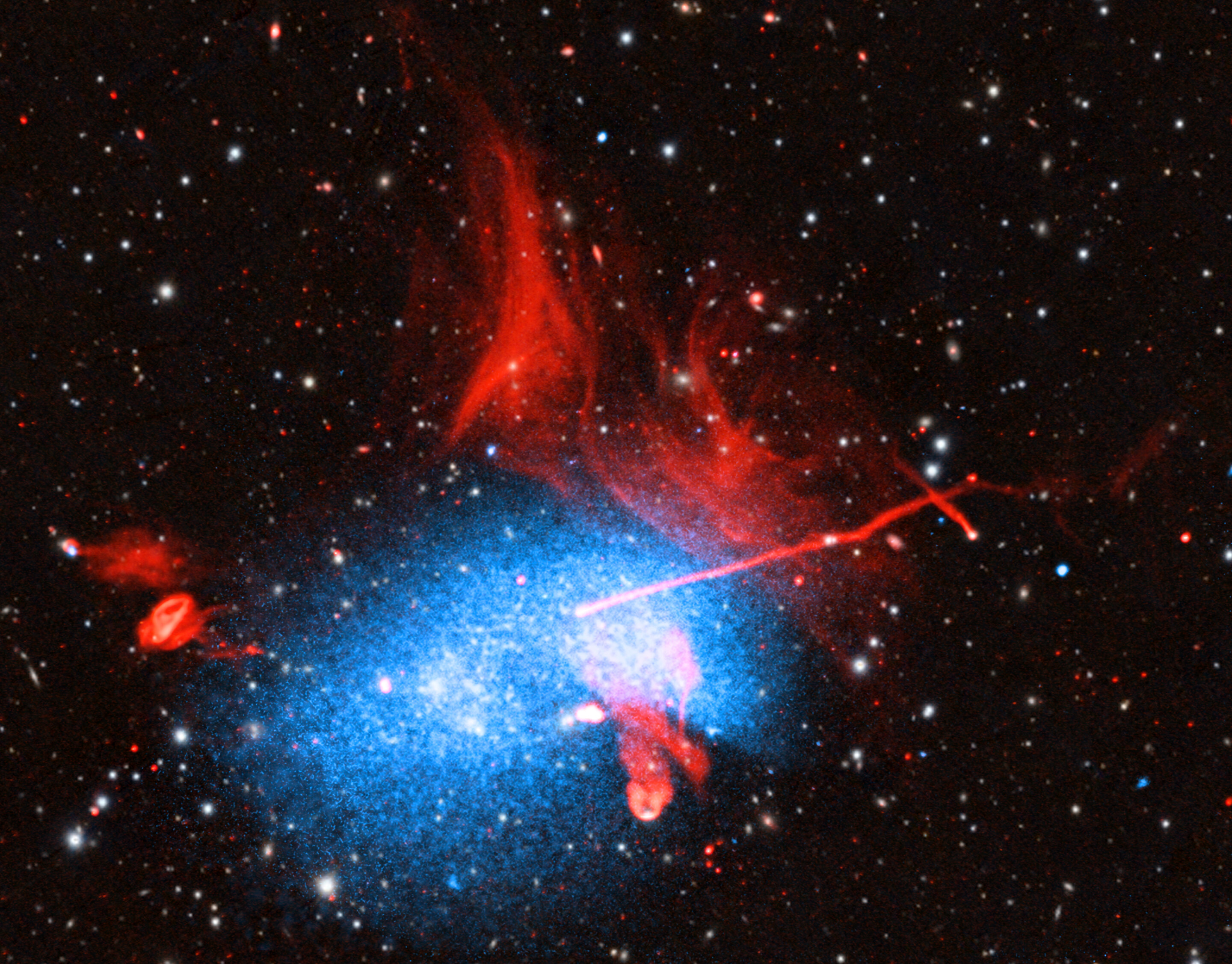
Astronomers have captured a spectacular, ongoing collision between at least three galaxy clusters. Data from NASA's Chandra X-ray Observatory, ESA's (European Space Agency's) XMM-Newton, and a trio of radio telescopes is helping astronomers sort out what is happening in this jumbled scene. Collisions and mergers like this are the main way that galaxy clusters can grow into the gigantic cosmic edifices seen today. These also act as the largest particle accelerators in the universe.

Monday, January 30, 2023

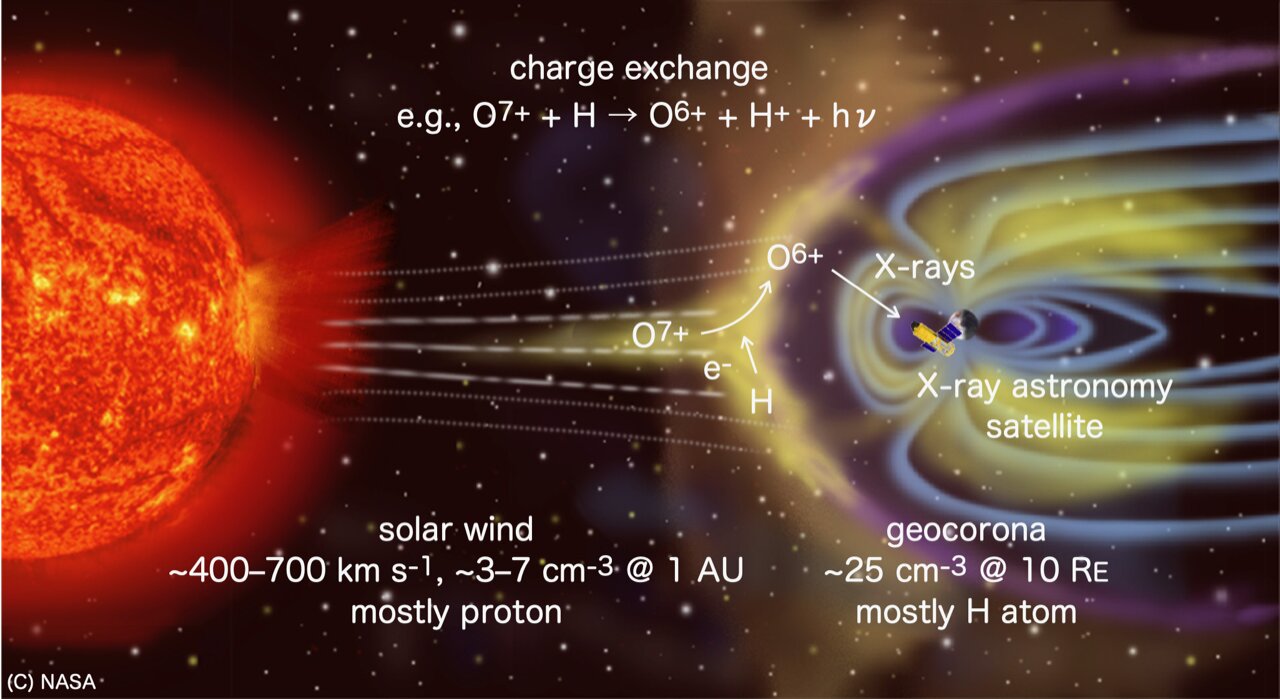
Simulations reproduce complex fluctuations in soft X-ray signal detected by satellites

Researchers from Tokyo Metropolitan University have used numerical methods to model the variations observed in soft X-ray signals detected by X-ray satellites. They analyzed data from the Suzaku telescope and compared it with modeling of solar winds interacting with the most upper parts of our atmosphere. They succeeded in capturing how the signal varied with the orbital motion of the satellite, with implications for how predictions can be made for future satellite experiments. Their findings are published in the journal Publications of the Astronomical Society of Japan.

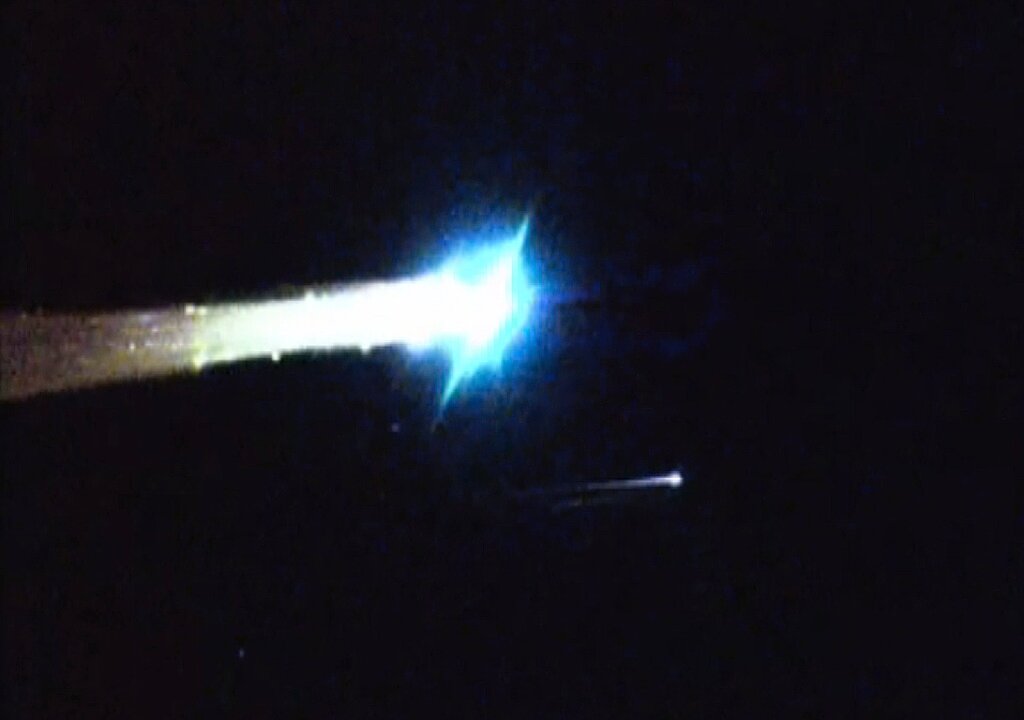
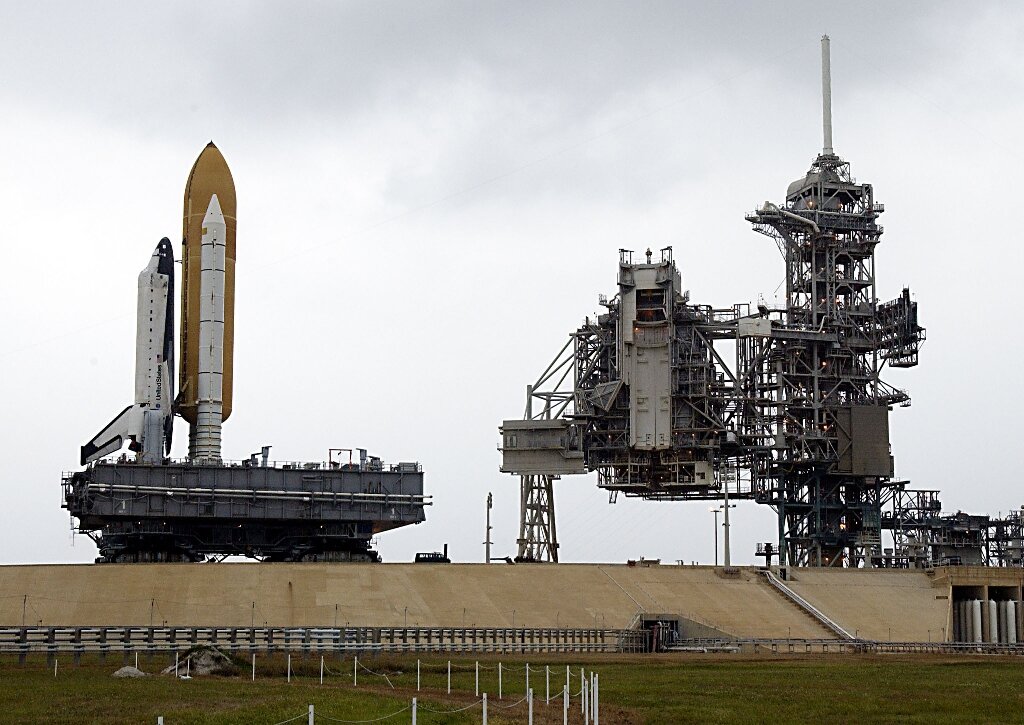
Columbia disaster that scuttled the space shuttle

America may now be aiming to put astronauts back on the Moon, but for years the United States turned its back on manned missions after the Columbia space shuttle disaster.

Sunday, January 29, 2023

How three dust specks reveal an asteroid's secrets

The specks are tiny. No, really tiny. Smaller than the diameter of a hair. But they hold billions of years of history that reveal some of the secrets of asteroids.

Saturday, January 28, 2023

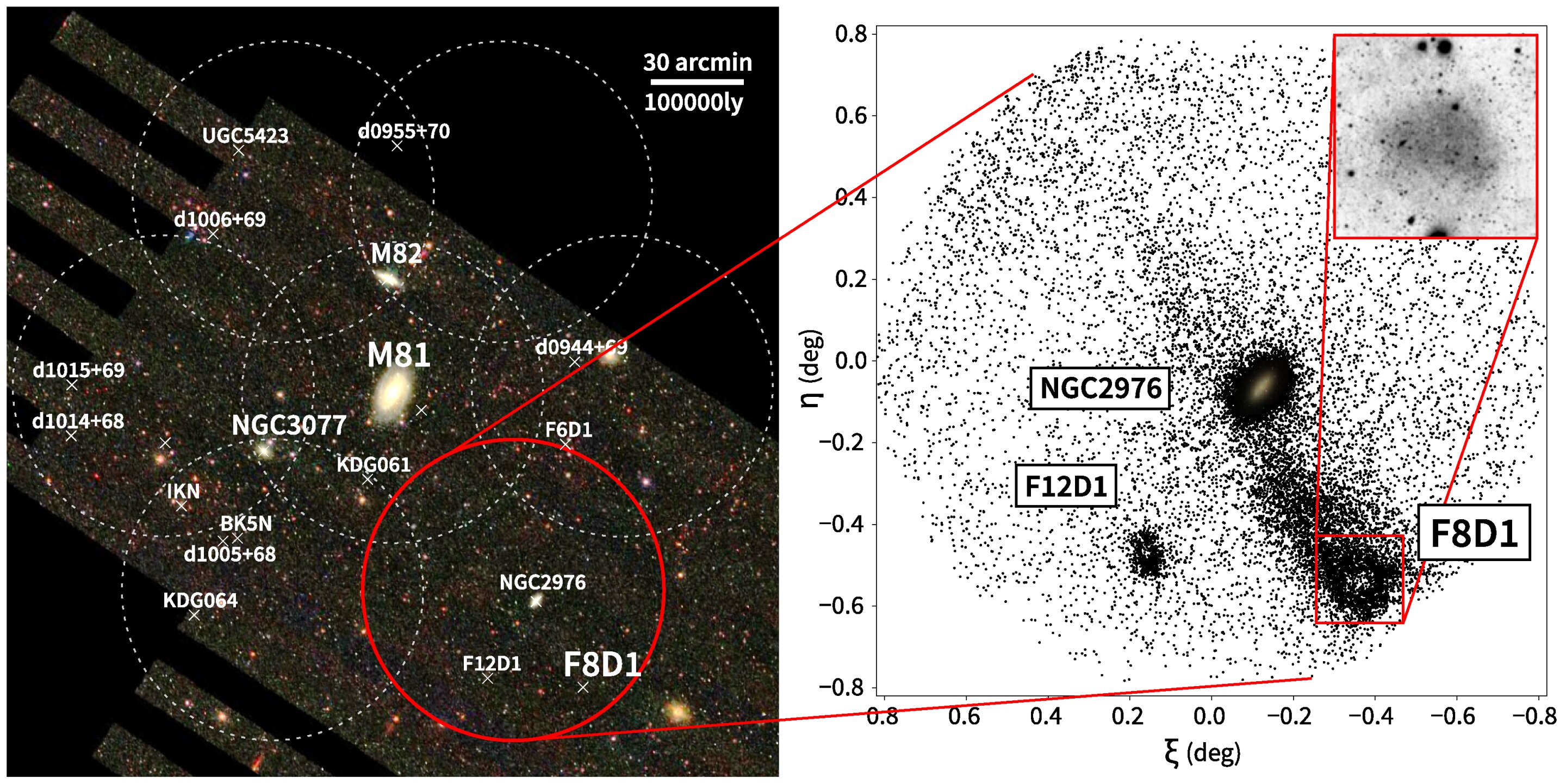
Starry tail tells the tale of dwarf galaxy evolution

A giant diffuse tail of stars has been discovered emanating from a large, faint dwarf galaxy. The presence of a tail indicates that the galaxy has experienced recent interaction with another galaxy. This is an important clue for understanding how so called "ultra-diffuse" galaxies are formed.

Friday, January 27, 2023

Astronomers use novel technique to find starspots

Astronomers have developed a powerful technique for identifying starspots, according to research presented this month at the 241st meeting of the American Astronomical Society.

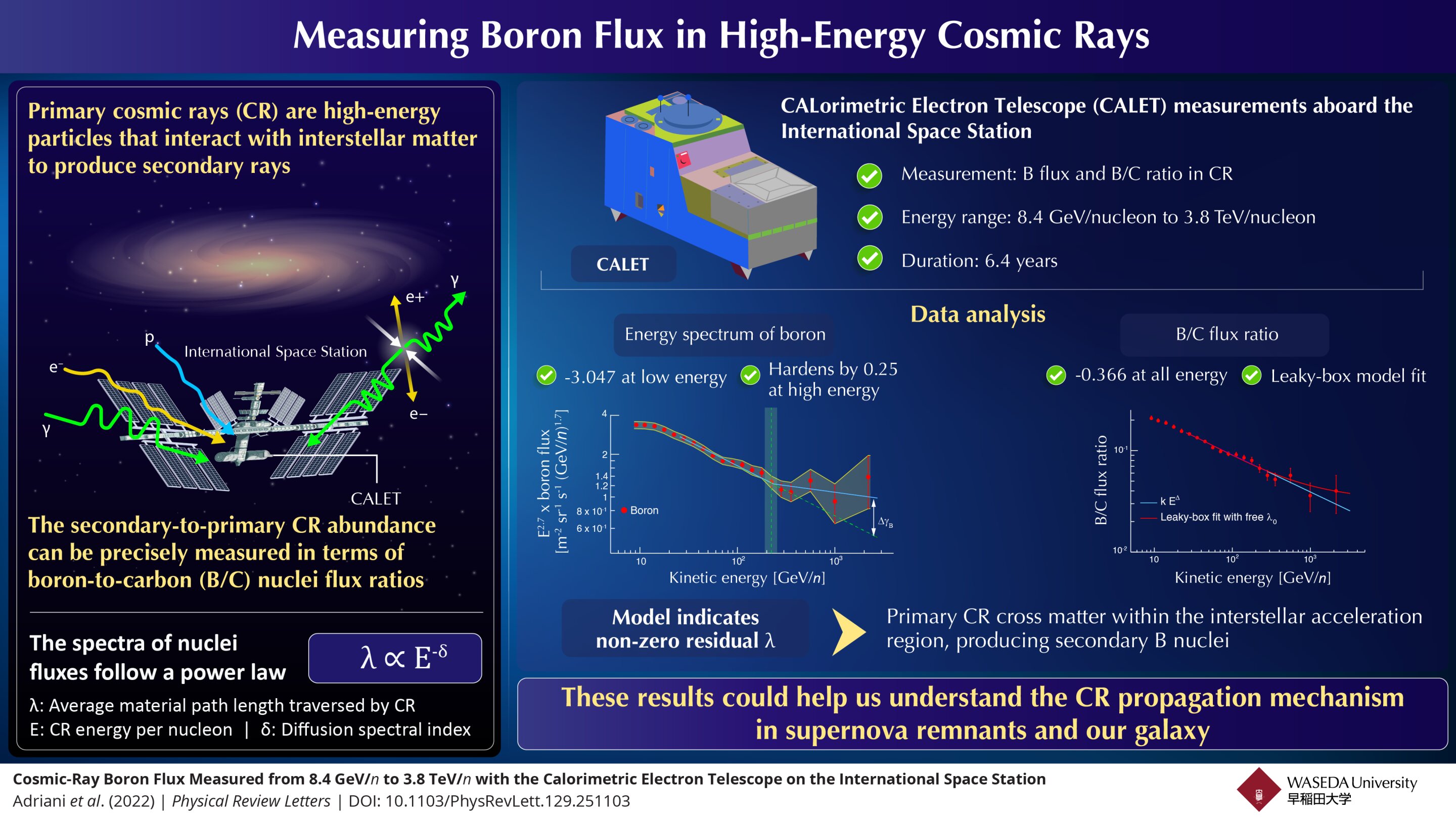
Researchers measure boron flux in high-energy cosmic rays with the CALorimetric Electron Telescope (CALET)

Cosmic rays (CR) constitute high-energy particles that mainly originate outside our solar system. These primary CR interact with interstellar matter to produce secondary CR. The secondary nature of their origin is reflected in the higher abundance of light elements, such as boron (B), in secondary CR relative to the solar system.

Thursday, January 26, 2023

Astronomers discover a peculiar cataclysmic variable star

Using NASA's Transiting Exoplanet Survey Satellite (TESS), astronomers have discovered a peculiar cataclysmic variable star. The newly found system, designated SDSS J134441.83+204408.3 (or J1344 for short) is a highly asynchronous, short-period magnetic cataclysmic variable, despite its high surface field strength. The finding is reported in a paper published January 13 on the arXiv preprint server.

Wednesday, January 25, 2023

Study suggests a paradigm shift in our understanding of gamma ray bursts

Matter outflows in the form of jets are observed in astronomical systems at fast, medium and slow speeds. The fastest jets are highly relativistic, and travel very close to the speed of light. The origin, as well as many properties of the jets, is uncertain. Jet velocities seem to have a bi-modal distribution—some very fast and others slow, with a gap in velocities in between, which has long challenged experts. Bar-Ilan University researchers re-examined the data and have now seemingly solved the puzzle.

Tuesday, January 24, 2023

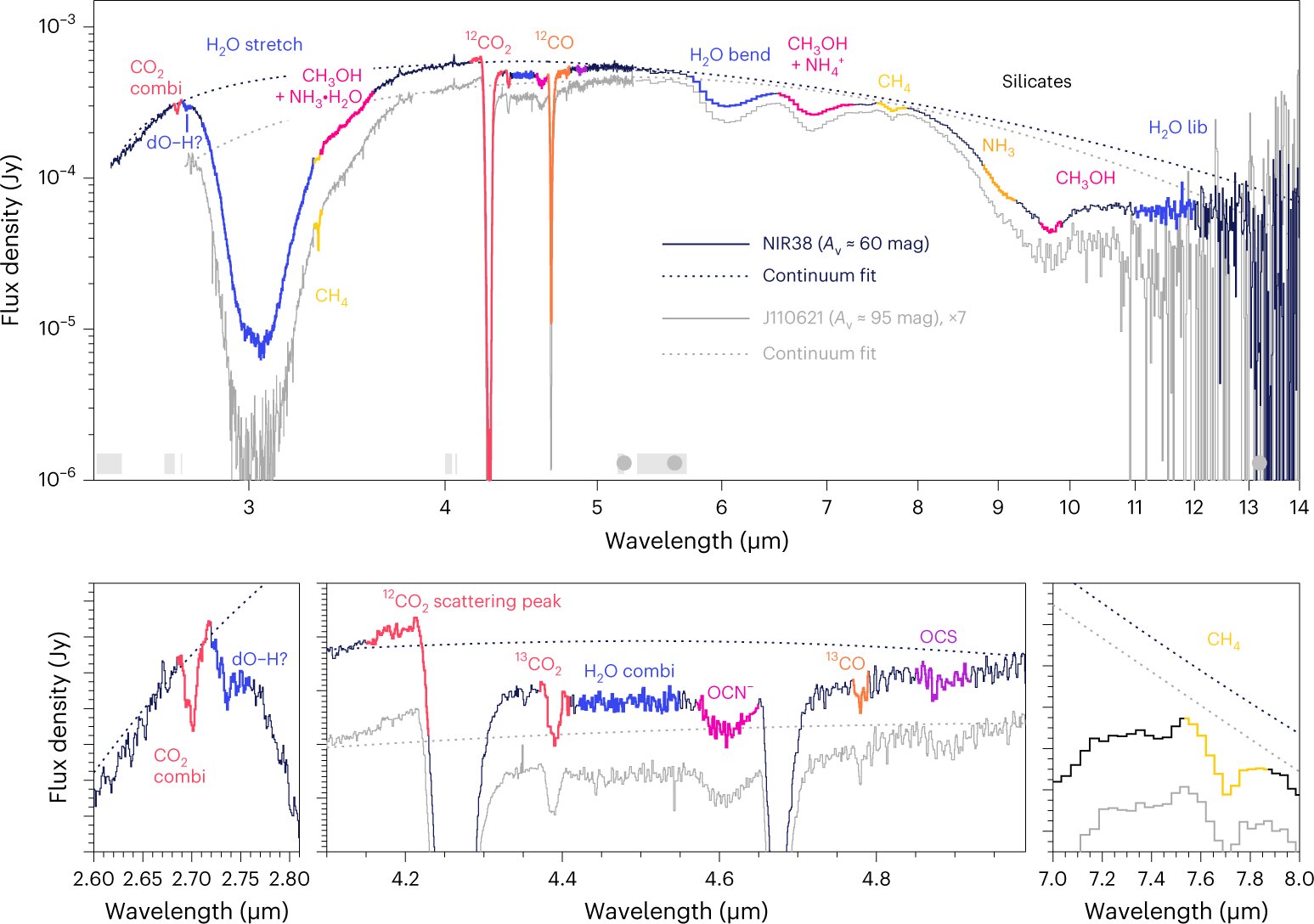
Webb unveils dark side of pre-stellar ice chemistry

The discovery of diverse ices in the darkest regions of a cold molecular cloud measured to date has been announced by an international team of astronomers using NASA's James Webb Space Telescope. This result allows astronomers to examine the simple icy molecules that will be incorporated into future exoplanets, while opening a new window on the origin of more complex molecules that are the first step in the creation of the building blocks of life.

Monday, January 23, 2023

Researchers explore the properties of globular cluster NGC 6355

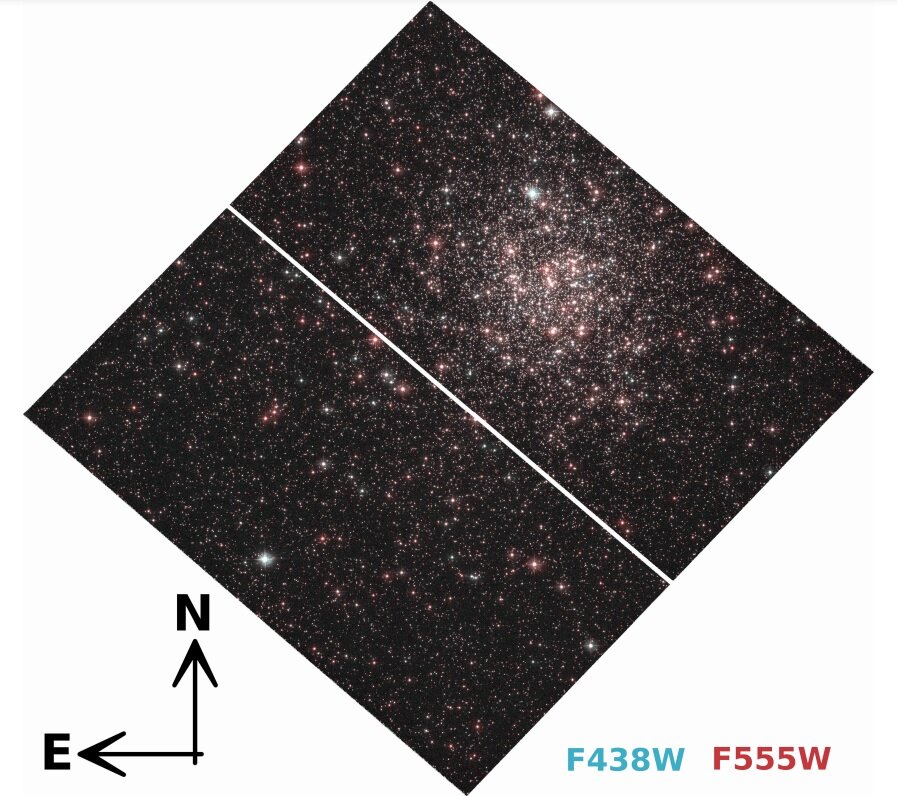
An international team of astronomers has performed a chrono-chemodynamical analysis of a Galactic globular cluster known as NGC 6355. Results of the study, presented in a paper published January 12 on the arXiv preprint server, deliver important insights into the properties and chemical composition of this cluster.

Sunday, January 22, 2023

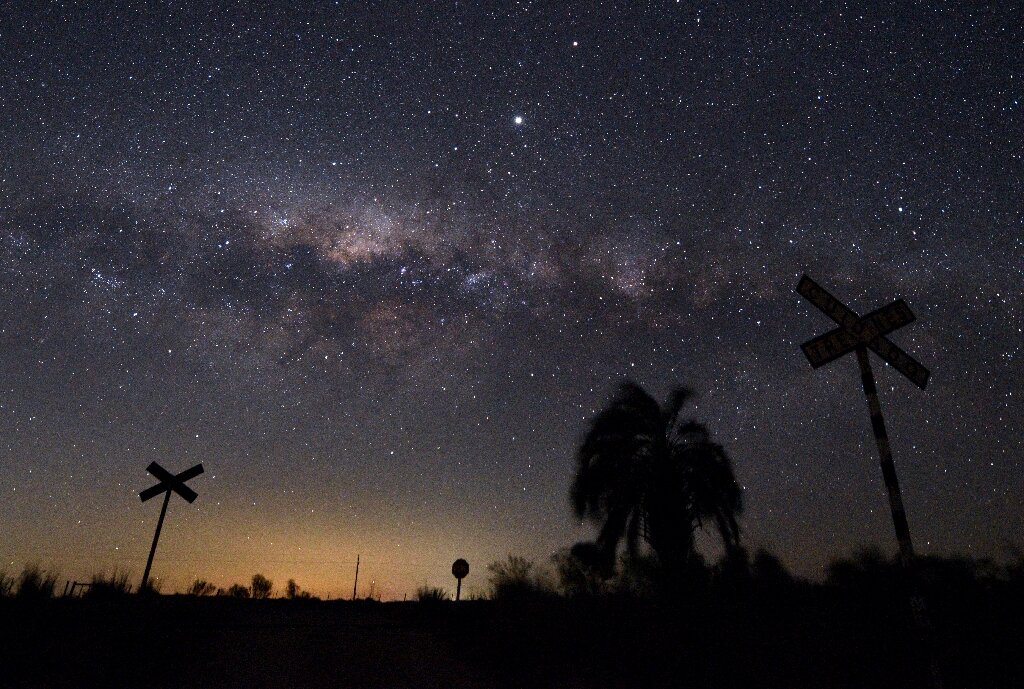
Star visibility eroding rapidly as night sky gets brighter: study

Light pollution is growing rapidly and in some places the number of stars visible to the naked eye in the night sky is being reduced by more than half in less than 20 years, according to a study released Thursday.

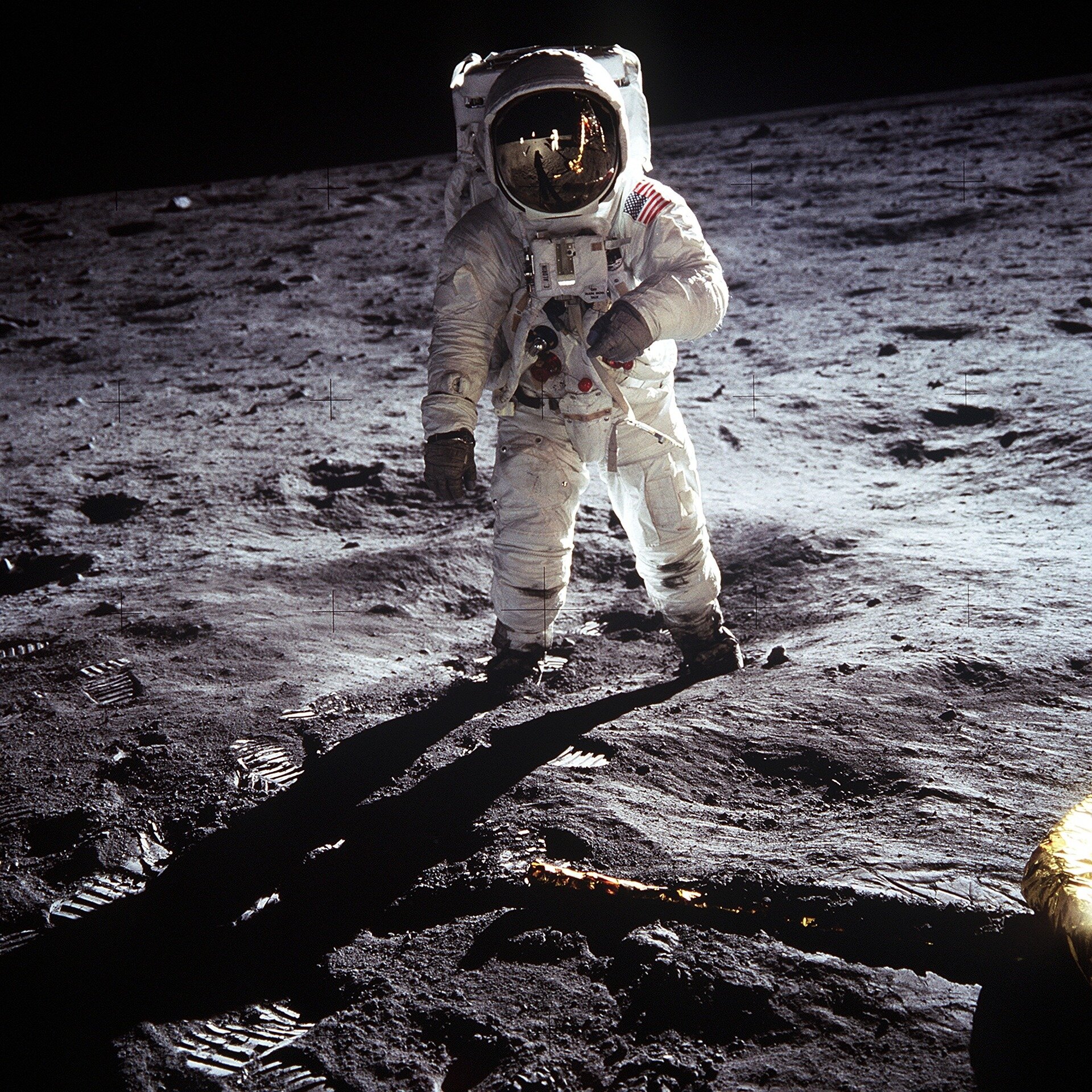
Buzz Aldrin, second man on the Moon, marries on 93rd birthday

Legendary Apollo 11 astronaut Buzz Aldrin, the second person to set foot on the Moon, said he had married his longtime girlfriend on Friday, his 93rd birthday.

Saturday, January 21, 2023

Britain's Tim Peake steps down from ESA astronaut corps

Britain's Tim Peake has hung up his spacesuit, stepping down from Europe's astronaut corps to become an ambassador for space activities, the European Space Agency said on Friday.

Friday, January 20, 2023

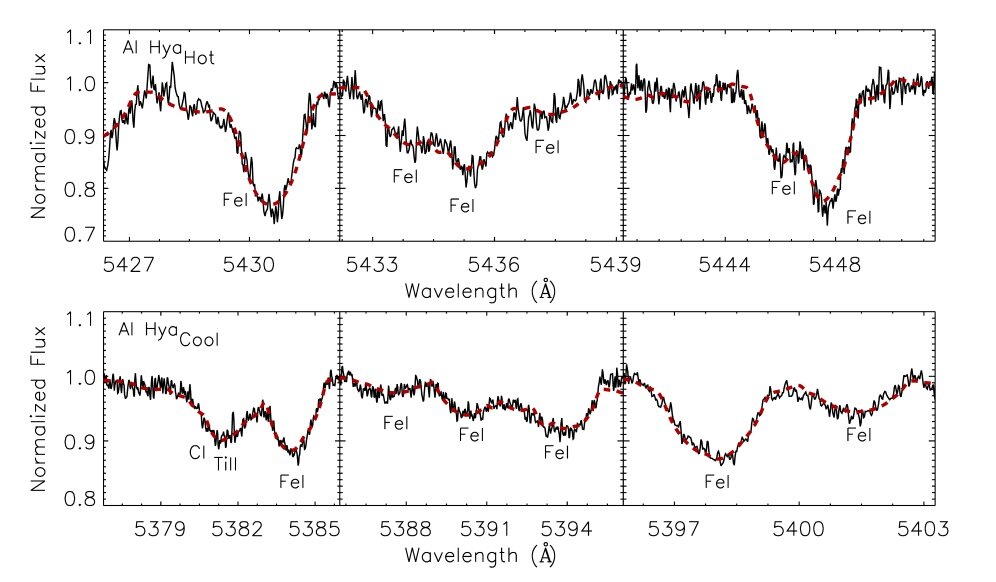
Pulsating eclipsing binary AI Hya investigated in detail

An international team of astronomers has performed a comprehensive spectroscopic and photometric study of a pulsating eclipsing binary star known as AI Hya. Results of the study, published January 11 on the arXiv pre-print server, deliver important insights into the nature of this system.

Thursday, January 19, 2023

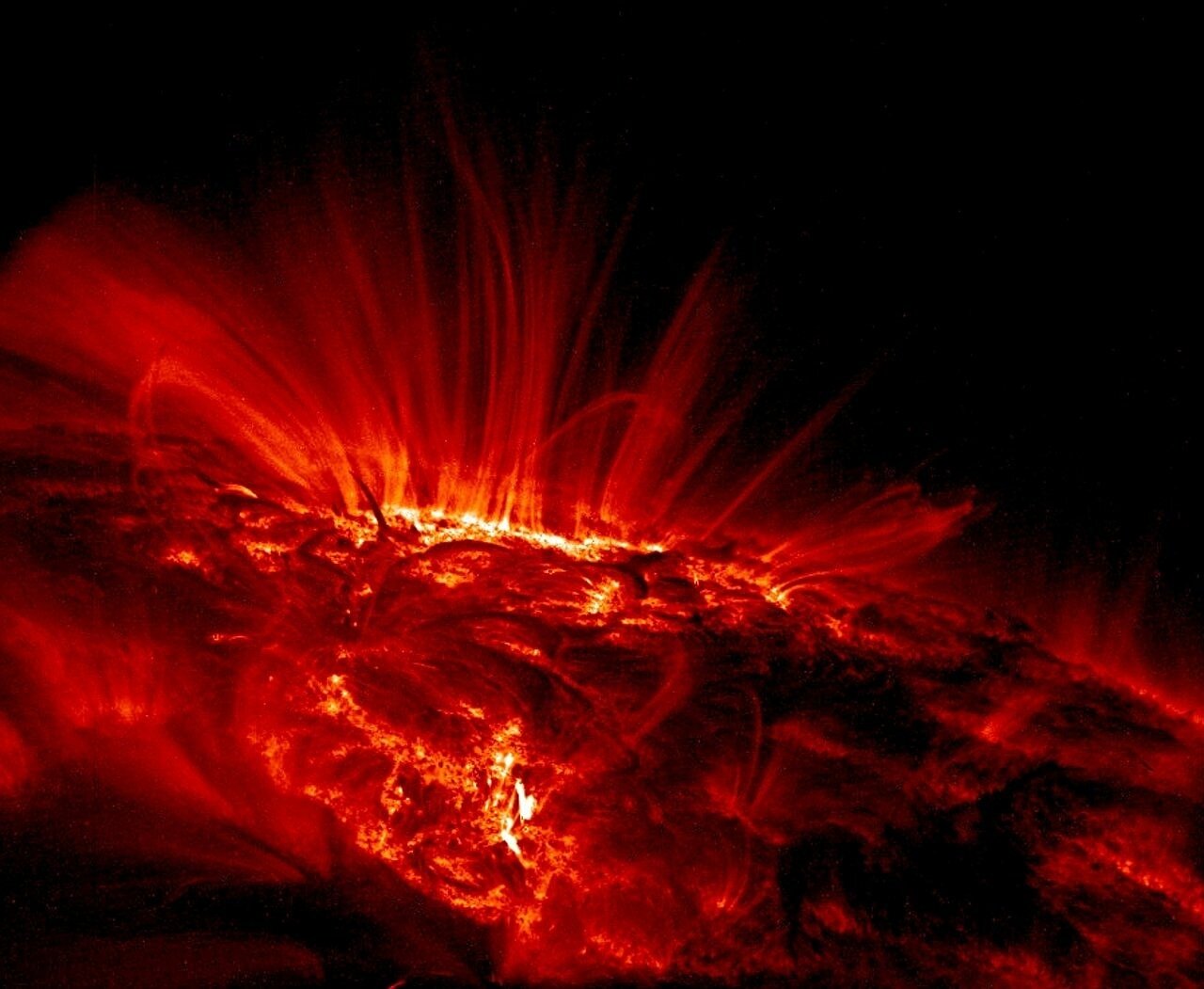
Researchers find potential mechanism of solar light bridge formation and penumbra disappearance

Sunspots are the most noticeable manifestation of solar magnetic field concentrations in the photosphere. A typical mature sunspot has an umbra and a penumbra. Light bridges (LBs) are the strip-like bright features, two ends of which connect the penumbra and span the umbra of a sunspot.

Wednesday, January 18, 2023

Astronomers reveal the most detailed radio image yet of the Milky Way's galactic plane

Two major astronomy research programs, called EMU and PEGASUS, have joined forces to resolve one of the mysteries of our Milky Way: where are all the supernova remnants?

Tuesday, January 17, 2023

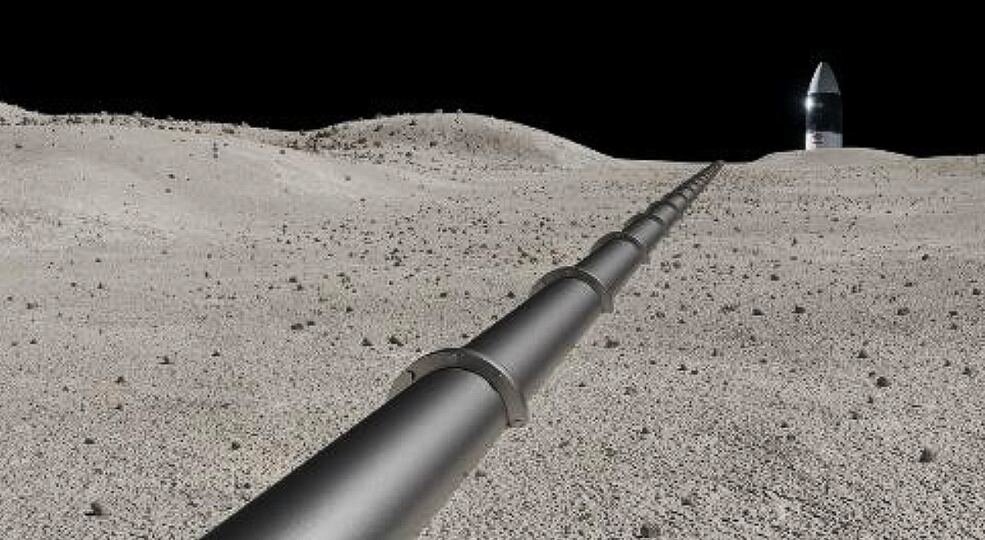
One day, there could be a pipeline of oxygen flowing from the moon's south pole

The Artemis program intends to put humans on the moon for the first time since NASA's Apollo missions. But Artemis has a larger scope than just landing people there, setting up some science experiments, gathering moon rocks, playing a little golf, then leaving. The intent is to establish a consistent presence.

Monday, January 16, 2023

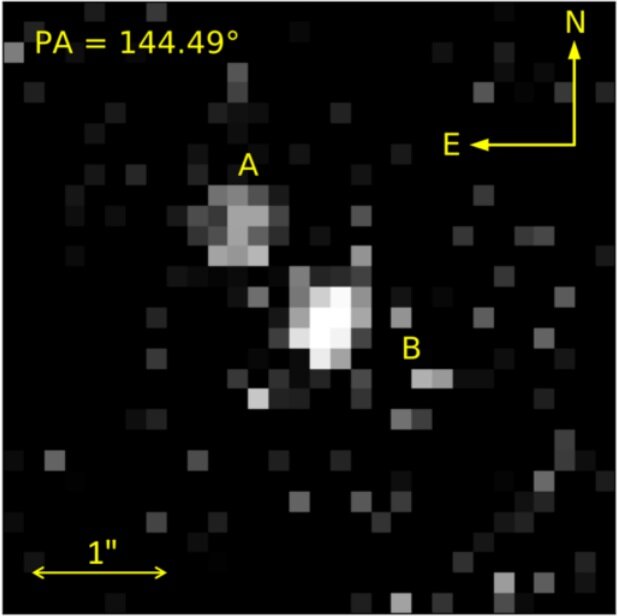
SDSS J222551.65+001637.7AB is a white dwarf–brown dwarf binary system, observations find

Using the Gemini North telescope, astronomers have performed spectroscopic observations of a binary system known as SDSS J222551.65+001637.7AB. Results of the observational campaign indicate that the system consists of a white dwarf and a brown dwarf companion. The finding was reported December 21 on the arXiv pre-print server.

Study finds active galactic nuclei are even more powerful than thought

Powered by supermassive black holes swallowing matter in the centers of galaxies, active galactic nuclei are the most powerful compact steady sources of energy in the universe. The brightest active galactic nuclei have long been known to far outshine the combined light of the billions of stars in their host galaxies.

Saturday, January 14, 2023

January launch planned for Rocket Lab's Electron

NASA's Wallops Flight Facility will support the launch of Rocket Lab U.S.'s first Electron rocket from Virginia at 6 p.m. EST, Monday, Jan. 23.

Friday, January 13, 2023

Russia to send rescue mission to space station

Russia said Wednesday that it will send an empty spacecraft to the International Space Station (ISS) next month to bring home three astronauts whose planned return vehicle was damaged by a strike from a tiny meteoroid.

Thursday, January 12, 2023

Space junk, not meteorites, remains biggest threat to spacecraft

Dodging the kind of meteorite strike that forced Russia to plan a space station rescue mission is nearly impossible, yet the greater threat to spacecraft is actually the man-made debris in orbit, experts say.

Wednesday, January 11, 2023

Research student helps build radio source catalog

Bailee Wolf, a student at The Ohio State University, has a tool to better process radio data, and it could help future spacecraft navigate through the solar system.

Tuesday, January 10, 2023

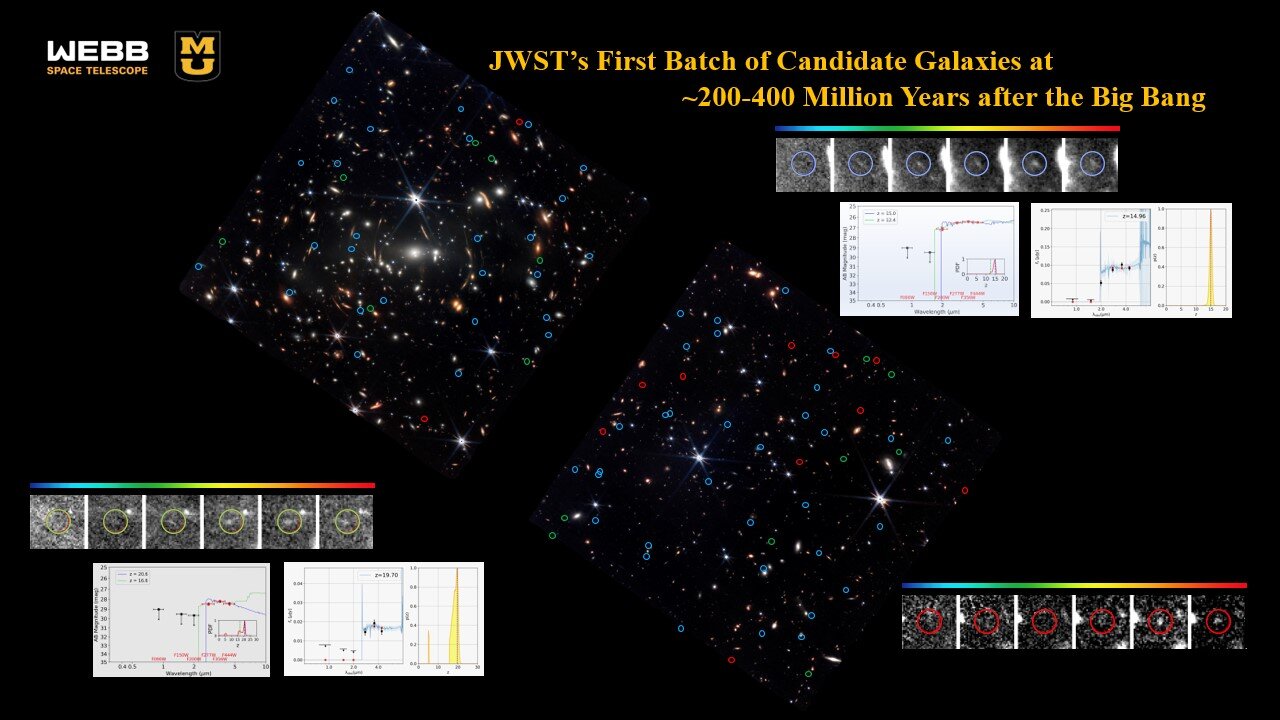
Astronomers suggest more galaxies were formed in the early universe than previously thought

In a new study, a team of astronomers led by Haojing Yan at the University of Missouri used data from NASA's James Webb Space Telescope (JWST) Early Release Observations and discovered 87 galaxies that could be the earliest known galaxies in the universe.

Monday, January 9, 2023

Astronomers discover eight new super-hot stars

An international team of astronomers has discovered eight of the hottest stars in the universe, all with surfaces hotter than 100,000 degrees Celsius. The work was published in Monthly Notices of the Royal Astronomical Society.

Historic UK rocket mission set for liftoff

Final preparations were under way Monday for the first rocket launch from UK soil, catapulting it into the "exclusive" club of nine nations able to send crafts into Earth's orbit.

Sunday, January 8, 2023

Once in 50,000-year comet may be visible to the naked eye

A newly discovered comet could be visible to the naked eye as it shoots past Earth and the Sun in the coming weeks for the first time in 50,000 years, astronomers have said.

Saturday, January 7, 2023

Astronomers use 'little hurricanes' to weigh and date planets around young stars

Little 'hurricanes' that form in the disks of gas and dust around young stars can be used to study certain aspects of planet formation, even for smaller planets which orbit their star at large distances and are out of reach for most telescopes.

Friday, January 6, 2023

Observers explore the eclipsing polar BS Tri

Russian astronomers have performed spectroscopic and photometric observations of a peculiar eclipsing polar known as BS Tri. Result of this observational campaign, presented in a paper published December 23 on arXiv.org, shed more light on the properties of BS Tri, especially on the accretion process taking place in this system.

Thursday, January 5, 2023

Curiosity rover discovers water-rich fracture halos in Gale Crater

A research team using new methods to analyze data from NASA's Curiosity rover and its neutron spectrometer Dynamic Albedo of Neutrons, or DAN, on Mars was able to independently verify that fracture halos contained water-rich opal, potentially serving as an important resource for human exploration.

Wednesday, January 4, 2023

Searching for life on alien worlds

Twenty-seven years ago, at the University of Geneva, Michel Mayor and Didier Queloz—now a professor at ETH—discovered the first extrasolar planet orbiting a sun-like star. Much has happened since that initial discovery: astronomers have now identified more than 5,000 exoplanets, many of a similar size to Earth, in over 3,700 different planetary systems. With only a tiny portion of the universe analyzed so far, it certainly seems plausible to suggest that life might exist on other planets outside our solar system.

Tuesday, January 3, 2023

Mysterious gamma-ray emitting bubbles around the center of the Milky Way explained

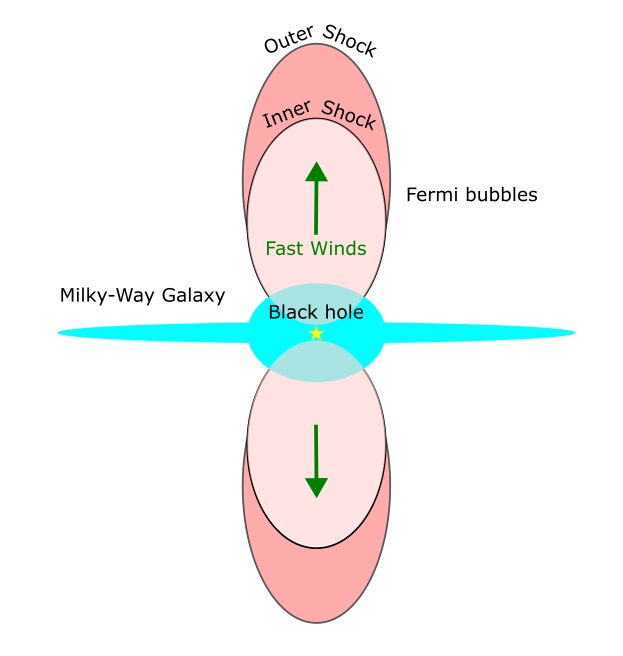
A scientist from Tokyo Metropolitan University has shown that large gamma-ray-emitting bubbles around the center of the Milky Way were produced by fast, outward-blowing winds and an associated "reverse shock." Numerical simulations successfully reproduced the temperature profile observed by an X-ray telescope. Such outflows have been observed in other galaxies; this finding suggests similar winds may have been blowing in our own galaxy until quite recently.

South Korea's lunar orbiter sends photos of Earth, Moon

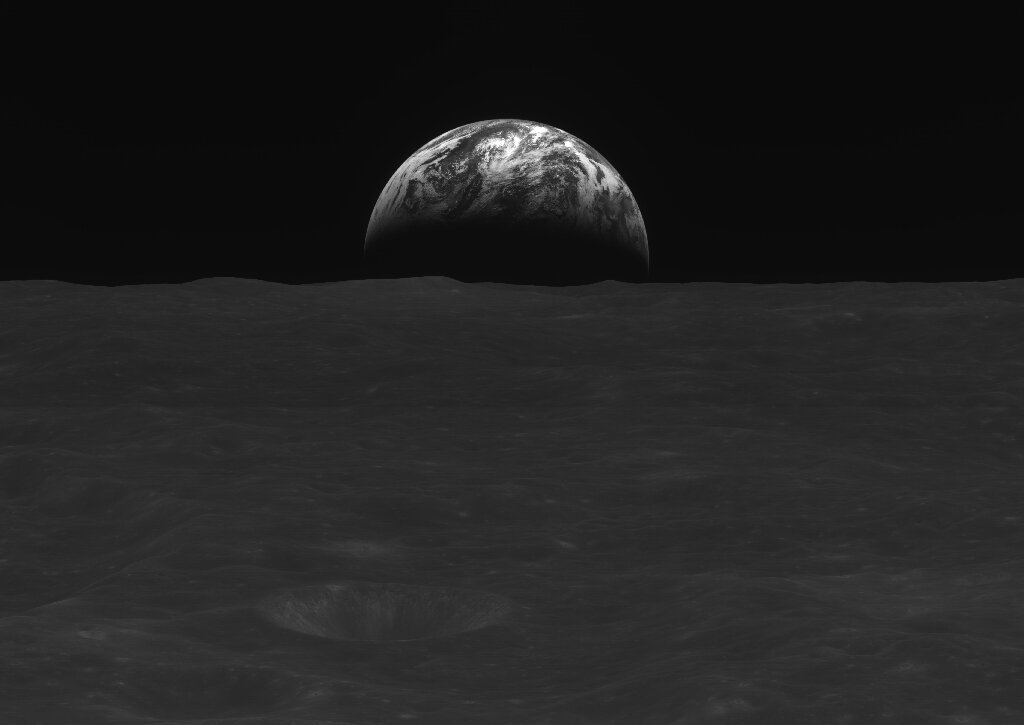
South Korea's first-ever lunar orbiter Danuri has sent black-and-white photos of the Moon's surface and Earth, the national space center said Tuesday.