This is default featured slide 1 title

Go to Blogger edit html and find these sentences.Now replace these sentences with your own descriptions.

This is default featured slide 2 title

Go to Blogger edit html and find these sentences.Now replace these sentences with your own descriptions.

This is default featured slide 3 title

Go to Blogger edit html and find these sentences.Now replace these sentences with your own descriptions.

This is default featured slide 4 title

Go to Blogger edit html and find these sentences.Now replace these sentences with your own descriptions.

This is default featured slide 5 title

Go to Blogger edit html and find these sentences.Now replace these sentences with your own descriptions.

Thursday, November 30, 2023

Zhurong rover detects mysterious polygons beneath the surface of Mars

China's Zhurong rover was equipped with a ground-penetrating radar system, allowing it to peer beneath Mars's surface. Researchers have announced new results from the scans of Zhurong's landing site in Utopia Planitia, saying they identified irregular polygonal wedges located at a depth of about 35 meters all along the robot's journey.

Astronomers inspect supernova remnants with MeerKAT

Using the MeerKAT radio telescope, astronomers from the National Radio Astronomy Observatory (NRAO) in Charlottesville, Virginia, and elsewhere have investigated a batch of 36 high latitude supernova remnants. Results of the observations campaign, published Nov. 20 on the pre-print server arXiv, deliver important insights into the properties of these remnants.

First launch of Europe's Ariane 6 rocket planned for June-July

The European Space Agency announced on Thursday that the long-delayed first launch of its next-generation Ariane 6 rocket will take place between June 15 and July 31 next year.

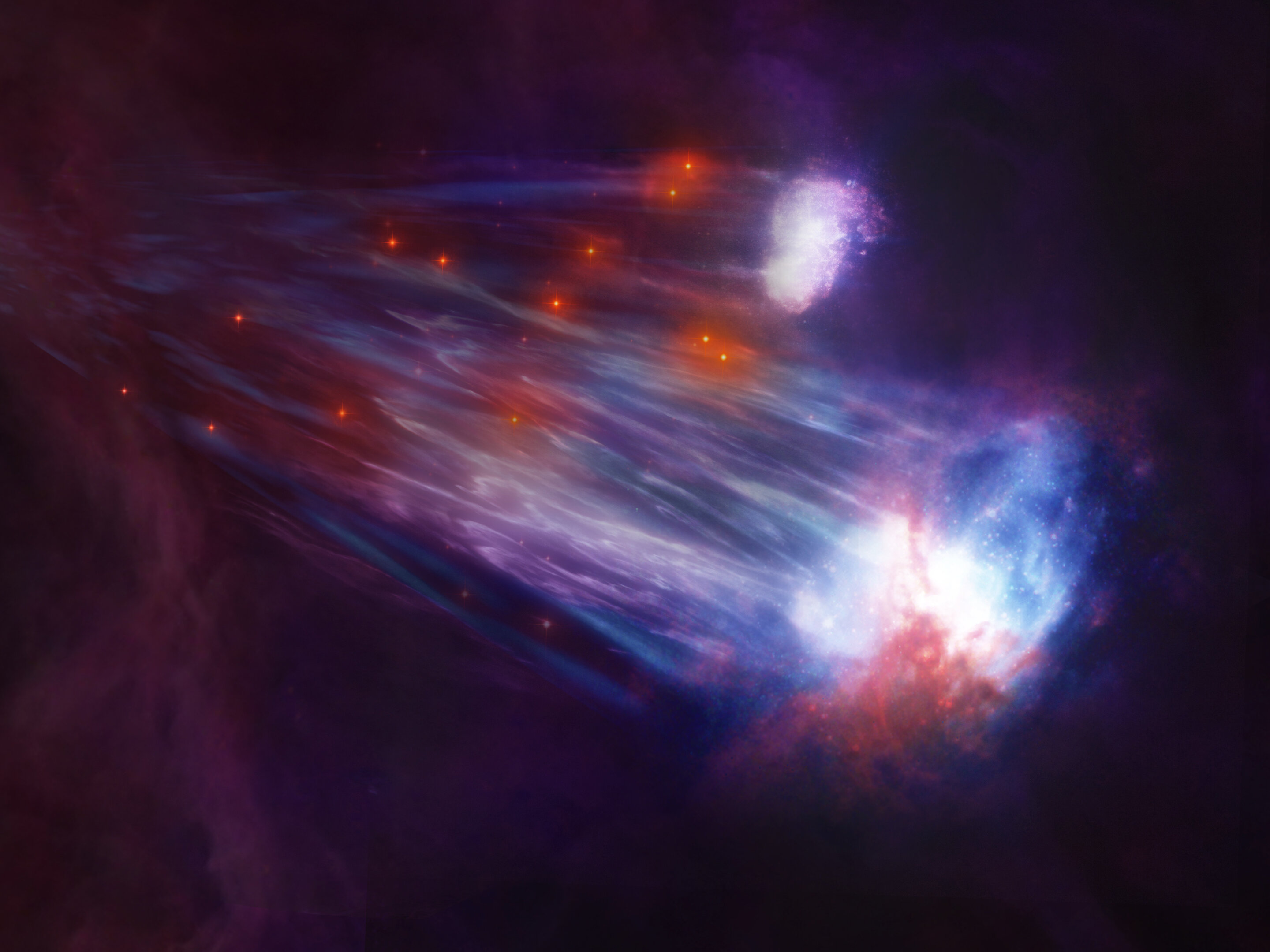
Distant stars spotted for the first time in the vast Magellanic Stream

For nearly fifty years, astronomers have come up empty-handed in their search for stars within the sprawling structure known as the Magellanic Stream. A colossal ribbon of gas, the Magellanic Stream spans nearly 300 moon diameters across the Southern Hemisphere's sky, trailing behind the Magellanic Cloud galaxies, two of our Milky Way galaxy's closest cosmic neighbors.

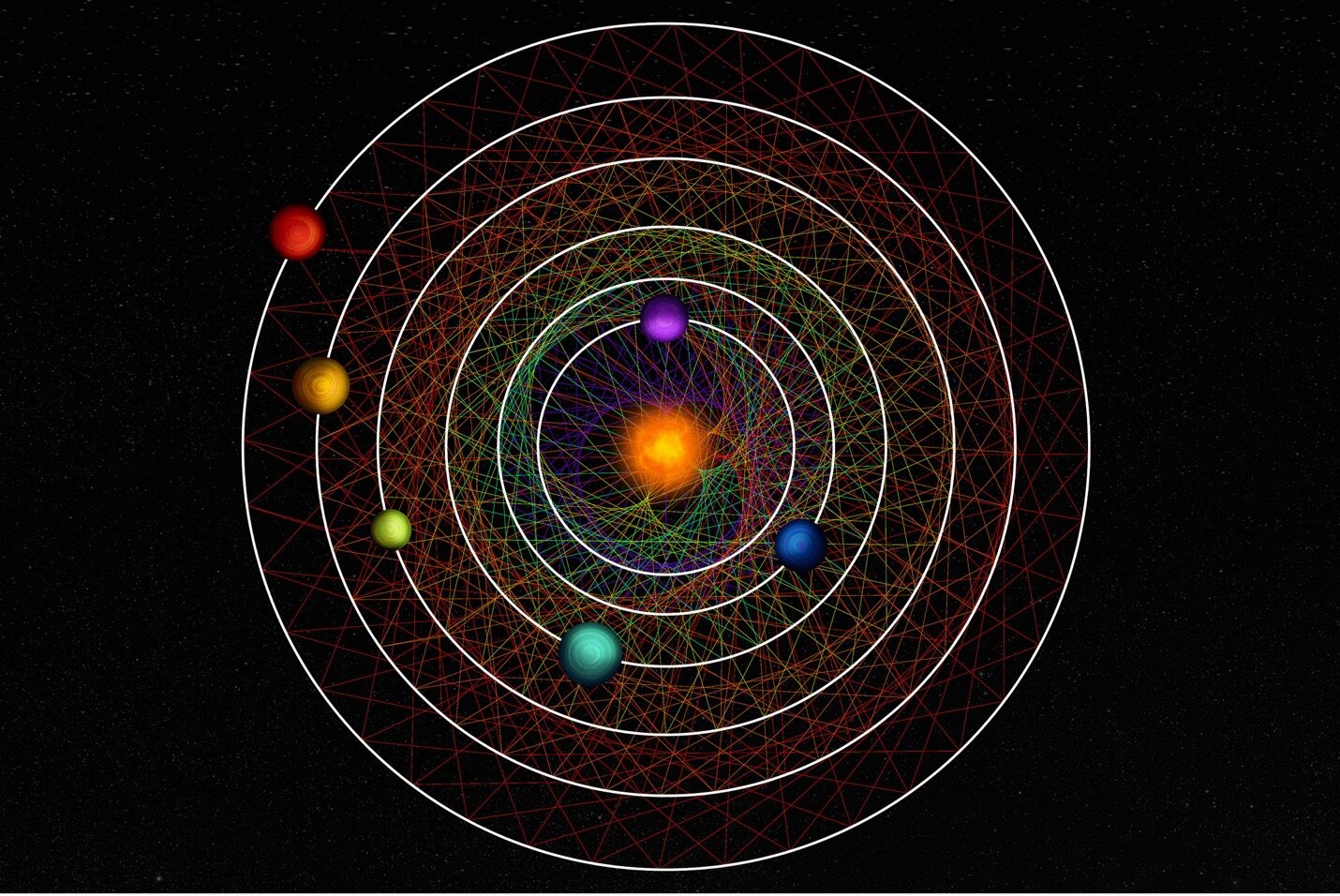
Scientists discover rare six-planet system that moves in strange synchrony

Scientists have discovered a rare sight in a nearby star system: Six planets orbiting their central star in a rhythmic beat. The planets move in an orbital waltz that repeats itself so precisely that it can be readily set to music.

Wednesday, November 29, 2023

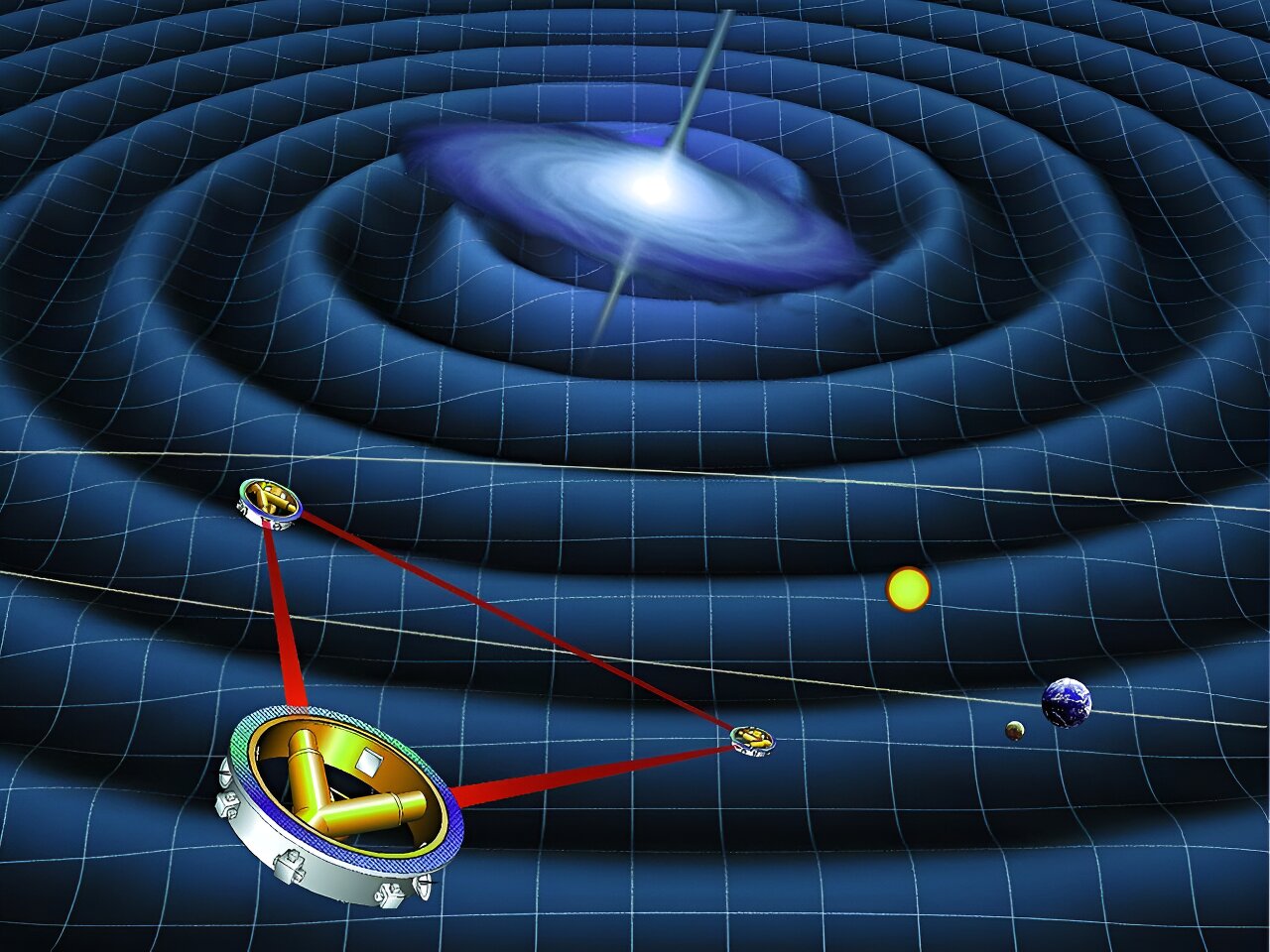
For its next trick, Gaia could help detect background gravitational waves in the universe

Ripples in a pond can be captivating on a nice sunny day as can ripples in the very fabric of space, although the latter are a little harder to observe. Using the highly tuned Gaia probe, a team of astronomers proposes in a paper posted to arXiv preprint server that it might just be possible to detect gravitational waves through the disturbance they impart on the movement of asteroids in our solar system.

Aerocapture is a 'free lunch' in space exploration

When spacecraft return to Earth, they don't need to shed all their velocity by firing retro-rockets. Instead, they use the atmosphere as a brake to slow down for a soft landing. Every planet in the solar system except Mercury has enough of an atmosphere to allow aerobraking maneuvers, and could allow high-speed exploration missions. A new paper looks at the different worlds and how a spacecraft must fly to take advantage of this "free lunch" to slow down at the destination.

Earth's magnetic field protects life on Earth from radiation, but it can move, and the magnetic poles can even flip

The Earth's magnetic field plays a big role in protecting people from hazardous radiation and geomagnetic activity that could affect satellite communication and the operation of power grids. And it moves.

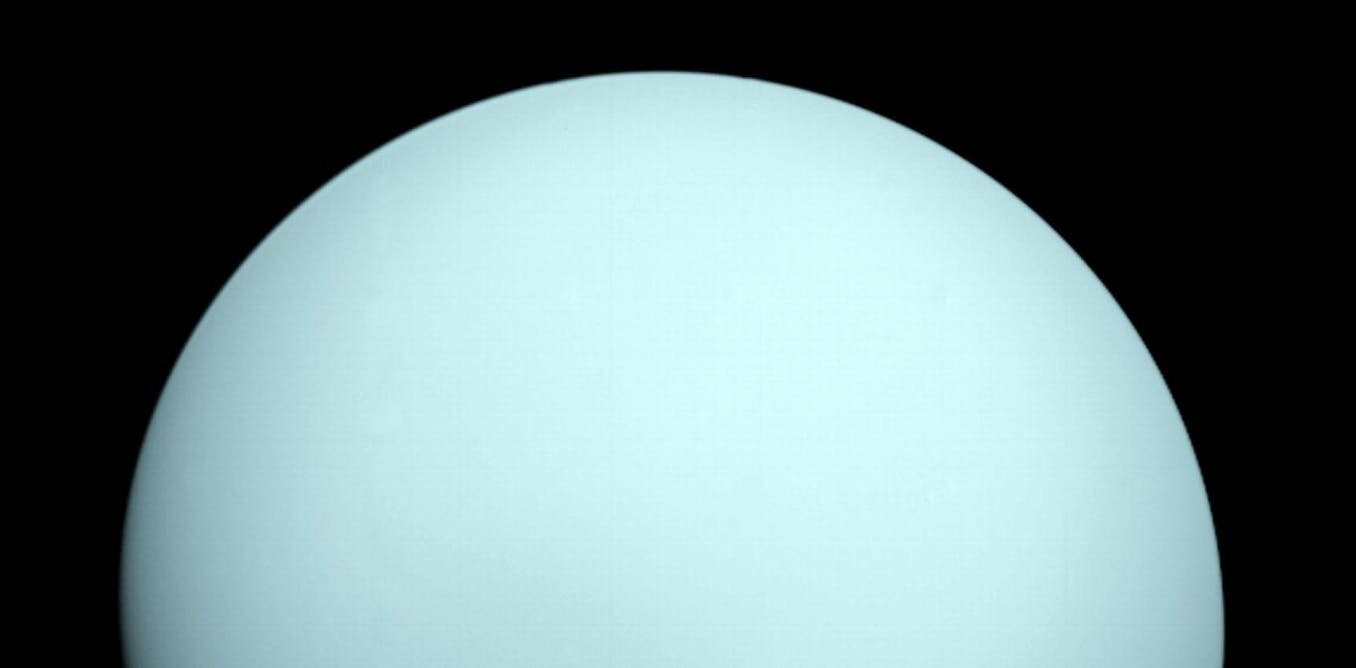
Unwrapping Uranus and its icy secrets: What NASA would learn from a mission to a wild world

Uranus, the seventh planet from the sun, orbits in the outer solar system, about two billion miles (3.2 billion kilometers) from Earth. It is an enormous world—quadruple the diameter of Earth, with 15 times the mass and 63 times the volume.

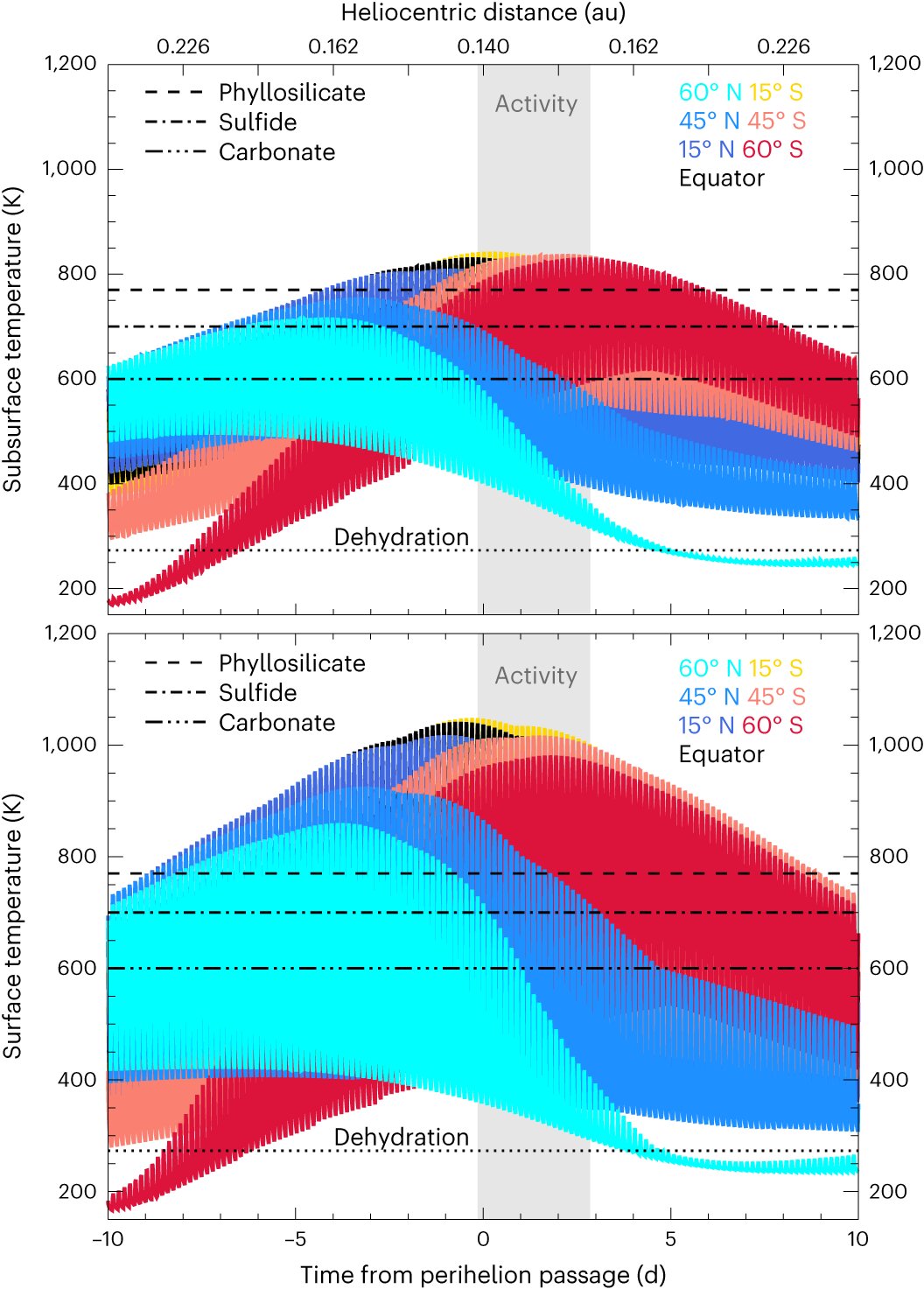
Research team describes the composition of asteroid Phaethon

Asteroid Phaethon, which is five kilometers in diameter, has been puzzling researchers for a long time. A comet-like tail is visible for a few days when the asteroid passes closest to the sun during its orbit.

Tuesday, November 28, 2023

Where are all the double planets?

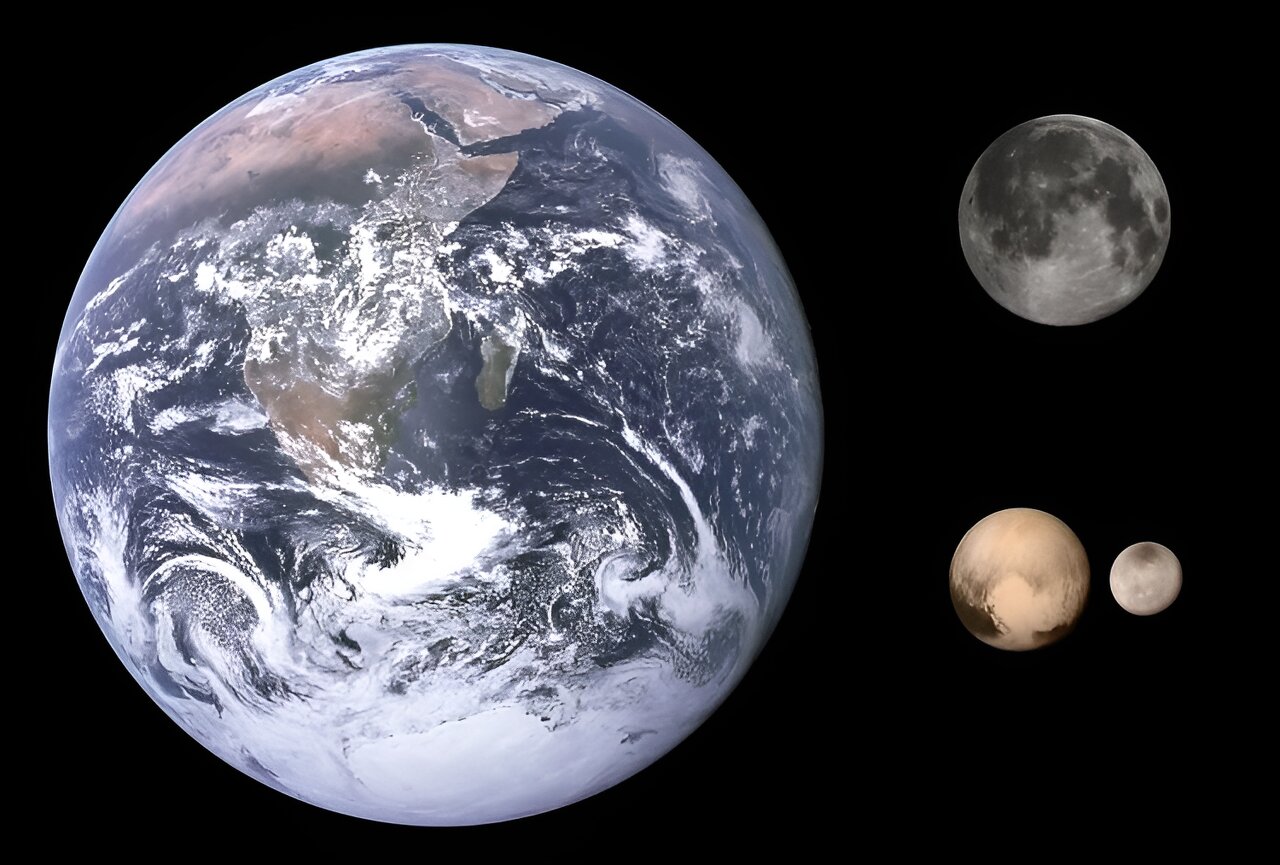
A recent study published in the Monthly Notices of the Royal Astronomical Society examines formation mechanisms for how binary planets—two large planetary bodies orbiting each other—can be produced from a type of tidal heating known as tidal dissipation, or the energy that is shared between two planetary bodies as the orbit close to each other, which the Earth and our moon experiences.

Dark matter could help solve the final parsec problem of black holes

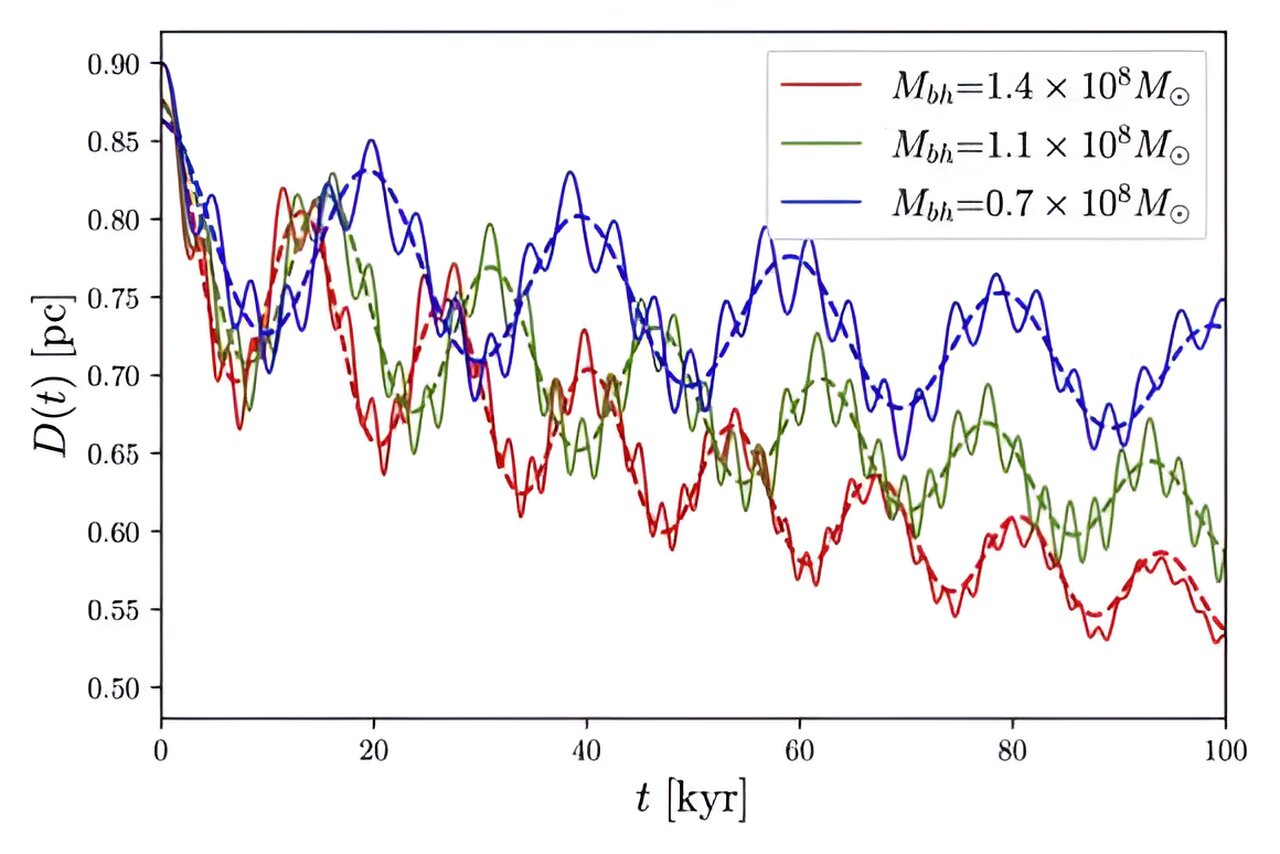
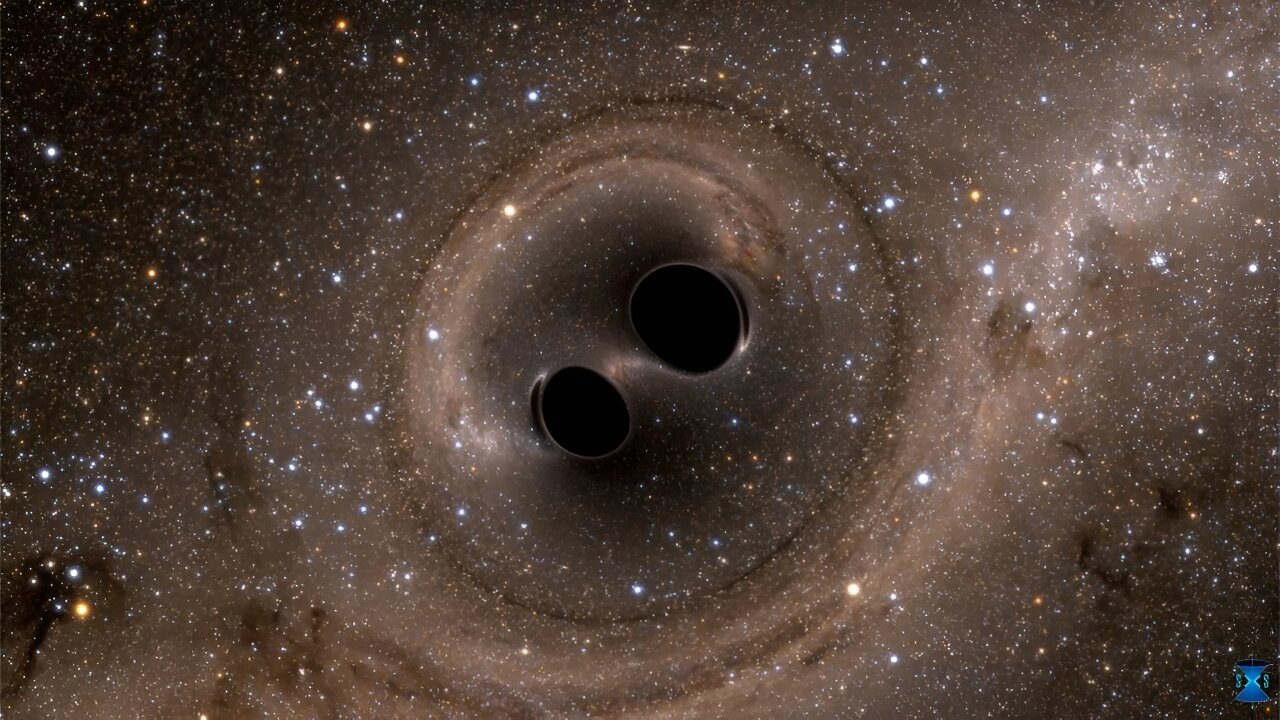
When galaxies collide, their supermassive black holes enter into a gravitational dance, gradually orbiting each other ever closer until eventually merging. We know they merge because we see the gravitational beasts that result, and we have detected the gravitational waves they emit as they inspiral. But the details of their final consummation remain a mystery. Now a new paper published on the pre-print server arXiv suggests part of that mystery can be solved with a bit of dark matter.

What would happen to Earth if a rogue star came too close?

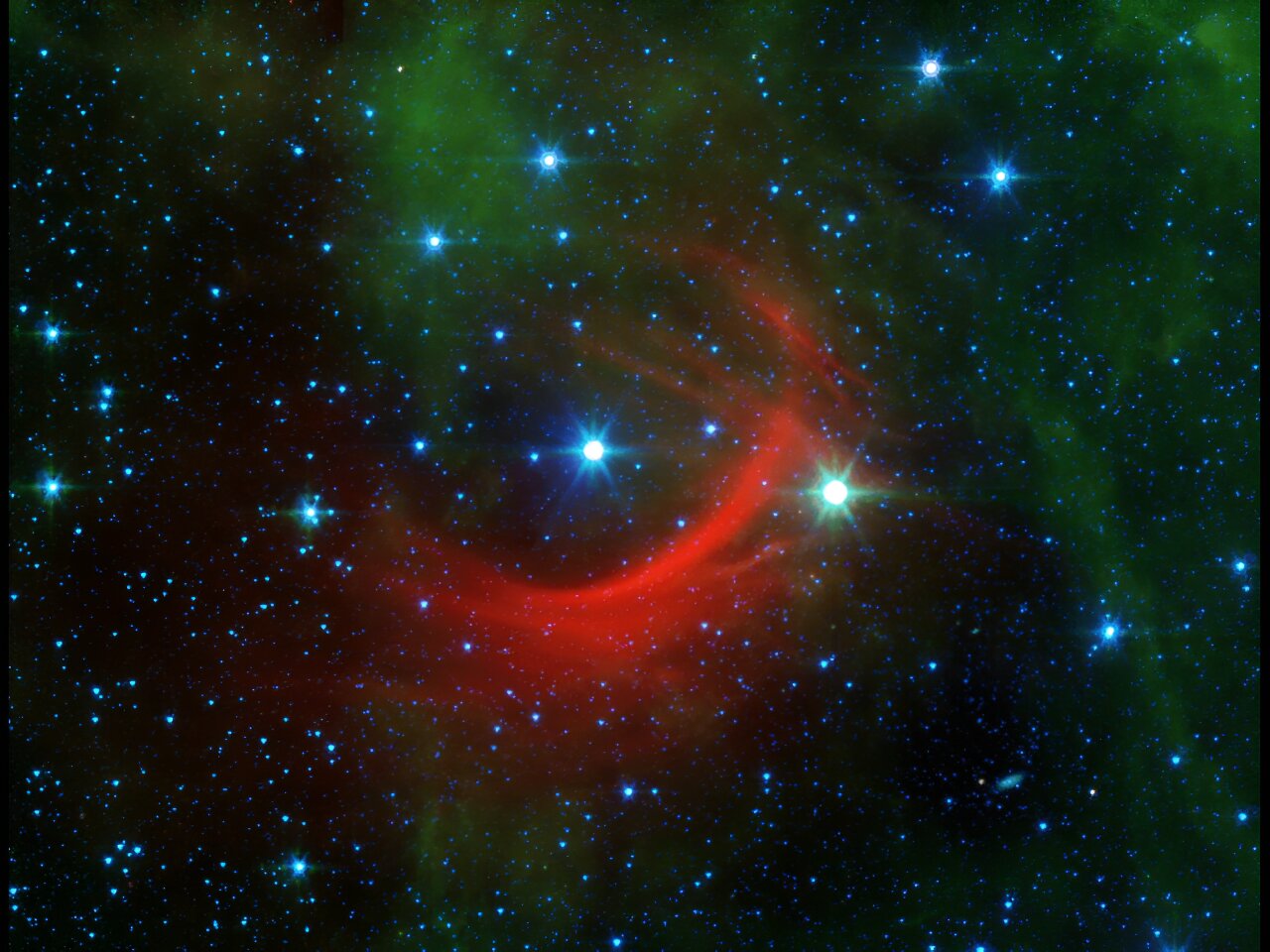
Stars are gravitationally fastened to their galaxies and move in concert with their surroundings. But sometimes, something breaks the bond. If a star gets too close to a supermassive black hole, for example, the black hole can expel it out into space as a rogue star.

Vera Rubin Observatory will find binary supermassive black holes: Here's how

When galaxies merge, we expect them to produce binary black holes (BBHs.) BBHs orbit one another closely, and when they merge, they produce gravitational waves that have been detected by LIGO-Virgo. The upcoming Vera Rubin Observatory should be able to find them before they merge, which would open a whole new window into the study of galaxy mergers, supermassive black holes, binary black holes, and gravitational waves.

Groundbreaking method to match celestial objects across telescopes

A team of Johns Hopkins researchers has developed a cutting-edge data science approach capable of matching observations of celestial objects taken across multiple telescope surveys, overcoming a significant challenge in modern astronomy.

Monday, November 27, 2023

How NASA keeps Ingenuity going after more than 50 flights

More information is always better when it comes to publicly funded space exploration projects. So it's welcome when a NASA engineer takes time out of the assuredly busy work lives to provide an update on everyone's favorite helicopter on Mars. Ingenuity has been having a rough few months, and a new article entitled "The Long Wait," posted by Travis Brown, Chief Engineer on the Ingenuity project, on NASA's website, provides a good amount of detail as to why.

Understanding a satellite's death spiral

Down on the ground, death equals stillness—but not in space. Abandoned satellites are prone to tumble in unpredictable ways, and an ESA project with the Astronomical Institute of the University of Bern sought to better understand this behavior.

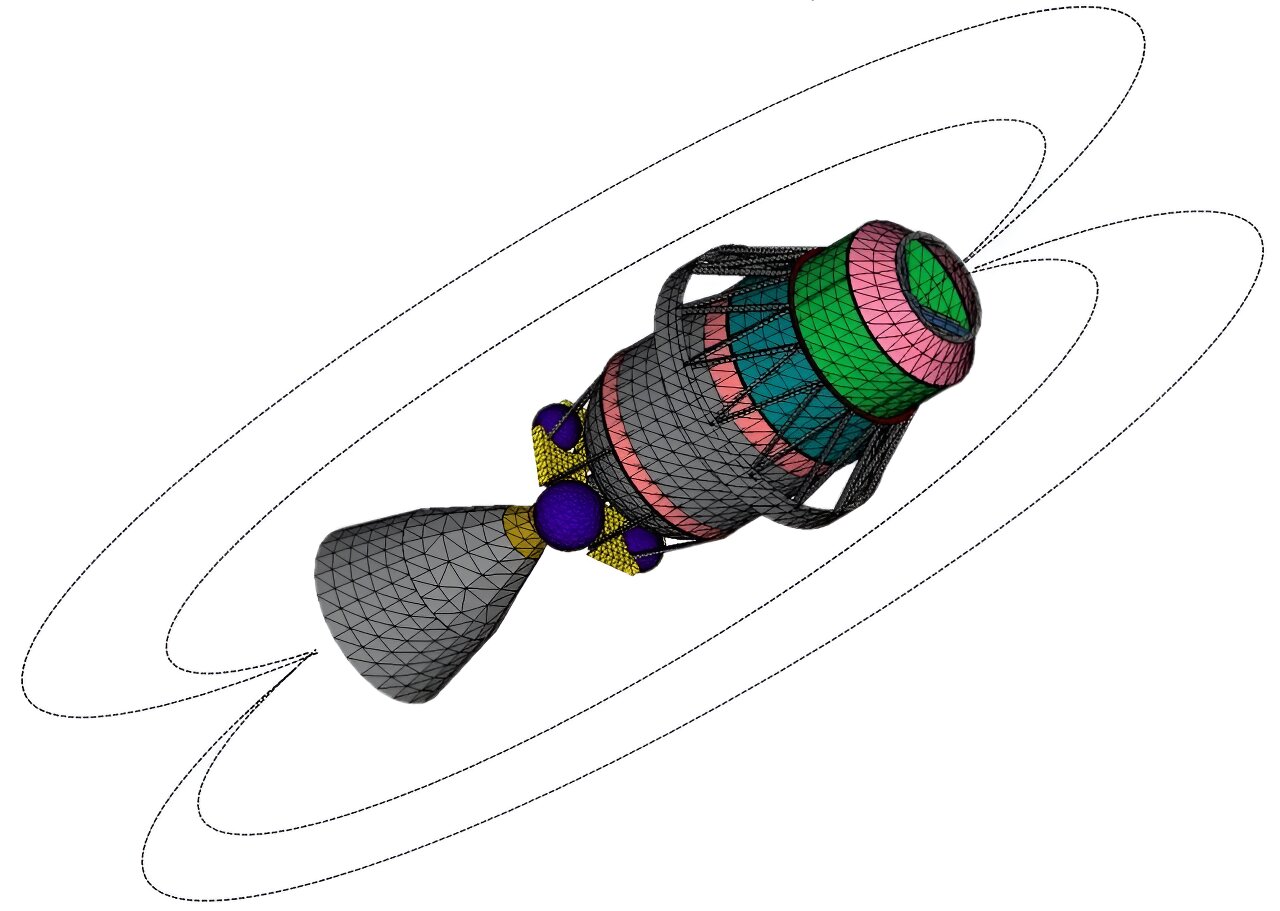
Paper explores ideal orbits for space-based interferometers

Ever since the telescope was invented in 1608, astronomers have striven for bigger and better telescopes. When it comes to instruments to observe the sky, bigger really is better whether you are observing faint galaxies or planets a larger collector gives higher resolution and brighter images. A paper by Takahiro Ito from the Institute of Space and Astronautical Science in Japan recently posted to the arXiv preprint server looks into different kinds of orbits around Earth which support multiple telescope systems known as interferometers at different orbits.

FIRST discovery of dozens of new giant radio galaxies

Astronomers from the University of Wisconsin-Madison and elsewhere report the discovery of 63 new giant radio galaxies as part of the Faint Images of the Radio Sky at Twenty cm survey (FIRST). The findings are detailed in a paper published Nov. 15 on the pre-print server arXiv.

New Indian telescope identifies its first supernova

A newly built International Liquid Mirror Telescope (ILMT) in India has identified its first supernova—designated SN 2023af. The finding, reported November 8 on the pre-print server arXiv, proves that ILMT may be capable of detecting hundreds of new supernovae in the coming years.

Monday, November 13, 2023

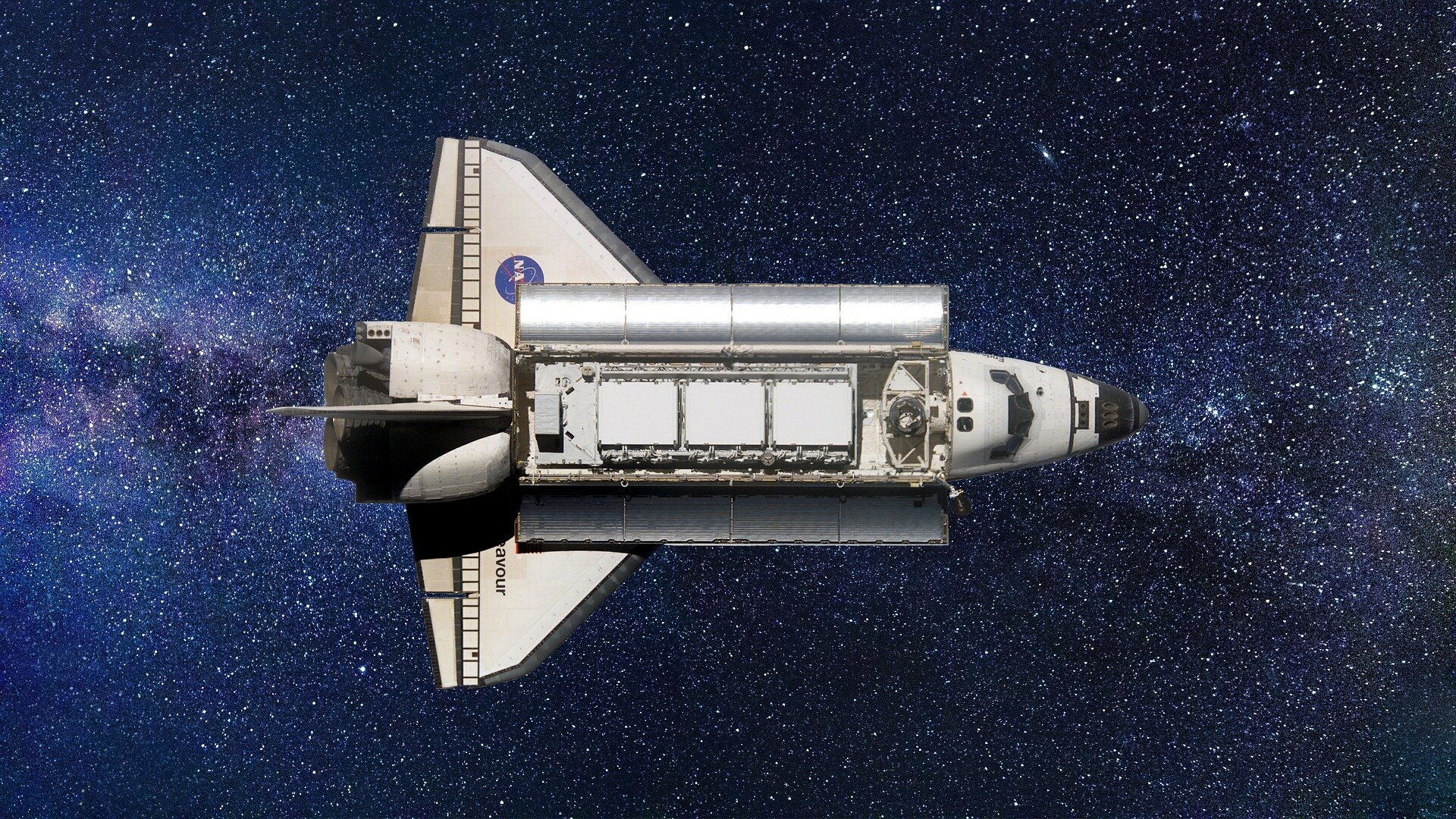
A successful liftoff: Space shuttle Endeavour's rockets are installed

In a delicate maneuver, crews successfully lifted into place giant rockets at the California Science Center, the first large components installed at the future home of the space shuttle Endeavour.

Study investigates two young open clusters

By analyzing the data from the TÜBİTAK National Observatory and ESA's Gaia satellite, astronomers have investigated King 6 and NGC 1605—two young Galactic open clusters. Results of the study, published October 31 on the pre-print server arXiv, deliver important insights into the properties and nature of these clusters.

Sunday, November 12, 2023

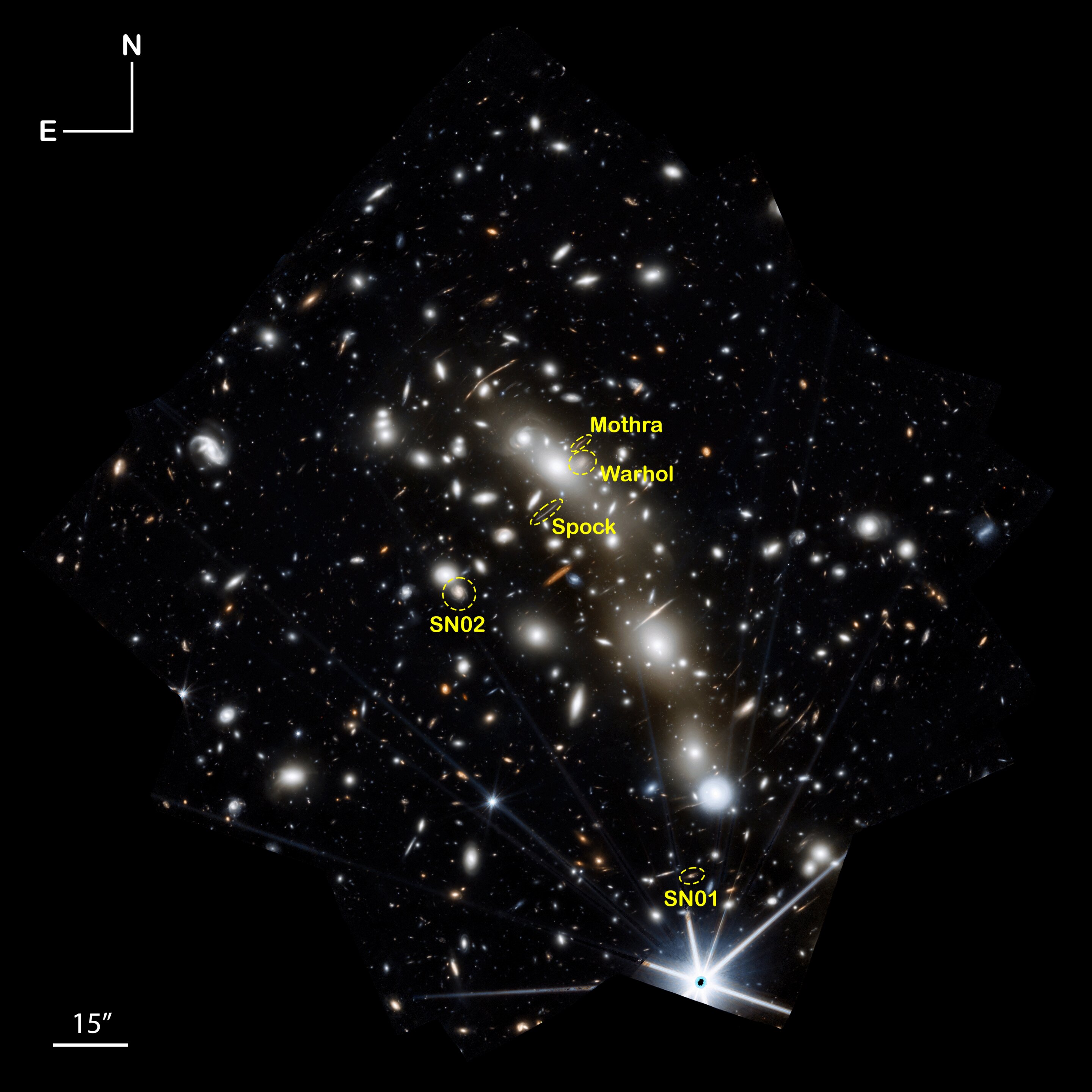
Scientists find 14 new transient objects in space by peering through the 'Christmas Tree Galaxy Cluster'

An international team of scientists, led by University of Missouri's Haojing Yan, used NASA's James Webb Space Telescope (JWST) to discover 14 new transient objects during their time-lapse study of galaxy cluster MACS0416—located about 4.3 billion light years from Earth—which they've dubbed "The Christmas Tree Galaxy Cluster."

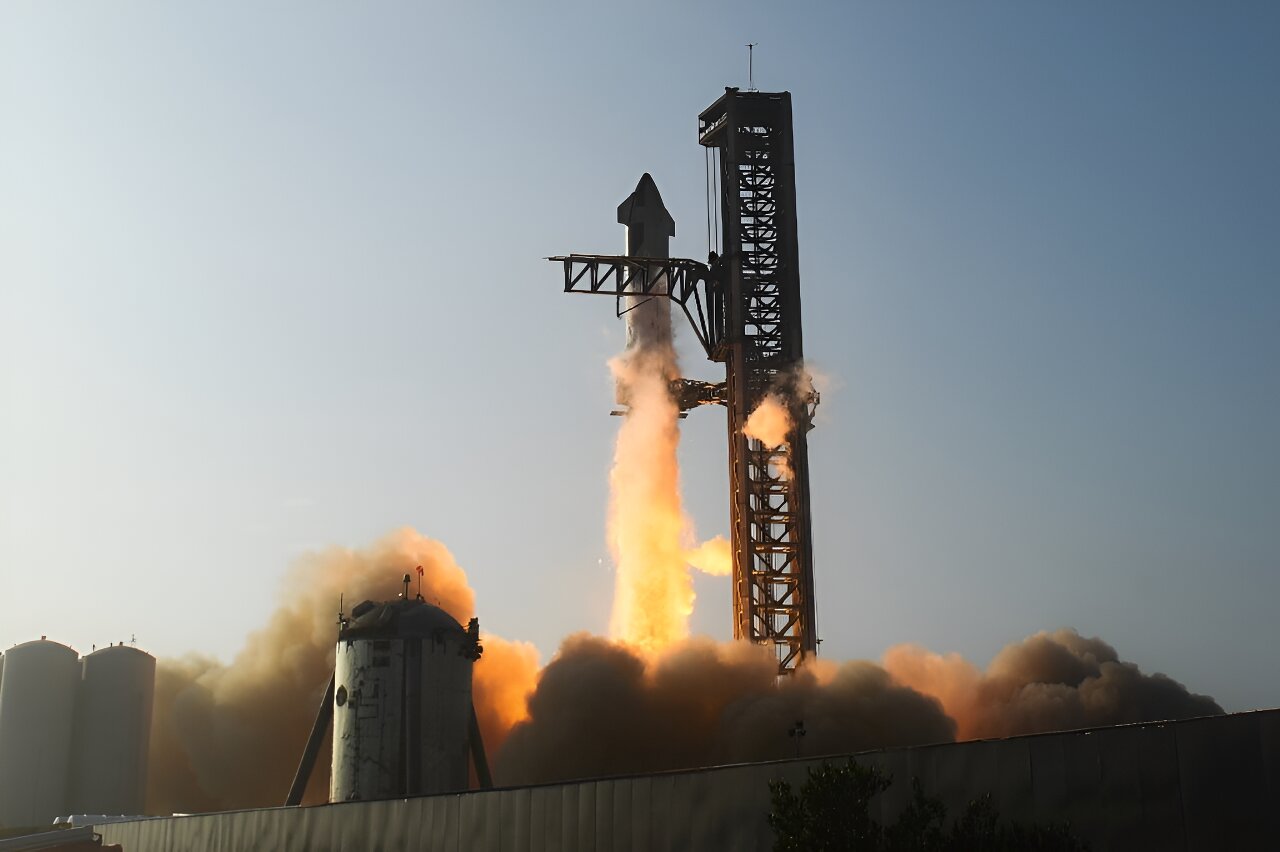
SpaceX hopes for second Starship flight test next week

SpaceX is hoping to re-launch Starship, the most powerful rocket ever built, next week, the company said, after an attempt in April ended in a spectacular explosion.

Saturday, November 11, 2023

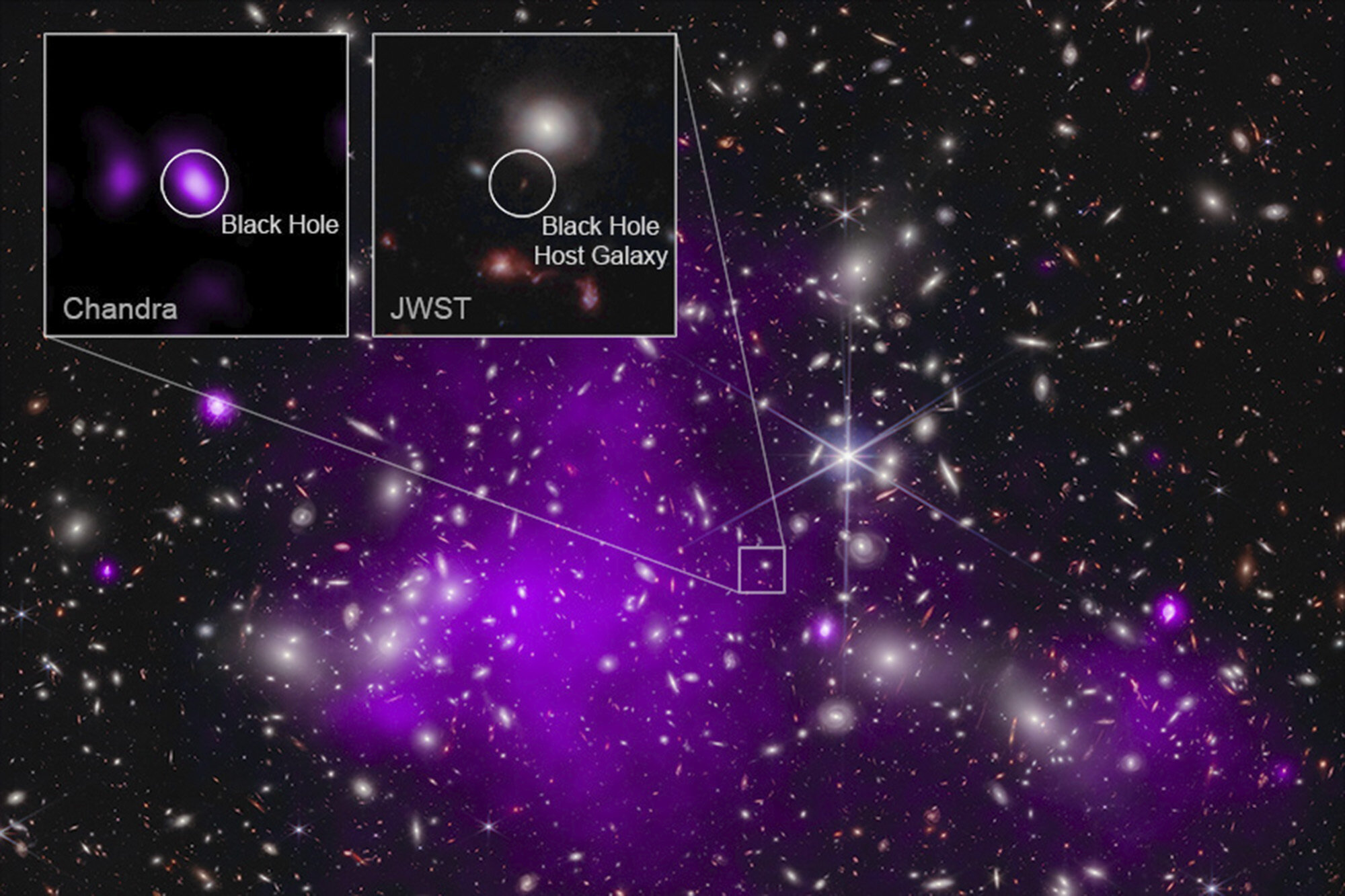
Oldest black hole discovered dating back to 470 million years after the Big Bang

Scientists have discovered the oldest black hole yet, a cosmic beast formed a mere 470 million years after the Big Bang.

First release of images demonstrates Euclid space telescope's potential

Two things are needed to understand how the universe came into being and how it has evolved to its present form. Cosmological computer models employ the laws of physics to depict the universe's expected appearance today, while observations made with telescopes check whether these models are correct.

Recording the first daily measurements of Earth's rotation shifts

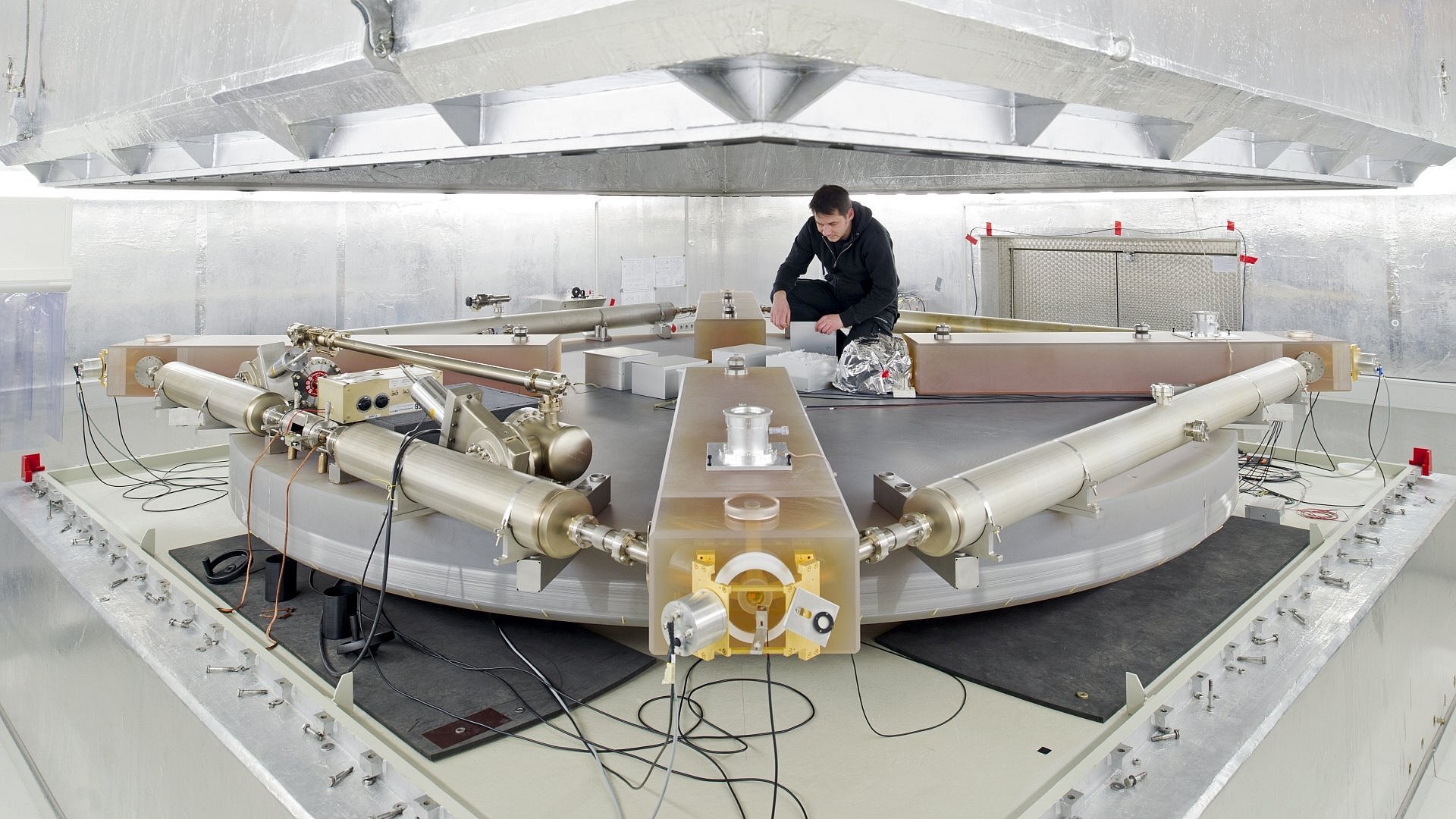
Researchers at the Technical University of Munich (TUM) have succeeded in measuring the Earth's rotation more exactly than ever before. The ring laser at the Geodetic Observatory Wettzell can now be used to capture data at a quality level unsurpassed anywhere in the world. The measurements will be used to determine the Earth's position in space, benefit climate research, and make climate models more reliable.

Friday, November 10, 2023

Astronomers find dozens of massive stars fleeing the Milky Way

The Milky Way can't hold onto all of its stars. Some of them get ejected into intergalactic space and spend their lives on an uncertain journey. A team of astronomers took a closer look at the most massive of these runaway stars to see what they could find out how they get ejected.

Will Saturn's rings really 'disappear' by 2025? An astronomer explains

If you can get your hands on a telescope, there are few sights more spectacular than the magnificent ringed planet—Saturn.

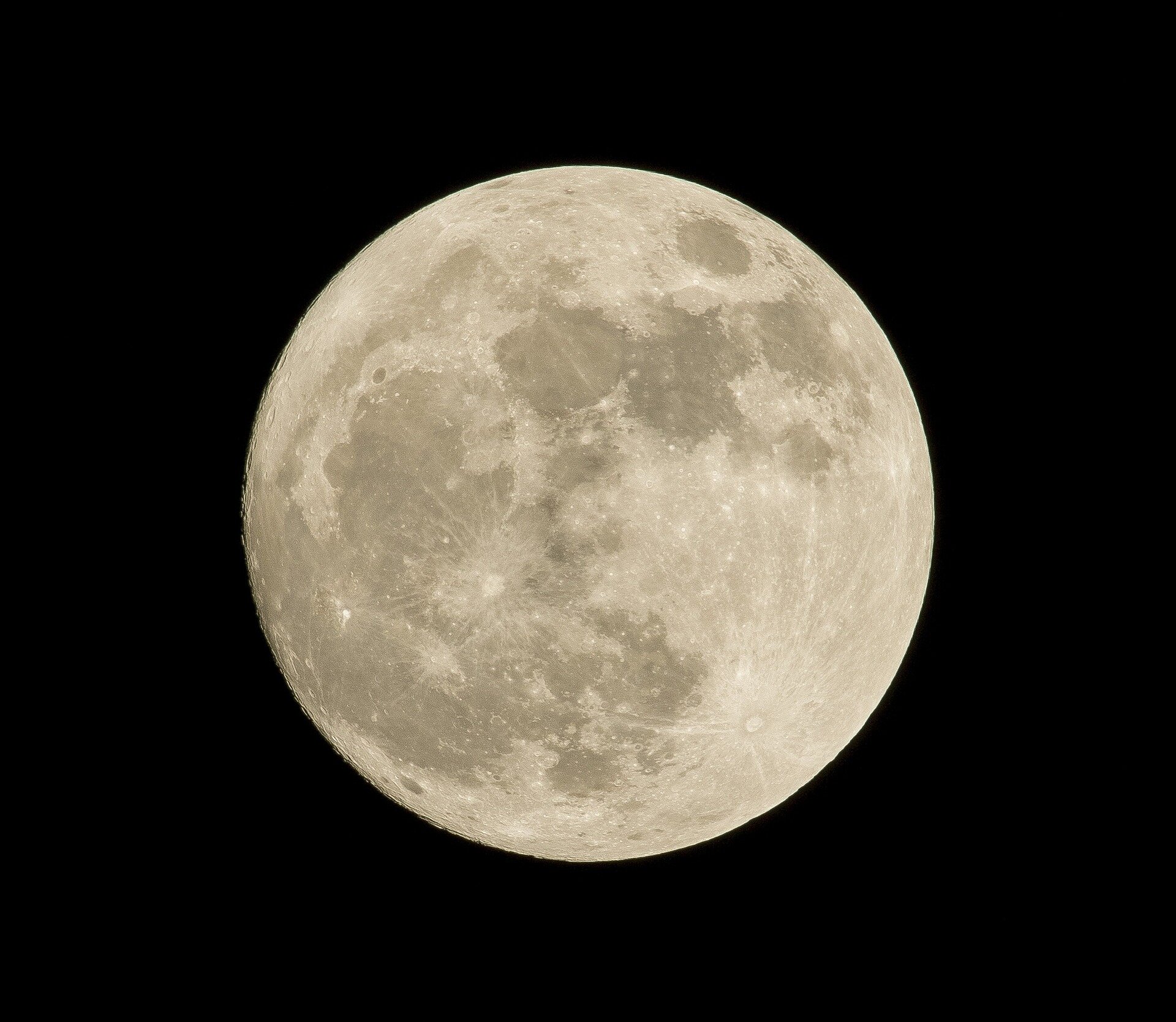
Earth has many objects in orbit but definitely only one moon, despite what some people think

Big Brother has always chosen its contestants for entertainment value rather than for intellectual debate. This was recently highlighted in a discussion started on the program by dental therapist Chantelle, who suggested there must be more than one moon in the sky because it changes size and can be seen around the world.

Astronaut Frank Borman, commander of the first Apollo mission to the moon, has died at age 95

Astronaut Frank Borman, who commanded Apollo 8's historic Christmas 1968 flight that circled the moon 10 times and paved the way for the lunar landing the next year, has died. He was 95.

Thursday, November 9, 2023

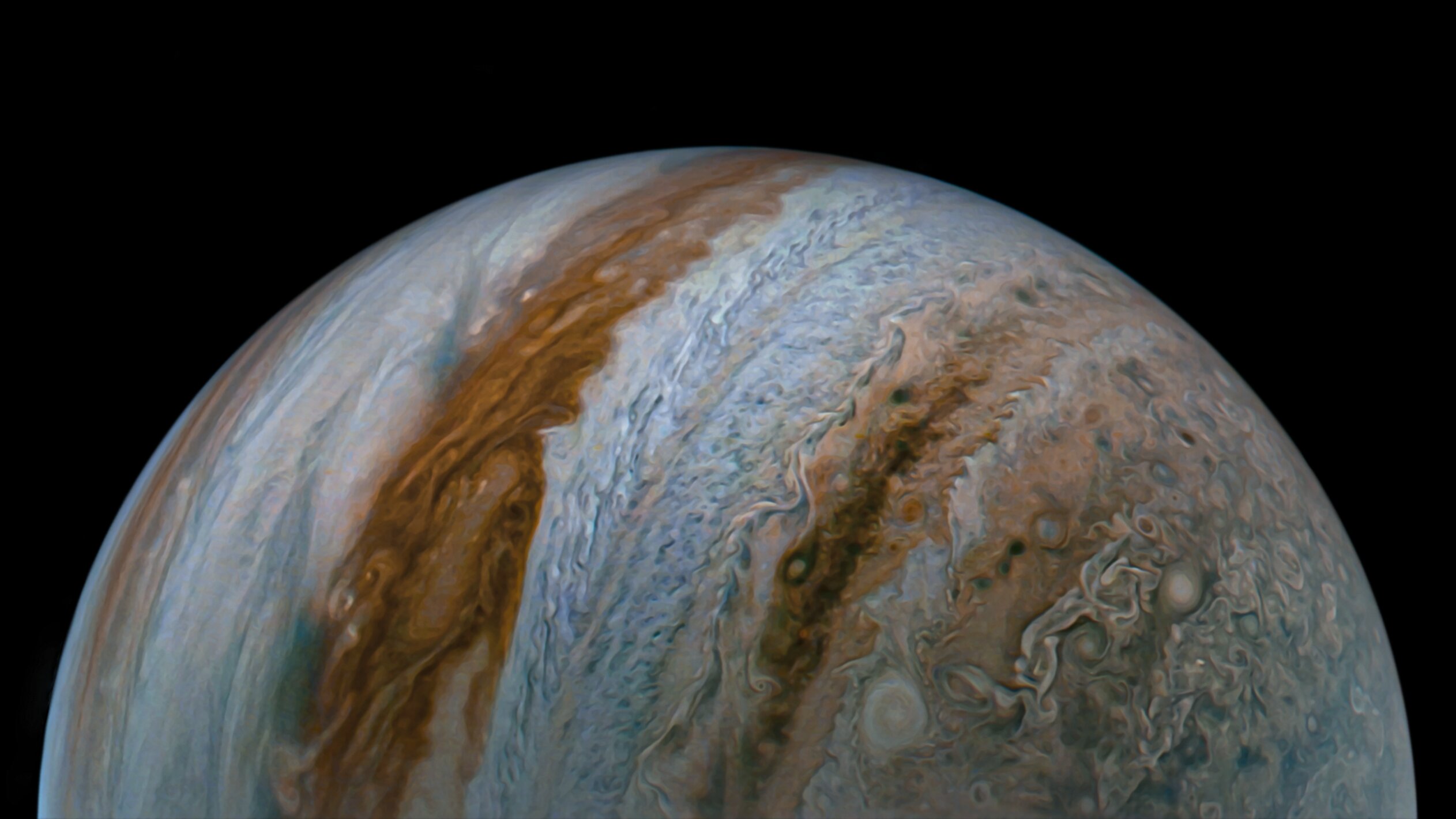
Juno mission finds Jupiter's winds penetrate in cylindrical layers

Gravity data collected by NASA's Juno mission indicates Jupiter's atmospheric winds penetrate the planet in a cylindrical manner, parallel to its spin axis. A paper on the findings was recently published in the journal Nature Astronomy.

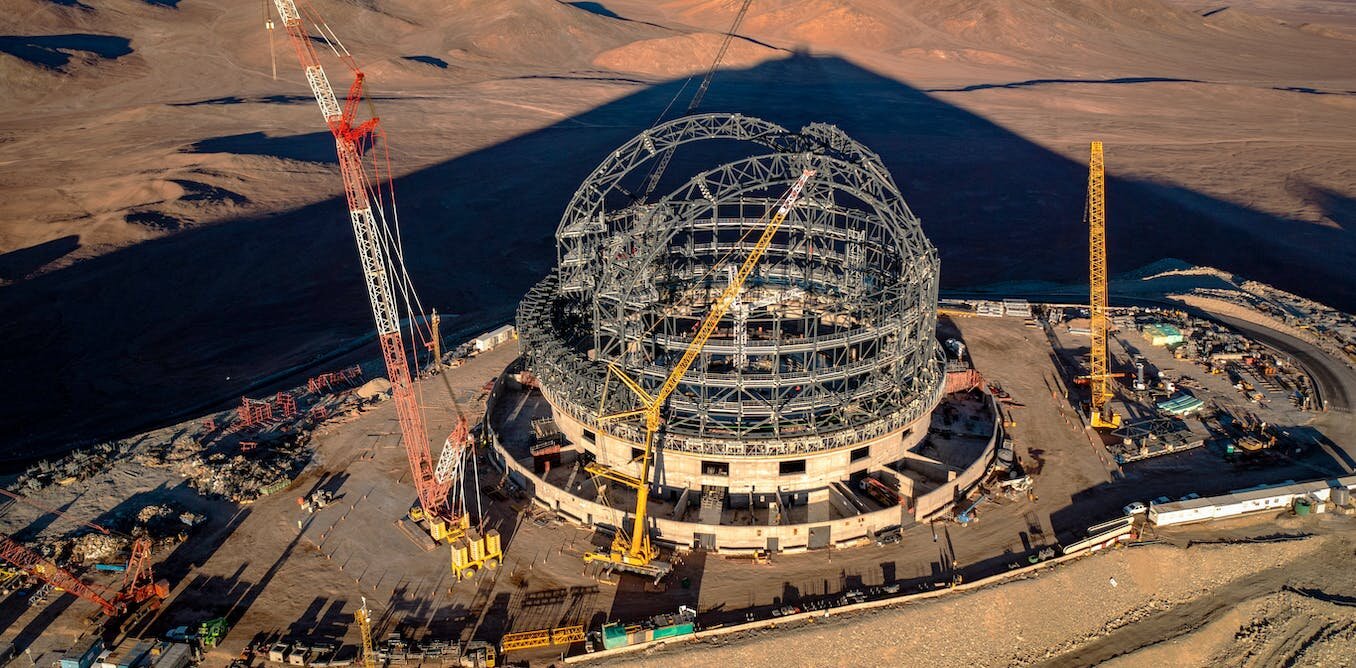
How we're building the world's biggest optical telescope to crack some of the greatest puzzles in science

Astronomers get to ask some of the most fundamental questions there are, ranging from whether we're alone in the cosmos to what the nature of the mysterious dark energy and dark matter making up most of the universe is.

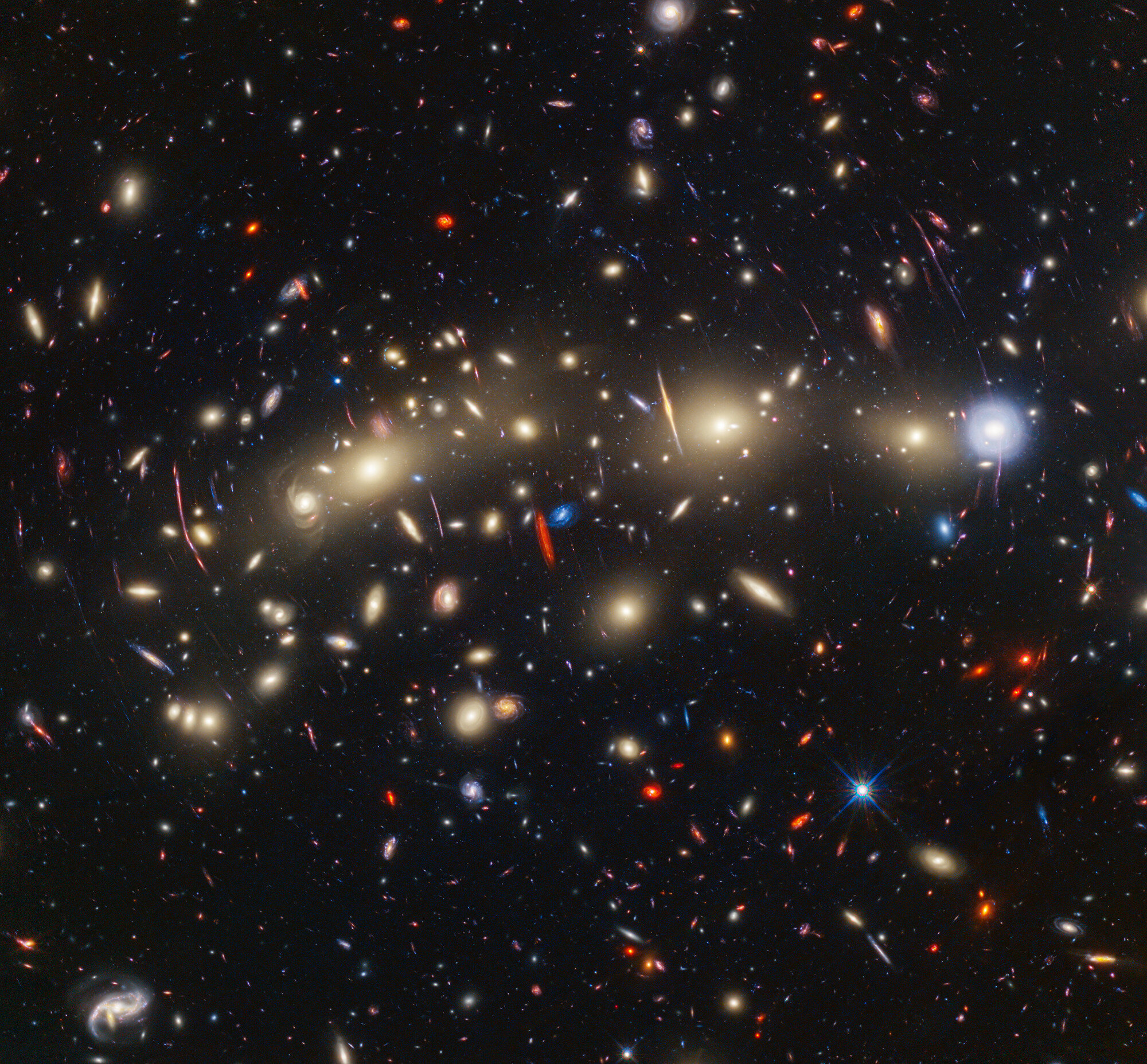
Webb and Hubble combine to create most colorful view of universe

NASA's James Webb Space Telescope and Hubble Space Telescope have united to study an expansive galaxy cluster known as MACS0416. The resulting panchromatic image combines visible and infrared light to assemble one of the most comprehensive views of the universe ever taken. Located about 4.3 billion light-years from Earth, MACS0416 is a pair of colliding galaxy clusters that will eventually combine to form an even bigger cluster.

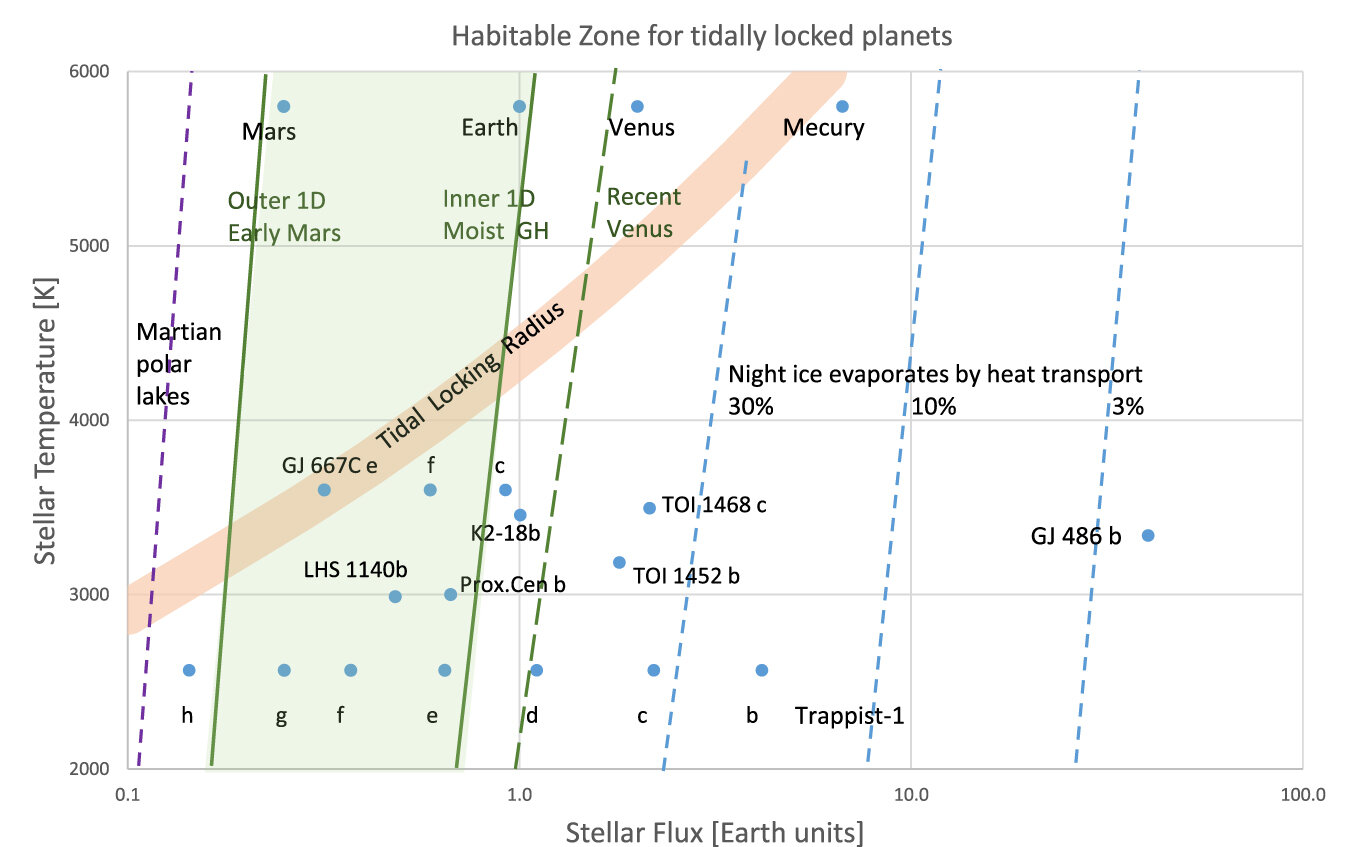
Subglacial water could extend the classical habitable zone of exoplanets, says study

Professor Amri Wandel, from Hebrew University of Jerusalem, has unveiled research that promises to redefine our comprehension of habitable exoplanets. In a recent study published in The Astronomical Journal, Professor Wandel introduces the concept of subglacial liquid water as a pivotal element in broadening the boundaries of the conventional habitable zone.

TESS detects new cataclysmic variable system of a rare type

An international team of astronomers reports the discovery of a new variable system using NASA's Transiting Exoplanet Survey Satellite (TESS). The newfound object, designated TIC 378898110, is an AM Canum Venaticorum binary star—a rare type of a cataclysmic variable. The finding was presented in a paper published November 2 on the pre-print server arXiv.

Wednesday, November 8, 2023

Dwarf galaxies stripped of stars prove to be the missing link in the formation of rare ultra-compact dwarf galaxies

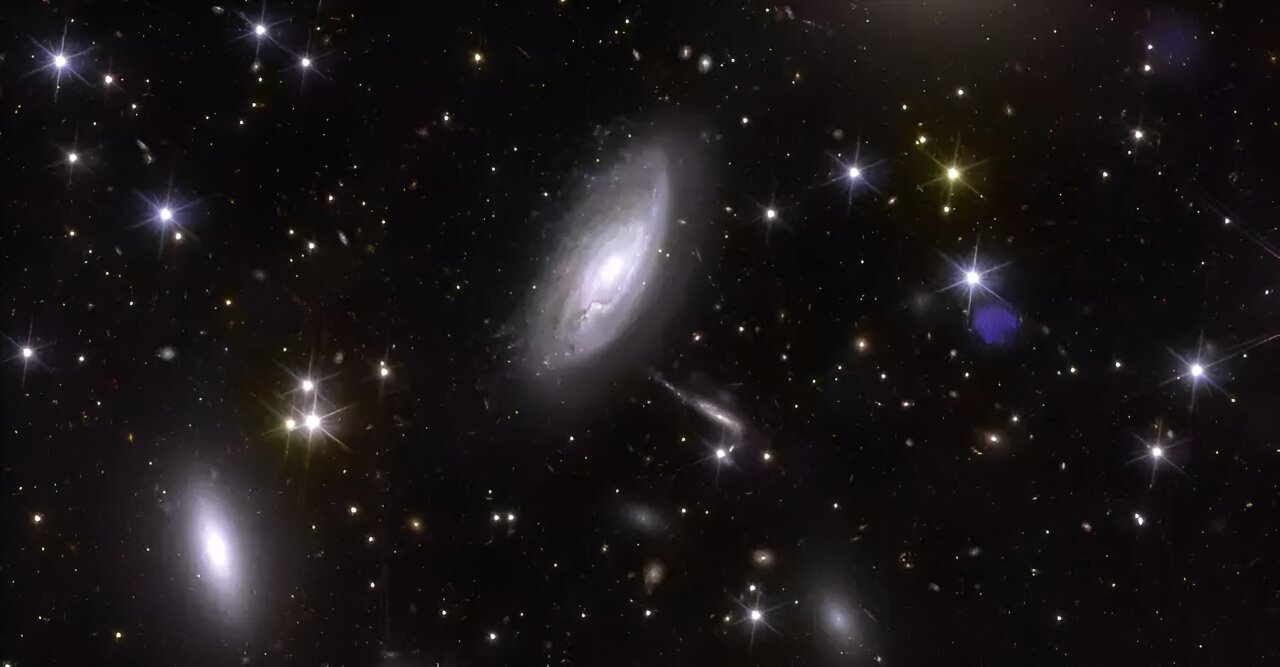
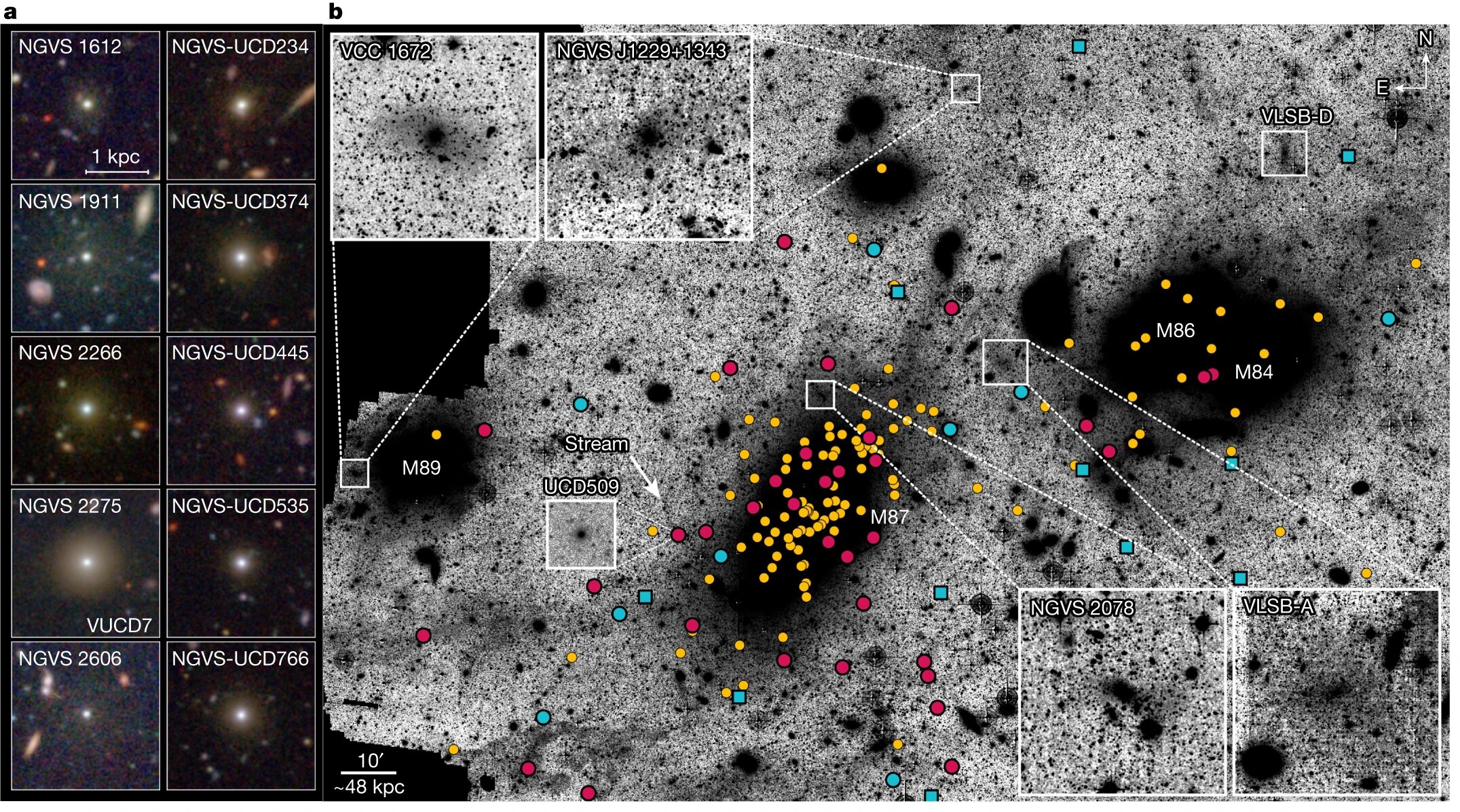
Astronomers using the Gemini North telescope, one-half of the International Gemini Observatory operated by NSF's NOIRLab, have captured the eroding remains of more than 100 dwarf galaxies as they transition into ultra-compact dwarf galaxies, objects with masses much greater than star clusters yet much smaller than dwarf galaxies. These findings confirm that many ultra-compact dwarf galaxies are likely the fossil remains of normal dwarf galaxies that have been stripped of their outer layers.

Webb findings support long-proposed process of planet formation

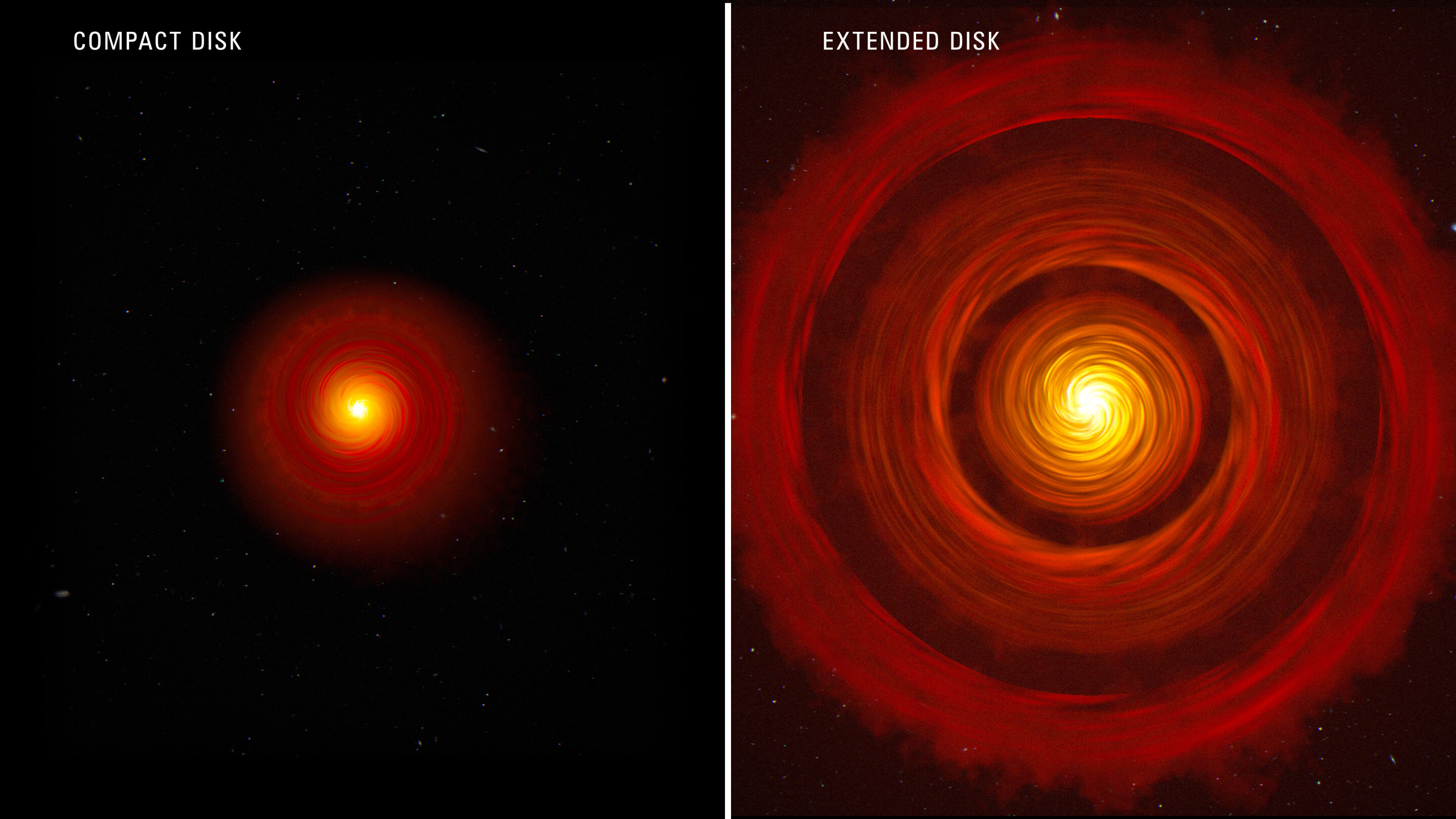
Scientists using James Webb Space Telescope just made a breakthrough discovery in revealing how planets are made. By observing water vapor in protoplanetary disks, Webb confirmed a physical process involving the drifting of ice-coated solids from the outer regions of the disk into the rocky-planet zone.

Five new pulsars discovered with FAST

Using the Five-hundred Aperture Spherical Telescope (FAST), astronomers from China and Australia have discovered five new pulsars, two of which turned out to have ultra-short spin periods. The finding was reported in a research paper published November 1 on the preprint server arXiv.

Presence of atomic oxygen confirmed on both day and night sides of Venus

A multi-institutional team of astrophysicists from Germany has made the first direct observation of oxygen atoms in the day side atmosphere of Venus. In their project, reported in the journal Nature Communications, the group studied data from the Stratospheric Observatory for Infrared Astronomy, (SOFIA), the airplane-based reflecting telescope, to learn more about elements and molecules in Venus's atmosphere.

A supermassive black hole's strong magnetic fields are revealed in a new light

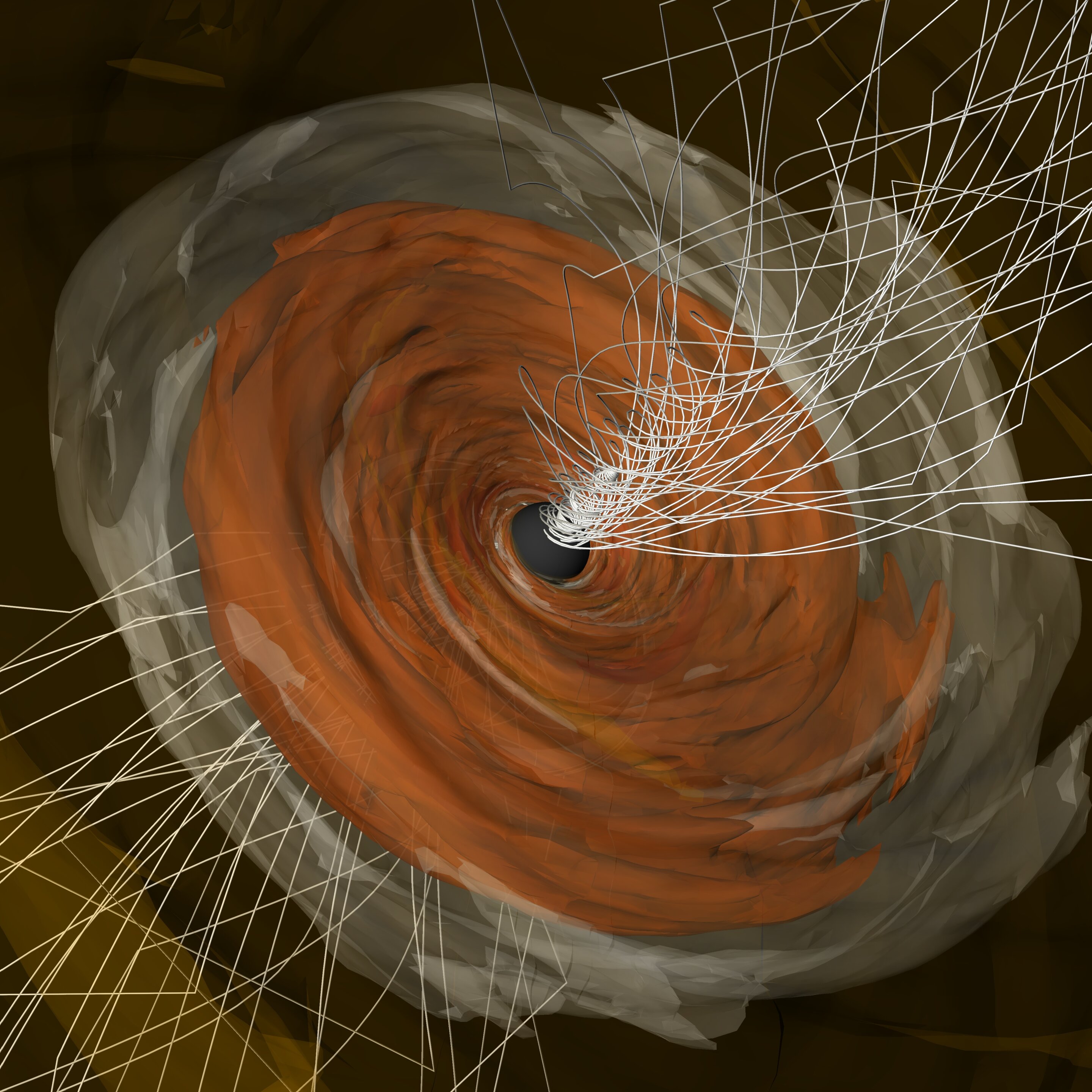
The Event Horizon Telescope (EHT) collaboration has published new results that describe for the first time how light from the edge of the supermassive black hole M87* spirals as it escapes the black hole's intense gravity, a signature known as circular polarization. The way light's electric field prefers to rotate clockwise or counterclockwise as it travels carries information about the magnetic field and types of high-energy particles around the black hole.

Tuesday, November 7, 2023

Detecting gravitational waves with an interferometric seismometer array on the lunar near side

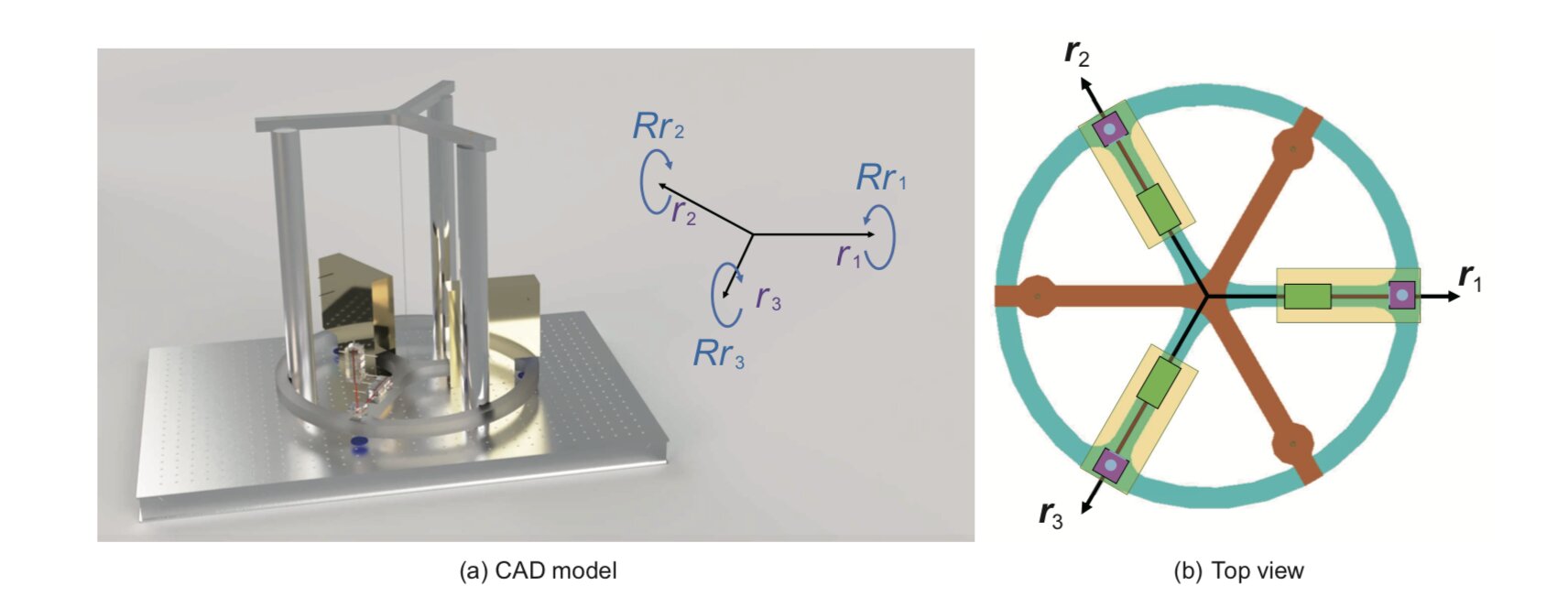
A team lead by Department of Astronomy, Beijing Normal University, recently proposed a promising plan to detect gravitational waves (GWs) by putting seismometers on the moon's surface. Their research is published in the journal Science China Physics, Mechanics & Astronomy.

Glimpses of the 'galactic zoo': The five new Euclid images

The first images from Europe's Euclid space telescope released Tuesday range from a well-known nebula to never-before-seen galaxies 10 billion light years away, illustrating its wide-lens view of the universe.

Studies of geologic faulting on icy moons aid exploration of extraterrestrial watery worlds

On the surface of many of the icy moons in our solar system, scientists have documented strike-slip faults, those that occur when fault walls move past one another sideways, as is the case at the San Andreas fault in California. Two recently published studies led by University of Hawai'i at Mānoa Earth and space scientists document and reveal the mechanisms behind these geologic features on the largest moon of Saturn, Titan, and Jupiter's largest moon, Ganymede.

Globular cluster NGC 6284 inspected by astronomers

Italian astronomers have used the Hubble Space Telescope (HST) to perform high-resolution optical observations of a poorly studied globular cluster known as NGC 6284. Results of the observational campaign, published October 26 on the pre-print server arXiv, shed more light on the properties and nature of this cluster.

As first Vulcan flight nears, new space plane Dream Chaser preps for launch No. 2

The Sierra Space Dream Chaser looks like a mini space shuttle, and it's gearing up for its first trip to space atop United Launch Alliance's new Vulcan Centaur rocket in 2024.

Monday, November 6, 2023

Europe to hold competition to build space cargo ship

The European Space Agency announced Monday it would hold a competition between firms to build a ship to deliver cargo to the International Space Station, in a potential first step towards independent missions carrying astronauts.

Midlife crisis of the universe: Research finds galaxies' interactions did not affect interstellar dust

Dust is the most vital organ in galaxies. It absorbs and scatters stellar light, a phenomenon that is referred to as dust attenuation. On the other hand, dust emits this absorbed radiation thermally in the infrared. Normally, dust emits a similar amount of energy as it was absorbed from stars. This relation between dust absorption and emission, is called the energy balance.

TESS discovers Saturn-like planet orbiting an M-dwarf star

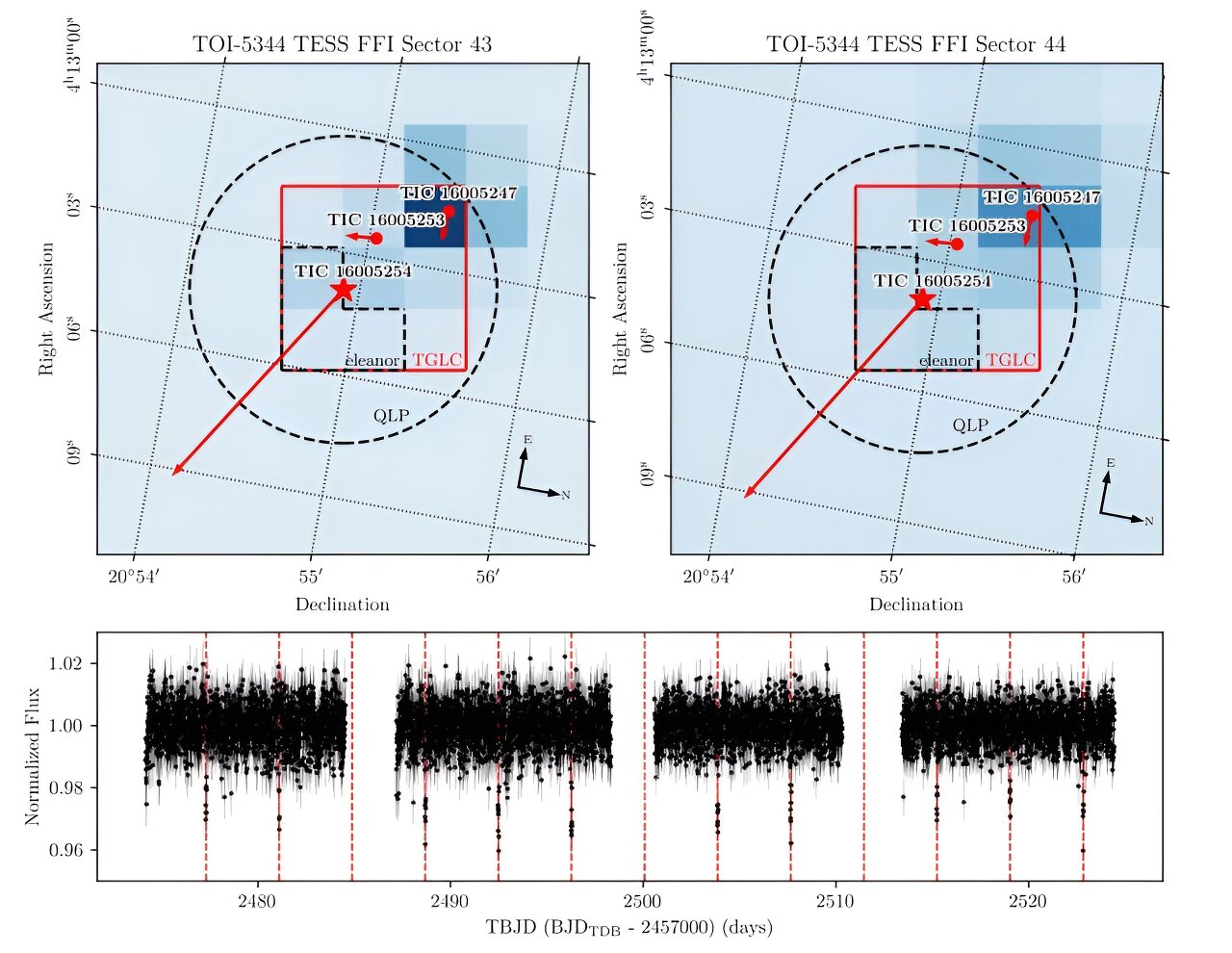
Astronomers have discovered a new giant exoplanet orbiting an M-dwarf star using NASA's Transiting Exoplanet Survey Satellite (TESS). The newly detected alien world, designated TOI-5344 b is similar in size and mass to Saturn. The finding is reported in a paper published October 31 on the pre-print server arXiv.

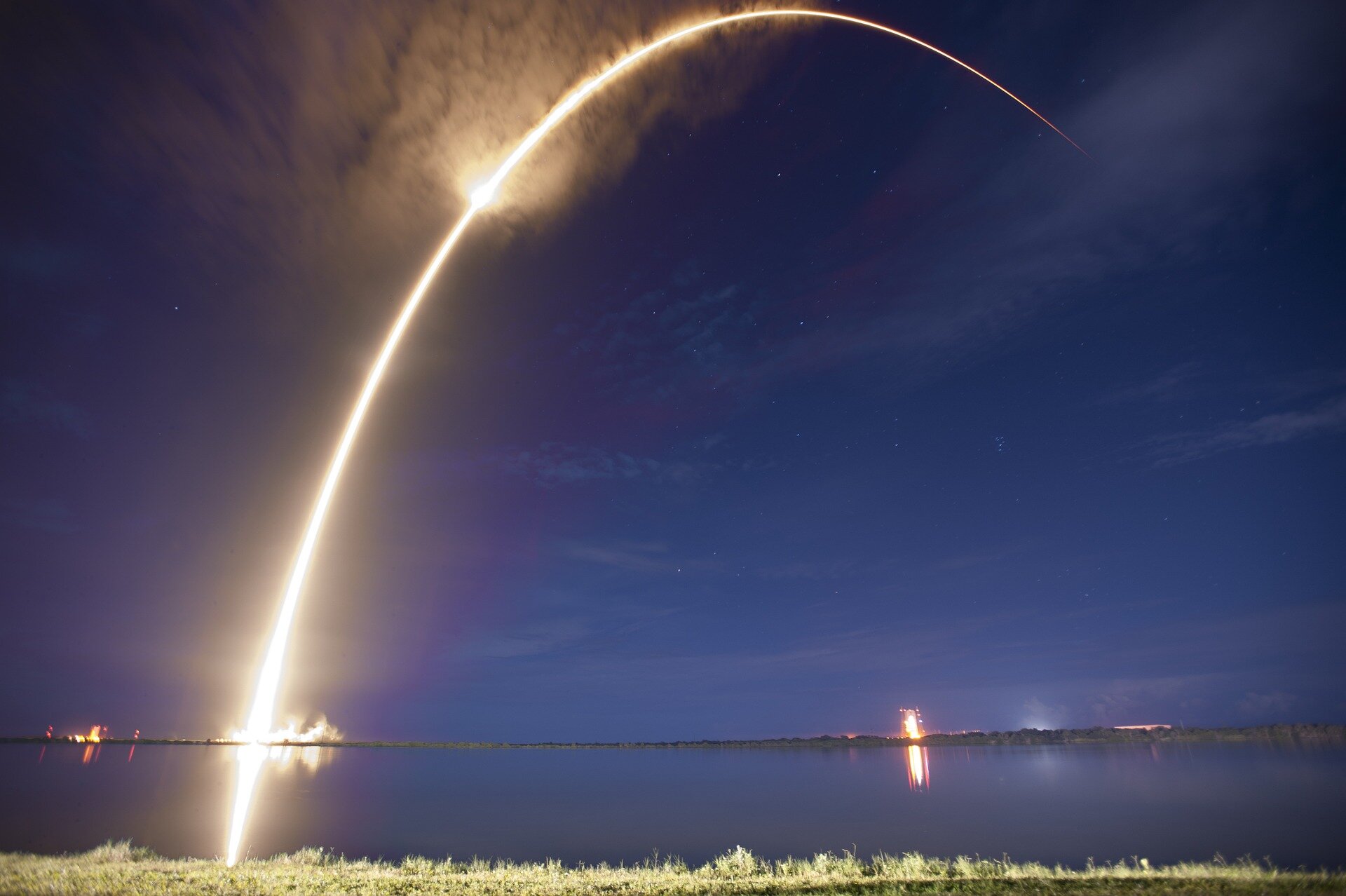
SpaceX launch makes it 60 for the Space Coast, this time with record booster flight

Another Space Coast night launch Friday marked the 60th liftoff from the Space Coast for the year, this time with a booster flying for a record 18th time.