This is default featured slide 1 title

Go to Blogger edit html and find these sentences.Now replace these sentences with your own descriptions.

This is default featured slide 2 title

Go to Blogger edit html and find these sentences.Now replace these sentences with your own descriptions.

This is default featured slide 3 title

Go to Blogger edit html and find these sentences.Now replace these sentences with your own descriptions.

This is default featured slide 4 title

Go to Blogger edit html and find these sentences.Now replace these sentences with your own descriptions.

This is default featured slide 5 title

Go to Blogger edit html and find these sentences.Now replace these sentences with your own descriptions.

Thursday, March 9, 2023

NASA's IBEX spacecraft resumes science operations

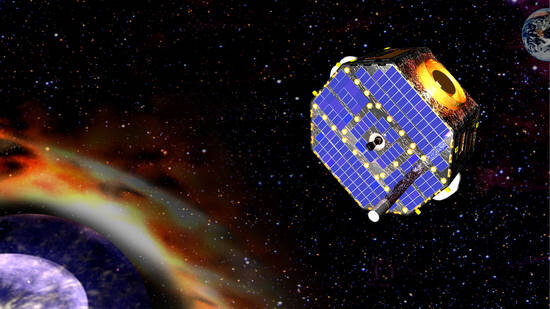
NASA's Interstellar Boundary Explorer (IBEX) is fully operational after the mission team successfully reset the spacecraft on March 2.

Wednesday, March 8, 2023

Planets similar to Neptune and Jupiter observed circling a sun-like star

A small international team of space scientists has discovered a pair of planets that bear a striking resemblance to Neptune and Jupiter circling a star similar in nature to our sun. The group has published their findings on the arXiv pre-print server.

Tuesday, March 7, 2023

Can artificial intelligence help find life on Mars or icy worlds?

Wouldn't finding life on other worlds be easier if we knew exactly where to look? Researchers have limited opportunities to collect samples on Mars or elsewhere or access remote sensing instruments when hunting for life beyond Earth.

Monday, March 6, 2023

New magnetic cataclysmic variable detected

By analyzing the data from the Spektr-RG (SRG) spacecraft and the Transiting Exoplanet Survey Satellite (TESS), astronomers have detected a new magnetic cataclysmic variable. The new object, designated SRGE J075818-612027, is most likely of the polar subtype. The finding was reported in a paper published February 26 on the pre-print server arXiv.

Sunday, March 5, 2023

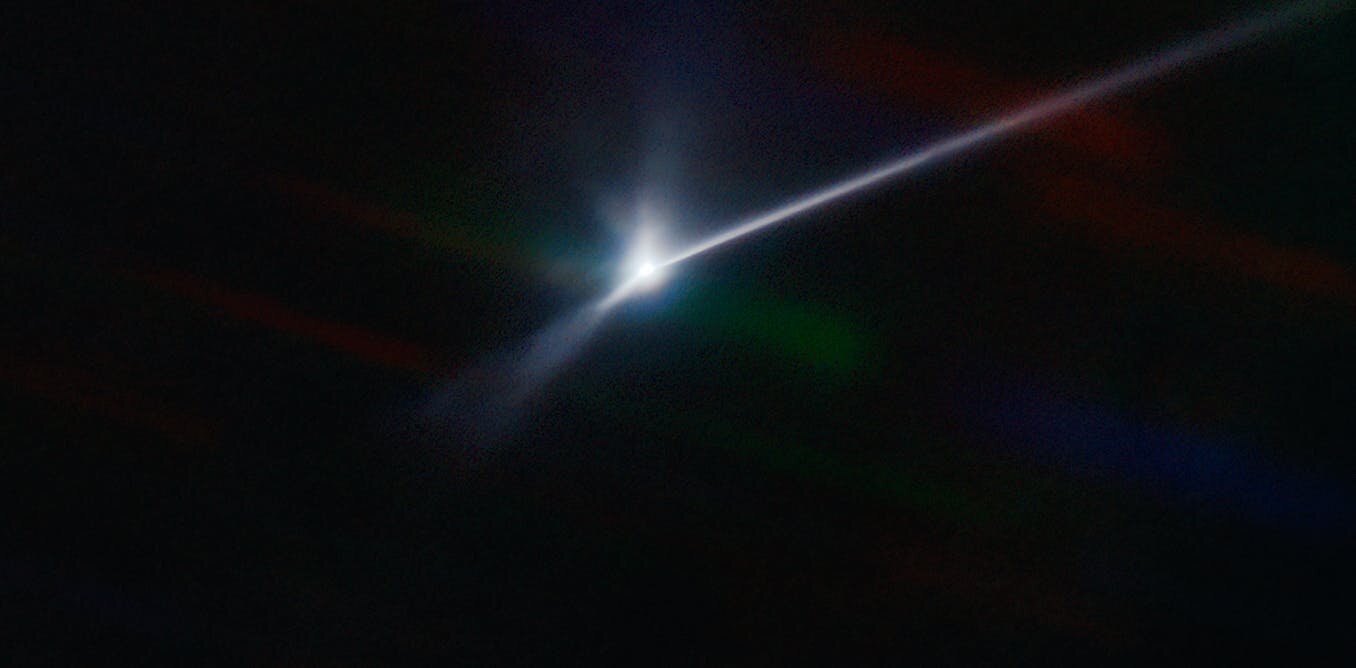
New results from NASA's DART planetary defense mission confirm we could deflect deadly asteroids

What would we do if we spotted a hazardous asteroid on a collision course with Earth? Could we deflect it safely to prevent the impact?

Saturday, March 4, 2023

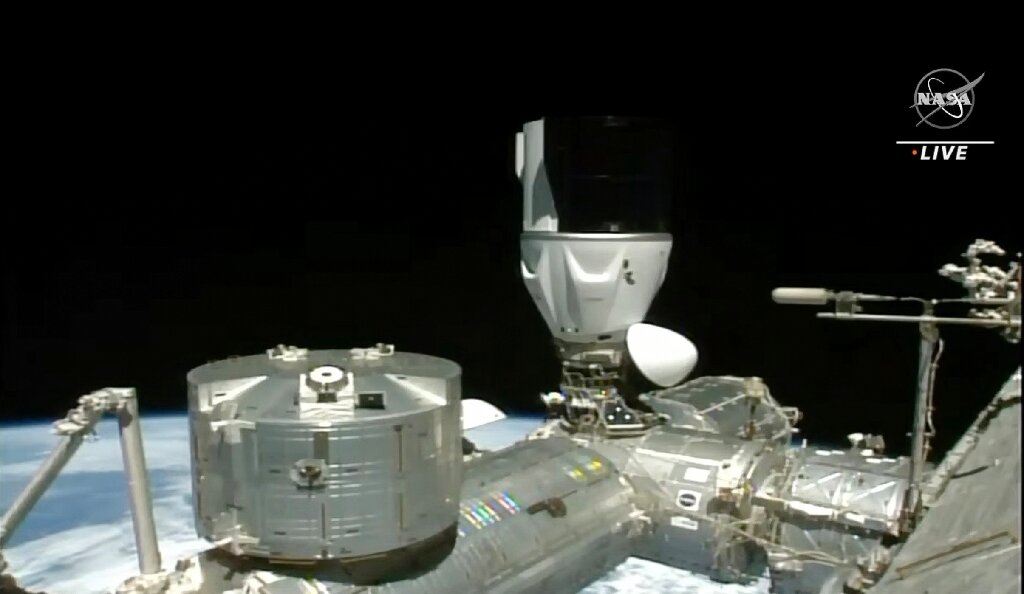
SpaceX Dragon crew enter International Space Station

Four astronauts entered the International Space Station on Friday after their SpaceX Dragon Crew-6 mission successfully docked, a NASA livestream showed.

Friday, March 3, 2023

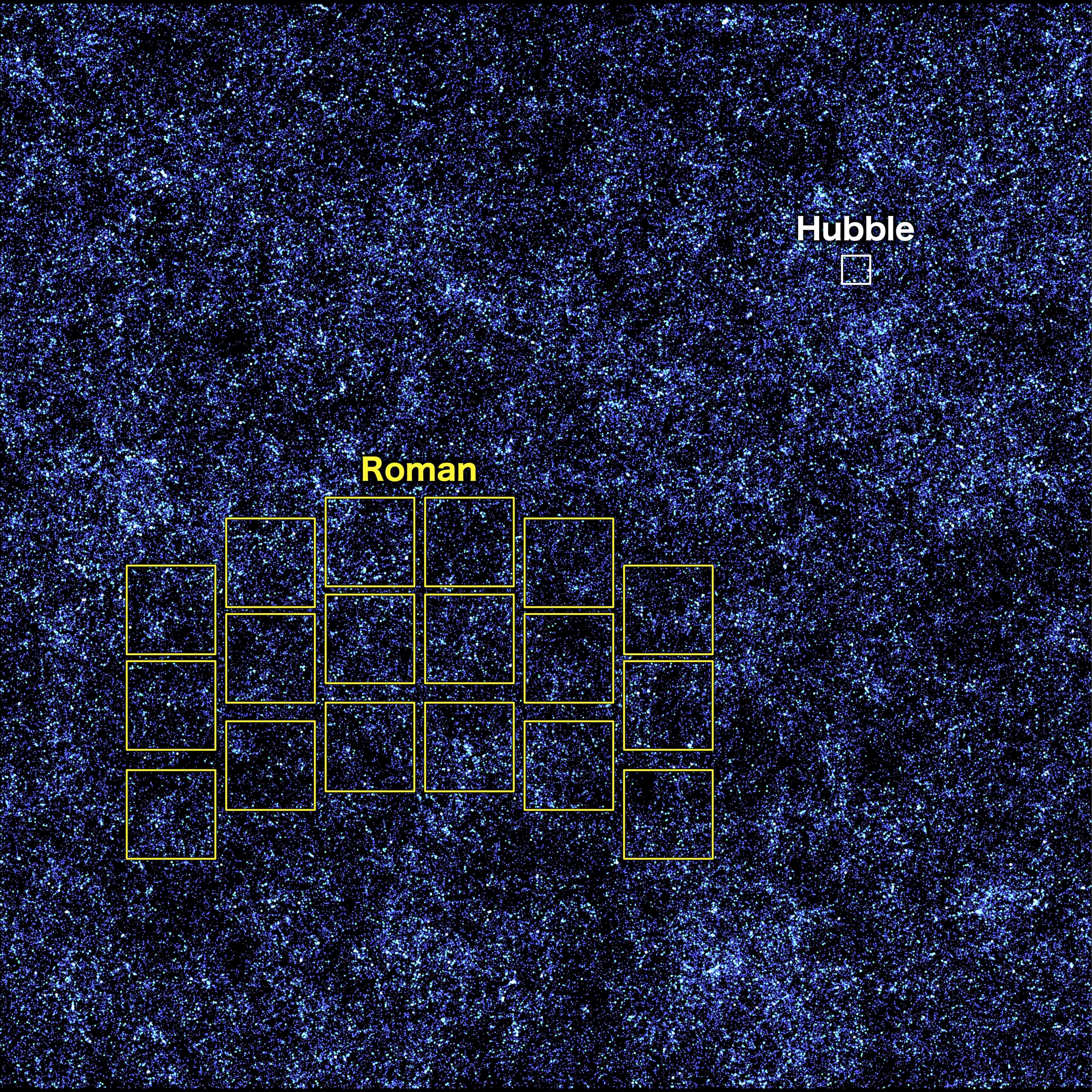
How NASA's Roman Space Telescope will rewind the universe

A new simulation shows how NASA's Nancy Grace Roman Space Telescope will turn back the cosmic clock, unveiling the evolving universe in ways that have never been possible before when it launches by May 2027. With its ability to rapidly image enormous swaths of space, Roman will help us understand how the universe transformed from a primordial sea of charged particles to the intricate network of vast cosmic structures we see today.

Unistellar citizen science network and SETI Institute contribute to planetary defense

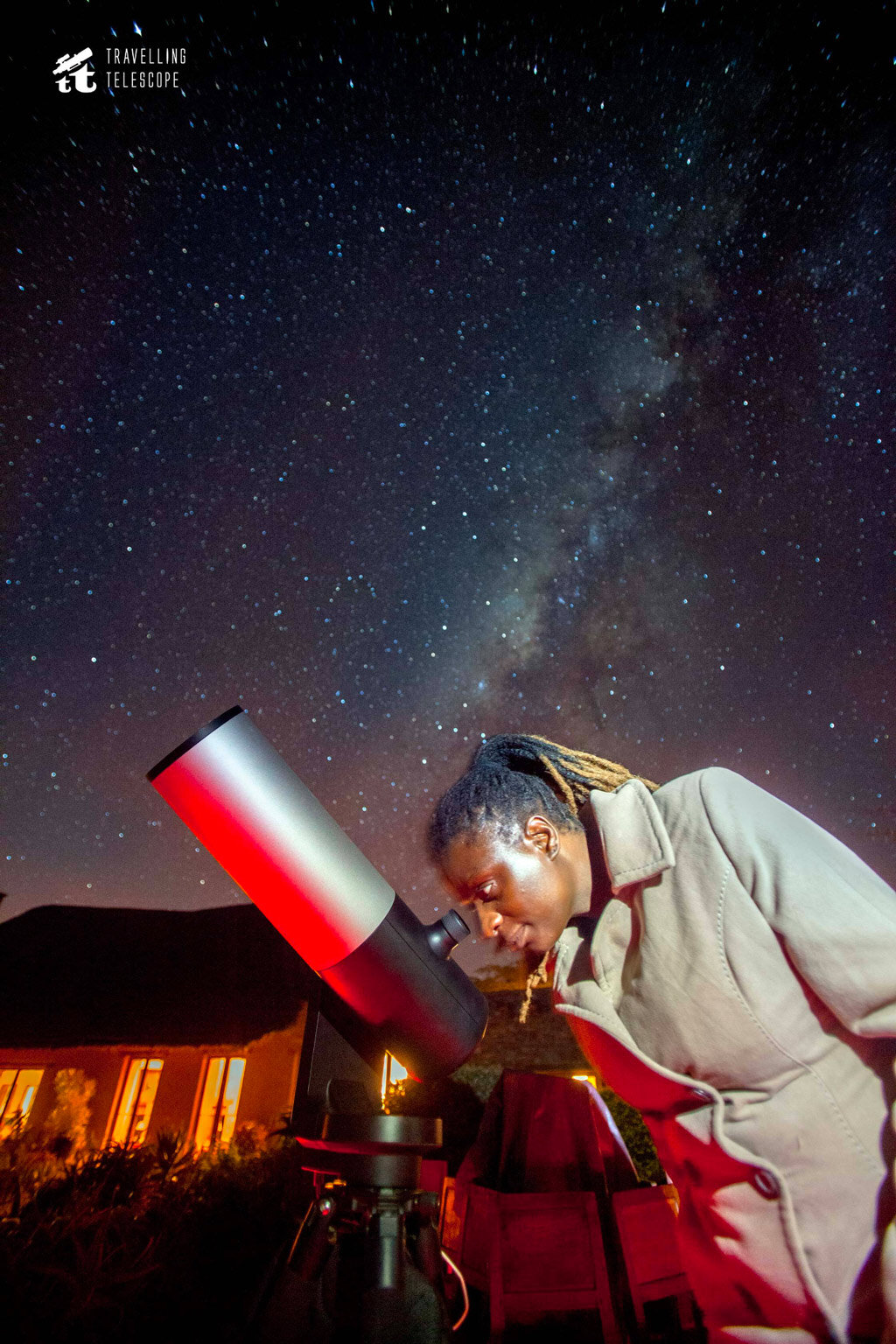
Citizen scientists worldwide made decisive contributions to defend our planet by recording accurate and meaningful observations supporting the NASA DART (Double Asteroid Redirection Test) mission. The team, including eight SETI Institute astronomers and led by SETI Institute postdoctoral fellow Ariel Graykowski published their results in Nature on March 1.

Thursday, March 2, 2023

Observations shed more light on the behavior of a nearby blazar

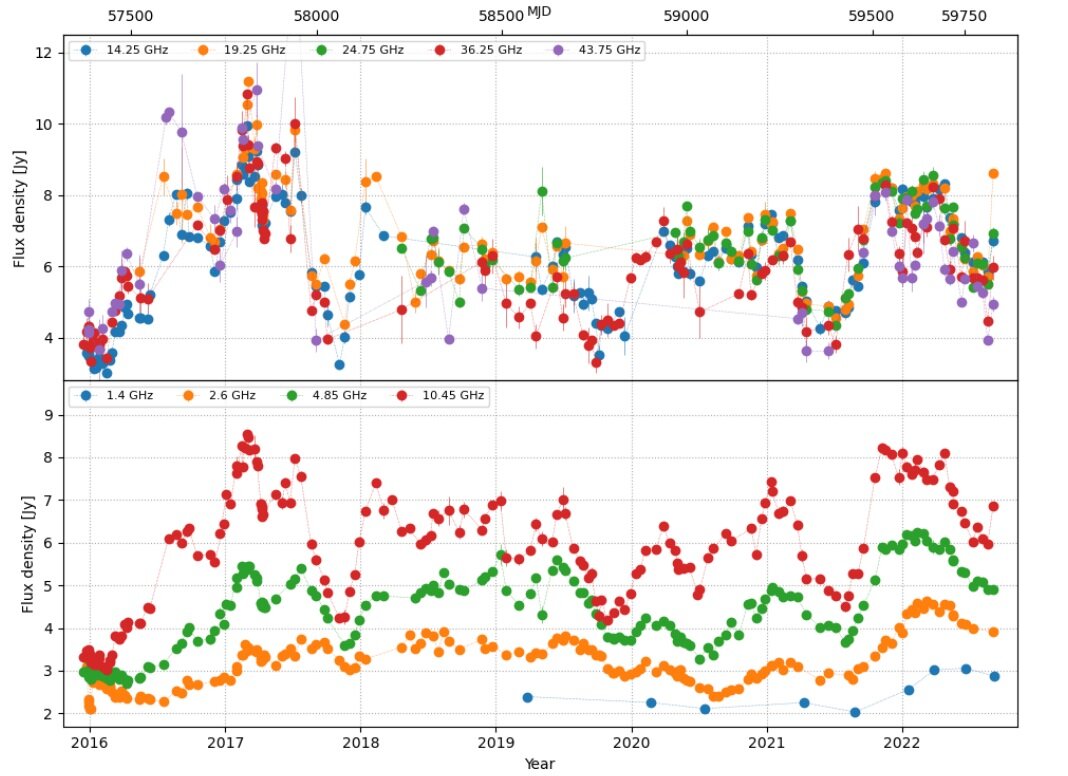
An international team of astronomers has conducted a long-term multi-frequency radio monitoring of a nearby blazar known as OJ 287. Results of the observational campaign, published February 22 on the pre-print server arXiv, shed more light about the behavior of this blazar, especially regarding its radio variability.

Wednesday, March 1, 2023

Surgeon, scientist named Japan's first new astronauts in 13 years

Japan's space agency JAXA named its first new astronaut candidates in over 13 years on Tuesday, with a surgeon and a climate scientist chosen from more than 4,000 applicants.