This is default featured slide 1 title

Go to Blogger edit html and find these sentences.Now replace these sentences with your own descriptions.

This is default featured slide 2 title

Go to Blogger edit html and find these sentences.Now replace these sentences with your own descriptions.

This is default featured slide 3 title

Go to Blogger edit html and find these sentences.Now replace these sentences with your own descriptions.

This is default featured slide 4 title

Go to Blogger edit html and find these sentences.Now replace these sentences with your own descriptions.

This is default featured slide 5 title

Go to Blogger edit html and find these sentences.Now replace these sentences with your own descriptions.
Saturday, July 8, 2023

Scientists work to prevent interplanetary pollution that could pose a threat to life on Earth

Formulating policies for planetary protection issues and keeping them up-to-date is the responsibility of the Committee on Space Research (COSPAR) panel on planetary protection. In an article in Frontiers in Astronomy and Space Sciences, an international group of experts affiliated with COSPAR reviewed the panel's role, and its Planetary Protection Policy, including recent considerations regarding the Policy for the Moon, Venus, Mars and small planetary bodies.

Friday, July 7, 2023

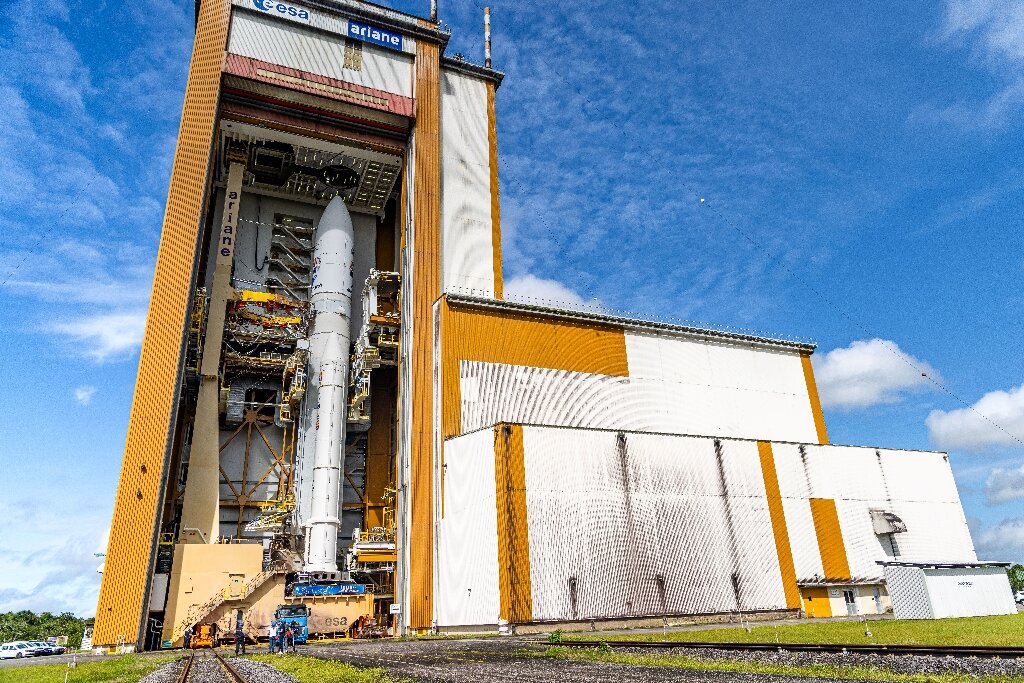
Final Ariane 5 blasts off amid Europe rocket crisis

Europe's workhorse Ariane 5 rocket blasted off for a final time on Wednesday, with its farewell flight after 27 years of launches coming at a difficult time for European space efforts.

Thursday, July 6, 2023

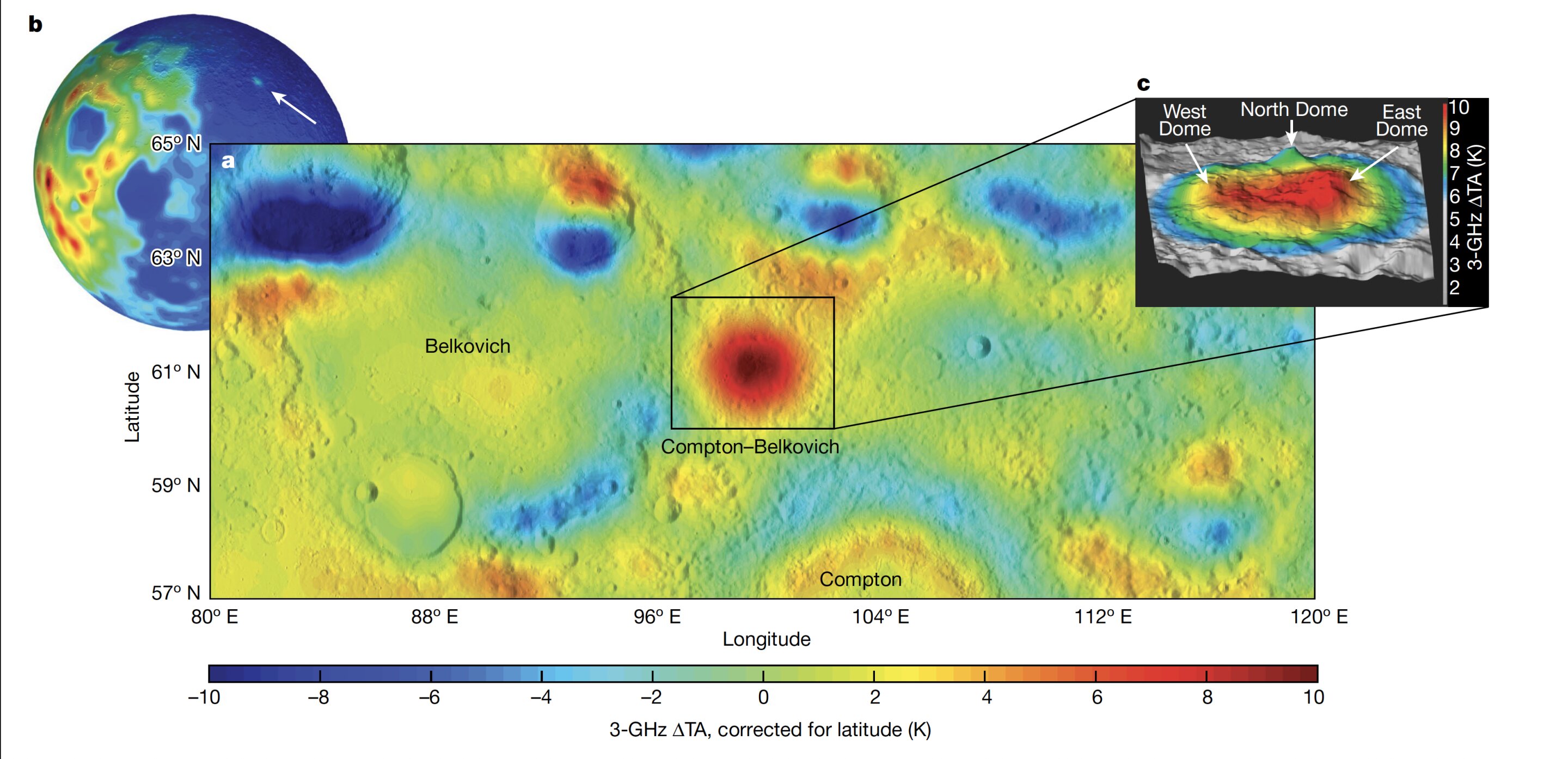
Large sub-surface granite formation signals ancient volcanic activity on moon's dark side

A large formation of granite discovered below the lunar surface likely was formed from the cooling of molten lava that fed a volcano or volcanoes that erupted early in the moon's history—as long as 3.5 billion years ago.

Wednesday, July 5, 2023

Unfavorable weather delays final Ariane 5 launch

The farewell flight of Europe's workhorse Ariane 5 rocket, scheduled for Tuesday, has been postponed for 24 hours due to bad weather, operator Arianespace said.

Tuesday, July 4, 2023

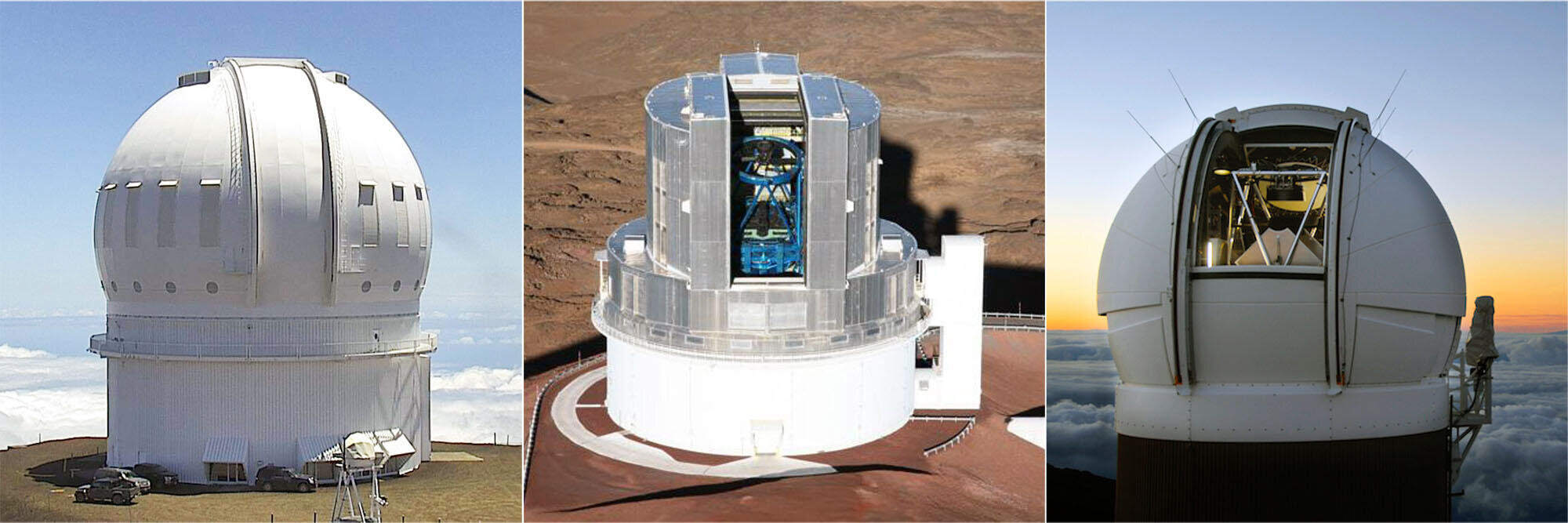
Hawai'i observatories add color, depth to European Euclid mission

Launched on July 1, 2023, the European Euclid mission will observe billions of galaxies over one-third of the sky to create a map of the Universe. But Euclid's map will be in black and white; telescopes in Hawai'i, including the Subaru Telescope, are needed to determine the colors of the galaxies. The color data will be used to deduce the distance, thus creating a 3D map, uncovering the mysteries of dark matter and dark energy.

Monday, July 3, 2023

New eclipsing cataclysmic variable system discovered

Using the Spektr-RG (SRG) spacecraft and the Zwicky Transient Facility (ZTF), an international team of astronomers has discovered a new eclipsing cataclysmic variable system, which received designation SRGeJ045359.9+622444 (or SRGeJ0453 for short). The finding is reported in a paper published June 22 on the pre-print server arXiv.

Collaborative research detects nanojets with machine learning algorithms

A mystery that has baffled astronomers and physicists for decades is a step closer to being solved thanks to a collaboration between Northumbria University and leading US aerospace technology organization, Lockheed Martin.

Scientists have finally 'heard' the chorus of gravitational waves that ripple through the universe

Scientists have observed for the first time the faint ripples caused by the motion of black holes that are gently stretching and squeezing everything in the universe.

Sunday, July 2, 2023

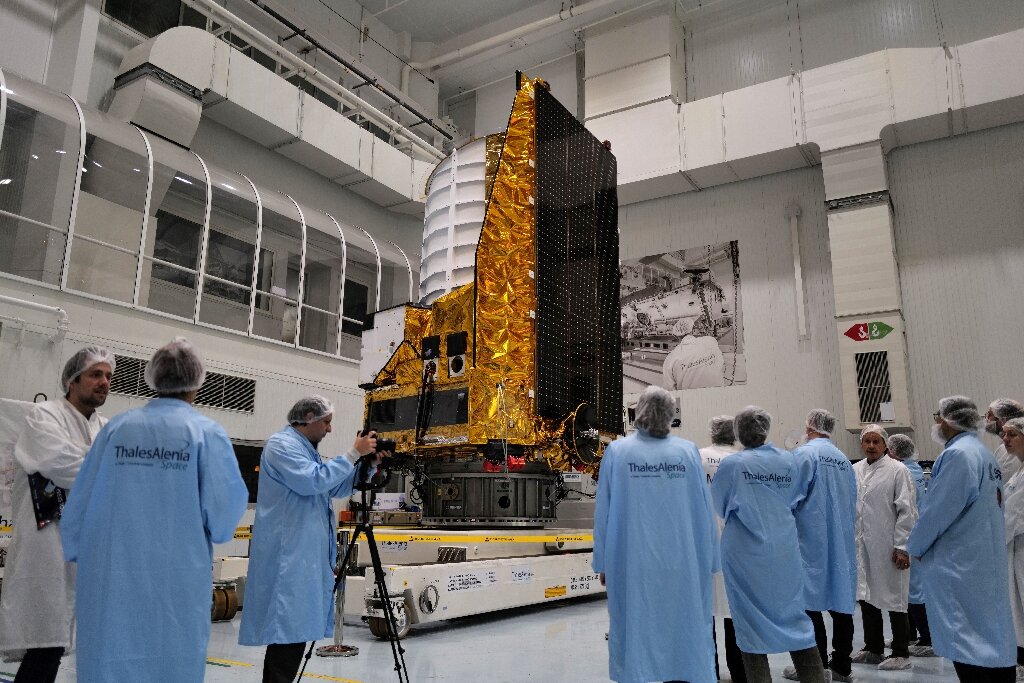
Europe's space telescope to target universe's dark mysteries

Europe's Euclid space telescope is scheduled to blast off Saturday on the first-ever mission aiming to shed light on two of the universe's greatest mysteries: dark energy and dark matter.

Saturday, July 1, 2023

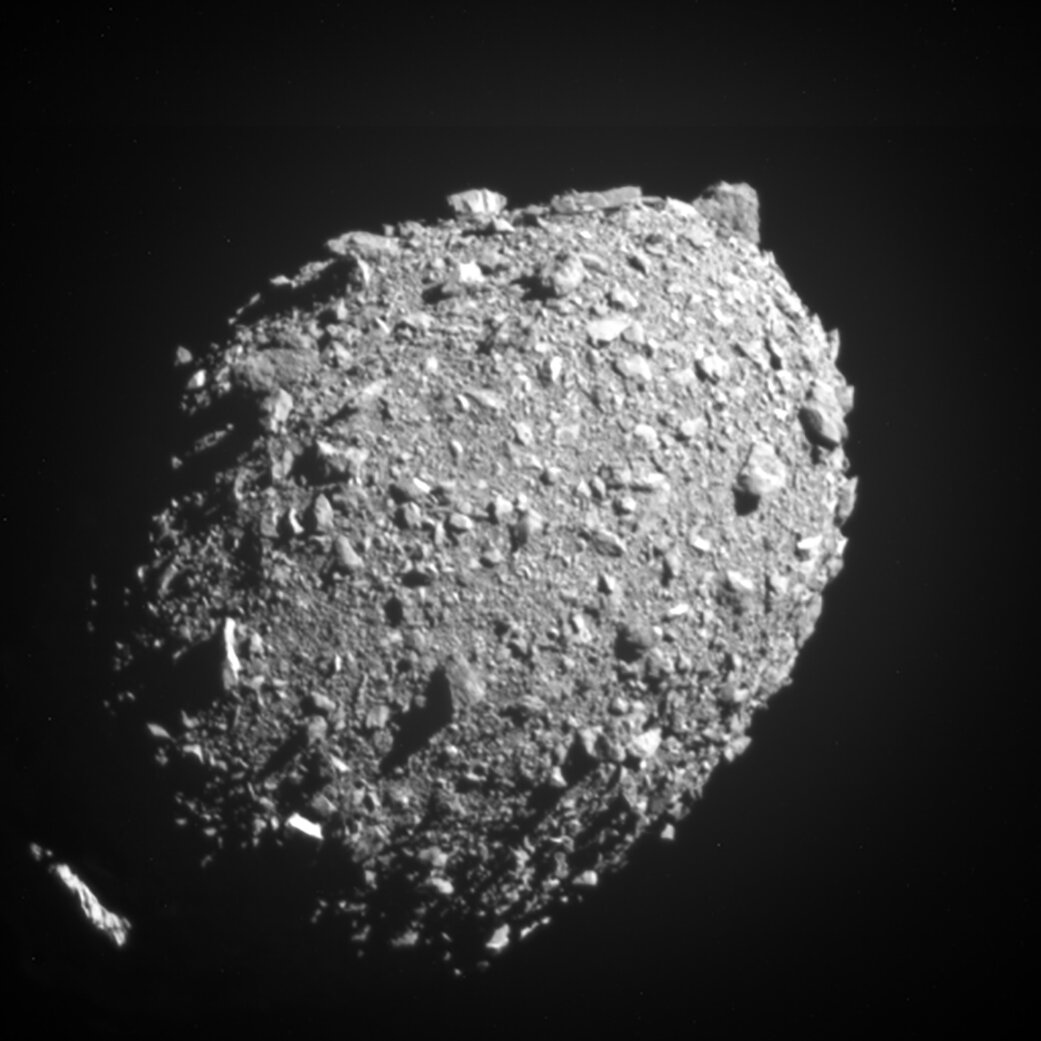
Team working on Hera mission discusses what it would be like to walk on an asteroid

The team working on ESA's Hera asteroid mission has glimpsed its destination. Last September NASA's DART mission returned images of the boulder-strewn Dimorphos moonlet just before impacting it, in an audacious and ultimately successful attempt to shift its orbit around its parent asteroid Didymos.