This is default featured slide 1 title

Go to Blogger edit html and find these sentences.Now replace these sentences with your own descriptions.

This is default featured slide 2 title

Go to Blogger edit html and find these sentences.Now replace these sentences with your own descriptions.

This is default featured slide 3 title

Go to Blogger edit html and find these sentences.Now replace these sentences with your own descriptions.

This is default featured slide 4 title

Go to Blogger edit html and find these sentences.Now replace these sentences with your own descriptions.

This is default featured slide 5 title

Go to Blogger edit html and find these sentences.Now replace these sentences with your own descriptions.
Friday, May 3, 2024

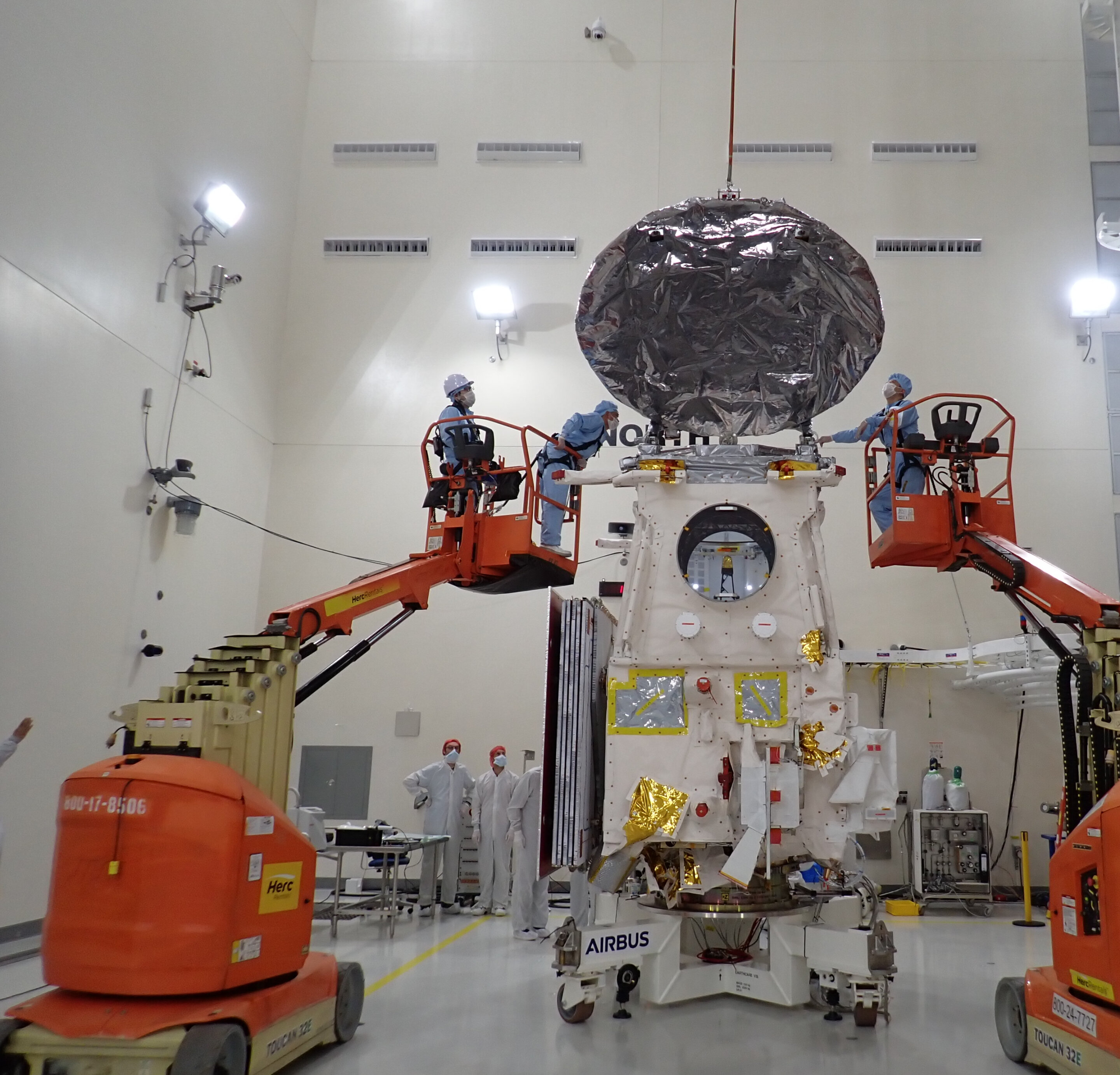
Making sure ESA's cloud and aerosol satellite is aerosol-free

A few weeks ago, a team of engineers carefully extracted ESA's EarthCARE satellite from its protective transport container, initiating a meticulous process of inspection, testing and preparation for its liftoff later this month from the Vandenberg launch site in California.

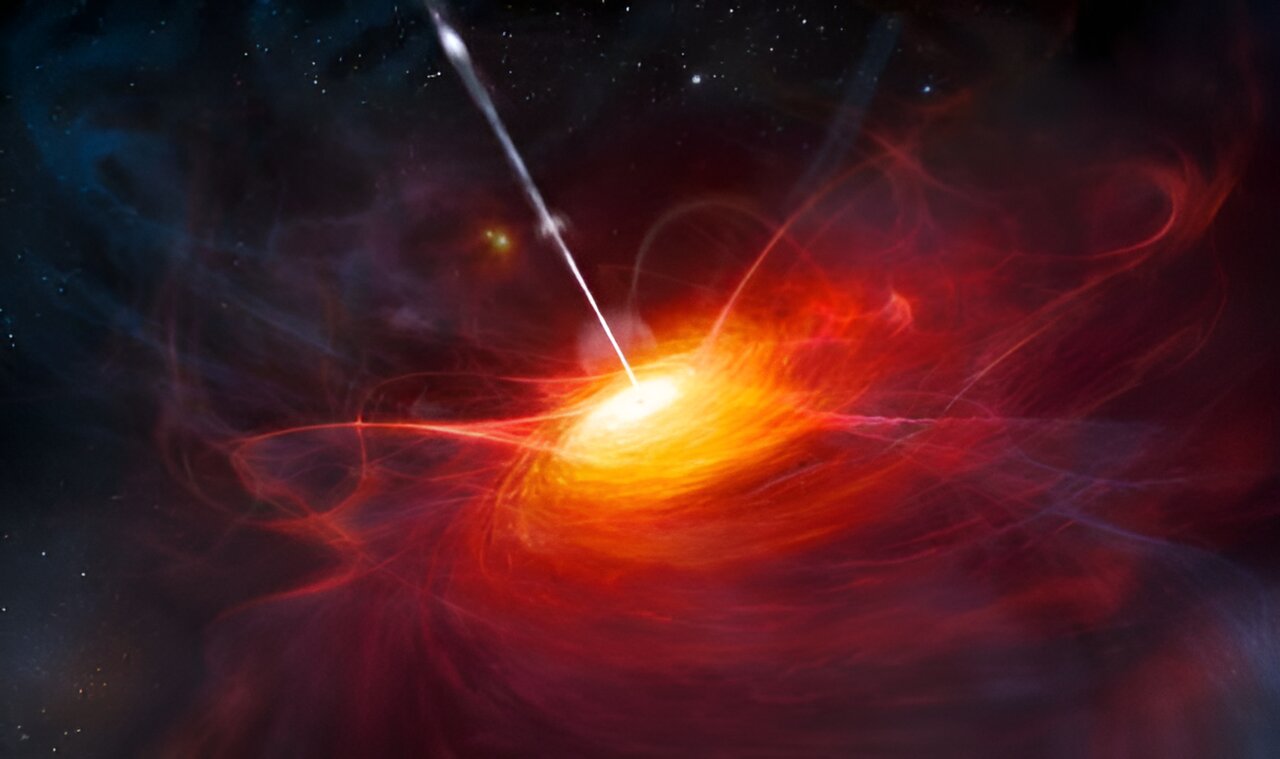
What can AI learn about the universe?

Artificial intelligence and machine learning have become ubiquitous, with applications ranging from data analysis, cybersecurity, pharmaceutical development, music composition, and artistic renderings.

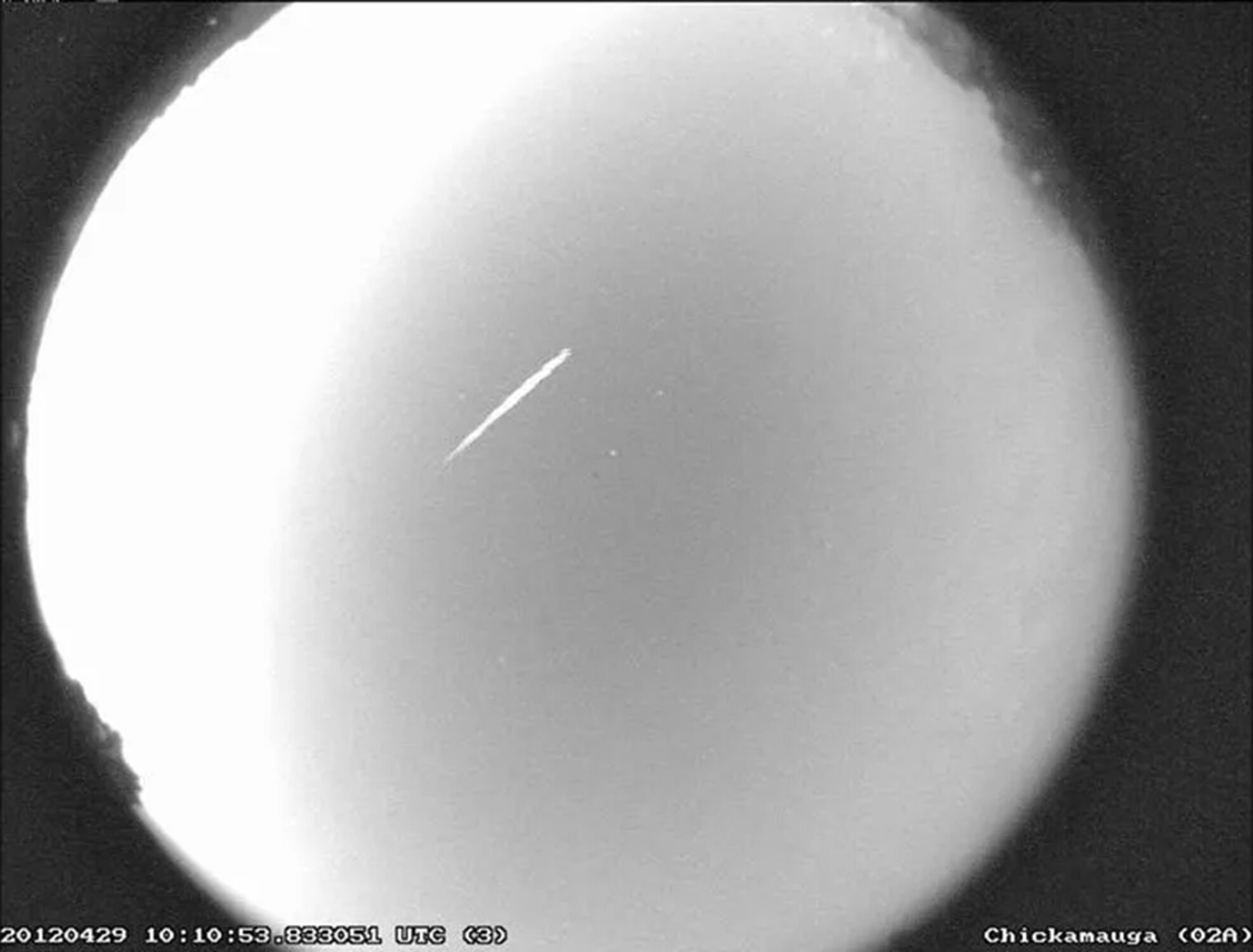
The Eta Aquarid meteor shower, debris of Halley's comet, peaks this weekend. Here's how to see it

The Eta Aquarid meteor shower, remnants of Halley's comet, peaks this weekend. And with just a waning crescent moon in the sky, it should be visible.

China is sending a probe to get samples from the less-explored far side of the moon

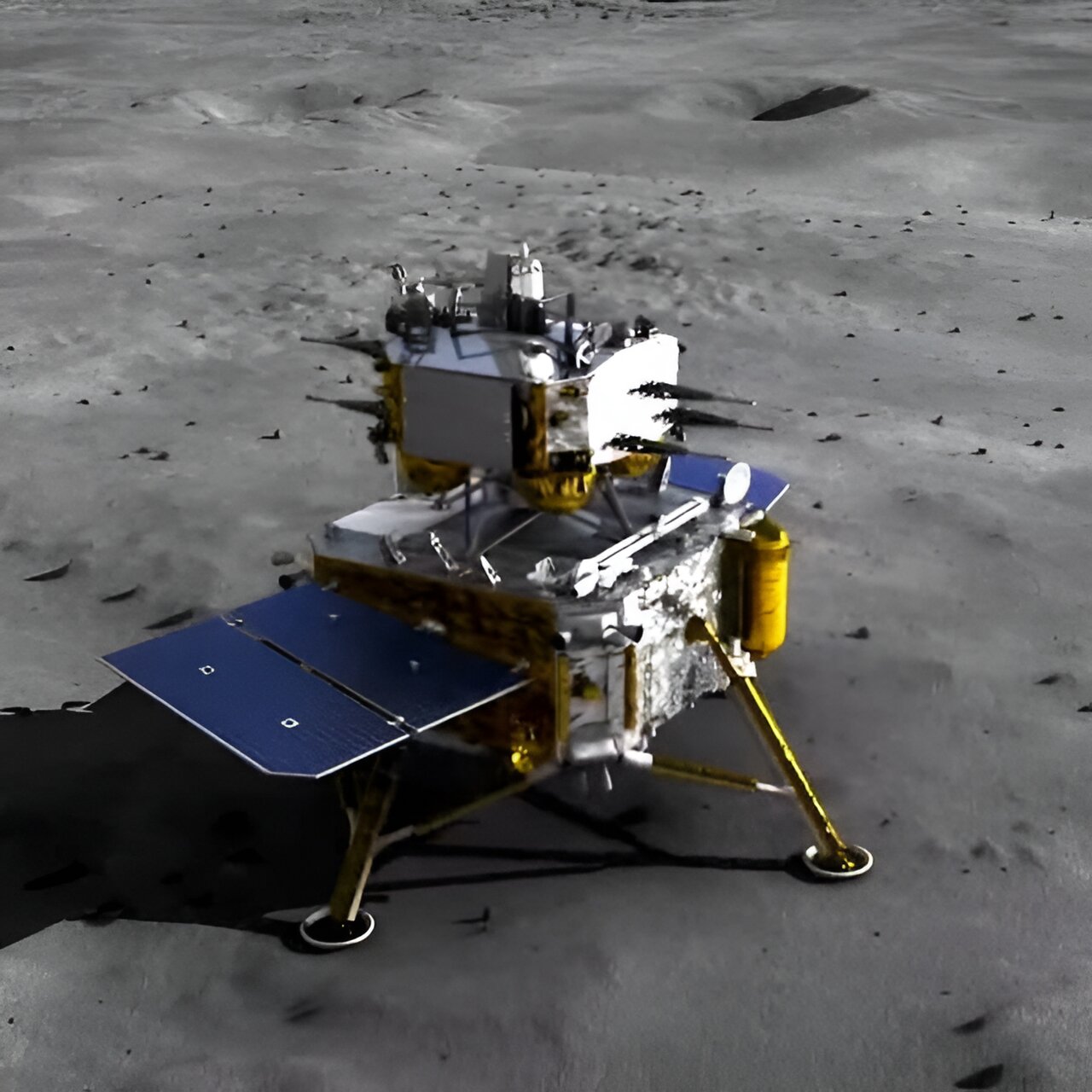
China is preparing to launch a lunar probe Friday that would land on the far side of the moon and return with samples that could provide insights into geological and other differences between the less-explored region and the better-known near side.

Thursday, May 2, 2024

China set to blast off to the far side of the moon—here's what it could discover

China is attempting to recover the first ever soil and rock samples from the lunar far side. The surface mission, Chang'e 6, named after the Chinese moon goddess Chang'e, is a successor to the successful sample return mission, Chang'e 5, and a part of the Chinese lunar exploration program.

Webb telescope probably didn't find life on an exoplanet—yet

Recent reports of NASA's James Webb Space Telescope finding signs of life on a distant planet understandably sparked excitement. A new study challenges this finding, but also outlines how the telescope might verify the presence of the life-produced gas.

X-ray satellite XMM-Newton sees 'space clover' in a new light

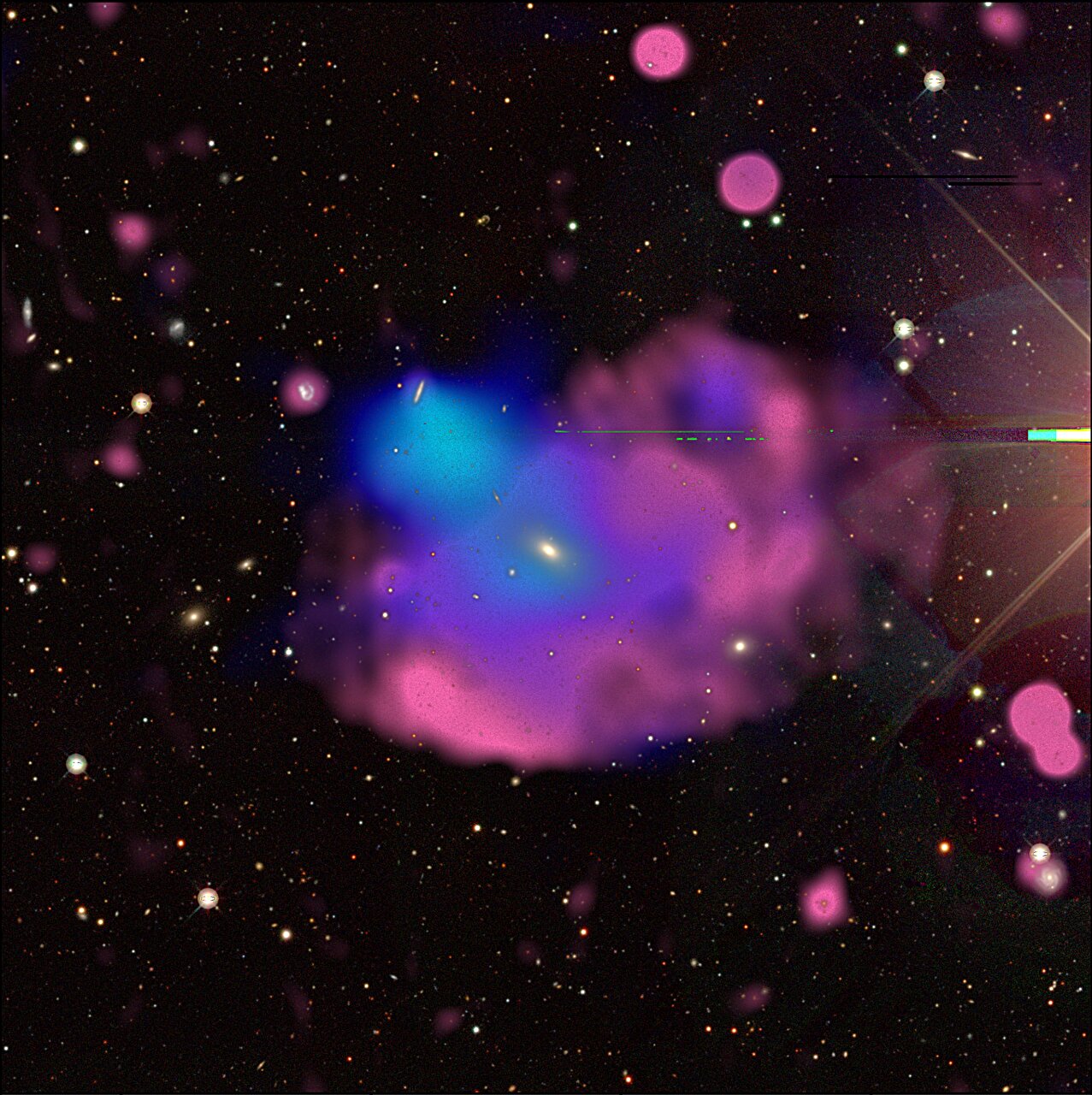
Astronomers have discovered enormous circular radio features of unknown origin around some galaxies. Now, new observations of one dubbed the Cloverleaf suggest it was created by clashing groups of galaxies.

TOI-837 b is a young Saturn-sized exoplanet with a massive core, observations find

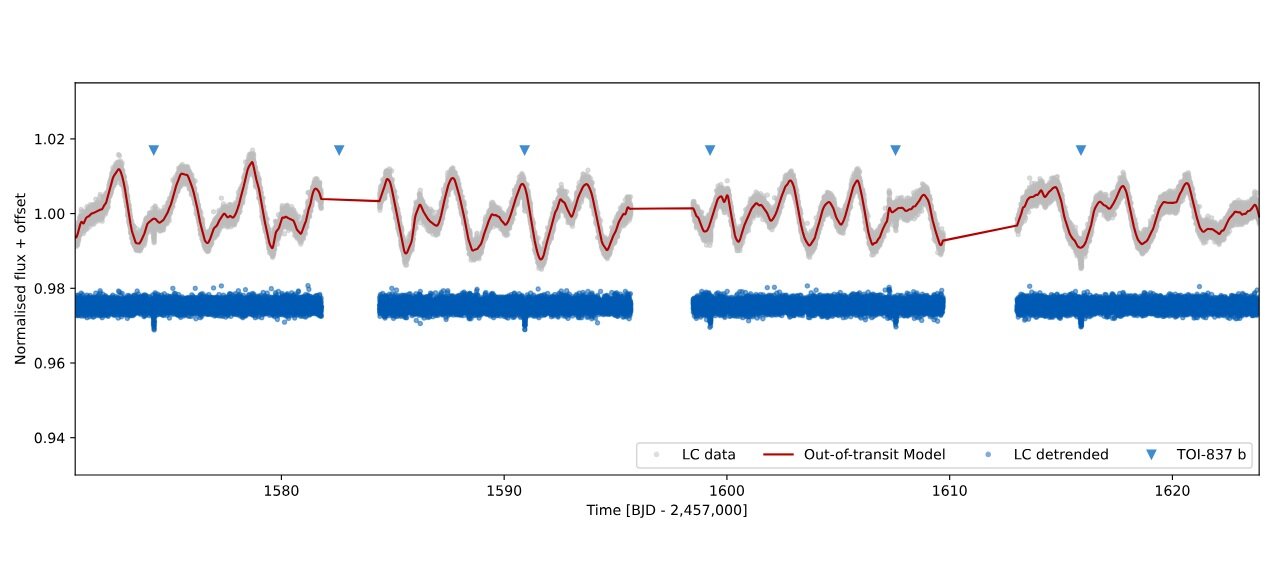
European astronomers have performed photometric and spectroscopic observations of a distant giant exoplanet known as TOI-837 b. As a result, they found that TOI-837 b is a young Saturn-sized planet containing a massive core, which challenges current core formation theories. The findings are presented in a paper published on the preprint server arXiv.

Wednesday, May 1, 2024

NASA balloons head north of Arctic Circle for long-duration flights

NASA is set to begin launch operations mid-May for the 2024 Sweden Long-Duration Scientific Balloon Campaign. Four stadium-sized, scientific balloons carrying science missions and technology demonstrations are scheduled to lift off from Swedish Space Corporation's Esrange Space Center, situated north of the Arctic Circle near Kiruna, Sweden. The campaign will continue through early July.

Horizontal running could help lunar astronauts retain physical conditioning

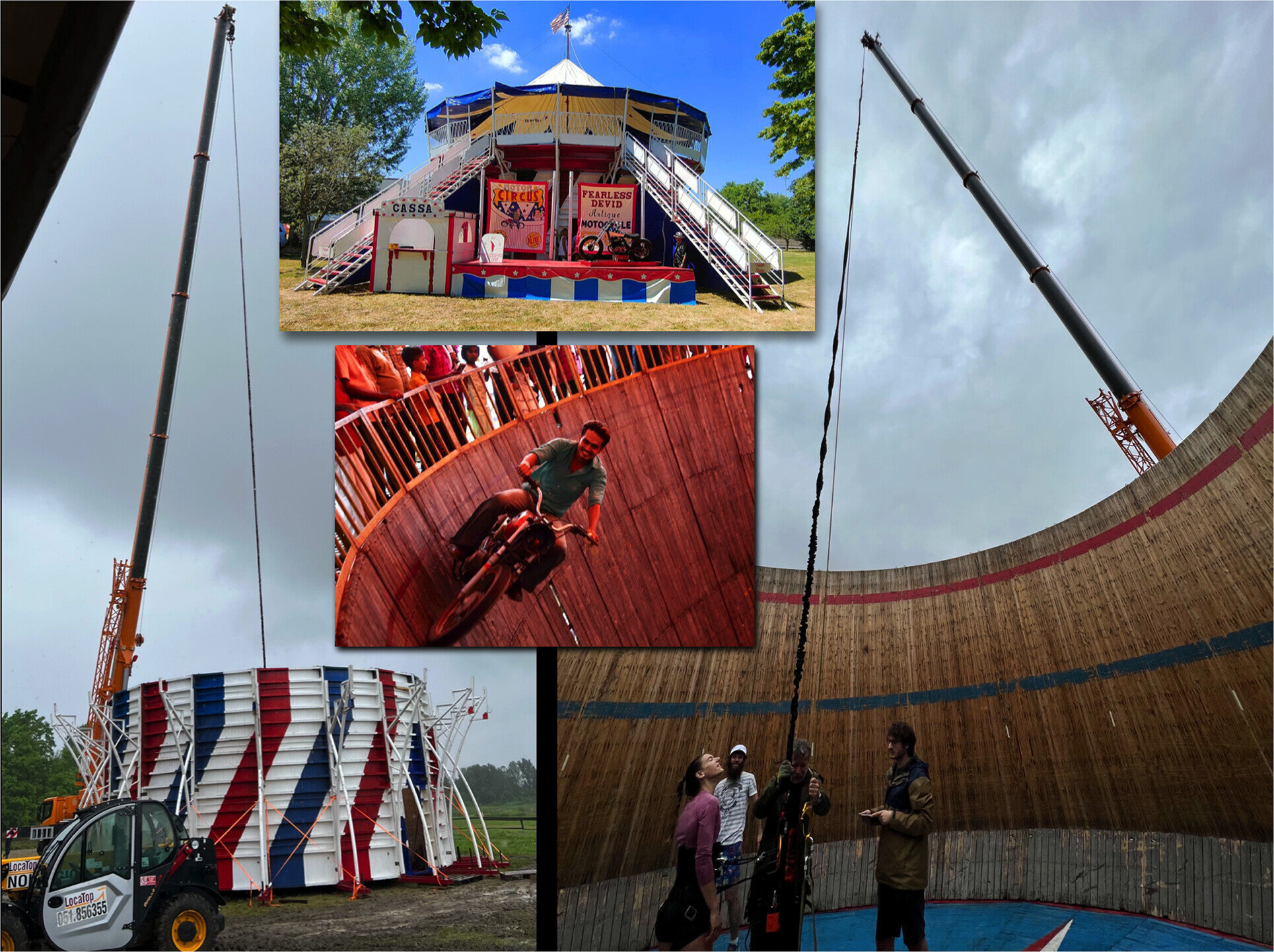
A small team of pathophysiologists and human locomotion specialists at the University of Milan has found that it should be possible for astronauts on the moon to prevent muscle and bone deterioration by running horizontally in a cylinder. In their study, published in the journal Royal Society Open Science, the group mimicked the effects of the moon's gravity on volunteer runners inside of a borrowed "wall of death."